Why Are Your Aloe Vera Leaves Thin? Causes, Fixes, and Prevention Tips

August 25, 2026
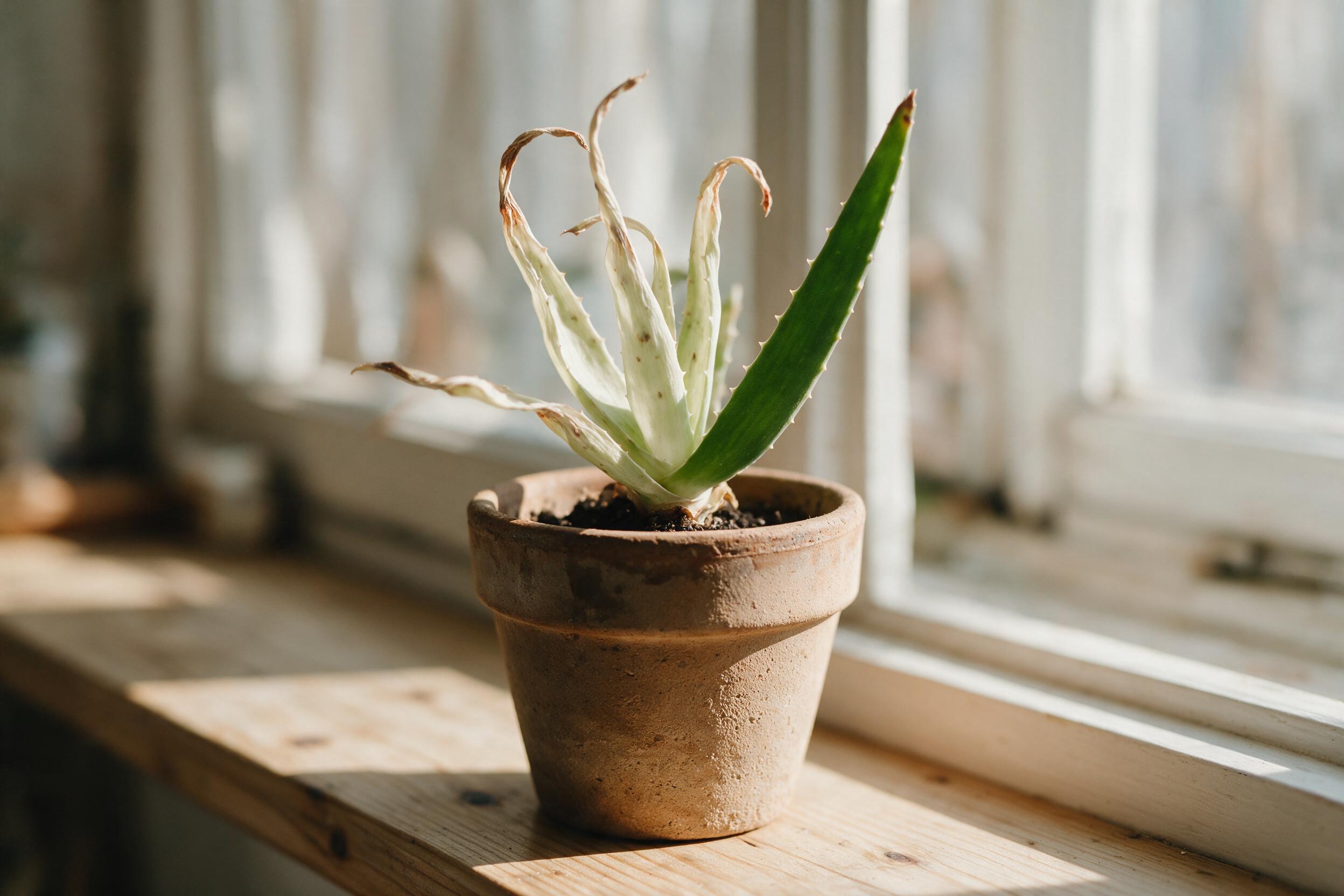
Aloe vera is a popular succulent loved for its thick, fleshy leaves — so when those leaves start growing thin, it’s a clear sign something has gone wrong. The good news is that thin leaves are one of the most fixable problems you’ll encounter as an aloe grower, and the plant is surprisingly resilient once you address the root cause.
Incorrect watering, poor lighting conditions, and a small pot are the most common reasons that can make your aloe leaves go thin. But there are several other triggers — from soil type to pest pressure — that are worth understanding before you start troubleshooting. This guide walks you through every possible cause and gives you a clear, actionable path to restore your plant’s health.
What Does It Mean When Your Aloe Vera Leaves Are Thin?
Healthy aloe vera leaves are plump, firm, and filled with the gel that makes this plant so useful. Aloe vera evolved in the dry, rocky regions of the Arabian Peninsula, and its thick leaves serve as its water reservoir — the roots are built for brief soakings followed by long dry spells. When the leaves lose that fullness and start looking flat, narrow, or papery, the plant is telling you its internal reserves are running low.
Texture is the fastest clue: soft and mushy leaves point to overwatering; thin and curled leaves point to underwatering; stretched leaves leaning sideways point to low light. Knowing which type of thinness you’re dealing with is the first step toward a real fix. A leaf that is thin and firm feels different from one that is thin and wrinkled, and both feel different from one that is thin and elongated — each pattern points to a different cause.
You can learn more about the full range of different types of aloe vera plants to understand how your specific variety normally looks when healthy, since some cultivars naturally produce narrower foliage than others.
Is Thin Leaves in Aloe Vera Always a Sign of a Problem?
Not always. Not all drooping or thinning is a problem — the oldest, outer leaves of a mature aloe naturally sprawl away from the center, which is normal growth. Baby pups and very young plants also tend to have less rigid foliage. Baby aloe plants have tender, limp foliage compared to mature plants; once the plant is producing adult leaves, they will be more rigid and upright.
Some species and cultivars also naturally produce leaves that are narrower or more elongated than the classic Aloe vera (also known as Aloe barbadensis miller). Aloe vera is one of over 500 different species in the genus Aloe, currently found growing wild in Europe, Africa, Asia, and the Americas, despite originating in the Mediterranean Sea region. If you recently repotted your plant or moved it to a new spot, some temporary limpness is normal while it adjusts.
The concern begins when previously plump, established leaves suddenly start losing volume, when new growth comes in consistently thin, or when the thinning is accompanied by curling, browning, or a change in color. Those are signals worth investigating.
Pro Tip: Before assuming a problem, gently squeeze a leaf. A healthy leaf feels firm and gel-filled. A leaf that collapses easily under light pressure is losing stored moisture and needs attention.
Watering Issues Causing Aloe Vera Thin Leaves
Watering is the single most common cause of thin aloe leaves — and the tricky part is that both too much and too little water produce a similar visual result, though with different textures.
Underwatering is the more intuitive cause. Aloe vera stores water in its leaves to survive dry spells, but if you don’t give it water for too long, it will use up all the water stored in the leaves, causing them to become thin due to a lack of water. Signs include thin, wrinkled, curling leaves; dry, papery tips; soil that has been bone-dry for several weeks; and a pot that feels very light.
Overwatering causes thin leaves through a different mechanism. If you water your aloe plant too much, it will cause the roots to rot, which can cut off water to the leaves — the leaves will then wilt and start to thin out. If your aloe leaves are thin and feel mushy, odds are you’re watering the plant too often. Overwatering is the leading cause of death for indoor aloe vera plants; excess moisture suffocates the roots, leading to root rot — a fungal disease that quickly spreads and can be fatal.
The soil itself also plays a role. The potting medium your aloe lives in determines how much moisture is retained after watering; regular potting mix or garden soil holds onto water like a sponge. As a general guide, aloes like water every one to three weeks in summer and less frequently in winter when they go dormant.
Pro Tip: Use the finger test before every watering. Push your finger two inches into the soil. If it still feels even slightly damp, wait. Aloe always prefers to be slightly too dry rather than slightly too wet.
For a deeper dive into keeping your plant healthy year-round, check out this guide on how to care for an aloe vera plant.
Light Conditions Behind Aloe Vera Thin Leaves
Light is the second most common driver of thin, weak aloe leaves — and insufficient light is a far more frequent problem indoors than too much light.
Aloe vera needs a lot of light to grow strong, compact leaves. In dim conditions the plant stretches toward the nearest light source — a process called etiolation. Etiolated leaves grow longer, thinner, paler, and more widely spaced, and they simply are not strong enough to hold themselves up. The common reason for thin, long, or leggy aloe vera leaves is keeping them indoors in spaces with not enough light.
There is no way to shrink back existing leaves once they are stretched — they are stretched. But you can move your aloe vera to a brighter spot and any new growth will be shorter, sturdier, and more compact.
On the opposite end, too much intense direct sunlight causes its own version of leaf damage. Sunburn stops the plant from properly hydrating, and the leaves become thin due to lack of moisture. Because aloe leaves hold so much water, they are especially prone to sunburn. If you notice large brown patches or the leaves turning orange or brown, it’s a sign your plant is getting too much direct sun.
The ideal position indoors is bright, indirect light. Place your aloe in bright indirect light or artificial light; a western or southern window is ideal. Aloe kept in low light often grows leggy. A bright south- or west-facing room is fine — just give it a little distance from the glass, about 3 to 5 feet.
If you’re looking for more low-light-tolerant options to pair with your aloe, browse these best houseplants for low-light areas for comparison.
Soil, Nutrients, and Root Health Causing Aloe Vera Thin Leaves
Even with perfect watering habits, the wrong soil can keep your aloe perpetually stressed. Aloes like a sandy potting mix with great drainage. Store-bought cactus or succulent mixes work quite well, but if you notice the potting medium holding onto a lot of water for days, amend the soil with coarse builder’s sand, chicken grit, perlite, or pumice to improve drainage.
Pot size and material also matter more than most people realize. If you live in a cool and humid climate and struggle with soil holding too much water, terracotta will make an excellent pot because its porous nature will wick away extra moisture sitting in the soil. A pot that is too small restricts root growth and limits the plant’s ability to take up water and nutrients, which directly reduces leaf fullness.
On the nutrient side, aloe is not a heavy feeder, but it does have some needs. Fertilizing aloe vera is recommended once per month from spring through summer, applied conservatively — over-feeding will produce spindly growth. Fertilize sparingly, no more than once a month, and only in spring and summer with a balanced houseplant formula mixed at half strength.
In winter, plants are not actively growing, so you should not fertilize at this time — otherwise excess growth might occur that is leggy and limp. Stunted growth and thin leaves are often due to lack of light, small pot size, or nutrient deficiencies.
| Soil/Root Factor | Problem It Causes | Fix |
|---|---|---|
| Dense, water-retentive soil | Root rot, mushy thin leaves | Switch to cactus/succulent mix; add perlite |
| Pot too small | Restricted roots, reduced leaf plumpness | Repot into a container 1–2 inches wider |
| No drainage hole | Waterlogged roots, leaf thinning | Always use a pot with at least one drainage hole |
| Over-fertilizing | Spindly, weak new growth | Fertilize at half strength, spring/summer only |
| Nutrient depletion (old soil) | Slow growth, thin leaves | Repot in fresh mix every 1–2 years |
Environmental Stress Triggering Aloe Vera Thin Leaves
Temperature swings, cold drafts, and seasonal changes can all cause your aloe’s leaves to lose their firmness and plumpness. Aloe vera does best in temperatures between 55° and 80°F (13° and 27°C), and the temperatures of most homes and apartments are ideal. Problems arise when the plant gets pushed outside those limits.
Letting your aloe get too cold can cause drooping and thinning, so don’t let it get colder than 50°F (10°C). Aloe vera is damaged by temperatures below 40°F, and leaves turn brown or pale at the tips and margins when exposed to cold drafts or low temps. Keep aloe vera above 50°F in winter and avoid drafty windows. In many US homes, this means keeping aloe away from single-pane windows during winter months, especially in northern states.
Aloe veras are succulents built to grow in dry desert conditions. They thrive in warm conditions, and winter is not the ideal time for these plants — when temperatures drop lower than the aloe vera’s preference, you will notice its effects. If you bring your aloe outdoors in summer — which many American gardeners do — from May to September you can bring your plant outdoors without problems, but do bring it back inside in the evening when nights turn cold.
Repotting shock is another environmental stressor that can temporarily cause thin, limp leaves. After a repot, don’t water for at least a week. This decreases the chance of inducing rot and gives the plant time to put out new roots. Keep it in a warm place that receives bright indirect light until the plant seems rooted and happy.
Pro Tip: If you move your aloe outdoors for summer, acclimate it gradually. Start with a shaded outdoor spot for a week before exposing it to more direct sun. Sudden exposure to intense outdoor light after an indoor winter causes leaf scorch and thinning.
Pests and Disease Leading to Aloe Vera Thin Leaves
While watering and light are more common culprits, pest infestations and disease can also drain your aloe’s leaves of their plumpness. Aloe problems almost always stem from one of four core issues: overwatering causing root rot, insufficient light leading to etiolation, sudden environmental shifts, or pest infestations — especially scale and mealybugs.
Mealybugs and scale tend to top the list of bugs aloe is subject to attack. Mealybugs appear as small, white, cottony masses usually found in leaf axils or on the undersides of leaves; they suck plant sap, leading to stunted growth and yellowing. Spider mites leave behind fine webbing and cause yellow speckling. Mealybugs, with their cotton-like cocoons, sap the vitality of the plant, leading to wilted, yellow leaves.
Pests like fungus gnats target the roots, compromising the aloe vera’s ability to absorb water and nutrients. This can lead to a weakened plant, more susceptible to diseases and less capable of recovering from additional stressors.
For treatment, use a cotton swab dipped in rubbing alcohol to dab directly onto mealybugs, or apply horticultural oil or neem oil according to label instructions — these suffocate the pests. Diseases like root rot are caused by overwatering, and powdery mildew is caused by high humidity and poor air circulation. To prevent root rot, plant aloe in well-draining soil and only water when the soil is dry.
If you have cats that might disturb your aloe while you’re treating it, this guide on how to keep cats out of houseplants offers some practical strategies.
How to Diagnose Why Your Aloe Vera Leaves Are Thin
Diagnosing the cause correctly before you take action saves you from making things worse. Follow this step-by-step process:
- Feel the leaves. Press a leaf gently to feel whether it is firm or soft, and check the soil by pushing a finger two inches down. Soft and mushy points to overwatering or root rot. Thin, wrinkled, and firm points to underwatering. Thin and elongated with a pale color points to insufficient light.
- Check the soil moisture. If the soil is soggy, let it dry out completely before watering again. If it’s bone dry and the leaves look deflated, give the plant a deep watering and allow excess water to drain.
- Assess the light. How many hours of bright light does your plant actually receive? Aloe vera thrives in a location that has bright, indirect sunlight — inside, those are usually spaces that face east, south, or west. If your plant is more than a few feet from a window, low light is likely a factor.
- Inspect for pests. Recognizing the signs early — such as wilting leaves, discolored spots, or visible insects — allows for swift action. Check the undersides of leaves and the soil surface for small insects, webbing, or cottony residue.
- Consider recent changes. Did you recently repot, move the plant, change your watering frequency, or bring it indoors for winter? Any of these can trigger temporary thinning.
- Look at the growth pattern. Signs of a light-starved plant include a flattened, spread-open rosette; pale, elongated leaves; a noticeable lean toward the light; and weak new growth.
A plant identification app can also help you rule out whether you’re dealing with a naturally narrow-leafed aloe species. Check out these best iPhone apps for identifying plants for some solid options.
Key Insight: Two or more causes often overlap — a low-light aloe in dense soil that gets watered too often is the classic combination. If your plant fits more than one symptom description, work through both fixes simultaneously.
How to Fix an Aloe Vera Plant That Has Thin Leaves
Once you’ve identified the cause, here’s how to address each one effectively.
For underwatering: Give the plant a thorough soak — water until it runs freely from the drainage hole. Most under-watered aloes plump back up over a few days as the leaves refill. If the soil has gone so dry it repels water, bottom-water instead: set the pot in a tray of water for 15–20 minutes so the mix rehydrates evenly. If the leaf still feels wrinkly or looks thin after a day or two, give your plant an additional thorough watering — your aloe may not be quite full yet.
For overwatering and root rot: Stop watering immediately. Check the soil porosity by watering and assessing how long it takes to percolate from the drainage holes. If the plant is barely trickling out the extra water and the soil feels boggy, switch to a cactus soil. Make sure the drainage holes are sufficient and fully open. If root rot has set in, remove the plant from its pot, trim away any black or mushy roots with clean scissors, allow the roots to air-dry for a day, then repot in fresh, dry cactus mix.
For low light: Move the plant to a brighter location. If there is not enough light indoors, try using a plant light to supplement the plant’s needs. Aloes with less-than-optimal light will grow leggier and floppier leaves, but the plant will continue to live. If you want the best for your aloe, consider adding a grow light to make up for the lack of natural rays.
For sunburn: Move the plant to a less bright location, prune the affected leaves, and water the plant thoroughly to hydrate it. If it has developed a brown color from too much direct sunlight, relocate the plant or put a sheer curtain over the window to diffuse the light.
For soil and pot issues: Repot into a container with drainage holes using a cactus or succulent mix. Repot in fresh soil annually to provide new nutrients. Choose a terracotta pot if you tend to overwater, as its porous walls help excess moisture escape.
For pests: Common aloe vera pests include mealybugs, aphids, and scale — sap-sucking insects that cause stippling, discoloration, and leaf curling. Check leaf undersides for white cottony or brown hard-shelled bugs. Remove pests by hand or use insecticidal soap or neem oil sprays.
Once your aloe is recovering, you might enjoy exploring the many uses of aloe vera gel or even learning how to make aloe vera juice from healthy harvested leaves.
How to Prevent Aloe Vera Thin Leaves Going Forward
Prevention is straightforward once you understand what aloe vera actually needs. The plant thrives on consistency and benign neglect — not frequent attention.
- Water on demand, not on a schedule. Environmental conditions such as humidity, temperature, light exposure, size of the plant, and type of potting mix all contribute to when a plant needs water. There is no set schedule — you water when your plant needs water.
- Use the right soil from the start. Always plant aloe in a cactus or succulent mix, or amend standard potting soil with perlite or coarse sand to improve drainage.
- Choose the right pot. Make sure drainage holes are sufficient and fully open. Terracotta is ideal for most US climates, especially in humid regions like the Southeast.
- Place it in the right light. Place in bright indirect light or artificial light; a western or southern window is ideal. Rotate the pot every few weeks so all sides receive even light exposure.
- Keep temperatures stable. Avoid placing aloe near heating vents, air conditioning units, or drafty windows — all common in American homes and offices.
- Fertilize lightly and seasonally. If you want to give your aloe a boost to kick off the growing season, supply it with a phosphorus-heavy, water-based fertilizer at half strength once a year in spring. A houseplant fertilizer with a ratio around 10-40-10 (nitrogen-phosphorus-potassium) should do the trick.
- Inspect regularly for pests. Regularly inspect your plant, especially the undersides of leaves, to catch pests early.
- Repot when root-bound. When roots start circling the bottom of the pot or poking out of drainage holes, move up one pot size. Staying too cramped limits the plant’s ability to store water in its leaves.
Understanding the important reasons to own an aloe vera plant can also motivate you to stay consistent with care — this is a plant worth keeping healthy. And if you’re curious about the full nutritional and wellness side of aloe, the benefits of aloe vera water are well worth exploring once your plant is thriving again.
FAQ
Why are my aloe vera leaves thin and curling inward?
When the leaves become thin and curly, the aloe plant is not receiving the right amount of water — curling leaves mean that it is already using its own water to survive. Water your plant thoroughly, making sure moisture reaches the roots, and then let the soil dry completely before watering again.
Can overwatering cause thin aloe leaves?
Yes. If you water your aloe plant too much, it will cause the roots to rot, which can cut off water to the leaves — the leaves will then wilt and start to thin out. The key difference from underwatering is that overwatered thin leaves feel soft or mushy rather than firm and wrinkled.
How long does it take for aloe vera leaves to plump back up?
After a thorough soak, most under-watered aloes plump back up over a few days as the leaves refill. Recovery from overwatering or root rot takes longer — typically several weeks after repotting into dry, well-draining soil.
Should I cut off thin aloe vera leaves?
If a leaf is thin but still green and firm, leave it — it may recover. A firm, droopy leaf usually recovers once you fix the cause. A mushy one will not and should be removed. Removing damaged leaves also helps the plant redirect energy toward new, healthy growth.
Can thin aloe vera leaves be a sign of pests?
Discoloration and deformation of leaves are telltale signs of pest infestation. Spider mites leave behind fine webbing and cause yellow speckling. Fungus gnats target the roots, compromising the aloe vera’s ability to absorb water and nutrients. Always inspect the undersides of leaves and the soil surface if you rule out watering and light as causes.
Is it normal for new aloe vera growth to look thin?
Baby aloe plants have tender, limp foliage compared to mature plants; once the plant is producing adult leaves, they will be more rigid and upright. New pups and recently propagated plants will naturally have softer, less plump leaves until they establish a root system. Give them time and the right conditions, and they will fill out.
For more on the many varieties and growth habits of this remarkable plant, explore the full guide to different types of aloe vera plants and see how yours compares to others in the genus. You can also browse the broader world of types of plants to expand your indoor garden beyond aloe.