
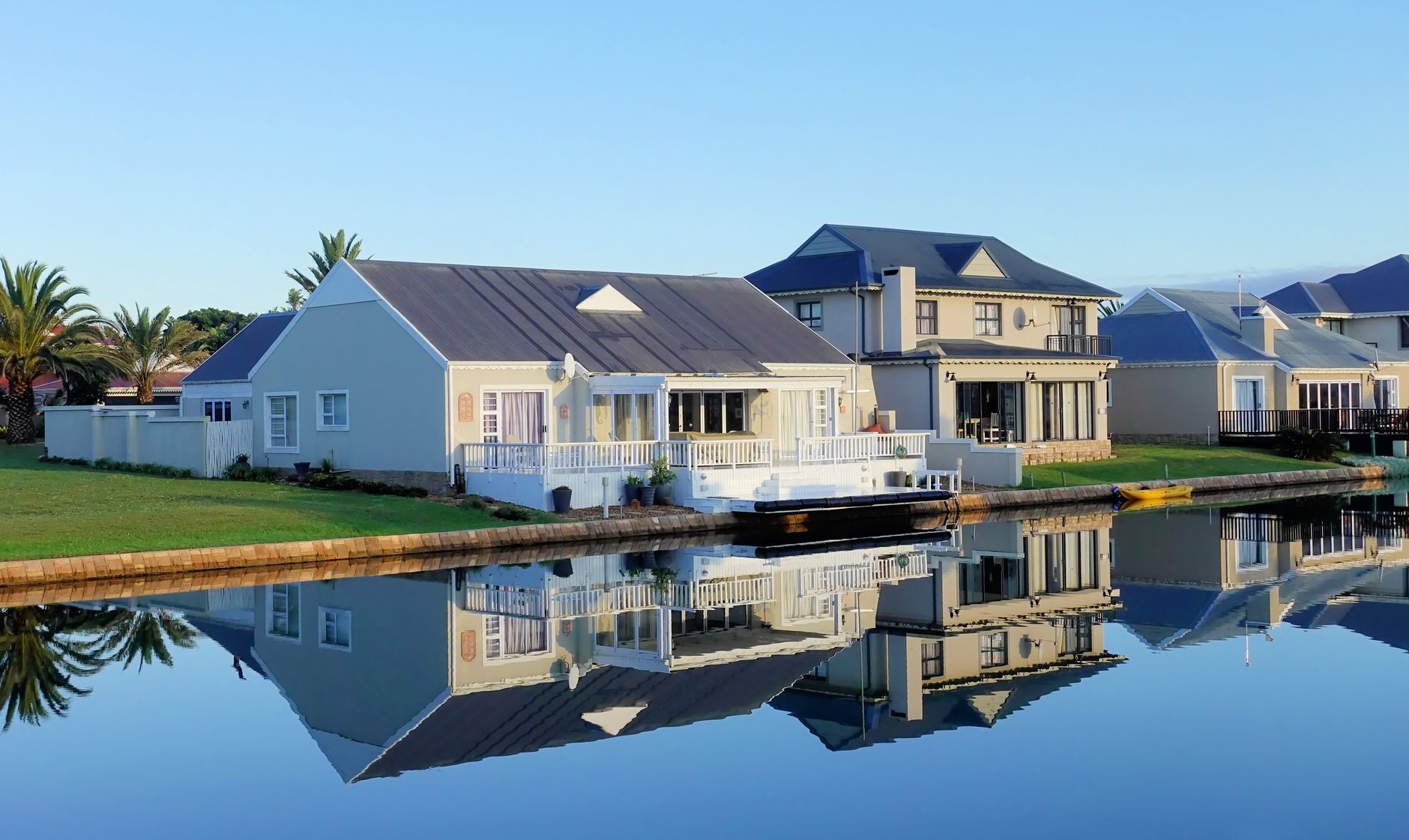
Building your own home in Fresno, California puts you in control of your layout, finishes, and long-term investment — but it also means navigating a cost structure that can surprise even experienced buyers. Fresno sits in a unique position: it’s one of California’s most affordable major cities for construction, yet costs have climbed sharply in recent years as demand, labor rates, and material prices have all moved upward.
Whether you’re planning a modest starter home or a fully custom build, understanding what drives costs in Fresno specifically — not just California broadly — is the first step toward a realistic budget. This guide breaks down every major expense category so you can plan with confidence before you break ground.
Average Cost to Build a House in Fresno, CA
Fresno offers a more accessible entry point for new construction than most California cities, but costs still vary significantly based on home size, finish level, and the builder you hire. The cost to build a house in Fresno, California ranges from $140 to $250 per square foot depending on the grade of construction you choose, not including the cost of sitework or land.
For a typical 2,000-square-foot home, that translates to a construction-only budget of roughly $280,000 to $500,000 before land, permits, and site preparation are factored in. For a 2,500-square-foot home, expect $350,000 to $625,000 in base construction costs. These figures give you a working range, but your actual number will depend on the grade you choose and who you hire.
Key Insight: Fresno construction costs are considerably lower than coastal California cities. A similar home in San Francisco or Los Angeles can cost two to three times as much as a comparable house in inland areas like Sacramento or the Central Valley — where the cost to build a standard home in Los Angeles typically ranges from $400 to $600 per square foot, while the same home in inland areas can be around $250 to $350 per square foot.
Similar to other cities in California, Fresno has a rather high living cost, though it remains cheaper compared to other cities within the state. It is cheaper to own a house in Fresno compared to other cities in the state of California. That relative affordability extends to new construction as well, making Fresno one of the more financially viable places in California to build.
Cost to Build a House Per Square Foot in Fresno, CA
The per-square-foot cost is the most useful starting metric when estimating a new build. In Fresno, that number shifts depending on whether you’re going standard, premium, or luxury — and whether you’re comparing builder-grade or fully custom construction.
| Construction Grade | Cost Per Square Foot | 2,000 Sq Ft Estimate |
|---|---|---|
| Standard Grade | $140 – $170 | $280,000 – $340,000 |
| Premium Grade | $170 – $210 | $340,000 – $420,000 |
| Luxury Grade | $210 – $250 | $420,000 – $500,000 |
| Custom / High-End | $200 – $400+ | $400,000 – $800,000+ |
Home building cost for standard grade construction runs $140 to $170 per square foot; premium grade construction runs $170 to $210 per square foot; and luxury grade construction runs $210 to $250 per square foot. These figures exclude land and sitework costs.
At the upper end, prices in places like Fresno or Bakersfield are lower than coastal metros, with costs ranging from $150 to $400 per square foot. If you’re pursuing a fully custom design with high-end finishes, your costs can push toward or beyond that $400 mark. Generally speaking, a custom-built house can cost you twice as much as a personalized production home.
Pro Tip: If you want to reduce your per-square-foot cost, consider working with a local builder who offers pre-designed plans. Choosing a local builder and selecting from their preset plans offers the simplest route to building a new house — it eliminates the need to hire an architect, saving both time and money, and the builder’s familiarity with previous projects often results in greater cost efficiency.
Cost Breakdown: What You’re Actually Paying For in Fresno, CA
Your total build cost is made up of several distinct categories. Understanding each one helps you identify where flexibility exists and where you should budget conservatively.
Construction costs are generally divided into key components: foundation and site prep, framing and structural work, exterior finishes, interior finishes, mechanical systems, permits and legal fees, and design and contingency costs. Here’s how those categories break down for a Fresno build:
- Foundation: In California, foundations vary from $9,000 to $28,000 depending on the type needed. Concrete slab, crawl space, and basement options each carry different price points.
- Framing: Foundation, lumber, and steel beams for framing will require about $20,000 to $60,000.
- Roofing: In California, the costs of a new roof typically range from $5,868 to $13,212. Premium materials like tile will push toward the higher end.
- Flooring: On average, homeowners pay around $3,407 for floor installation. Wood flooring in Fresno can cost $7.74 to as much as $10.86 per square foot.
- HVAC / Air Conditioning: The installation of an air conditioning unit typically costs between $2,183 and $10,918 in Fresno. On average, homeowners pay around $6,550 for air conditioning installation, while central air conditioning runs $7,203 to $13,615 on average.
- Plumbing: Plumbing can cost between $149 and $5,800 on average, depending on the size of the home, the number of fixtures to be connected, and the size of the pipes.
- Electrical: The cost to wire a full house is, on average, between $602 and $2,591.
- Siding / Exterior Finishes: The cost range for siding installation varies according to the material, ranging from $8,000 up to $26,000. Vinyl siding comes cheaper, while stone or stucco finishes are costlier.
- Cabinets and Countertops: Features like granite countertops and teak wood cabinets in kitchens may cost between $175 and $400 per cabinet.
- Architect / Design Fees: Architects charge either based on a percentage of a residential project — normally 5% to 20% of the total cost — or a fixed hourly fee.
- General Contractor Fee: General contractors typically have a cost-plus fixed fee arrangement, which accounts for the cost of labor and materials plus a negotiated fee — usually 10% to 20% of the final cost of the build.
Important Note: Material market fluctuations — such as lumber, steel, and cement — can suddenly increase costs by 20 to 30%, making careful financial planning essential before starting construction. Always build a contingency buffer into your budget.
Permit and government fees are another major line item in Fresno. Based on housing permits collected, Fresno homeowners on average pay around $4,770 for their home construction permits. Fresno homes also come with an additional development fee that can cost up to more than $30,000. Homeowners also pay a regional transportation mitigation fee of around $1,100 to $1,500, as well as Park Facility Impact Fees of up to $3,923, Traffic Signal Mitigation Impact Fees of $488, and a Fire Impact Fee of up to $779. Local government fees can accumulate to as much as $100,000 added to the cost of building a home in higher-fee scenarios, so get a full accounting from your builder early.
Cost of Land in Fresno, CA
Land is a separate — and often underestimated — line item in your total budget. Fresno’s land costs are considerably lower than coastal California markets, but they still represent a significant portion of your overall investment.
Listings on Redfin cite that the average cost of land in Fresno is about $252,090 with an average cost per square foot of $11.20. Lot sizes in Fresno vary greatly — smaller lot sizes typically run at around 5,000 to 7,700 square feet, while larger parcels of land can be as large as 50,000 square feet up to 97,000 square feet.
The neighborhood you choose within Fresno will have a meaningful impact on your land cost. Established areas in northwest Fresno or near Clovis tend to carry higher price tags, while lots in developing or more rural parts of the city and surrounding county can come in significantly lower. Before you commit to a lot, factor in whether utilities are already connected — before construction begins, your site must be cleared, graded, and prepped, and these site preparation expenses, including soil reports and utility assessments, can add $15,000 to $60,000 to your total construction budget.
Pro Tip: Selecting a lot with existing utility connections and minimal grading needs can reduce site preparation expenses by thousands. Avoid steep hillsides or flood-prone zones unless the design justifies the extra cost.
If you’re also weighing the cost of building a greenhouse or other structures on your property, factor those into your land and site planning from the start — it’s far cheaper to run utilities once than to return to the site later.
Factors That Affect Building Costs in Fresno, CA
No two builds are priced identically. Several variables specific to Fresno and the broader Central Valley construction market will push your final number up or down.
- Home Size and Layout Complexity: Larger homes cost more in absolute terms, but a compact, efficient floor plan can reduce your per-square-foot cost. Efficient floor plans reduce material waste and simplify mechanical systems — a well-designed single-family home with a compact footprint may cost less per square foot than a sprawling layout with lots of hallways or awkward transitions.
- Construction Grade and Finishes: Moving from standard to luxury grade adds $70 to $80 per square foot or more. Choices in countertops, flooring, cabinetry, and roofing material are among the biggest finish-level cost drivers.
- Labor Availability: Labor costs in California are higher than the national average, with skilled workers typically earning $50 to $100 per hour, which significantly impacts total costs. Fresno’s labor rates are lower than coastal cities, but the labor pool can tighten during high-demand periods.
- Material Costs and Tariffs: Builders report drastically higher costs for materials, and they have to pay workers more in California. As one industry leader put it, “Labor costs are going up, materials costs are going up — concrete, lumber, everything that goes into a home is going up.”
- Permit Complexity: The permit process in California can be challenging and time-consuming. In addition to a building permit, the project needs permits for grading, electrical, mechanical, and plumbing.
- Seismic and Energy Code Requirements: California has some of the strictest building codes in the country. Earthquake standards can increase the cost of framing the home — if you’re building an open-concept plan with a wide open space, you may need to add a metal frame to help support the home in a quake, which adds a considerable amount to the cost of the building.
- Lot Conditions: A flat, utility-ready lot is the cheapest to build on. Sloped terrain, poor soil conditions, or the absence of utility hookups all add to your pre-construction costs.
Building vs. Buying a House in Fresno, CA
One of the most important financial decisions you’ll make is whether to build new or purchase an existing home. In Fresno, both paths have real advantages — and the right choice depends heavily on your priorities, timeline, and budget flexibility.
| Factor | Building New | Buying Existing |
|---|---|---|
| Upfront Cost | Higher (construction + land + permits) | Lower (bundled price) |
| Timeline | 12–24 months | 1–2 months to close |
| Customization | Full control over layout and finishes | Limited without renovation |
| Maintenance Costs | Lower initially (everything is new) | Potentially higher (aging systems) |
| Energy Efficiency | Higher (modern codes and materials) | Lower in older homes |
| Permit Process | Extensive and time-consuming | Not required for purchase |
In California, prices vary widely. For example, buying a home in Fresno County costs $264 per square foot — a lower price than the state average for new home builds. That means buying an existing home in Fresno is often cheaper on a per-square-foot basis than building new at the standard grade.
While building a home will almost always come with a higher price tag upfront, there are some long-term savings that new construction homeowners enjoy. New construction homes are up to 30% more efficient than homes built 10 years ago, partially due to stricter energy regulations and better insulation and windows. Over a 10- to 20-year horizon, those energy savings can offset a meaningful portion of the higher initial cost.
Building can take 12 to 24 months or more from design to completion, and the cost of building a new home can be 30% higher than buying an existing one. You need to obtain additional mandatory permits and may encounter unforeseen issues during construction.
If you’re comparing housing costs across California cities, it may also help to review what apartment living costs in nearby markets. For example, you can explore apartment costs in San Francisco or apartment costs in Las Vegas to understand how Fresno’s housing market compares regionally.
Common Mistake: Many first-time builders underestimate the total cost by focusing only on construction costs per square foot and forgetting to add land, permits, site prep, design fees, and contingency. Your all-in budget should include all of these categories before you sign a contract with a builder.
How to Save Money When Building a House in Fresno, CA
Building in Fresno is already more affordable than most of California, but there are still meaningful ways to reduce your total cost without sacrificing quality or livability.
Choose a Simpler Floor Plan
Efficient floor plans reduce material waste and simplify mechanical systems. A well-designed single-family home with a compact footprint may cost less per square foot than a sprawling layout with lots of hallways or awkward transitions. Fewer corners, simpler rooflines, and open layouts all reduce framing complexity and labor hours.
Standardize Where You Can
While custom homes are all about personalization, certain elements like cabinetry sizes, window shapes, and roofing materials can be standardized to reduce material costs and labor time. Save your custom budget for the features that matter most to you and use stock options everywhere else.
Invest in Energy-Efficient Systems
Smart home technology, high-efficiency HVAC systems, and energy-efficient features may increase the initial cost to build but dramatically reduce utility bills and maintenance expenses over time. In Fresno’s hot summers, an efficient HVAC system pays for itself quickly.
Use a Pre-Designed Plan
Working from a builder’s existing plan library avoids custom architect fees and can significantly shorten your permitting timeline. Hiring a great architect to make a customized home will typically cost around 2% to 15% of the total build cost. On a $400,000 build, that’s $8,000 to $60,000 you can potentially save by using a stock plan with minor modifications.
Budget a Contingency Reserve
Always set aside 10 to 15% contingency since unexpected issues such as permit delays, material price increases, or labor shortages can raise the final cost. Treating this as a non-negotiable line item protects your project from going over budget when surprises arise.
Choose the Right Lot
The land you buy directly affects your site prep costs. A flat, utility-connected lot in an established neighborhood will cost less to develop than a raw parcel that requires grading, well drilling, or septic installation. Get a soil report and utility assessment before you purchase.
Work With a Coordinated Team
A coordinated design and engineering team helps you avoid costly delays, change orders, and permit issues. Miscommunication between your architect, engineer, and builder is one of the most common sources of budget overruns on residential projects.
If you’re exploring housing options beyond Fresno, it’s worth comparing costs in other California and western markets. You can review apartment costs in Phoenix or apartment costs in Seattle to see how Fresno stacks up for overall housing affordability. For those considering rental markets closer to Fresno, the Idaho apartment market offers another point of comparison for Central Valley residents weighing relocation.
Building a house in Fresno, CA is one of the more attainable paths to new construction in California — but it still requires careful planning, realistic budgeting, and the right team. Get multiple contractor bids, lock in your land costs early, and treat your contingency fund as essential rather than optional. With the right preparation, you can build a home that fits both your lifestyle and your long-term financial goals.