Can You Freeze Basil? How to Do It Right and Keep the Flavor

November 9, 2026
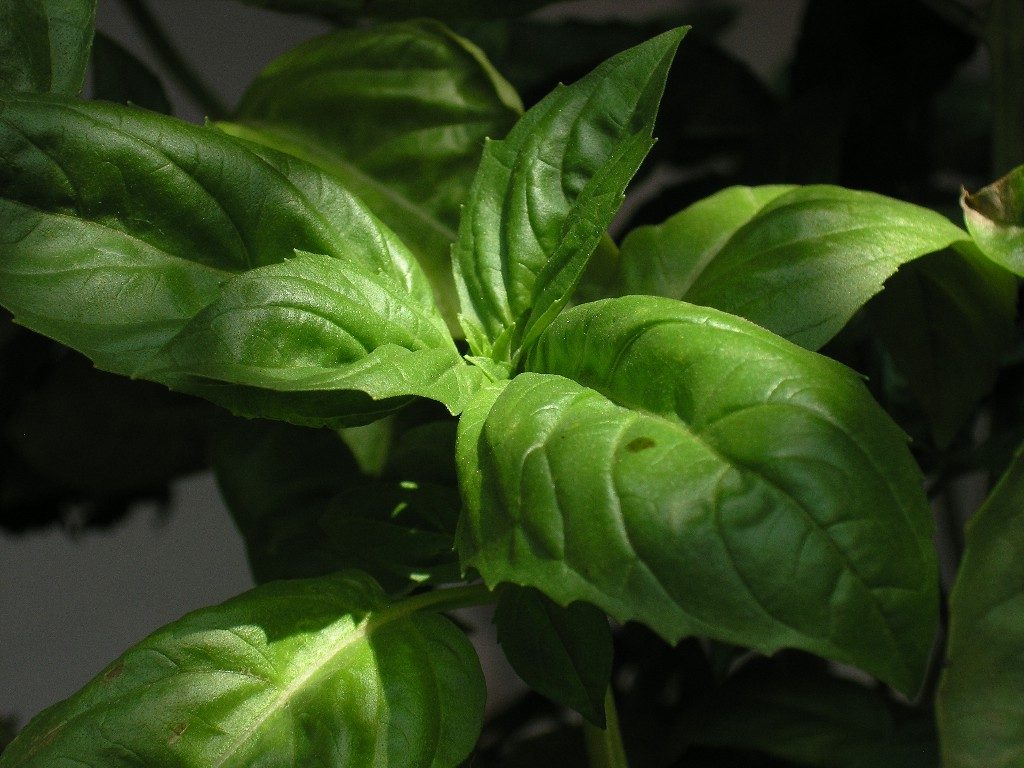
Fresh basil is one of those herbs that always seems to run out right when you need it — or pile up faster than you can use it. If you grow it in a backyard garden or buy a big bunch from the farmers market, you’ve probably wondered whether the freezer can save the day.
The good news: yes, you can absolutely freeze basil. Freezing fresh basil preserves its flavor for several months, and while it may alter the texture — making it softer after thawing — it remains ideal for cooked dishes like soups, sauces, and stews. With the right method, you can pull out summer-fresh basil flavor well into the colder months.
This guide walks you through everything you need to know — from choosing the best freezing method to spotting when frozen basil has gone bad.
Can You Freeze Basil?
Yes, freezing is one of the most practical ways to extend the life of fresh basil. It is one of the most effective ways to extend the shelf life of fresh basil, especially when harvested in abundance during summer. Unlike drying, which diminishes volatile oils, freezing helps retain much of the herb’s aromatic compounds and vibrant green color — critical for culinary performance.
Basil is highly perishable due to its high moisture content and volatile essential oils — compounds responsible for its scent and taste. Exposure to cold temperatures below 41°F triggers chilling injury, causing cell walls to break down. This is why a bunch of basil wilts and blackens in the fridge so quickly. The freezer, however, works differently: freezing actually bypasses the chilling phase by rapidly lowering the temperature past the danger zone. When done properly, it halts enzymatic activity and microbial growth, preserving both structure and flavor far better than prolonged fridge storage.
One important note on food safety: food safety problems can happen if basil is kept in oil at room temperature. Oil-based mixtures should always be frozen. Never keep basil in oil on the counter — store oil-coated basil or pesto cubes in the freezer only.
Pro Tip: If you are harvesting from your own garden, harvest basil just before it begins to flower — this is when its essential oil concentration peaks, ensuring maximum flavor retention after freezing.
Does Freezing Change the Texture or Taste of Basil?
While frozen basil maintains excellent flavor, physical changes occur due to cell wall breakdown from ice crystals. Thawed leaves become limp and darkened, unsuitable for garnishes but still flavorful in cooked applications. This is a predictable trade-off, not a sign that anything went wrong.
The flavor story is more encouraging. The flavor of frozen basil is very close to fresh, though freezing does change its texture — it is best used in cooking rather than raw. If frozen using one of the recommended methods, thawed basil will maintain a very similar flavor to fresh basil.
The freezing method you choose makes a real difference in how much color and aroma you retain. Freezing basil without oil can reduce its volatile organic compounds — the compounds responsible for basil’s flavor and aroma. Olive oil acts as a fatty insulating layer, helping the basil retain its vibrant green color and fresh taste. Blanching is another option that helps with color: briefly blanching basil before freezing can deactivate enzymes responsible for browning, helping preserve color and texture.
| Freezing Method | Texture After Thaw | Color Retention | Best Use |
|---|---|---|---|
| Whole leaves (dry) | Limp, may brown | Fair | Soups, sauces |
| Blanched whole leaves | Limp but greener | Good | Sauces, pesto |
| Oil-packed cubes | Soft, well-preserved | Very good | Sautéed dishes, pasta, soups |
| Pesto cubes | Smooth, ready-to-use | Excellent | Pasta, sandwiches, dips |
How to Freeze Basil the Right Way
There are three main methods worth using at home. Each one suits a different cooking style, and all three are straightforward enough to do on a weeknight. The key across all of them is starting with completely dry leaves — proper drying is essential, because too much water can lead to freezer burn.
Method 1: Oil-Packed Ice Cube Trays (Most Recommended)
This is the method most home cooks land on after trying a few others. Olive oil acts as a fatty insulating layer, helping the basil retain its vibrant green color and fresh taste. It also prevents freezer burn and makes your basil ready to drop straight into a warm pan or sauce.
- Wash and thoroughly dry the basil leaves. Use a salad spinner or pat them dry with paper towels.
- Roughly chop or gently tear the leaves — avoid over-working them, which speeds up browning.
- Place basil gently into silicone ice cube trays and cover with olive oil until leaves are fully submerged.
- Freeze for at least 6 hours or overnight. Once the cubes are firm, pop them out of the trays and into an airtight container or vacuum-sealed bag.
- Label the bag with the date and return to the freezer.
Method 2: Blanched Whole Leaves
The blanching process kills off the microorganisms that cause decomposition. It is the best way to ensure leaves from your garden retain both their nice green color and flavor after being frozen. Here’s how to do it:
- Fill a large bowl with ice water. Bring a large pot of water to a boil. Dip your basil stems into the boiling water for a few seconds — your goal is not to cook the leaves, just to wilt them. Dunk the stems in the ice water immediately after to stop the cooking process.
- Pat the blanched leaves completely dry.
- Remove leaves from stems and lay them flat on a parchment-lined baking sheet. Place the tray in the freezer for 1–2 hours until leaves are solid. Transfer frozen leaves to an airtight container or vacuum-sealed bag. Flash-freezing first prevents clumping and allows for easy portioning later.
Method 3: Pesto Cubes
Pesto freezes really well thanks to the olive oil inside. If you have a couple of basil plants, you can easily make enough pesto to last all winter long. Simply make your favorite pesto recipe, spread it into an ice cube tray or a nonstick muffin pan for larger servings, stick the tray in the freezer, then once the pesto cubes are frozen, pop them out and store them in a freezer-safe bag or container.
Pro Tip: Add a squeeze of lemon juice to a basil puree before freezing to help preserve the green color — citric acid inhibits oxidation.
Basil is just one of many whole plant-based foods worth preserving at home to keep your meals nutritious and flavorful year-round.
How Long Can You Freeze Basil?
Generally, frozen basil can last for 6 to 12 months when stored properly. However, its quality and flavor may degrade over time, especially if it is not stored at a consistent freezer temperature. The packaging method matters just as much as the freezer temperature.
Properly frozen basil maintains good quality for 6 to 8 months. Beyond that, it remains safe to eat but may develop off-flavors, increased bitterness, or noticeable texture changes due to slow oxidation and freezer burn. The longevity depends heavily on packaging.
For oil-packed cubes specifically, for best flavor, use basil-oil cubes within 3–6 months, though they can remain usable up to 9 months with proper storage. The freezer time shown is for best quality only — basil that has been kept constantly frozen at 0°F will keep safe indefinitely.
| Storage Method | Best Quality Window | Safe to Eat (If Kept Frozen) |
|---|---|---|
| Whole leaves (dry-frozen) | Up to 3 months | Indefinitely |
| Blanched whole leaves | 3–6 months | Indefinitely |
| Oil-packed cubes | 6–9 months | Indefinitely |
| Frozen pesto cubes | 3–6 months | Indefinitely |
Label and date the frozen basil to ensure that the oldest batches are used first. Proper storage at 0°F (-18°C) or below is essential to maintain the quality of frozen basil.
How to Thaw Frozen Basil
How you thaw basil depends on what you plan to cook. In many cases, you don’t need to thaw it at all.
For oil-packed cubes or pesto cubes, you can toss a frozen basil cube right into a pot of cooking sauces, soups, or stews and let it melt into the recipe. Adding directly to hot pans or liquids lets the heat extract flavor efficiently. This is the fastest and most flavor-preserving approach.
If you do need to thaw basil before using it, thaw your frozen basil overnight in the fridge, or let it sit on the counter for 15 minutes before using. Never thaw and squeeze — this removes valuable oils and results in flavor loss.
One thing to keep in mind: the effects of freezing on the structure of basil leaves do shorten the shelf life when it is thawed. While blanching the leaves helps frozen basil last longer, the fact that ice crystals have damaged the cell walls means it will be vulnerable to damage from bacteria and oxidation. Use thawed basil within a day or two and don’t let it sit out.
Important Note: Due to texture changes, frozen-thawed basil is not suitable for salads or garnishes. Save your fresh basil for those uses and reach for the frozen supply when cooking with heat.
Can You Refreeze Basil After Thawing?
No — refreezing basil after it has thawed is not recommended. Do not refreeze once thawed. Never refreeze thawed basil cubes. Each freeze-thaw cycle further breaks down the cell walls, which accelerates texture loss, browning, and flavor degradation.
The practical solution is to freeze basil in small, single-use portions from the start. Take only what you need to prevent flavor loss. Ice cube trays are ideal for this — each cube gives you a ready-to-use portion without having to thaw the whole batch.
If you froze basil as whole leaves on a baking sheet before transferring to a bag, you can remove individual leaves directly from the freezer without thawing the rest. Freezing on the baking sheet allows them to freeze separately so that you can remove individual leaves when you need them without having to thaw all of them out.
How to Use Frozen Basil (Best Uses After Freezing)
Frozen basil works best anywhere heat is involved. Thawed basil works in any dish that requires it primarily for its flavor. It works just as well as fresh basil in pasta sauces, soups, and for making pesto.
Here are the best ways to put frozen basil to work in your kitchen:
- Pasta sauces and marinara: Drop an oil cube or two directly into a simmering tomato sauce. The basil flavor blooms as the oil melts.
- Soups and stews: For tomato-based dishes, you can substitute the oil for tomato sauce if you want frozen basil in spaghetti sauce or as a pizza topping. For soups and stews, you can substitute your favorite kinds of broth, such as chicken, beef, or vegetable.
- Sautéed vegetables: Use basil cubes to add flavor to sautéed vegetables, boiled potatoes, or thaw on a plate, add a little salt, pepper, and parmesan, and use it as a dip for crusty bread.
- Vinaigrettes and dressings: While the texture and color change from being thawed and frozen will make it unsuitable as a salad green, it will still work well in a vinaigrette.
- Pesto (from frozen leaves): Blanched frozen leaves blend smoothly into pesto. You can use frozen basil exactly as you would fresh leaves — the leaves will shrink as they freeze, so cup for cup, plan to use slightly less than if you were cooking with fresh basil.
- Pizza: Stir a basil oil cube into your pizza sauce or drizzle thawed pesto over a finished pie.
Beyond flavor, basil also brings nutritional value to your cooking. Freezing basil in olive oil not only locks in its aroma — it preserves the plant’s polyphenols and antioxidants, both of which support gut and metabolic health. If you enjoy cooking with herbs for their health benefits, you might also find value in reading about superfoods for a healthy heart and powerful nutrients and foods that fight cancer.
Signs That Frozen Basil Has Gone Bad
Frozen basil kept at a constant 0°F is technically safe indefinitely, but quality does decline. Knowing what to look for helps you avoid using basil that has lost its value — or worse, gone genuinely bad.
Your basil has gone bad if it has an off-putting odor, or its leaves have discolored and become slimy or fuzzy with mold. These signs apply to both fresh and frozen basil that has been thawed.
For basil still in the freezer, watch for these warning signs:
- Heavy freezer burn: White or grayish patches on the surface of leaves or cubes indicate significant moisture loss. The basil is safe but will taste flat and papery.
- Off smell: Beyond 6 to 8 months, frozen basil may develop off-flavors, increased bitterness, or noticeable texture changes due to slow oxidation and freezer burn. If it smells musty or stale when you open the bag, it’s past its prime.
- Dark, slimy texture after thawing: Some darkening is normal, but if thawed basil turns completely brown and slimy rather than just soft, discard it.
- Mold on oil cubes: Discard any cubes or oil mixtures that smell off or look dark.
Exposure to oxygen, moisture, and light can cause the formation of off-flavors and aromas. Keeping your bags tightly sealed and stored toward the back of the freezer (away from the door) goes a long way toward preventing early spoilage.
Fresh herbs like basil are a great complement to a health-conscious diet. For more ideas on foods that support your body, check out this guide on foods that can help enhance your liver function and foods that promote healthy skin.
Frequently Asked Questions
Can You Freeze Fresh Basil Leaves Without Blanching?
Yes. Blanching is optional for herbs like basil. Most experts recommend skipping it unless long-term color preservation is critical. If you don’t mind your basil turning a little brown, you can skip the blanching steps and move straight from cleaning to drying the leaves and laying them out on the baking sheet. Unblanched basil won’t look as good once frozen, but it still tastes great.
Is It Better to Freeze Basil in Oil or Water?
Freezing basil in water can damage cell walls, leading to mushy texture and diminished flavor due to ice crystal formation. Olive oil keeps the basil’s natural oils fresh and makes it easy to use later. Oil is the better choice whenever possible.
Can You Freeze Store-Bought Basil?
Yes. If you are using store-bought basil, try to freeze it as soon as possible to preserve its quality. The same methods apply — wash, dry thoroughly, then freeze using your preferred method.
Can You Freeze Basil Stems?
The stems can take up extra space and aren’t as versatile as the leaves. It’s better to freeze them separately if you want to use them for flavoring broths or stocks.
Does Frozen Basil Work in Caprese Salad?
No. Due to texture changes, frozen-thawed basil is not suitable for salads or garnishes. For a Caprese salad or any dish where you want whole, perky leaves, you need fresh basil. Save your frozen supply for cooked applications.
How Do You Know When Frozen Basil Is Still Good?
Give the bag or container a sniff when you open it. Fresh-frozen basil should still carry a recognizable herbal, slightly sweet aroma. When you freeze fresh basil, the smell stays strong even after months of being stored. If the smell is flat, stale, or off, the flavor in your dish will be too — it’s worth starting a fresh batch.
Preserving ingredients well is one of the most practical kitchen skills you can build. If you enjoy getting the most out of your food, you may also like exploring fibroid-healing foods or learning about foods that promote healthy eyesight — both are worth adding to your regular rotation alongside a well-stocked herb supply.