Can You Freeze Italian Sausage? Everything You Need to Know

November 8, 2026
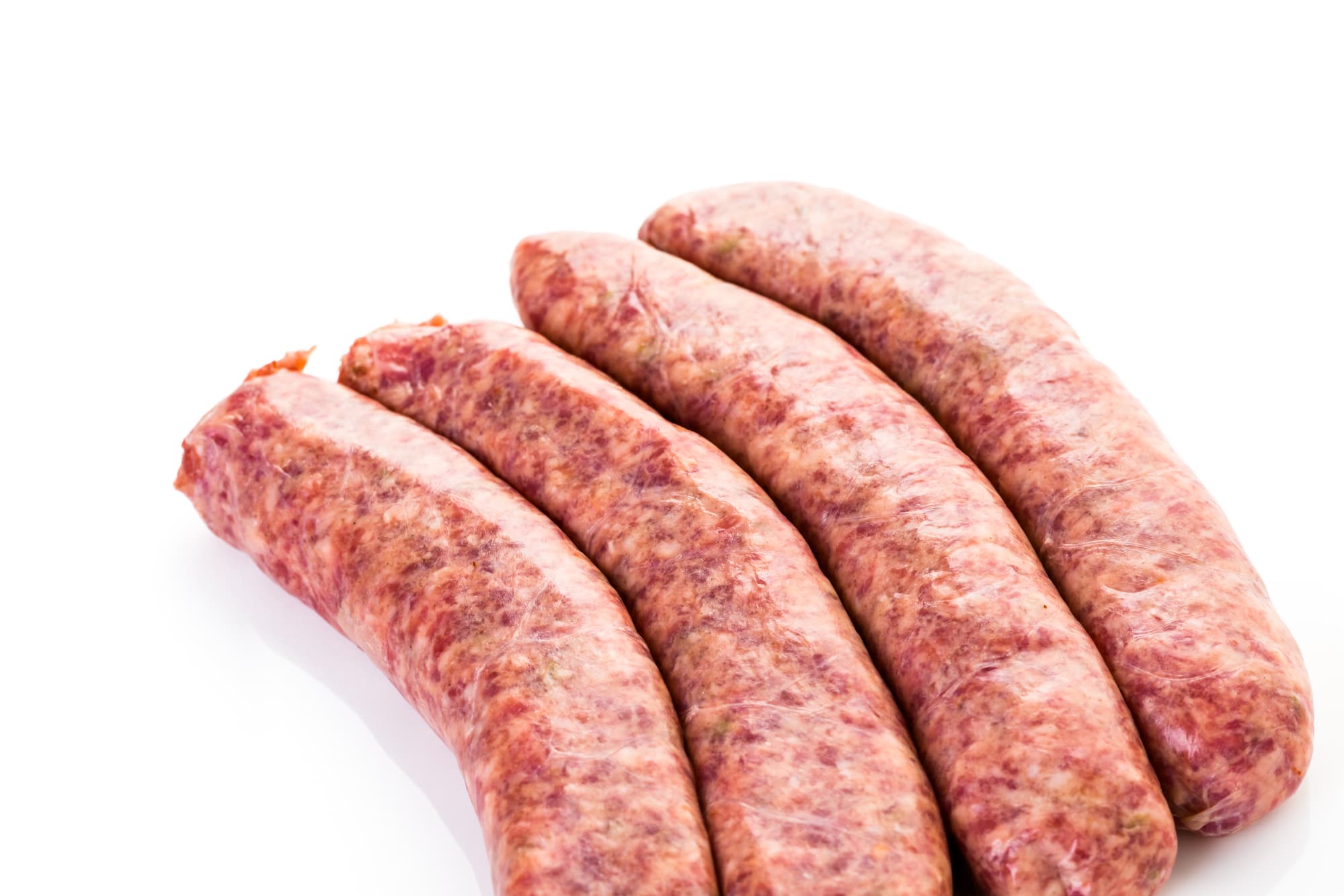
Buying Italian sausage in bulk is one of the easiest ways to save money at the grocery store — but only if you know how to store it properly. Whether you picked up a few extra links on sale or cooked a big batch for Sunday dinner, the freezer is your best friend for stretching that purchase.
The good news: the answer is a resounding yes — freezing Italian sausage is an effective method to extend its shelf life while preserving its savory taste. This guide walks you through everything from the right way to wrap and freeze it, to how long it lasts, how to thaw it safely, and the best dishes to make once it comes out of the freezer.
Can You Freeze Italian Sausage?
Yes, you can freeze Italian sausage — both raw and cooked. The USDA recommends freezing sausage if you can’t use it within the times recommended for refrigerator storage. Once frozen, it doesn’t matter if the date expires because foods kept frozen continuously are safe indefinitely.
According to the USDA Food Safety and Inspection Service, Italian sausage products contain at least 85% meat with total fat content no more than 35% of the finished product. They contain salt, pepper, fennel and/or anise, and no more than 3% water, with optional ingredients like paprika, red or green peppers, onions, garlic, and parsley. That high meat content and seasoning profile freeze exceptionally well.
Purchasing Italian sausage in bulk and freezing it can save money over buying smaller quantities fresh. Not all Italian sausage varieties are created equal when it comes to freezing — fresh (uncooked) Italian sausage can be frozen for up to 3 months, precooked Italian sausage for up to 2 months, and ground Italian sausage for up to 3 months.
Pro Tip: Freeze Italian sausage before the refrigerator storage window closes — ideally within 1 to 2 days of purchase for raw sausage. The fresher it goes in, the better it comes out.
Does Freezing Change the Texture or Taste of Italian Sausage?
Freezing does cause some changes, but the impact is minimal when you use proper technique. One of the most significant changes during freezing is the alteration of texture. When sausages are frozen, the water content inside them forms ice crystals that can rupture the meat fibers and fat cells, disrupting the integrity of the sausage. This may result in a slightly softer or more crumbly texture once thawed and cooked.
If the sausage contains high fat content, this can cause the fat to become grainy or greasy after freezing. This is more noticeable with longer storage times, which is why sticking to the recommended windows matters.
Freezing Italian sausage is a highly effective way to preserve it for longer periods, maintaining its safety and nutritional value. While there may be some changes in texture and flavor after freezing, particularly if stored for long periods, these can often be mitigated by proper packaging and handling.
Freezer burn — characterized by dehydrated, grayish-brown spots on the sausage’s surface — occurs when moisture evaporates from the food and recrystallizes on the surface. While freezer-burned sausage is still safe to eat, the texture and flavor will be significantly compromised. The solution is airtight packaging, which is covered in the next section.
How to Freeze Italian Sausage the Right Way
The biggest enemy of frozen sausage is air exposure. Air exposure is the enemy of frozen food — vacuum-sealed sausage will last longer than sausage stored in loosely wrapped freezer bags. The better the packaging, the slower the onset of freezer burn and flavor loss.
Follow these steps for the best results, whether you’re freezing raw links, bulk ground sausage, or cooked sausage.
Freezing Raw Italian Sausage Links
- Separate the links. Remove the sausage from its packaging and separate the links so they don’t freeze into a clump.
- Flash freeze first (optional but recommended). Flash freezing works best for sausage preservation — arrange wrapped sausages on a baking sheet and freeze for 2 to 3 hours. After freezing, transfer sausages to a freezer bag. This method prevents clumping and allows easy portion control.
- Wrap tightly. Overwrap the original store packaging with airtight heavy-duty aluminum foil, plastic wrap, or freezer paper, or place the package inside a heavy-duty freezer bag to prevent freezer burn.
- Vacuum seal if possible. Vacuum seal the sausage links individually or in small portions — this prevents freezer burn and preserves freshness.
- Label and date. Label the frozen sausage with the date it was frozen for easy reference.
- Freeze at 0°F or below. Transfer the sealed sausage to the freezer and freeze at 0°F or below.
Freezing Cooked Italian Sausage
By cooking the sausage first, it will keep much longer in the freezer. To freeze ground Italian sausage, brown it first in a skillet, drain it to remove the extra grease, then measure out 1 or 2 cup portions into medium-sized resealable freezer bags.
Allow the Italian sausage to cool completely before packaging — any heat left in the container will cause condensation to build up, which may affect the taste of your frozen meal. Use clean utensils when handling the food and cover the sausage loosely until it reaches room temperature.
Pro Tip: Freeze cooked Italian sausage in meal-sized portions — think enough for one pasta dish or one pot of soup. You’ll thaw only what you need and avoid waste.
How Long Can You Freeze Italian Sausage?
Storage time depends on whether the sausage is raw or cooked, and how well it’s packaged. Here’s a quick reference:
| Type of Italian Sausage | Best Quality (Freezer) | Safe Indefinitely If Kept at 0°F? |
|---|---|---|
| Raw links or ground (uncooked) | 1–3 months | Yes |
| Cooked Italian sausage | 2–4 months | Yes |
| Vacuum-sealed raw sausage | Up to 3 months | Yes |
| Cooked in sauce or casserole | 2–3 months | Yes |
Properly stored raw Italian sausages will maintain best quality for about 1 to 2 months but will remain safe beyond that time. The freezer time shown is for best quality only — Italian sausages kept constantly frozen at 0°F will keep safe indefinitely.
The general guideline for frozen Italian sausage is that it can be stored for up to 6 months without a significant loss in quality. However, it may still be safe to consume beyond that timeframe as long as it was frozen promptly after purchase and kept at a consistent temperature of 0°F or lower. While freezing can preserve the safety and freshness of Italian sausage, the quality will start to decline after 6 months.
For cooked sausage, cooked Italian sausages will usually stay good for 3 to 4 days in the fridge and 4 months in the freezer. To get the most flavor, plan to use frozen cooked sausage within 2 to 3 months. You can also check out our guide on how many calories are in Italian sausage if you’re tracking your nutrition alongside your meal prep.
How to Thaw Frozen Italian Sausage
How you thaw Italian sausage matters just as much as how you freeze it. Improper defrosting can compromise the safety of Italian sausage. Never thaw Italian sausage at room temperature, as this can create a breeding ground for bacteria. Always thaw in the refrigerator or using the cold water method.
You have three safe options:
- Refrigerator (best method): Allow the sausage to thaw slowly in the refrigerator for 12 to 24 hours. This is the safest and most hands-off approach. Italian sausages defrosted in the fridge can be kept for an additional 1 to 2 days in the refrigerator before cooking.
- Cold water (faster method): Submerge the frozen sausage in a bowl of cold water, changing the water every 30 minutes until thawed. Keep the sausage in its sealed packaging during this process.
- Microwave (quickest method): Use the defrost setting on your microwave, checking the sausage frequently to prevent overcooking. Cook immediately after using this method — do not refrigerate microwave-thawed sausage.
Pro Tip: If you’re planning a weeknight dinner, move the sausage from the freezer to the refrigerator the night before. It will be perfectly thawed and ready to cook with zero effort the next evening.
Can You Refreeze Italian Sausage After Thawing?
Technically yes, but with important caveats. When Italian sausage is thawed, bacteria can begin to grow, and although freezing halts this process, it doesn’t kill the bacteria. If the sausage is refrozen after being left at room temperature or improperly thawed, there is a risk of bacterial contamination that can lead to foodborne illnesses. Ideally, the sausage should only be thawed once, then used immediately, or cooked before being frozen again.
Refreezing should be done within a short window. If the sausage has been left out at room temperature for more than 2 hours, or if it has been thawed in the refrigerator for more than 3 to 4 days, it should not be refrozen, as the risk of bacterial growth becomes too high. The rule of thumb is that the sausage should be refrozen within 1 to 2 days of thawing if it was kept in the fridge.
The smarter move is to cook the thawed sausage first, then freeze the cooked portions. By following key tips — such as thawing sausage in the refrigerator, cooking it before refreezing, and sealing it well — you can ensure that the sausage remains safe to eat and retains as much of its flavor and texture as possible.
How to Use Frozen Italian Sausage (Best Uses After Freezing)
Once thawed, Italian sausage performs just as well as fresh in most cooked dishes. The slight texture change from freezing is virtually undetectable when the sausage is browned in a skillet, simmered in a sauce, or baked into a casserole. Here are the best ways to put it to work:
- Pasta sauce: Italian sausage pasta sauce freezes beautifully — once cooled, transfer it to freezer-safe containers or bags, leaving a little space for expansion. It will keep well for up to three months. Thaw, reheat, and add freshly boiled pasta before serving.
- Soups and stews: A hearty Italian sausage soup made in just one pot makes for super easy prep and even easier cleanup. Thawed ground or sliced sausage browns quickly and adds deep flavor to broth-based soups.
- Casseroles: Use the cooked sausages in casseroles, stews, or even on homemade pizza for added flavor. Assembling a casserole with pre-frozen sausage is one of the easiest weeknight dinner shortcuts.
- Sandwiches and subs: Thaw links and grill or pan-fry them for Italian sausage sandwiches. Pair with sautéed peppers and onions for a classic American combination. See our guide on what to serve with Italian sausage sandwiches for side dish ideas.
- Pizza topping: Crumble thawed raw sausage directly onto pizza dough before baking — no pre-cooking required.
- Breakfast scrambles: Thawed bulk ground Italian sausage browns fast in a skillet and pairs well with eggs, peppers, and potatoes for a hearty morning meal.
For more meal inspiration, check out our roundup of what to serve with Italian sausage and what to serve with Italian sausage and peppers. If you’re exploring Italian food traditions more broadly, our guide to Italian foods is a great place to start.
Key Insight: Dishes with sauce, broth, or moisture — like soups, pasta sauces, and casseroles — are the best applications for previously frozen sausage. The liquid masks any minor texture changes and the bold fennel-and-spice flavor of Italian sausage comes through just as strongly.
Signs That Frozen Italian Sausage Has Gone Bad
Even in the freezer, Italian sausage can deteriorate in quality over time. Before cooking, always do a quick inspection after thawing. Here are the warning signs to watch for:
- Off smell: Discard any frozen Italian sausage that has an off odor, slimy texture, or discoloration. A sour or rancid smell after thawing is a clear sign something is wrong.
- Slimy or sticky texture: A slimy or sticky surface indicates bacterial growth. This is not the same as the normal moisture that appears as sausage thaws.
- Discoloration: Graying or greenish hues on the sausage are signs of spoilage. A slight color change is normal and doesn’t necessarily indicate spoilage — it’s the dramatic gray or green tones you need to watch for.
- Mold: The presence of mold on the surface of the sausage is a clear indication of spoilage. Mold can appear as green, white, or black spots. If you notice any mold growth, discard the sausage immediately.
- Excessive ice crystals or freezer burn: Inspect the surface of the sausage for the presence of large ice crystals or freezer burn. While small ice crystals are normal, excessive ice formation can indicate poor packaging or prolonged storage, potentially affecting the quality of the sausage.
- Unpleasant taste: If the Italian sausage tastes strange, bitter, or unpleasant, it is likely spoiled. When in doubt, throw it out.
If you’re also curious about how certain processed meats fit into a balanced diet, our articles on superfoods for a healthy heart and cancer-causing foods to avoid offer useful context for making informed food choices.
Frequently Asked Questions
Can You Freeze Italian Sausage in Its Original Packaging?
You can, but it’s not ideal for long-term storage. To maximize shelf life, overwrap the original store packaging with airtight heavy-duty aluminum foil, plastic wrap, or freezer paper, or place the package inside a heavy-duty freezer bag to prevent freezer burn. The original packaging alone is not designed for extended freezer storage.
Can You Freeze Cooked Italian Sausage in Its Casing?
Yes, you can freeze cooked Italian sausage in its casing — simply remove it from the casing before using it. Just make sure you’ve removed as much air as possible before sealing the package.
How Long Does Thawed Italian Sausage Last in the Fridge?
Italian sausages defrosted in the fridge can be kept for an additional 1 to 2 days in the refrigerator before cooking. Plan to use them within that window or cook them and refreeze the cooked portions.
Can You Cook Italian Sausage Directly from Frozen?
Yes — especially in an air fryer. You can cook frozen sausages directly in the air fryer without thawing them. This eliminates the need for thawing and reduces overall cooking time. When cooking from frozen on the stovetop or in the oven, add extra time and always verify the internal temperature reaches 160°F for pork sausage, per USDA FSIS guidelines .
Can You Freeze Italian Sausage Pasta Sauce?
Absolutely. Pasta sauce that contains Italian sausage can be frozen fairly easily — allow it to cool before portioning it out into individual containers and freezing for up to 3 months. This is one of the best meal-prep strategies for busy households.
Does Freezing Affect the Spice Level of Italian Sausage?
While there may be some changes in texture and flavor after freezing, particularly if stored for long periods, these can often be mitigated by proper packaging and handling. The fennel, anise, and chili notes that define Italian sausage hold up well in the freezer, especially when stored for under three months. You can also explore Italian Christmas food traditions for more ways to cook with Italian sausage throughout the year.