Can You Freeze Yogurt? What to Expect and How to Do It Right

November 9, 2026
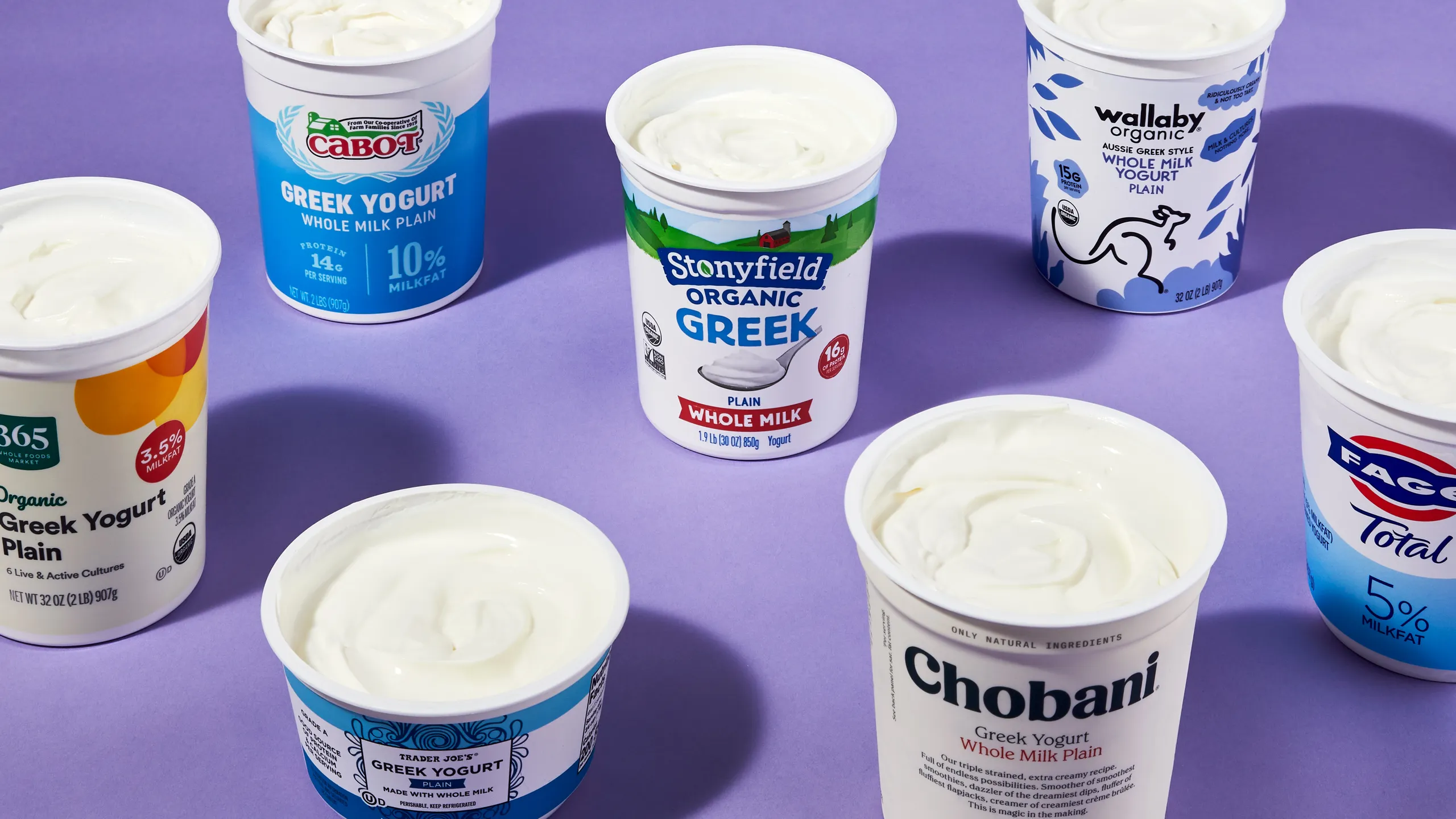
Yogurt is one of those refrigerator staples that always seems to pile up faster than you can eat it. You stock up during a sale, buy a large tub for a recipe, and suddenly the expiration date is closing in. The good news is that freezing yogurt is completely safe and a smart way to cut down on food waste.
That said, there are a few things worth knowing before you toss a tub in the freezer. Freezing can change the texture and flavor of yogurt, and whether that matters depends entirely on how you plan to use it. This guide walks you through everything — from how freezing affects your yogurt to the best methods, thawing steps, and smart ways to put it to use afterward.
Can You Freeze Yogurt?
Can you freeze yogurt? Absolutely. Freezing your yogurt can help keep it from spoiling or create a cold, healthy treat. Whether you have plain, Greek, flavored, or single-serve cups, the freezer is a legitimate option for extending shelf life.
The U.S. Food and Drug Administration (FDA) requires that any yogurt includes milk and at least two specific strains of bacteria — Lactobacillus bulgaricus and Streptococcus thermophilus. The health-boosting live and active bacteria found in yogurt survive freezing. So you are not sacrificing the probiotic benefits by putting your yogurt in the freezer.
You can freeze all types of yogurt — Greek yogurt, plain yogurt, fat-free yogurt, organic yogurt, yogurt cups, squeeze tubes, even plain or flavored or swirled with fruit. The main consideration is what happens to the texture, which we cover in the next section.
Pro Tip: Freeze yogurt before its expiration date for the best results. Freezing pauses quality — it does not reverse it — so starting with fresh yogurt gives you the best outcome after thawing.
Does Freezing Change the Texture or Taste of Yogurt?
Yes, and it is worth setting the right expectations. Freezing collapses the protein networks in yogurt. The process releases water that, when frozen, separates from the milk solids. When you thaw it, the result is noticeably different from what came out of the original container.
When yogurt freezes, the liquid whey separates from the curd. After thawing you will often see a pool of thin liquid on top and a curdled, grainy texture underneath. This is completely normal and not a sign of spoilage. Yogurt may also taste a bit more tart after it has been frozen.
Greek yogurt tends to freeze better than regular yogurt because it is thicker and contains less liquid. If you are planning to eat yogurt straight out of the container after freezing it, yogurts with added stabilizers will freeze best. Look for ingredients like pectin, xanthan gum, and gelatin, which prevent yogurt from separating in the freezing process.
This transformation is purely textural. Freezing does not touch the safety or nutritional profile of the yogurt. You will still get all that great protein and those probiotic benefits. For cooking, baking, and smoothies, the texture change is essentially a non-issue.
How to Freeze Yogurt the Right Way
The best freezing method depends on how you plan to use the yogurt later. Here are four practical approaches, each suited to a different situation.
Method 1: Freeze in the Original Container
You can freeze yogurt directly in the container you purchased from the store, or in an airtight container if you purchased a big tub and want to divide it up. Because yogurt is partially liquid, it will expand slightly when you freeze it. Leave 1 to 2 inches of space at the top to prevent the container from bursting.
If you are using the original yogurt container, cover it with a layer of plastic wrap before sealing the lid to add extra protection against the cold air. Write the freeze date on the container with a marker so you always know how long it has been in there.
Method 2: Freeze in an Ice Cube Tray
If you are planning to use your frozen yogurt in smoothies or pre-made smoothie packs, freeze it in an ice cube tray. After the cubes are solid, they can be enjoyed as-is or added to a smoothie. Simply add a few cubes to the blender with the rest of your ingredients.
Freeze yogurt in ice cube trays to quickly add to smoothies or smoothie bowls — you can even freeze berries or spinach in the yogurt cubes for an added boost. Once frozen solid, transfer the cubes to a labeled zip-top freezer bag for longer storage.
Method 3: Freeze in Scoops on a Baking Sheet
Line a baking sheet with parchment paper. Then, using an ice cream scoop, portion the yogurt onto the parchment paper, leaving an inch or two between each scoop. Freeze for 6 to 8 hours, then remove the frozen scoops to a freezer container or resealable bag for longer storage.
This method works best for thicker Greek yogurt. Thinner plain yogurt may not hold its shape and might spread all over the tray. Pre-portioning this way makes it easy to grab exactly what you need for a recipe without thawing a full container.
Method 4: Freeze as Yogurt Bark
Spread yogurt in a thin, even layer on a parchment-lined baking sheet. Top with your favorite fruit, granola, nuts, or a drizzle of honey. Freeze until solid, then break into pieces and store in a freezer bag. For a treat, spreading it as bark with fruit and honey gives you a much creamier result than simply freezing a solid block. This method is especially popular as a quick snack or healthy dessert option.
Pro Tip: Before freezing, give your yogurt a thorough stir. Whisking the yogurt vigorously helps tighten up its protein structure, creating a more stable emulsion that is less likely to separate into a watery mess when it thaws.
How Long Can You Freeze Yogurt?
You can store yogurt safely in the refrigerator in a closed container at 40°F (4°C) for 1–2 weeks. However, if you decide to store it in the freezer, you can extend its shelf life to 1–2 months. This makes freezing a worthwhile strategy when you have bought more than you can use before the expiration date.
Yogurt can be frozen for up to two months. Technically, it is safe to eat for quite a while after that, but freezer burn can set in, with taste and textural changes after the two-month mark.
The timeline also depends on how you intend to eat it. Regardless of which method you choose to freeze yogurt, you can keep it in the freezer for up to two months. If you plan to eat the yogurt with a spoon, aim for no more than 30 days in the freezer. For smoothies and baking, the full two-month window works just fine.
| Storage Method | Recommended Duration | Best Use After Storage |
|---|---|---|
| Refrigerator (sealed) | 1–2 weeks | Eating plain, cooking, baking |
| Freezer (spoon-eating) | Up to 30 days | Eating with a spoon (texture still acceptable) |
| Freezer (recipes/smoothies) | Up to 2 months | Smoothies, baking, cooking, sauces |
How to Thaw Frozen Yogurt
Thawing yogurt correctly matters for both food safety and texture. The best way to thaw it is to move the container from your freezer straight to the fridge. This slow, gradual temperature change is gentle on the yogurt’s delicate protein structure, which helps minimize the watery separation. A standard container can easily take a full 24 hours to thaw completely.
If you are pressed for time, you can keep it on the counter for up to 2 hours. While this will not fully thaw it, it can soften the yogurt. If the yogurt was made from raw milk, do not thaw it on the counter for any period of time.
Never thaw Greek yogurt in the microwave or leave it sitting on the counter. The microwave creates hot spots that will literally cook the yogurt, turning it into a lumpy, rubbery mess. Letting it thaw at room temperature for too long is a food-safety risk that can lead to bacterial growth.
Once thawed, a quick whisk or a few seconds in the blender brings most of it back together — not to fresh-from-the-tub smoothness, but close enough for any recipe. If you are eating it plain, stir well and pour off any excess liquid if you prefer a thicker consistency.
Important Note: Yogurt left unrefrigerated for two hours or less is still safe to eat, but bacteria and mold grow easily at room temperature. Yogurt left at room temperature for more than two hours should be thrown out.
Can You Refreeze Yogurt After Thawing?
No — and this is one rule worth sticking to. Once yogurt has been thawed, do not freeze again. Once you have thawed it, use it. Refreezing degrades both texture and quality further and is not worth it.
The reason comes down to both safety and quality. Each freeze-thaw cycle breaks down the protein structure further, leaving you with an increasingly watery and grainy product. More importantly, each time yogurt warms up during thawing, there is potential for bacterial activity to resume.
The best way to avoid this problem altogether is to freeze yogurt in individual portions from the start. Portioning yogurt into individual servings before freezing makes it easier to thaw only the amount you need without having to defrost the entire batch. Ice cube trays and small freezer-safe containers work well for this.
How to Use Frozen Yogurt (Best Uses After Freezing)
Thawed yogurt may not have the same creamy texture it did fresh, but it performs beautifully in a wide range of recipes. The key is matching the yogurt to the right application. Yogurt is also a great ingredient for skin health and pairs well with many heart-healthy superfoods in everyday recipes.
- Smoothies: Smoothies are a go-to for using yogurt after freezing. These do not require the yogurt to be thawed beforehand — just pop the yogurt ice cubes into the blender with the other ingredients.
- Baking: Baked recipes do not need the texture of yogurt to be perfect, so they are a great yogurt freezer option. Just give the yogurt a quick stir before using it and you are good to go. Use it in muffins, pancakes, quick breads, and coffee cakes.
- Marinades: Marinating meat in yogurt produces flavorful and tender results. The acidity in yogurt tenderizes proteins effectively, making it a popular marinade base for chicken, lamb, and pork.
- Sauces and dips: Thawed yogurt works well in main dishes, like a sauce base for enchiladas or the base of a beef stroganoff. Stir it into tzatziki, raita, or any creamy dip where a slightly thinner consistency is fine.
- Frozen yogurt bark: Spread frozen yogurt thin on parchment, top with berries and honey, and refreeze as bark. Eat it straight from the freezer as a cool snack — no thawing needed.
- Overnight oats and parfaits: Stir thawed yogurt into overnight oats or layer it in a parfait. The texture blends in seamlessly with other ingredients.
The changes in yogurt after it has been frozen and thawed are not obvious when you use it to make drinks, or for cooking and baking. If you are unsure whether a recipe will work with thawed yogurt, start there — you almost certainly will not notice a difference. You can also explore whole plant-based food pairings that complement yogurt well in smoothies and grain bowls.
Signs That Frozen Yogurt Has Gone Bad
Even in the freezer, yogurt can eventually go bad. Knowing the difference between normal post-freeze changes and actual spoilage helps you avoid wasting good yogurt — or eating something that should be tossed.
First, remember that when yogurt freezes, the liquid whey separates from the curd. After thawing you will often see a pool of thin liquid on top and a curdled, grainy texture underneath — this is completely normal and not a sign of spoilage. Do not confuse normal whey separation with spoilage.
Here are the actual warning signs to watch for:
- Mold growth: Mold or yeast growth can be green, blue, gray, or white in color. If you see any strange color that is not supposed to be there, discard the yogurt.
- Off or rancid smell: When you open the container, a sour or rancid smell is a strong warning sign. Normal yogurt has a tangy, slightly sour aroma — a rancid or bitter smell is different and means it should be discarded.
- Slimy film: Frozen yogurt can go bad. If you notice any mold, slimy film, or off-putting odors, discard right away.
- Excessive clumping or curdling: Yogurt should have a smooth texture, so a clumpy or curdled consistency is a sign of spoilage and a tip-off to throw the yogurt away. Note that this is different from the normal grainy texture caused by whey separation.
- Unusual discoloration: Mold, unusual discoloration, a rancid smell, or a clumpy or slimy texture are stronger signs of spoilage than simple tartness alone.
- Freezer burn past the two-month mark: After the six to eight-week storage span, yogurt will get icicles and freezer burn, which is not ideal. It may still be technically safe but the quality will be poor.
According to Food Network , “the recommended shelf life is usually two weeks in the fridge and two months in the freezer, according to the USDA.” When in doubt, the safest move is to throw it out. For more guidance on foods that support overall wellness, see this overview of powerful nutrients found in everyday foods.
Frequently Asked Questions
Does Freezing Yogurt Kill the Probiotics?
No — the health benefits of good bacteria in yogurt are not destroyed in the freezing process. They are, however, destroyed when yogurt is heated. Research shows that the live bacteria go into “dormant” mode until thawed. According to Healthline , while probiotics are killed at higher temperatures, they survive in the freezer for at least a few weeks. One test-tube study found no significant decline in the amount of bacteria present in yogurt after a 35-day freezing period.
Can You Freeze Greek Yogurt?
Yes, you can absolutely freeze Greek yogurt. It is a fantastic way to extend its shelf life and cut down on food waste. But freezing will change its signature creamy texture. Greek yogurt tends to freeze better than regular yogurt because it is thicker and contains less liquid, making it the better choice if you plan to eat it with a spoon after thawing.
Can You Freeze Flavored or Fruit Yogurt?
It is best to freeze plain yogurt, but it will work with flavored yogurt too. Certain added ingredients, such as fruit and grains, may be detrimental to the survival of bacterial strains. Flavored yogurts also tend to develop a more pronounced tartness after freezing, but they are still perfectly usable in recipes and smoothies.
Can You Freeze Yogurt Past Its Expiration Date?
Yes, you can freeze yogurt that has expired as long as it has not gone bad, but be sure to consume it immediately after thawing. What is most important is to freeze before the expiration date. If you freeze close to the date, plan on consuming immediately after thawing.
Why Is My Thawed Yogurt Watery and Grainy?
That is the whey separating from the curd during freezing — completely normal and not a sign of spoilage. Whisk it or pulse it in a blender to bring it back together, and pour off any excess liquid if you prefer. If you are using it in a smoothie or baked good, there is no need to fix the texture at all.
Is Frozen Yogurt the Same as Store-Bought Froyo?
Freezing a yogurt does not give you “frozen yogurt” — it only freezes the yogurt to be consumed later after thawing. Store-bought froyo is churned as it freezes, incorporating air bubbles into the mixture and producing a slightly smoother final product. If this is your preferred texture, you may achieve a similar result at home by using an ice cream machine to freeze your yogurt instead of simply placing the container in the freezer.
Freezing yogurt is one of the simplest food storage strategies you can use to reduce waste and keep a nutritious ingredient on hand at all times. Stick to the two-month window, freeze in portions, and match your thawed yogurt to the right recipes — and you will get great results every time. For more food storage and nutrition ideas, check out these healing foods worth keeping stocked and tips on foods that support liver function.