Can You Freeze Cooked Chicken Wings? Storage Tips, Timelines, and More

November 3, 2026
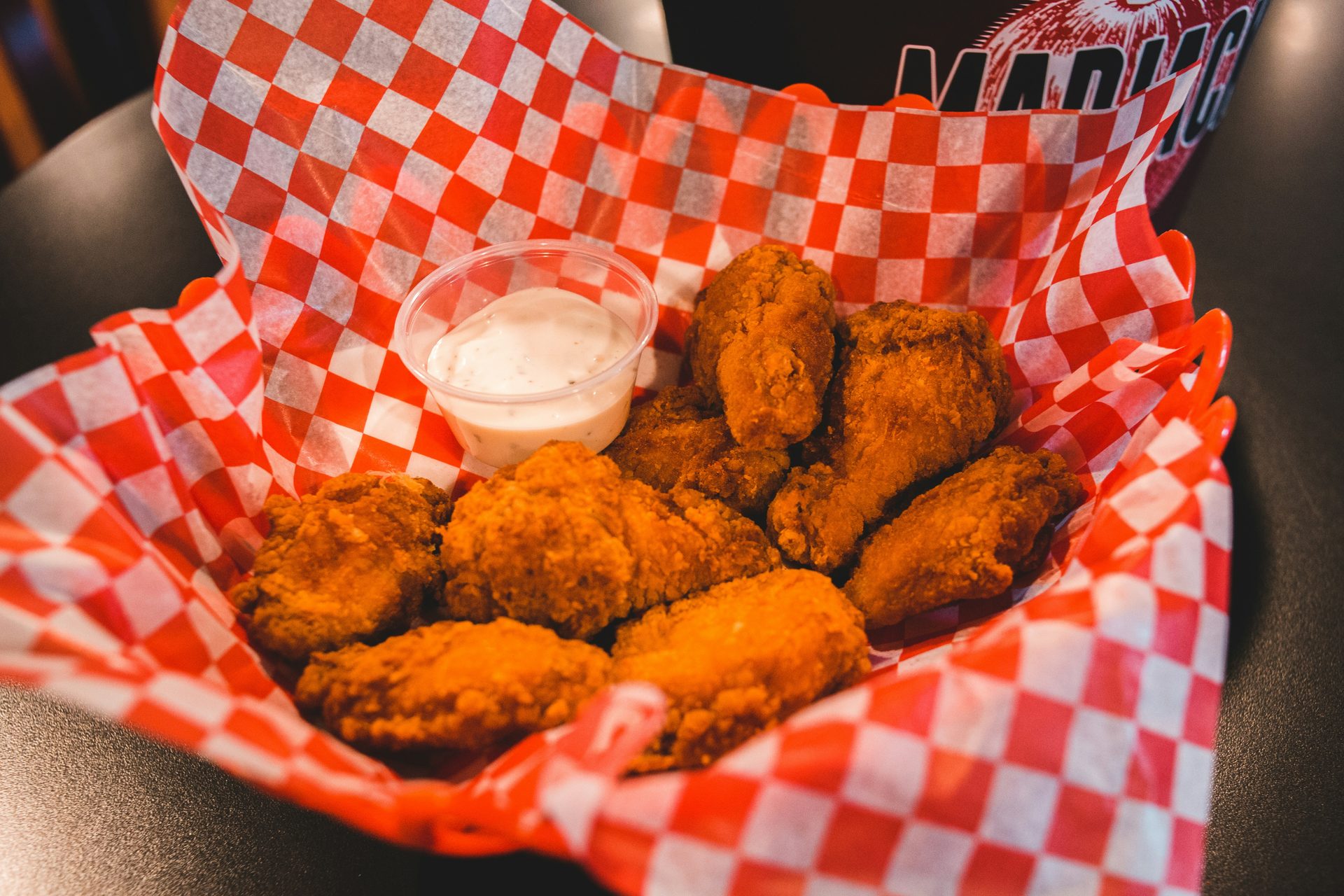
Cooked chicken wings are one of those game-day staples that almost always leave you with leftovers. Whether you made a big batch for a Super Bowl party, ordered too many from your favorite spot, or batch-cooked for the week, the question comes up fast: can you actually freeze them?
The short answer is yes — and doing it correctly makes all the difference between wings that taste great weeks later and wings that end up dry, rubbery, or covered in freezer burn. This guide walks you through everything you need to know, from the right way to pack them to how long they stay good and what to do once they’re thawed.
Can You Freeze Cooked Chicken Wings?
Yes, you can absolutely freeze cooked chicken wings. Freezing cooked chicken wings is a great way to extend their shelf life and a convenient way to avoid food waste and prepare a quick meal on busy days. This applies whether you made them at home or brought back leftovers from a restaurant.
The key is timing. Do not leave cooked chicken wings out for more than two hours at room temperature. If they sat out longer than that — say, during a long party spread — it is safer to discard them than to freeze them. Bacteria multiply quickly in the temperature danger zone, and freezing does not reverse that damage.
You can also freeze cooked wings after refrigerating them, so long as they have not exceeded the recommended 4-day limit in the fridge. So if you stored leftovers in the fridge and changed your mind about eating them, you still have a window to transfer them to the freezer.
Pro Tip: If you cook a large batch, freeze a portion right away rather than refrigerating everything. This preserves quality better than freezing wings that have already spent a few days in the fridge.
Does Freezing Change the Texture or Taste of Cooked Chicken Wings?
Freezing does affect cooked chicken wings, though the degree depends on how well you package them and how long they stay frozen. One of the most notable changes after freezing cooked chicken wings is texture. Freezing causes water inside the meat cells to expand, which can rupture cell walls. When thawed, the wings may lose some of their original juiciness and tenderness, as the moisture released during thawing can make the meat seem drier and less succulent.
Sauce and coating also take a hit. If the wings are coated in sauce, the sauce itself might not freeze well. Some sauces can separate or become watery upon thawing, which can negatively affect the overall quality. Additionally, if you have breaded or battered the wings, expect the coating to lose its crispiness after freezing and thawing.
While freezing does not drastically alter the flavor of cooked chicken wings, it can diminish certain nuances, especially if they are stored for an extended period. Spices, marinades, or sauces used on the wings may lose some intensity over time due to oxidation or the breakdown of certain volatile compounds.
The good news: reheating in a hot oven or air fryer after thawing goes a long way toward restoring crispiness. More on that in the reheating section below.
How to Freeze Cooked Chicken Wings the Right Way
Proper packaging is what separates wings that come out of the freezer tasting great from ones that are dry and covered in ice crystals. Follow these steps for the best results.
- Cool them first. Allow the cooked chicken to cool to room temperature before placing it in the freezer. Rapid temperature changes can compromise the texture of the meat and increase the chance of harmful bacteria. Keep this cooling window under two hours.
- Flash-freeze on a baking sheet. Allow the wings to cool completely before freezing to prevent condensation, which can lead to freezer burn. Arrange the wings in a single layer on a baking sheet and freeze them until solid. This step keeps them from clumping together into one frozen mass.
- Transfer to freezer bags or airtight containers. Once frozen, transfer the wings to a heavy-duty freezer bag or an airtight container, ensuring you remove as much air as possible to maintain their quality. Label the bag or container with the date to monitor their storage time.
- Consider double-wrapping for long storage. Adding an extra layer of protection by wrapping the wings in aluminum foil or plastic wrap before placing them in freezer bags or containers can help maintain the juicy meat and crispy texture. This step is beneficial if you plan to store them for an extended period.
- Set your freezer to the right temperature. Keep your freezer at a constant temperature of 0°F (-18°C) or lower. This temperature is critical for halting bacterial growth and preserving the wings safely.
Pro Tip: Portion the wings before freezing so you only thaw what you need. Dividing the cooked chicken into smaller, meal-sized portions before freezing makes it easier to thaw and use only what you need, and also promotes faster and more even freezing, preserving the quality of the chicken.
For more food storage guidance, see our article on freezing fresh uncooked zucchini — the same flash-freeze technique applies to many foods.
How Long Can You Freeze Cooked Chicken Wings?
Most sources agree on a practical window of 2 to 4 months for the best quality, though the safety timeline is longer. When stored properly in the freezer, cooked chicken can remain safe to eat for up to 6 months; however, it is recommended to consume frozen cooked chicken within 3 to 4 months for the best quality.
Frozen chicken wings that have been kept constantly frozen at 0°F will keep safe indefinitely, as long as they have been stored properly and the package is not damaged. That said, quality — not just safety — should guide your decision. The longer wings sit in the freezer, the more texture and flavor they lose.
| Storage Location | Safe Duration | Best Quality Window |
|---|---|---|
| Refrigerator (cooked) | 3–4 days | 1–2 days |
| Freezer (cooked) | Up to 6 months | 2–4 months |
| Freezer (raw) | Up to 9 months | 3–6 months |
According to the USDA, cooked wings will last 3–4 days stored in an airtight container in the refrigerator, assuming the fridge is kept at a proper temperature below 41°F (5°C). If you have not eaten them within that window, move them to the freezer right away rather than letting the clock run out.
How to Thaw Frozen Cooked Chicken Wings
Thawing safely is just as important as freezing correctly. The method you choose affects both food safety and the final texture of your wings.
Refrigerator thawing (best method): Transfer the frozen wings to the refrigerator and let them thaw slowly overnight. This method ensures even thawing and reduces the risk of bacterial growth. Plan ahead — this takes 8 to 12 hours depending on how many wings you have.
Cold water thawing (faster option): If you are in a hurry, place the wings in a sealed plastic bag and submerge them in cold water. Change the water every 30 minutes to ensure they thaw evenly. With this method, wings are typically ready to reheat within 1 to 2 hours.
What not to do: Always thaw wings in the fridge, not on the counter, to prevent bacterial growth. Leaving them on the kitchen counter at room temperature pushes them into the bacterial danger zone and creates a food safety risk.
Once thawed, move quickly. Once the chicken is thawed, make sure you use it within 1–2 days. Do not let thawed wings sit in the fridge indefinitely.
Important Note: Do not eat wings that have been sitting out for more than 2 hours. If they are not stored properly within those 2 hours, harmful bacteria can form that even reheating will not eliminate.
Can You Refreeze Cooked Chicken Wings After Thawing?
This is one of the most common questions — and the answer is generally no. It is generally not recommended to refreeze previously frozen cooked chicken. Each time you freeze and thaw meat, there is a potential for bacterial growth. The general rule of thumb is to cook, freeze, defrost, and reheat your food only once.
If you have leftover cooked chicken that has been thawed out, it is safer to eat it or find alternative uses rather than refreezing it. Refreezing also degrades texture noticeably — you will end up with mushy, dry meat that bears little resemblance to the original.
The best way to avoid this situation is to freeze wings in small portions from the start. Dividing the wings into smaller portions or storing them in a large bowl before freezing allows for thawing only what you need, reducing the risk of refreezing leftovers, which can degrade the quality of the meat.
How to Use Frozen Cooked Chicken Wings (Best Uses After Freezing)
Thawed wings are versatile. With the right reheating method, you can get them close to their original texture — and in some preparations, the freezing step barely matters at all.
Oven reheating for crispiness: Once thawed, reheat the wings in the oven at 350°F (175°C) for 10–15 minutes or until they reach an internal temperature of 165°F (74°C). This ensures they are heated through and safe to eat. For extra crispiness, finish them under the broiler for 2 to 3 minutes.
Air fryer: An air fryer is one of the best tools for restoring crunch to thawed wings. Set it to 375°F and heat for 8 to 10 minutes, flipping halfway through. The circulating hot air drives off surface moisture and re-crisps the skin better than an oven alone.
Soups and stews: Wings that have gone a bit soft after freezing work perfectly in broth-based dishes. Strip the meat off the bone and use it in chicken noodle soup, white chicken chili, or a rice bowl. The texture issue disappears entirely when the meat is simmered in liquid.
- Shred thawed wing meat for tacos or quesadillas
- Toss into fried rice or pasta for a quick weeknight meal
- Use as a pizza topping with buffalo sauce and blue cheese
- Add to a grain bowl with roasted vegetables
For more ideas on building nutritious meals around quality proteins, check out our guides on superfoods for a healthy heart and foods for healthy skin.
Signs That Frozen Cooked Chicken Wings Have Gone Bad
Even in the freezer, wings can go bad — or at least degrade to the point where they are not worth eating. Here is what to look for before and after thawing.
Freezer burn: One of the most significant impacts on quality when freezing cooked chicken wings is the potential for freezer burn. This occurs when air comes into contact with the surface of the meat, causing dehydration. The result is dry, discolored patches on the wings that can alter both the texture and taste. Freezer-burned wings are safe to eat but will taste noticeably dry and off. Heavily burned sections can be trimmed away.
Color changes: Cooked wings should be white or tan with no pink remaining. If you notice any discoloration or a pale grayish or green coloring, then the chicken is past its prime.
Smell: A sour, sulfur-like odor is a definite warning sign. Thaw a small portion and smell it before committing to reheating the whole batch. Fresh cooked chicken has a mild, neutral smell even after freezing.
Texture: Raw or cooked chicken that is sticky, slimy, overly soft, or rubbery is no longer good to eat. Some softness after freezing is normal, but sliminess after thawing is a clear sign of spoilage.
Mold: Mold growth is an immediate reason to discard. Do not attempt to cut around it — discard the entire batch.
Important Note: You might think that smell or appearance is enough to tell if wings are bad, but time is the first and most important rule to go by. Always track how long wings have been stored, and do not rely on sensory checks alone.
Food safety goes hand in hand with overall nutrition habits. If you are thinking about how the foods you eat affect your health, our articles on nutrients and foods that fight cancer and cancer-causing foods to avoid are worth reading alongside your storage practices.
Frequently Asked Questions
Can you freeze sauced chicken wings?
Yes, but expect the sauce to change texture after thawing. If the wings are coated in sauce, the sauce itself might not freeze well. Some sauces can separate or become watery upon thawing, which can negatively affect the overall quality. For best results, freeze plain wings and add sauce after reheating.
How long do cooked wings last in the fridge before freezing?
The USDA states that cooked chicken is safe to eat for 3 to 4 days when properly stored in the fridge. This also applies to prepared chicken wings. Freeze them before that window closes if you are not going to eat them.
Can you freeze wings still on the bone?
Yes. You do not need to debone wings before freezing. The bone does not affect safety or freezer life. If you prefer, you can remove the meat before freezing to save space and make thawed portions easier to use in recipes like soups or grain bowls.
Is it safe to reheat frozen wings more than once?
Do not reheat more than once. If you have already warmed them up once, eat them or toss them. Each reheating lowers the quality and increases food safety risks.
What temperature should reheated wings reach?
Wings should reach an internal temperature of 165°F (74°C) before eating. Use a meat thermometer to check the thickest part of the meat, not the bone. This applies whether you reheat in the oven, air fryer, or microwave.
Can you freeze wings you bought from a restaurant?
Freezing is a convenient way to avoid food waste and prepare a quick meal on busy days. Whether you have leftover wings from a local restaurant or extra chicken from your own kitchen, freezing is a viable option. Just make sure they were not left out for more than two hours before you got them home.
For more food and nutrition content, explore our guides on whole plant-based foods, foods that support liver function, and the pros and cons of eating seafood.