Can You Eat Clams While Pregnant? What You Actually Need to Know

April 24, 2026
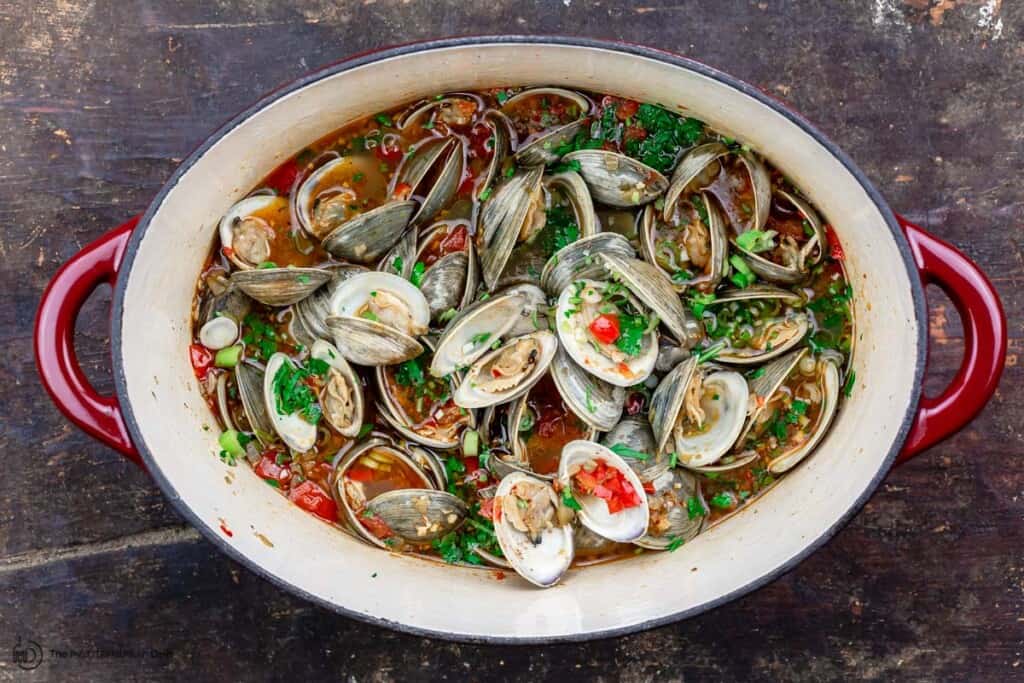
If you’ve been craving clam chowder or eyeing a plate of steamed clams and wondering whether you have to skip it for the next nine months, here’s the reassurance you’re looking for: you don’t.
Clams are one of the most nutrient-dense foods you can eat during pregnancy — but like most seafood, they come with one firm rule. Knowing that rule makes all the difference between a safe, satisfying meal and a risk you’d rather not take.
This guide covers everything you need to know about eating clams while pregnant, from what the FDA actually says to trimester-specific tips, safe preparation methods, and a quick-reference chart you can bookmark for later.
The Short Answer
Yes, you can eat clams while pregnant — as long as they are fully cooked. Clams are safe for pregnant women to eat if they are fully cooked, and they should never be eaten raw or undercooked. That’s the single most important rule, and it applies across all three trimesters.
The good news gets even better when you look at mercury. Clams are very low in mercury, with a mean concentration average of 0.009 PPM (parts per million) — and to put that into perspective, 0.1 PPM is still considered “low” in mercury, meaning clams have only a fraction of that.
So unlike high-mercury fish such as swordfish or king mackerel, clams don’t require any special limits beyond the standard seafood serving guidelines. Cook them properly, source them well, and you’re good to go.
Pro Tip: If someone tells you to avoid all seafood during pregnancy, that’s a myth worth correcting. One common myth is that all seafood, including clams, should be avoided during pregnancy, and another is that eating clams can harm the baby — but both are false if clams are cooked.
Why It’s Safe
Clams aren’t just safe — they’re genuinely beneficial during pregnancy. Clams are a nutritional powerhouse, brimming with essential vitamins and minerals. They are a great source of protein necessary for tissue repair and fetal growth, and they contain significant amounts of iron, a vital component in preventing anemia and supporting increased blood supply during pregnancy. They’re also packed with vitamin B12, which aids in nerve function and DNA synthesis, and vitamin C, crucial for immune support and iron absorption.
Here’s what makes clams especially impressive for pregnancy nutrition:
- Iron: Shellfish are an excellent source of bioavailable heme iron, and clams in particular boast over four times more iron than an equivalent portion of beef liver.
- Vitamin B12: The number one richest food source of vitamin B12 is clams — they contain even more B12 per ounce than liver.
- DHA (Omega-3s): Clams are rich in omega-3 fatty acids including DHA, which is necessary for fetal brain and vision development. In fact, the DHA content of many farmed and wild clams is actually comparable to salmon, one of the most well-known omega-3 sources.
- Zinc: Zinc is an important micronutrient during pregnancy, as zinc deficiencies are linked to higher odds of miscarriage, preterm delivery, stillbirth, and neural tube defects. Zinc deficiency during pregnancy can also adversely affect the long-term health of the baby.
- Selenium: Low selenium status in pregnancy is a risk factor for miscarriage, low birth weight, and numerous pregnancy complications.
Clams are also low in fat and calories, making them a nutrient-dense option that fits well into a balanced pregnancy diet. Seafood like shellfish can be a great source of protein, iron, and zinc — all important nutrients for your baby’s growth and development.
Key Insight: During pregnancy, B12 is a key player in fetal development as it is required for methylation — a process involved in gene expression, cell differentiation, and organ formation. Without enough B12, there is an increased risk for neural tube defects, miscarriage, and preterm delivery.
What the Research Actually Says
Multiple authoritative health bodies agree that cooked clams are safe and beneficial during pregnancy. The FDA, EPA, and the Dietary Guidelines for Americans recommend that pregnant people eat at least 8 ounces and up to 12 ounces of a variety of seafood lower in mercury per week — that’s about 2 to 3 servings.
Critically, the FDA’s “Best Choices” list — the lowest-mercury seafood options — explicitly includes clams alongside salmon, shrimp, sardines, and other well-known safe options. This means clams aren’t just tolerated during pregnancy; they’re actively encouraged as part of a healthy eating pattern.
Mercury can harm a developing baby’s brain, but eating average amounts of seafood containing low levels of mercury during pregnancy hasn’t been shown to cause problems. In fact, the omega-3 fatty acids in many types of fish can promote a baby’s healthy brain development.
Research also highlights that fish intake during pregnancy is recommended because moderate scientific evidence shows it can help your baby’s cognitive development, and strong evidence shows that eating fish as part of a healthy eating pattern may have heart health benefits.
The concern with clams isn’t mercury — it’s bacteria. Clams, mussels, and other mollusks get their food by filtering large quantities of water through their shells. In doing so, they can accumulate more bacteria and viruses than finfish, which makes raw mollusks particularly unsafe to eat. This is why cooking is non-negotiable. You can explore more about the pros and cons of eating seafood for a broader look at how shellfish fits into a healthy diet.
Important Note: Foodborne illnesses, often caused by consuming raw or undercooked clams, can lead to symptoms like nausea, vomiting, diarrhea, and dehydration. Pregnant women are more vulnerable to such infections due to their weakened immune systems.
How to Do It Safely
Eating clams safely during pregnancy comes down to four things: how you buy them, how you store them, how you cook them, and how much you eat. Follow these steps and you can enjoy clams with complete confidence throughout your pregnancy.
Buying and Selecting Clams
When selecting fresh clams, choose those with tightly closed shells, as open shells may indicate spoilage. Discarding cracked or damaged clams is also crucial. At the store, live clams, oysters, and mussels will close when the shell is tapped — if they don’t close when tapped, do not select them.
If you’re buying wild-harvested clams rather than farmed, mercury levels and other toxins can vary from place to place, especially where clams are gathered in the wild. It’s a good idea to check your local marine shellfish advisories to see if there have been any reports of contamination.
Cooking Clams Properly
The cooking rule for clams is simple and visual: cook clams, mussels, and oysters until their shells open, and throw away any that don’t open. This is the clearest sign that they’ve reached a safe temperature.
- Steam or boil in-shell clams until all shells have opened fully. Discard any that remain closed.
- For shucked clams, shucked clams are fully cooked when they are opaque (milky white) and firm.
- For clam chowder, fresh clams should be boiled for at least three minutes in the chowder or soup to cook them fully — this is usually the case, so most clam chowders you either make or order will be fine to eat when you’re pregnant.
- For fried clam strips, deep-fried clams or clam strips are safe in pregnancy if they’re fully cooked. If the clams are quite large, cut one in half and check it’s steaming hot and cooked all the way through.
- For canned clams, canned or tinned clams are safe to eat hot or cold if they’re shelf-stable (not refrigerated).
Pro Tip: Before cooking, rinse clams thoroughly to remove sand and debris. Cooking clams until their shells open fully ensures that harmful pathogens are destroyed.
How Much to Eat (Serving Guidance)
For pregnancy and breastfeeding, one serving is 4 ounces, and the recommendation is to eat 2 to 3 servings a week from the “Best Choices” list. Since clams are on the “Best Choices” list, they count toward your weekly seafood target without any additional restrictions.
Trimester-by-Trimester Breakdown
| Trimester | Are Cooked Clams Safe? | Key Notes |
|---|---|---|
| First Trimester | ✅ Yes | You can eat clams during the first trimester if they’re cooked thoroughly. Cooking clams to a safe internal temperature kills harmful bacteria and viruses, protecting you and your baby. |
| Second Trimester | ✅ Yes | Eating cooked clams is safe during the second trimester. They’re a good source of protein and essential nutrients. Ensure they’re properly cooked to avoid risks associated with raw seafood. |
| Third Trimester | ✅ Yes | You can enjoy clams in the third trimester as long as they’re cooked. Eating cooked clams supports your nutritional needs, providing important minerals like iron and zinc. |
For a broader look at what to eat (and avoid) throughout your pregnancy, see this guide to foods and beverages to avoid during pregnancy and explore whole plant-based foods that can complement your seafood intake.
When to Avoid It Completely
There are specific situations where clams — even cooked — should be skipped entirely, or where extra caution is warranted. Don’t let the “clams are safe” message override these important exceptions.
Always Avoid Raw Clams
This one is absolute. A pregnant woman and her unborn baby are at risk if she eats raw or undercooked seafood. Moms-to-be should avoid eating raw or undercooked finfish or shellfish, including oysters, clams, mussels, and scallops.
Vibrio vulnificus, an ocean-dwelling bacterium that may cause food poisoning, is present in raw clams. As far as appearance, taste, and smell go, bacterially infected clams are no different from their uninfected counterparts — meaning you simply cannot tell by looking at them.
Avoid Clams If You Have a Shellfish Allergy
Consuming clams can trigger allergies in some individuals, leading to symptoms like itching or swelling. If you’ve had any reaction to shellfish before, speak with your healthcare provider before eating clams during pregnancy. Allergic reactions can be more unpredictable when your immune system is already working differently.
Avoid Clams from Contaminated or Unregulated Waters
If someone offers you wild-harvested clams from an unknown source, it’s safest to decline. Look for tags on sacks or containers of live shellfish and labels on containers of shucked shellfish — these tags contain specific information about the processor’s certification number, meaning the shellfish were harvested and processed in accordance with national shellfish safety controls.
Be Cautious with High-Sodium Preparations
Clams can be high in sodium, which may contribute to elevated blood pressure during pregnancy if not moderated. If you’re managing blood pressure or have been advised to watch your sodium intake, opt for fresh or minimally processed clams rather than heavily salted canned varieties. This is especially relevant when thinking about heart-healthy eating during pregnancy.
Common Mistake: Assuming that “fresh” automatically means “safe.” Fish and shellfish that are raw or undercooked are more susceptible to parasites and microbial contamination and may spread listeriosis, toxoplasmosis, and salmonella when consumed. Always confirm your clams are fully cooked, regardless of how fresh they are.
Quick Reference Chart
Use this at-a-glance chart whenever you’re unsure about a specific type of clam dish or preparation method.
| Clam Type / Preparation | Safe During Pregnancy? | Notes |
|---|---|---|
| Steamed clams (shell-on, fully opened) | ✅ Safe | Discard any that don’t open |
| Clam chowder (hot, fully cooked) | ✅ Safe | Ensure clams are boiled at least 3 minutes; use pasteurized dairy |
| Fried clam strips (fully cooked) | ✅ Safe | Check center is steaming hot all the way through |
| Canned/shelf-stable clams | ✅ Safe | Safe hot or cold; choose low-sodium when possible |
| Stuffed clams (oven-baked, fully cooked) | ✅ Safe | Ensure filling and clam are both piping hot throughout |
| Raw clams (on the half shell, clam bars) | ❌ Avoid | High risk of Vibrio and other bacteria; never safe during pregnancy |
| Refrigerated clam dips (unpasteurized) | ⚠️ Caution | Only safe if fully heated; avoid cold ready-to-eat versions |
| Wild-harvested clams (unknown source) | ⚠️ Caution | Check local shellfish advisories before eating |
| Clams with shellfish allergy history | ⚠️ Caution | Consult your healthcare provider first |
For a full list of what to eat and skip throughout your pregnancy, check out this pregnancy food safety guide. You may also find it helpful to review foods that support brain health — many of which overlap with pregnancy nutrition recommendations.
Frequently Asked Questions
Can I eat clam chowder while pregnant?
Yes. Clam chowder, no matter the style — Manhattan, New England, and so on — is safe for pregnant women to eat if the other ingredients are pregnancy-safe too. If milk and cream are added, this should be pasteurized, but even if it isn’t, having the soup hot will likely kill any bacteria. Just make sure it’s served hot and not lukewarm.
Are all types of clams safe during pregnancy?
All types of clams are safe during pregnancy if cooked thoroughly. Whether you prefer littlenecks, cherrystones, or quahogs, proper cooking ensures they’re safe to eat. Avoid raw clams to prevent foodborne risks.
How many clams can I eat per week while pregnant?
Since clams are on the FDA’s “Best Choices” list for low-mercury seafood, those who are pregnant or breastfeeding should consume between 8 and 12 ounces per week of a variety of seafood from choices that are lower in mercury. Clams count toward that total. A standard serving is about 4 ounces, so 2–3 servings per week is appropriate.
What happens if I accidentally ate raw clams while pregnant?
Don’t panic, but do monitor yourself. During pregnancy, you’re at a higher risk of food poisoning from bacteria. How your body reacts to food poisoning when you’re pregnant might be worse than if you weren’t pregnant, and although it’s rare, food poisoning may affect the baby too. If you develop symptoms like vomiting, diarrhea, fever, or stomach cramps within 24–48 hours, contact your healthcare provider right away.
Is the mercury in clams a concern during pregnancy?
No — not at normal intake levels. Excessive mercury consumption during pregnancy can lead to developmental issues in the baby’s nervous system, potentially affecting cognitive and motor skills. However, the mercury levels in most clams are not high enough to cause significant harm, especially when consumed in moderation. Clams rank among the lowest-mercury seafood options available.
Can I eat clams if I have gestational hypertension?
Cooked clams themselves are not a problem, but the preparation matters. Clams can be high in sodium, which may contribute to elevated blood pressure during pregnancy if not moderated. Opt for fresh steamed clams or low-sodium canned versions, and avoid heavily salted preparations. Always follow your provider’s specific dietary guidance if you’ve been diagnosed with gestational hypertension. You may also want to explore heart-supporting foods and liver-friendly foods that support overall wellness during pregnancy.
Are canned clams safe during pregnancy?
Yes. Canned or tinned clams are safe to eat hot or cold if they’re shelf-stable (not requiring refrigeration before opening). They’re a convenient, budget-friendly option that’s easy to add to pasta, soups, or chowder. Just check the sodium content and choose low-sodium varieties when possible.
Eating well during pregnancy doesn’t have to mean giving up all your favorites. With the right preparation, clams can be a genuinely nourishing part of your pregnancy diet — rich in the very nutrients your baby needs most. When in doubt, always cook thoroughly, source carefully, and check in with your healthcare provider if you have specific health concerns.
This information is for educational purposes only and is not intended as medical advice. Always consult with a qualified healthcare professional before making health decisions during pregnancy.