Can You Freeze Zucchini and Squash? Everything You Need to Know

November 3, 2026
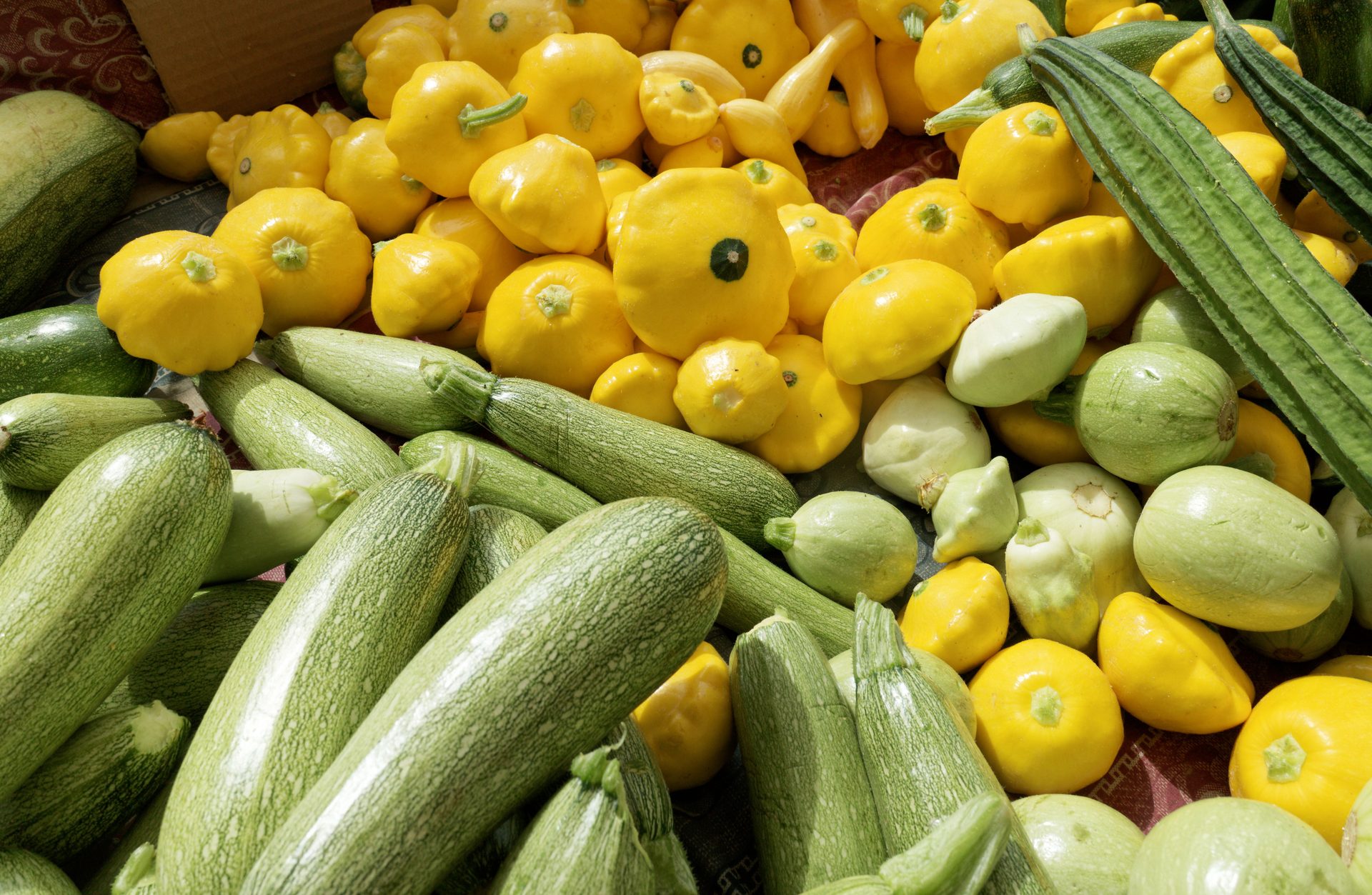
Zucchini and summer squash have a way of showing up all at once — whether you’re pulling them from a backyard garden in July or grabbing a great deal at a farmers market. Before you know it, you have more than you can possibly eat in a week, and the clock is ticking.
The good news: freezing zucchini and squash is completely doable, and it’s one of the easiest ways to stretch your summer produce well into fall and winter. You just need to know a few things before you toss them in the freezer. This guide covers the full process — from prep to storage to the best ways to cook with frozen squash once you’re ready to use it.
Can You Freeze Zucchini and Squash?
You can preserve your extra zucchini or any other summer squash by freezing it. Both green zucchini and yellow summer squash respond well to the freezer, and the same basic method applies to both. These three freezing methods work well for any summer squash beyond regular zucchini, such as yellow squash and pattypan squash.
That said, while freezing zucchini is a great way to extend its life, it’s not as simple as just popping a few squash into your freezer — raw zucchini gets weepy and watery after thawing, so you should chop and blanch it first. There are also raw-pack and shredded methods that work well depending on how you plan to use the squash later. More on all of that below.
If you’re looking to get into more detail on zucchini specifically, this guide to freezing fresh uncooked zucchini walks through the raw-pack approach in depth.
Does Freezing Change the Texture or Taste of Zucchini and Squash?
Zucchini has a very high water content, so it won’t retain a crisp, fresh-like texture after being frozen. As frozen zucchini defrosts, it becomes soft and watery, whether you blanch it first or not. This is the most important thing to understand before you freeze a big batch.
Once zucchini chunks or pieces are frozen, their texture changes. While thawing, zucchini releases a lot of liquid, making it a great choice as an ingredient in recipes rather than for roasting or sautéing — using it in soup, curry, or chili works well.
As for flavor, the flavor of zucchini is so mild that it seamlessly blends into whatever you’re adding it to. Taste is rarely an issue; texture is the main trade-off. The key is simply planning to use frozen squash in dishes where a softer texture is perfectly fine — and there are plenty of those.
Pro Tip: Blanching in unsalted water gives you better results. According to Food Network , this is one of the few times you should NOT add salt to your blanching water — salt draws out moisture and can make the zucchini mushy.
How to Freeze Zucchini and Squash the Right Way
There are three practical methods to choose from. The best one depends on how you plan to use the squash later. Pick your method before you start, because it affects how you prep the vegetables.
Method 1: Blanch and Freeze (Best for Slices and Chunks)
The best way to freeze zucchini in chunks or pieces is to blanch them first. This keeps their color and flavor and prevents them from turning into complete mush when they defrost. The National Center for Home Food Preservation at the University of Georgia also recommends blanching summer squash before freezer preserving.
- Wash the squash well under running water and cut away any blemished spots.
- Cut it crosswise into thick slices — at least 1/2-inch thick — which allows the skin around each slice to stay intact, helping protect its shape during blanching and freezing.
- Blanch the squash by steaming or boiling for about 3 to 5 minutes.
- Once it’s done, immediately transfer the squash into a prepared bowl of ice water, adding additional ice if needed.
- Move the zucchini into a colander to drain for a few minutes, then pat dry with paper towels.
- When your blanched zucchini is cool and dry, put the slices in a single layer on a parchment-lined baking sheet and freeze until completely solid, about 2 to 4 hours. Then transfer them to resealable freezer bags, squeeze out as much air as possible, and seal tightly.
- Label each bag with the date before putting it in the freezer.
Method 2: Shred and Freeze (Best for Baking)
This may be the easiest way to freeze zucchini or summer squash since it doesn’t need to be blanched or steamed — just prepare and freeze. Shredding works especially well if you bake zucchini bread, muffins, or frittatas.
Shred or noodle the zucchini — a food processor fitted with a grater plate makes shredding quick and easy. Then place the shredded zucchini in freezer bags and freeze. Measuring the amount before bagging is a good habit; many home cooks portion into two-cup bags to match common baking recipes.
Method 3: Raw Slice and Flash Freeze (Best for Soups and Stews)
If you plan to cook the squash directly from frozen — dropping it straight into a soup or sauté pan — you can skip blanching entirely. Slice the squash, flash freeze it flat on a baking sheet lined with parchment paper, add to a bag, vacuum seal, and freeze. By flash freezing the squash first, it won’t stick together, so the squash will come out of the package in pieces versus a frozen clump.
Key Insight: Using gallon-sized Ziploc bags works fine, but consider pint or quart bags instead. It makes freezer space management more tolerable and allows you to thaw only what you’ll need.
How Long Can You Freeze Zucchini and Squash?
Storage time depends on how well the squash is sealed and which method you used. Here’s a quick breakdown:
| Storage Method | Estimated Freezer Life | Quality Notes |
|---|---|---|
| Standard airtight freezer bag | 3–6 months | Best quality within first 3 months |
| Vacuum-sealed bag | 6–12 months | Significantly reduces freezer burn risk |
| Blanched before freezing | Up to 12 months | Better color and texture retention |
For optimal quality, use frozen zucchini within 3 months of freezing. However, it won’t necessarily “go bad” after that — it will simply have more chance of developing freezer burn or become increasingly soggy once thawed.
Frozen summer squash, when properly stored, will last for 10 months to a year in the freezer if you use a good quality freezer or vacuum seal bags to prevent freezer burn. According to Food Gardening Network , frozen zucchini and summer squash will last about a year in your freezer, though the longer you wait the less flavor you’ll taste.
For dishes like winter soups and stews, using squash frozen the previous summer is not a problem. The texture will be softer, but in a simmering broth, that’s rarely noticeable. Eating well year-round is also easier when you stock your freezer with whole plant-based foods like squash during peak season.
How to Thaw Frozen Zucchini and Squash
How you thaw frozen squash depends on what you’re making. There are three reliable approaches, and choosing the right one makes a real difference in the final dish.
- Refrigerator overnight: Take the squash out of the freezer the night before you plan to use it and let it thaw slowly in the refrigerator. Put your freezer bag in a bowl so moisture from the thawing squash doesn’t leak all over your refrigerator.
- Room temperature: For quicker results, it’s fine to thaw at room temperature, which takes 1–2 hours.
- Straight from frozen: There is no need to completely defrost or fully cook frozen zucchini before adding it to a recipe. As frozen zucchini thaws, it becomes soft anyway — all you need to do is let it heat all the way through before consuming.
Avoid microwaving frozen zucchini to thaw, as that can make it more watery. For shredded squash going into baked goods, there will likely be a lot of separation of the zucchini from the water. If the recipe calls for squeezing moisture out of the zucchini before using, go ahead and drain it off.
Frozen squash pairs especially well with nutrient-dense ingredients. If you’re building meals around your health, check out these superfoods for a healthy heart and foods for healthy skin for ideas on rounding out your plate.
Can You Refreeze Zucchini and Squash After Thawing?
Technically, you can refreeze zucchini and squash that has been thawed in the refrigerator, as long as it hasn’t been left at room temperature for more than two hours. But in practice, it’s not a great idea. Each freeze-thaw cycle pulls more moisture out of the squash, which means the texture degrades further each time.
Always freeze sliced zucchini in a single, non-overlapping layer, and be cautious with food safety with foods that have thawed and refrozen. The smarter move is to portion your squash into small bags before the initial freeze, so you only pull out what you need for a single meal. Using pint or quart bags makes freezer space management more tolerable and allows you to thaw only what you’ll need.
Important Note: If your squash thawed at room temperature for more than two hours, do not refreeze it. Use it immediately or discard it to avoid food safety risks.
How to Use Frozen Zucchini and Squash (Best Uses After Freezing)
Frozen zucchini is a welcome addition and good substitute for fresh squash in most recipes — except for those where you’d want a firm zucchini texture, like grilled veggie kabobs or a bowl of fresh zucchini noodles. Stick to applications where a softer texture works in your favor.
Here are the best ways to put your frozen squash to work:
- Soups and stews: For soups, sauces, chili, and similar dishes, add the frozen squash near the end of the cooking time. It thaws and softens quickly in hot liquid.
- Baked goods: Shredded summer squash can be used in baked goods, quiche, frittatas, casseroles, muffins, and breads. Thaw and drain before mixing in.
- Pasta sauces: Shredded zucchini makes a great addition to various pasta sauces and spaghetti sauce. It melts right in and adds bulk without changing the flavor.
- Smoothies: Frozen zucchini can even be added to smoothies — they work just like ice cubes and give a vitamin and mineral boost.
- Casseroles and frittatas: If a casserole calls for zucchini or other summer squash, you can opt to use some of your frozen zucchini in these. Thaw and drain first for best results.
- Sautéed dishes: If you want frozen squash to hold its texture better in a sauté, add it toward the end of the cooking process.
Another great way to extend the life of your zucchini is to make a freezable recipe that uses it. Zucchini helps keep dishes moist, so many recipes that include it, like muffins, quick breads, and soups, are perfect for freezing.
Zucchini and squash also bring real nutritional value to your meals. For more on building a health-supporting diet, explore these powerful nutrients and foods that fight cancer and foods that can help enhance your liver function.
Signs That Frozen Zucchini and Squash Has Gone Bad
Frozen squash doesn’t spoil the same way fresh produce does, but it can degrade in quality to the point where it’s not worth eating. Here’s what to look for before you cook with it:
- Severe freezer burn: White or grayish-white dry patches on the surface of the squash mean moisture has escaped. Mild freezer burn is safe to eat but will taste bland or papery. Heavy freezer burn usually means it’s time to discard.
- Off smell: Properly frozen squash has almost no odor. If it smells sour, fermented, or otherwise off after thawing, don’t use it.
- Unusual color: A bad zucchini squash is easily identifiable as the skin appears dull and lifeless. After thawing, squash that has turned brown or gray (rather than its normal pale green or yellow) has likely deteriorated past the point of use.
- Slimy texture after thawing: Some softness is expected, but if the squash feels slimy or breaks down into mush even before cooking, it has gone bad.
- Excessive ice crystals: A thick layer of ice crystals inside the bag is a sign the squash went through temperature fluctuations in the freezer, which degrades quality quickly.
More generous estimates give frozen zucchini 12 months before calling for the compost pile. This is likely because the optimal time for freezer storage is 3–4 months, after which this high-moisture food can become freezer burnt. When in doubt, use your senses — if it looks and smells fine after thawing, it’s almost certainly safe to cook.
Keeping your freezer stocked with garden vegetables is a smart habit. For more ideas on nutritious foods worth keeping on hand, see these fibroid healing foods and foods that promote healthy eyesight.
Frequently Asked Questions
Can You Freeze Zucchini Without Blanching?
Yes, you can freeze zucchini without blanching, but the texture of the zucchini pieces will not be the same. Blanching is preferred for best results, but it comes down to personal preference and how you plan to use the squash. The National Center for Home Food Preservation recommends blanching summer squash before freezer preserving.
Can You Freeze Zucchini Whole?
It isn’t a good idea to freeze zucchini whole. When it first comes out of the freezer, it will be too hard to cut. Always slice, shred, or chunk your squash before freezing so it’s ready to use straight from the bag.
Does Shredded Zucchini Need to Be Blanched Before Freezing?
Because the zucchini shreds are small, you should be fine without blanching first. Blanching helps the bigger pieces (slices) hold their texture and color. For shredded squash going into baked goods, simply thaw, drain the excess liquid, and use as directed in your recipe.
Can You Freeze Yellow Squash the Same Way as Zucchini?
Yes. You can use all yellow squash or a mixture of yellow and zucchini squash when freezing. The same blanch-and-freeze or raw-pack methods apply to both. Yellow squash has a similarly high water content, so the same texture trade-offs apply after thawing.
How Do You Know When Frozen Squash Is Past Its Prime?
Frozen zucchini and summer squash will last about a year in your freezer, though the longer you wait the less flavor you’ll taste. Signs it’s past its prime include heavy freezer burn, an off smell after thawing, or a slimy texture that goes beyond the expected softness. If the squash thawed properly and smells clean, it’s almost always fine to use in a cooked dish.