Can You Freeze Live Blue Crabs? What You Need to Know Before You Try

November 3, 2026
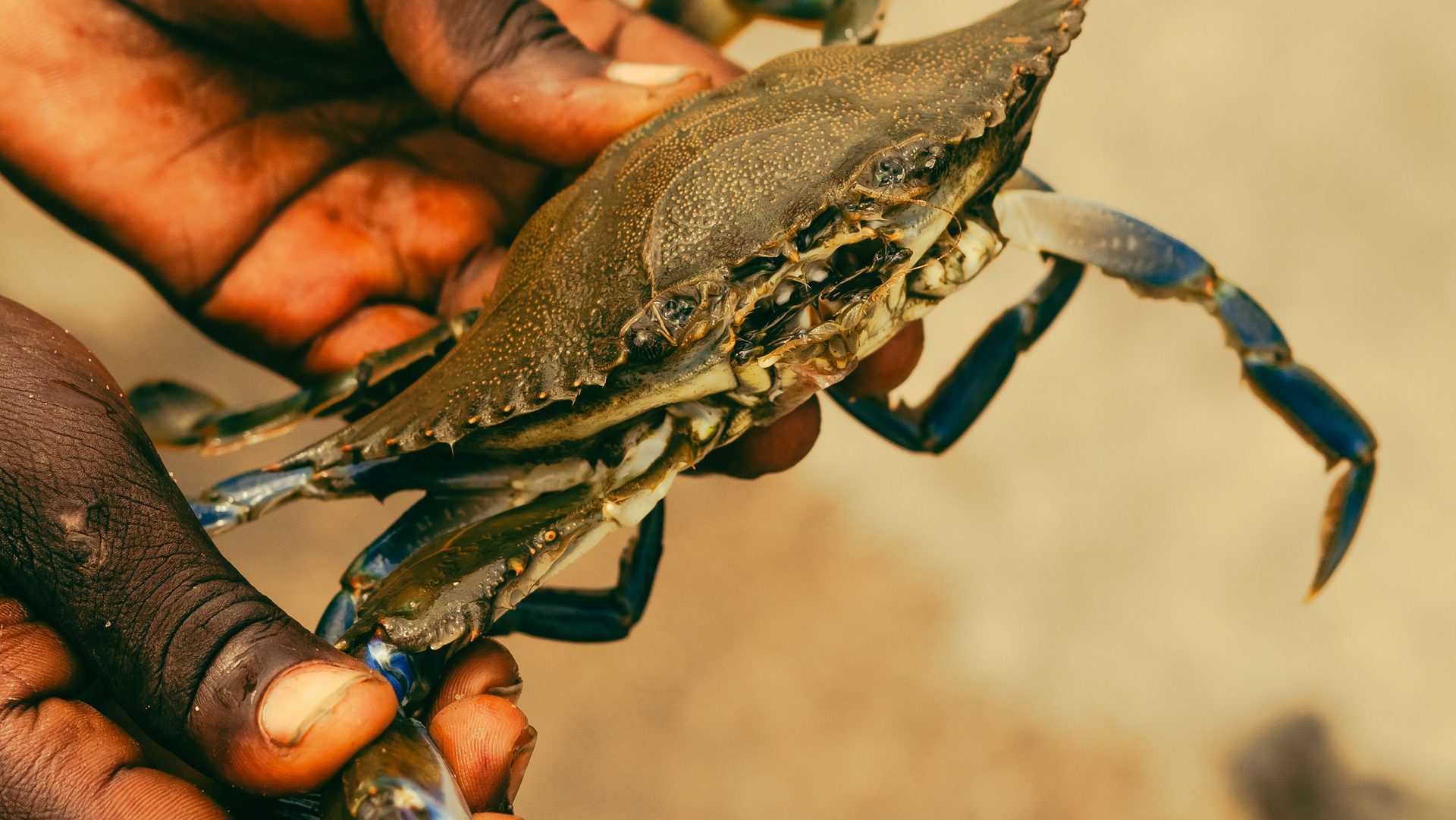
Blue crabs are a summer staple across the Chesapeake Bay, the Gulf Coast, and coastal communities all over the United States. Whether you hauled in a bushel from the dock or grabbed a batch from a local seafood market, you may find yourself with more than you can eat in one sitting — and naturally, you want to know if you can freeze them for later.
The short answer is: not while they’re still alive. You should never freeze live crabs. When placed in a freezer, live crabs suffocate as the moisture in their gills freezes solid, killing them slowly. But that doesn’t mean your extra blue crabs have to go to waste. With the right prep work, you can absolutely freeze blue crabs and enjoy them weeks or even months later.
This guide walks you through everything you need to know — from why live freezing is a bad idea, to the best methods for freezing cooked crab, how long they last, and what to do with them once they’re thawed.
Can You Freeze Live Blue Crabs?
The direct answer is no — you should never freeze live crabs. When placed in a freezer, live crabs suffocate as the moisture in their gills freezes solid, killing them slowly. Once dead, harmful bacteria multiply rapidly in the crab meat, creating serious food safety risks.
Freezing live crabs leads to dead crabs that have not been cooked or properly prepared before freezing. It’s commonly known that you should never cook a dead crab. Not only is it unsafe, but cooking crabs alive ensures that your meal doesn’t end up with an awful texture or taste.
It’s not recommended to store uncooked blue crabs in the freezer for two reasons. The first is the danger of getting sick from food poisoning. Like most other kinds of seafood, blue crabs are highly perishable and tend to go bad quickly. By freezing them uncooked, when the crab dies, toxins spread to other parts of the body.
So what should you do instead? Cook them first — while they’re still alive — then freeze the cooked crab. That’s the only safe and effective route.
Pro Tip: If you can’t cook your live blue crabs right away, keep them alive in a cooler lined with wet burlap or damp newspaper. Live blue crabs can be stored in a refrigerator or walk-in cooler for up to two days, especially if kept moist with wet newspaper or burlap, with ideal storage temperatures between 35 and 40 degrees.
Does Freezing Change the Texture or Taste of Blue Crabs?
Yes — freezing does affect the quality of blue crab meat, and it helps to understand why before you commit to storing a large batch. There is nothing better than eating fresh crabs immediately, as freezing will always have a negative impact on quality. Being frozen, crab meat may suffer from a significant loss of flavor, while the texture may also deform, becoming soft and less appealing.
Rapid freezing of blue crab products is important. Rapid freezing produces small ice crystals in the flesh, while slow freezing forms large ice crystals, which rupture the tissue cells. Ruptured cells are what cause that mushy, watery texture you sometimes get when thawing poorly frozen seafood.
The crab meat can also be damaged when it’s frozen raw. As the crab starts to freeze, the meat expands against the shell. When it thaws, the crab meat starts to shrink and break apart. Some of the meat will stick to the shell, making it very difficult to remove when you’re ready to cook and eat it.
Always try to freeze the crabs with their shell intact. The shell helps the meat retain its flavor and texture. Without the shell, the meat can become quite stringy over time. The bottom line: properly cooked and well-packaged blue crab can taste very good after freezing — just don’t expect it to be identical to fresh-off-the-dock quality.
How to Freeze Blue Crabs the Right Way
Select only live crab to prepare for freezing. Crab freezes better if not “picked” before freezing. Here’s the step-by-step process that gives you the best results at home.
Step 1: Cook the Crabs While They’re Alive
Crabs to be frozen keep better if they are cooked first. Bring seasoned water to a boil in a large pot or kettle, add washed live crabs and cover tightly. After water resumes boiling, cook the crabs at a full, rolling boil for at least 15 minutes. Remove from heat, drain, and allow to cool. You can also steam them — use 1/4 cup salt per gallon of water; blue crabs require about 6–8 minutes of cooking time.
Step 2: Cool Them Quickly
Cool the crabs quickly in an ice bath to stop the cooking process and prevent overcooking. Spread them out on a baking sheet or place them directly in a large bowl of ice water. Let them cool completely before moving to the next step — putting warm crab into a freezer bag traps steam and causes freezer burn.
Step 3: Clean and Prep
Once cooled, clean the crabs by removing the top shell, gills, and viscera. Rinse under cold water to remove any remaining debris. Pat the crabs completely dry with paper towels. Removing moisture before freezing is one of the most important steps for preserving texture.
Step 4: Wrap and Seal
Wrap each crab individually in plastic wrap, then place in freezer bags. Remove as much air as possible before sealing. Label with the date and freeze at 0°F or below.
Vacuum sealing improves home crab freezing by removing air that causes freezer burn. This method can double or triple storage times compared to regular freezer bags. The tight seal also prevents odor transfer between foods. If you’re freezing picked crab meat rather than whole sections, freeze the meat partially first — this prevents crushing delicate lumps during the vacuum process.
Pro Tip: Freeze blue crabs without seasoning to preserve their natural flavor. Adding seasoning before freezing may alter the taste when thawed. Season after reheating instead.
If you enjoy other types of seafood and want to understand more about the pros and cons of including it in your diet, check out this overview of the pros and cons of eating seafood.
How Long Can You Freeze Blue Crabs?
Storage time depends on how the crab is packaged and whether it’s whole or picked.
| Form | Best Quality Window | Maximum Safe Duration |
|---|---|---|
| Whole cooked crab (standard bag) | Up to 3 months | 4–6 months |
| Whole cooked crab (vacuum sealed) | Up to 6 months | Up to 12 months |
| Picked crab meat (standard bag) | Up to 3 months | 3–4 months |
| Soft-shell crabs (individually wrapped) | Up to 6 months | 8–10 months |
Frozen blue crabs will stay at their best quality for up to 3 months. Once past that point, the crab will still be safe to eat, but the quality will start to diminish. By keeping blue crabs frozen at 0°F, they can stay safe for consumption indefinitely — though quality is a different story.
Soft-shell crabs are the crab product that freezes best, according to Jerald and Glenda Horst, authors of “Louisiana Seafood Bible.” Cleaning them before freezing will result in the loss of significant amounts of moisture during the freezing and thawing processes. Each crab should be individually wrapped in plastic cling wrap before freezing. After they are frozen, the wrapped crabs should be put in a heavy-duty, zipper-type freezer bag for storage. Frozen soft-shell crabs can be held for eight to ten months.
For a deeper look at how the foods you eat affect your health, the article on superfoods for a healthy heart is worth reading — seafood, including crab, plays a role in heart-healthy eating patterns.
How to Thaw Frozen Blue Crabs
How you thaw your frozen blue crabs matters just as much as how you froze them. Improper thawing can undo all your careful prep work and create food safety risks.
Never thaw crab at room temperature, as this encourages bacterial growth. The safest method is refrigerator thawing — transfer the frozen crab to the refrigerator and allow it to thaw slowly overnight. The seafood will gradually thaw, maintaining the food-safe temperature of your refrigerator, and after about 8 hours will be ready to cook — freshness intact and full of flavor.
If you’re short on time, the cold-water method works well. Submerge sealed frozen crab meat in cold water, changing the water every 30 minutes. This thaws the crab meat faster than the refrigerator method. Do not thaw crab meat at room temperature or in hot water, as bacteria can grow rapidly above 40°F.
You cannot thaw seafood in the microwave safely, as microwaves can cause sporadic heating, leading to uneven thawing and texture changes. Stick to the fridge or cold-water methods for best results.
Important Note: Cook thawed crab within the first twenty-four hours for the best flavor. Once your crab has thawed in the refrigerator, it can be stored for one to two days.
Can You Refreeze Blue Crabs After Thawing?
This is one of the most common questions — and the answer is a firm no. It is not recommended to refreeze blue crabs after they have been thawed, as this can impact their texture and taste. Once thawed, do not refreeze the crab.
Each freeze-thaw cycle causes more ice crystals to form in the meat, which progressively damages the cell structure. By the second thaw, the texture is often mushy and the flavor flat. There’s also a food safety concern — every time crab passes through the temperature danger zone (40°F–140°F), bacteria have an opportunity to multiply.
The best strategy is to freeze in small, meal-sized portions so you only thaw what you need. You can freeze blue crabs by separating the meat and legs and freezing them individually. This method can help preserve the freshness of the crab for more than three months. Freezing them separately is also advantageous as it prevents the spoilage of the entire batch in case any parts go bad.
How to Use Frozen Blue Crabs (Best Uses After Freezing)
Frozen blue crab is incredibly versatile in the kitchen. After 3 months, blue crabs can still be eaten, but they’ll start to lose their flavor and texture. Even so, you can use them as part of a meal — they work well in soups, stir-fry, or to make crab cakes.
Here are the best ways to put frozen blue crab to work:
- Crab cakes: The classic American preparation. Frozen and thawed picked crab meat binds well with egg, breadcrumbs, and Old Bay seasoning. The slight texture change from freezing is barely noticeable in a pan-fried cake.
- She-crab soup or crab bisque: Cream-based soups are forgiving of slight textural changes and allow the sweet crab flavor to shine. A Southern staple, especially popular in Maryland, Virginia, and the Carolinas.
- Crab dip: Mixed with cream cheese and baked or served cold, frozen crab meat works perfectly in dips for parties and gatherings.
- Pasta dishes: Toss thawed crab meat with linguine, butter, garlic, and lemon for a quick weeknight dinner.
- Crab fried rice or stir-fry: High heat and bold flavors make this a great option for crab that’s slightly past its prime texture-wise.
- Steamed and eaten whole: Thaw frozen crabs completely in the refrigerator before reheating, then steam just like fresh crabs once thawed.
For reheating whole steamed crabs, place them in a steamer basket over a little boiling water. Avoid submerging them or using the oven, which dries out the meat.
Blue crab pairs naturally with bold, savory flavors. If you’re looking for more inspiration around blue-hued foods and ingredients, the articles on foods that are blue and blue savory foods offer some interesting ideas.
Signs That Frozen Blue Crabs Have Gone Bad
Even with proper freezing, blue crab can deteriorate over time. Knowing the warning signs keeps you and your family safe.
Blue crabs go bad when they have a strong, sour, or off odor and when there is discoloration or spoilage on the shell or meat. A fresh blue crab should have a mild, ocean-like aroma and the meat should be white or light gray — not yellow or brown.
Freezer burn appears as white, dry patches on the meat surface. While not harmful, it significantly impacts taste and texture. Other warning signs include ice crystals inside the package, indicating temperature fluctuations. Discoloration, particularly yellowing or graying, suggests oxidation.
Any ammonia smell upon thawing means the crab should be discarded immediately. Texture changes are often the first noticeable quality loss. Properly frozen crab should remain firm and flake naturally. Mushy, stringy, or watery meat indicates improper freezing or storage beyond recommended times.
When in doubt, throw it out. Blue crab is delicious, but it’s not worth the risk of foodborne illness from improperly stored seafood . Bacteria like Vibrio and Listeria can multiply rapidly in crab meat, even at freezing temperatures, and these pathogens pose serious health risks when consumed.
Eating well and choosing the right foods matters beyond just taste. If you’re curious about how diet affects your overall health, the guides on foods that support liver function, foods for healthy skin, and nutrients and foods that fight cancer are all worth a read.
Frequently Asked Questions
Can You Freeze Blue Crabs in Their Shell?
Yes, you can freeze blue crabs in their shells. However, removing the shells before freezing can save space in your freezer and make it easier to thaw and prepare them later. Leaving the shell on does provide some protection against freezer burn, so both options are valid depending on how you plan to use the crab.
Can You Freeze Blue Crab Claws Separately?
Yes, you can freeze blue crab claws separately from the body. Place them in separate airtight containers or bags to prevent freezer burn. Claws are especially popular for freezing because they’re easy to portion and thaw quickly.
How Long Do Cooked Blue Crabs Last in the Refrigerator?
Steamed blue crabs will last for about 5–7 days in the refrigerator. Fresh crab meat will last for 3–5 days in the refrigerator. When keeping crab meat in the fridge, it’s recommended to surround it with ice to help keep it from breaking apart.
Can You Freeze Blue Crabs in Water?
It is not necessary to freeze blue crabs in water. Simply wrap them tightly or place them in airtight containers before freezing. Some older methods suggest adding water to cartons for picked meat, but vacuum sealing or airtight bags are more reliable and produce better results.
What Happens If You Accidentally Froze Live Blue Crabs?
Unfortunately, they are no longer fit for consumption. By freezing or even refrigerating live crab, you cause them to die — and dead crab is bad crab. For blue crabs that have died and been left for hours, it’s best to discard them rather than risk food poisoning. There is no safe way to salvage crabs that died in the freezer before cooking.
Is Frozen Blue Crab as Good as Fresh?
Crab meat stored in the freezer can get stringy. The flavor is adequate, but it’s nothing compared to the texture and flavor of fresh-caught crabs. That said, properly cooked and vacuum-sealed blue crab is still a great ingredient — especially when used in cooked dishes like soups, crab cakes, and pasta where the texture difference is minimal.
Can You Season Blue Crabs Before Freezing?
It is recommended to freeze blue crabs without seasoning to preserve their natural flavor. Adding seasoning before freezing may alter the taste when thawed. Season during reheating or after thawing for the best results.