
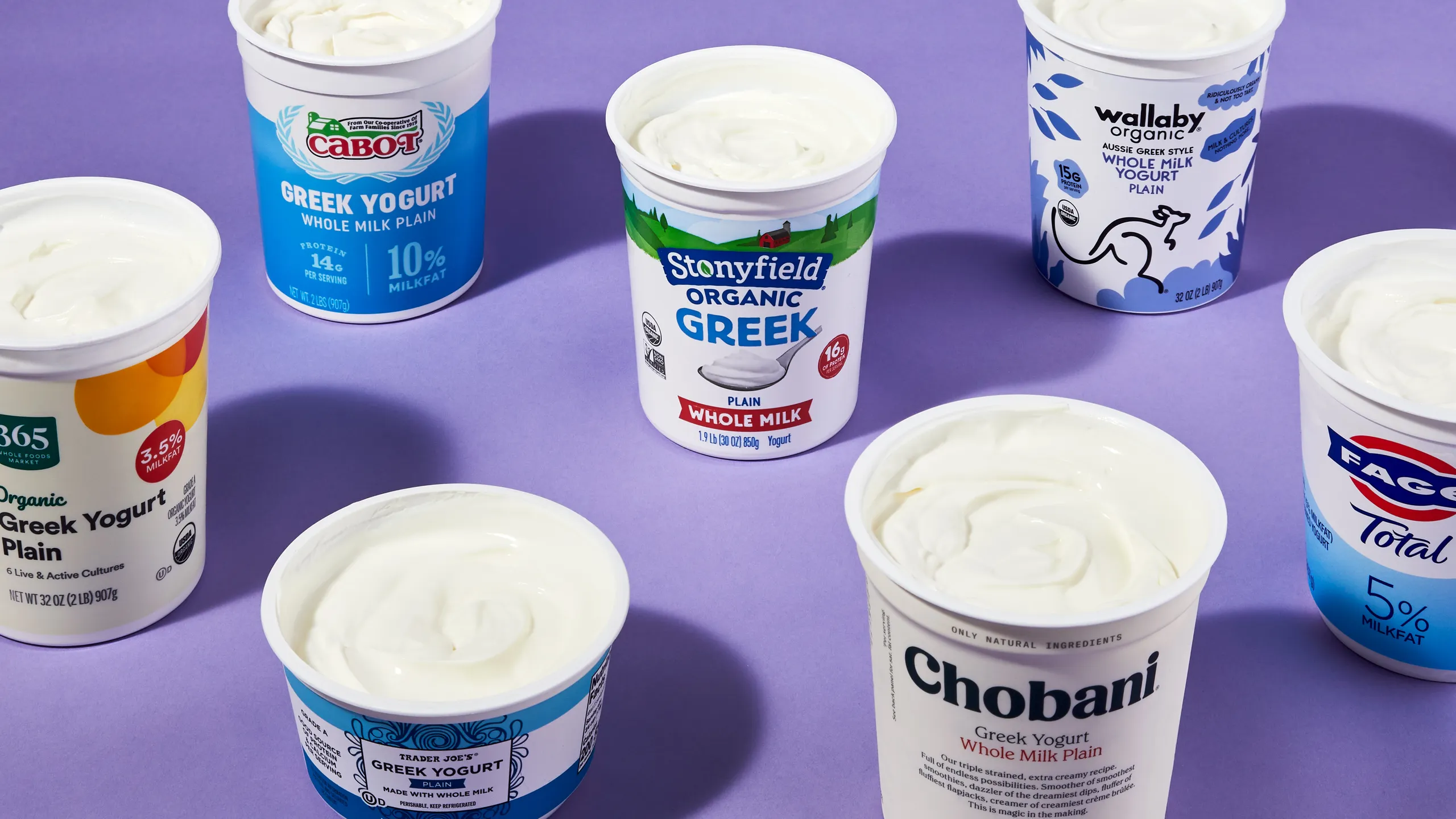
Yogurt is one of those fridge staples that always seems to be either running out or piling up. If you’ve ever stared at a container that’s about to expire and wondered whether you could freeze it and eat it like ice cream, you’re not alone — and the answer is more nuanced than a simple yes or no.
The short version: you can absolutely freeze yogurt, and with a few smart techniques, you can get surprisingly close to a frozen dessert experience. But if you just toss a tub in the freezer and expect to scoop it like Ben & Jerry’s, you’ll likely be disappointed. This guide walks you through everything — from texture science to storage times to the best ways to use frozen yogurt in your kitchen.
Can You Freeze Yogurt?
Yes, you can absolutely freeze yogurt. The key is to keep it in an airtight container and store it in the portions you plan on using. This applies to regular yogurt, Greek yogurt, flavored varieties, and even homemade yogurt.
You can freeze yogurt and eat it like ice cream right out of the container, but the texture and flavor will not match traditional frozen yogurt. Luckily, it’s easy to make your own frozen yogurt dessert by adding fat and sugar, which will bring it to the consistency and flavor you’re familiar with.
It’s best to keep in mind that the main purpose of freezing yogurt is so you can save it for later use. This process is entirely different from making the frozen yogurt dessert fro-yo, which is essentially yogurt with the texture of ice cream. Hence, you can’t just freeze yogurt to make the frozen yogurt dessert. That said, a few simple additions can get you much closer to that creamy, scoopable result.
Pro Tip: If you want to freeze yogurt specifically to eat as a dessert, choose full-fat Greek yogurt and stir in a sweetener before freezing. The fat and sugar both work to minimize ice crystal formation and keep the texture scoopable.
Does Freezing Change the Texture or Taste of Yogurt?
Yes — and it’s worth knowing exactly what to expect before you freeze a full tub. Yogurt is around 70–80% water. When that water freezes, it forms ice crystals that break down the smooth, creamy structure you’re used to.
When you freeze yogurt, this water forms sharp little ice crystals that mess with the delicate protein structure that gives the yogurt its thick, smooth consistency. Once you thaw it out, the yogurt’s original texture is pretty much gone. The whey (the liquid part) separates from the solids, leaving you with a consistency that’s often grainy or gritty, and thinner or watery.
The flavor shift is real too, though less dramatic. Freezing enhances the tart flavor typical of the live bacteria inside yogurt, and the taste may not appeal to everyone. On top of that, freezing dulls sweet flavors, so even if you’re happy with the flavor of your yogurt straight from the carton, chances are you’ll want some sweetener once it’s frozen.
There is good news on the nutrition front, though. This transformation is purely textural. Freezing doesn’t touch the safety or nutritional profile of the yogurt one bit. You’ll still get all that great protein and those probiotic benefits. According to Healthline , the health-boosting live and active bacteria found in yogurt survive freezing.
| Quality Factor | Fresh Yogurt | After Freezing and Thawing |
|---|---|---|
| Texture | Smooth and creamy | Grainy or watery; whey separates |
| Flavor | Balanced, mildly tangy | Slightly more tart; sweetness dulled |
| Probiotics | Fully active | Survive freezing; reactivate on thawing |
| Protein & Calcium | Intact | Largely unaffected |
| Best Use | Eating plain, parfaits, dips | Smoothies, baking, marinades, frozen treats |
How to Freeze Yogurt the Right Way
How you freeze yogurt makes a big difference in what you get out of it. The method you choose should depend on how you plan to use it later.
Freeze in an airtight container: You can freeze yogurt directly in the container you purchased from the store, or in an airtight container if you purchased a big tub and want to divide it up. If you just bought one of those packs with multiple small yogurts, you can put them straight into the freezer with no problem.
Freeze in ice cube trays: Transfer the yogurt into an airtight container or use individual portions in ice cube trays for easy serving later. This is ideal if you plan to use the yogurt in smoothies — you can drop the cubes straight into the blender without thawing.
Freeze in scoops: Use a cookie scoop to put yogurt onto a tray or pan with a lined baking sheet. Freeze it until firm or solid. You can then transfer the frozen yogurt scoops into a freezer-safe bag to save space.
To get closer to an ice cream-like texture, a few additions go a long way:
- Use full-fat yogurt — the more fat content, the creamier the texture. Greek yogurt works great here, especially whole milk.
- Add a sweetener — sugar, honey, or maple syrup actually helps prevent ice crystals from forming. Even if you don’t want it super sweet, just a small amount makes a big impact on creaminess.
- Mix in a little cream or milk — stirring in a splash of heavy cream or even whole milk can help smooth things out.
- Churn it if you can — using an ice cream maker adds air and keeps the texture soft. If you don’t have one, freezing in a shallow dish and stirring every 30 minutes for a few hours also helps.
- Cover the top of the yogurt mixture with parchment paper before freezing. The simple act of adding a layer of parchment on the surface before tightly covering the container will also help keep ice crystals from forming.
Pro Tip: Avoid glass containers when freezing yogurt. Glass can crack as the yogurt expands during freezing. Stick to freezer bags or plastic containers with a little headspace.
If you’re also wondering about freezing other dairy-based products, check out this guide on whether you can freeze coffee creamer for more practical storage tips.
How Long Can You Freeze Yogurt?
You can store yogurt safely in the refrigerator in a closed container at 40°F (4°C) for 1–2 weeks. However, if you decide to store it in the freezer, you can extend its shelf life to 1–2 months. According to the USDA, as cited by MedicineNet , you can keep yogurt in the fridge without spoiling for one to two weeks, and frozen yogurt can keep for up to two months.
Regardless of which method you choose to freeze yogurt — in its own container, a new reusable container, an ice cube tray, in single-serving sleeves, or in scoops — you can keep yogurt in the freezer for up to two months. If you plan to eat the yogurt with a spoon, aim for no more than 30 days in the freezer.
After the six to eight-week storage span, yogurt will get icicles and freezer burn, which isn’t ideal. Write the freeze date on the container with a marker so you always know where you stand.
| Storage Location | Unopened Yogurt | Opened Yogurt |
|---|---|---|
| Refrigerator | 1–2 weeks | 5–7 days |
| Freezer (general use) | Up to 2 months | Up to 2 months |
| Freezer (eating by spoon) | Up to 30 days | Up to 30 days |
How to Thaw Frozen Yogurt
Thawing yogurt correctly is just as important as freezing it correctly. Rushing the process can ruin the texture and, more importantly, create food safety risks.
The absolute best way to thaw yogurt is to move the container from your freezer straight to the fridge. This slow, gradual temperature change is gentle on the yogurt’s delicate protein structure, which helps minimize the watery separation you’ll see. Give it time — a standard container can easily take a full 24 hours to thaw completely.
If you’re short on time, you can keep it on the counter for up to 2 hours. While this won’t fully thaw it, it can soften the yogurt. Just don’t leave it out longer than that.
Whatever you do, never thaw Greek yogurt in the microwave or leave it sitting on the counter for extended periods. The microwave creates hot spots that will literally cook the yogurt, turning it into a lumpy, rubbery mess. And letting it thaw at room temperature is just asking for bacterial growth, making it unsafe to eat.
Once thawed, expect some separation. After thawing, expect separation — don’t panic, this is normal. Whisk it vigorously for 30–60 seconds and it’ll come back together well enough to use. It won’t return to its original smoothness, but for cooking and baking purposes it works just fine.
Important Note: If the yogurt was made from raw milk, don’t thaw it on the counter for any period of time. Yogurt made from raw milk may contain E. coli, which can cause illness.
Can You Refreeze Yogurt After Thawing?
This is one of the most common questions, and the answer leans firmly toward no — at least not if you care about quality. Here’s a hard and fast rule: do not refreeze Greek yogurt after it’s been thawed. Every time yogurt goes through a freeze-thaw cycle, the ice crystals do more damage to its delicate protein structure. Trying to refreeze it will only make the separation worse, leaving you with a texture that’s even grainier and more watery.
From a food safety standpoint, if you have used most of your thawed yogurt but have no idea how to use the rest, you can technically refreeze it — but only if you thawed it in the fridge. If you let it defrost on the counter, discard the rest.
The smarter approach is to avoid the dilemma entirely. For both quality and food safety reasons, it’s always best to thaw only what you plan to use and enjoy it all in one go. Freezing in small individual portions before you ever thaw the yogurt is the most practical solution — and it’s the method most food storage experts recommend.
Yogurt is a nutritious food worth handling carefully. If you’re interested in how other foods affect your health, this article on superfoods for a healthy heart is worth a read.
How to Use Frozen Yogurt (Best Uses After Freezing)
Once yogurt has been frozen and thawed, eating it plain by the spoon is rarely the best option. Frozen yogurt works best in recipes where texture isn’t critical. Smoothies, baking, marinades, and curries are all excellent options because any graininess disappears once the yogurt is blended or mixed into the dish.
Here are the top ways Americans use frozen yogurt at home:
- Smoothies: If you’re not eating the yogurt by the spoon, smoothies are a go-to for using yogurt after freezing. These don’t require the yogurt to be thawed beforehand — just pop the yogurt ice cubes into the blender with the other ingredients.
- Baked goods: Baked recipes don’t need the texture of yogurt to be perfect, so they’re a great yogurt freezer option. Just give the yogurt a quick stir before using it, and you’re good to go. Think muffins, pancakes, quick breads, and coffee cakes.
- Frozen yogurt bark: Spread flavored yogurt on a parchment-lined sheet pan, top with fresh fruit, granola, or chocolate chips, and freeze flat. Break into pieces for a quick frozen snack — no thawing needed.
- Yogurt popsicles: You can also freeze your yogurt into lickable popsicles and eat it straight from the freezer. Mix in fruit puree or honey before pouring into molds for the best results.
- Marinades and sauces: Thawed yogurt works great in main dishes, like the sauce in enchiladas or the base of slow cooker beef stroganoff. The texture change is completely unnoticeable once it’s cooked into a dish.
- Ice cream-style frozen yogurt: Take your favorite yogurt, sweeten it with honey, maple syrup, or your preferred sweetener, and mix in some delicious toppings like fresh fruits, nuts, or chocolate chips. Pour the mixture into a freezer-safe container, cover it tightly, and let it freeze for a few hours until it reaches the desired consistency.
Yogurt is a genuinely versatile ingredient that pairs well with many whole plant-based foods, making it easy to incorporate into a variety of healthy recipes even after freezing.
Pro Tip: Let your frozen yogurt sit at room temperature for about 10–15 minutes before breaking it up with a spoon and then scooping if you’re going for a dessert-style serving.
Signs That Frozen Yogurt Has Gone Bad
Frozen yogurt that has been stored correctly is safe to eat, but there are a few signs that tell you it’s time to toss it. Knowing what to look for protects you from consuming spoiled dairy.
Visual signs: Mold growth or color changes are signs that yogurt has gone bad. Mold can develop if yogurt has been left out at room temperature for extended periods or if it was improperly stored. Any visible mold or unusual discoloration is a red flag that the yogurt should be discarded.
Smell and taste: If the yogurt has developed a sour, off, or fermented smell after thawing, it’s a clear sign that it has started to spoil. Spoiled yogurt can be harmful if consumed, so it should not be refrozen or eaten. A slightly more tart smell is normal after freezing — a genuinely off or rancid odor is not.
Texture red flags: The separation of liquid is a natural part of yogurt freezing, but if it’s excessive after thawing, refreezing may cause the yogurt to become unpleasantly watery and lumpy. Some separation is expected and can be stirred back together. Extreme wateriness or a slimy film is a different story.
Freezer burn: After a while, the yogurt will change texture, get freezer burn, and just not be that great. However, you can use that frosty yogurt in recipes like blueberry coffee cake or add it to oatmeal for extra protein. Mild freezer burn doesn’t make yogurt unsafe, but it does affect flavor.
According to Healthline , you should discard any yogurt that smells off or has noticeable signs of microbial growth, such as black mold or a slimy film, regardless of whether it has passed its expiration date.
Eating well goes beyond just safe food storage. If you’re looking to support your body from the inside out, explore these powerful nutrients and foods that fight cancer or learn about foods that can help enhance your liver function.
Frequently Asked Questions
Can You Freeze Greek Yogurt?
Greek yogurt is strained, so it contains less water than regular yogurt. Less water means fewer ice crystals, which means less structural damage. Full-fat Greek yogurt freezes best of all — the fat content helps limit ice crystal formation further, and the result after thawing is noticeably better than low-fat varieties.
Does Freezing Yogurt Kill the Probiotics?
No, the health benefits of good bacteria in yogurt are not destroyed in the freezing process. They are, however, destroyed when yogurt is heated. Research published in the Journal of Dairy Science , as cited by MedicineNet, found that bacterial strains in yogurt survive extended freezing periods without significant decline.
Can You Freeze Flavored Yogurt?
Some flavors may change slightly after freezing, particularly for flavored yogurts, which might lose some of their intensity. Plain yogurt generally retains its flavor well after freezing, while flavored yogurts may taste less vibrant than fresh. You can freeze any flavored yogurt in its original container or a freezer-safe container.
Can You Freeze Yogurt for Babies?
Yes, you can freeze yogurt for babies. There is no harm in doing so, as long as you don’t keep the food in the freezer beyond the two-month limit. Within this range, babies can still get all the nutritional benefits from yogurt’s good bacteria. They might even enjoy sucking on mini frozen yogurt treats from time to time.
What Is the Best Type of Yogurt to Freeze?
If you’re planning to eat yogurt straight out of the container after freezing it, look for products that incorporate a stabilizer. Ingredients like pectin (a fruit fiber), xanthan gum (a sugar), and gelatin (a protein) prevent yogurt from separating in the freezing process. For cooking and baking, any yogurt works well regardless of stabilizer content.
How Do You Make Frozen Yogurt Creamier?
Greek yogurt has a rich and tangy flavor, and it is far thicker in consistency. Greek yogurt is known as concentrated or strained yogurt where whey and other liquids have been eliminated, which makes a better, creamier base for fro-yo. Adding sugar or honey before freezing also lowers the freezing point, keeping the texture softer and more scoopable. For more ideas on nutritious foods to add to your routine, check out this guide to fibroid healing foods or explore foods that promote healthy skin.