Can You Freeze Rice for Fried Rice? Everything You Need to Know

November 13, 2026
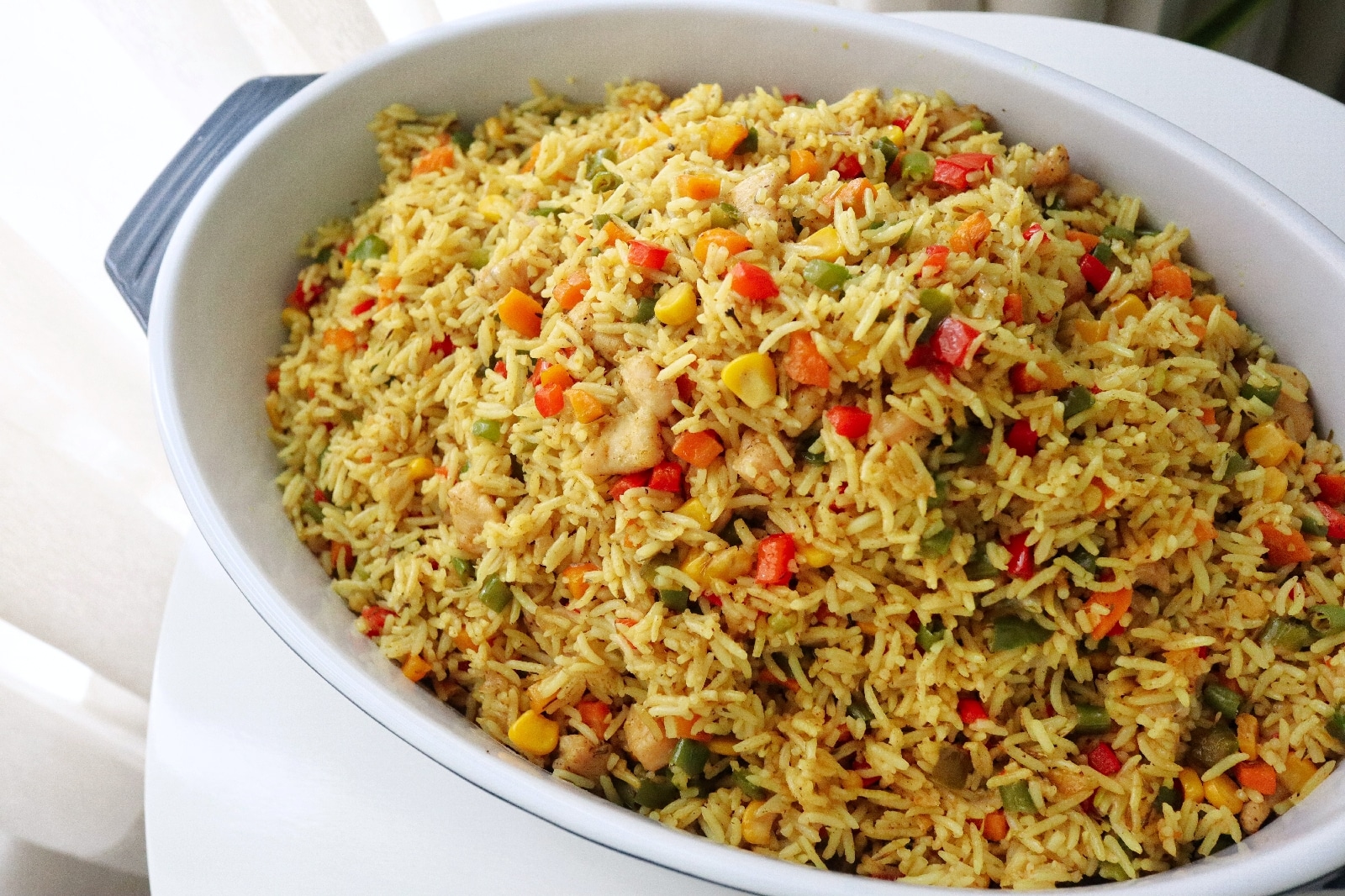
Freezing rice for fried rice is one of the smartest meal-prep moves you can make. Whether you cooked too much jasmine rice for dinner or you want a head start on a quick weeknight stir-fry, the freezer is your friend — as long as you follow a few key steps.
The short answer is yes: fried rice freezes well and can be stored in the freezer for up to three months without losing much flavor or texture. The longer answer involves how you cool it, how you pack it, and how you reheat it — all of which make a real difference in the final result. This guide walks you through every step, from freezing plain cooked rice to handling a full batch of already-made fried rice.
Can You Freeze Rice?
You can easily freeze cooked rice, which is great if you’ve made too much or got a surplus delivered with your takeout. You can even freeze rice that has other ingredients mixed in, including veggies or meat — and fried rice is an excellent example.
There is one important safety point to understand before you freeze any cooked rice. Rice can contain a bacteria called Bacillus cereus, which can survive the cooking process and may lead to food poisoning. Since the bacteria thrive at room temperature, cooling rice as soon as possible after cooking is the safest policy. Sticking rice in the freezer stops potential bacteria growth in its tracks, which makes freezing a safer option than refrigeration.
The United States Department of Agriculture says that cooked food should not be left at room temperature for more than two hours — this is especially true with starchy foods such as rice because of the Bacillus cereus pathogen. For rice specifically, many food safety experts recommend an even tighter one-hour window. Health Canada and the US FDA recommend refrigerating cooked rice within one hour of cooking — not the standard two-hour window that applies to most cooked foods — because rice is a known high-risk environment for Bacillus cereus growth and toxin production.
Fried rice freezes well and is one of the better rice dishes for freezer storage because its lower moisture content — compared to plain boiled rice — prevents the grains from becoming mushy when frozen. That is good news if you are working with a fully assembled batch of fried rice and want to save it for later.
Pro Tip: Cook a double or triple batch of plain rice whenever you make it, then freeze the extra in portioned bags. You will always have ready-to-fry rice on hand without any extra planning.
Does Freezing Change the Texture or Taste of Rice?
Freezing does change rice slightly, but the difference is manageable — and for fried rice specifically, it can actually work in your favor. Refrigeration accelerates a process called retrogradation in cooked starch, where amylose molecules in the rice recrystallize and form a firmer gel structure. This is why cold rice is harder and more firm than freshly cooked rice. The same process happens in the freezer, and that firmer texture is exactly what makes day-old or frozen rice ideal for stir-frying.
Not all rice varieties respond equally. Longer-grained varieties, such as jasmine and basmati rice, tend to dry out a bit. Reheating them with extra water or broth — or simply freezing them for a little less time — helps. Brown rice freezes well too, keeping its hearty texture even after a couple of months.
The texture after freezing is slightly softer than fresh but still acceptable, particularly if the rice was a drier, well-separated fried rice to begin with. If you are freezing plain cooked rice to use later in a fried rice recipe, the firmer post-freeze texture is a genuine advantage — it holds up in a hot wok without turning to mush. You can also check out how many calories are in fried rice if you are tracking nutrition alongside your meal prep.
How to Freeze Rice the Right Way
The steps below apply whether you are freezing plain cooked rice to use later in fried rice, or freezing a fully assembled batch of fried rice. The process is the same — the key is speed and airtight packaging.
- Cool it fast. Spread the cooked rice in a thin layer on a baking sheet to help it cool faster. Let it reach room temperature, but don’t leave it out for more than two hours for food safety. Aim for one hour or less.
- Flash-freeze for separated grains. Cool the fried rice until it is just cool to the touch, spread it in a thin layer on a baking sheet, and pop it in the freezer for one to two hours. This flash-freezing keeps the grains separate and stops clumping.
- Portion before packing. Portion into meal-sized amounts in freezer bags or containers before freezing — the entire block does not need to be thawed at once. Most people use one-half to one and a half cups of cooked rice per serving.
- Remove the air. Freezer burn happens when air reaches the food’s surface and dries it out. To prevent it, always squeeze out air from your freezer bags or use a vacuum sealer. Spread the rice flat in freezer bags to allow thin, uniform freezing, which means faster thawing and fewer ice crystals forming large clusters that damage texture.
- Label every bag. Label the bags with the contents, date, and number of cups of rice. All frozen fried rice looks identical after two weeks.
- Set your freezer correctly. Keep your freezer at 0°F (−18°C) or below to slow down ice crystal formation, which leads to freezer burn.
Pro Tip: Skip the flash-freeze step if you are short on time — just pack cooled rice directly into bags, press flat, and freeze. Flash-freezing gives better grain separation, but properly packed flat bags still produce good results.
How Long Can You Freeze Rice?
The answer depends on what you are freezing and what your quality standard is. Here is a quick comparison:
| Rice Type | Best Quality Window | Safe Beyond That? |
|---|---|---|
| Plain white rice | 1–3 months | Yes, up to 6 months per Food Network , though quality drops |
| Brown rice | 1–2 months | Yes, but oils in the bran can turn rancid faster |
| Fully assembled fried rice | 1–2 months | Yes, but texture and flavor decline after that |
| Fried rice with egg or seafood | 1 month | Use within 1 month for best results |
The USDA Food Safety and Inspection Service confirms that frozen rice remains safe indefinitely, though quality peaks within six months. For fried rice specifically, using rice within two to three months gives the best flavor and texture.
Any longer than three months will lead to dried out, flavorless rice. It may also become unsafe to eat if it’s not stored in an airtight container. The takeaway: freeze it right, use it within two to three months, and you will be in good shape.
How to Thaw Frozen Rice
You have two solid options for thawing frozen rice, and one of them skips thawing entirely.
Option 1: Microwave directly from frozen. Add a tablespoon of water per cup of rice, cover loosely, and microwave on high in one-minute increments, stirring between cycles, until heated through to 165°F (74°C). This is the fastest method and works well for both plain rice and assembled fried rice.
Option 2: Thaw overnight in the fridge. The best way to thaw fried rice is in the fridge overnight. This prevents bacteria growth and keeps texture firm. Once defrosted, use within 24 hours.
Option 3: Stovetop from frozen. You can thaw rice on the stovetop by placing it in a saucepan with a couple of tablespoons of water. Cover the pan and cook on low heat, stirring occasionally and adding more water as needed to prevent sticking.
Important Note: Never thaw rice at room temperature. Once thawed, rice enters the bacterial danger zone (40°F–140°F) quickly. Always thaw in the fridge or go straight from freezer to heat.
When you thaw rice to use in fried rice, the fridge-overnight method is often ideal. The rice comes out cold and firm — perfect for tossing straight into a hot skillet. Need ideas for what to serve alongside your finished dish? Check out these side dishes to serve with fried rice or these vegetarian options to serve with fried rice for a complete meal.
Can You Refreeze Rice After Thawing?
No — and this is one rule you should not bend. Do not refreeze once thawed. It’s crucial to only reheat frozen rice once. Avoid refreezing or reheating it again, as this can create conditions for bacteria growth. Any leftovers after reheating should be discarded to ensure safety.
The science behind this is straightforward. Freezing will stop bacteria growth, but remember it starts again when thawed. Each time rice passes through the temperature danger zone, Bacillus cereus has another opportunity to multiply and produce toxins. Each cooling cycle gives spores another opportunity to germinate and produce toxins.
The practical fix is simple: portion into meal-sized amounts in freezer bags or containers before freezing — the entire block does not need to be thawed at once. Single-serving portions mean you only ever thaw what you need.
How to Use Frozen Rice (Best Uses After Freezing)
Frozen rice — whether plain or already fried — is one of the most versatile things you can keep in your freezer. Here are the best ways to put it to work:
- Fried rice from plain frozen rice: This is best when cooked either partially or fully defrosted. Heat one to two tablespoons of oil in a large skillet or pan — if using a nonstick pan you may not need oil. Add the rice mixture and “fry” by cooking over medium-low heat, stirring occasionally. Add eggs, vegetables, soy sauce, and any protein you like.
- Reheating fully assembled frozen fried rice: Reheat directly from frozen in a covered skillet with two tablespoons of water, or microwave on high in two-minute intervals until heated through.
- Rice bowls and grain bowls: Thaw a portion in the microwave, top with a fried egg, avocado, pickled vegetables, and a drizzle of sesame oil for a fast lunch.
- Soups and stews: Drop frozen rice directly into simmering broth — it thaws and heats in minutes, adding body to the dish without any extra work.
- Stuffed peppers and casseroles: Frozen rice works well in baked dishes where it will absorb moisture from surrounding ingredients as it heats through.
Be sure not to crowd the pan. It is better to cook fried rice in two batches — if the pan is too full it will not have the texture that fried rice should. A wide cast-iron skillet or a wok gives you the best surface area and heat retention.
Looking for more meal inspiration? Browse famous foods in Boston or explore traditional Greek foods for ideas on how global cuisines use rice-based dishes in creative ways. And if you are thinking about the nutritional side of your meals, you might find this guide on superfoods for a healthy heart useful alongside a balanced rice-based diet.
Signs That Frozen Rice Has Gone Bad
Rice is trickier than most foods when it comes to spoilage. Cooked rice contaminated with B. cereus toxins often shows no visible or olfactory signs of spoilage. The rice can look normal, smell normal, and taste normal while containing toxin levels sufficient to cause illness. This is why the time rules matter more than the sensory checks for rice.
That said, there are visible and olfactory signs of conventional spoilage to watch for:
- Off smell: Bad fried rice develops a sour, fermented, or musty smell — caused by bacterial metabolic activity. This smell is a later-stage sign — by the time fried rice smells bad, it has been spoiling for a while. A sour smell means definitive discard.
- Slimy texture: Properly stored cold rice should feel slightly firm and separate easily. Slimy, sticky-in-a-wrong-way, or unusually clumped rice may indicate bacterial growth.
- Visible mold: Mold on fried rice typically appears as white, blue-green, gray, or black fuzzy spots, usually starting on the surface of the rice or on any vegetable pieces with high moisture content. Fried rice with high egg and vegetable content tends to mold faster because of the additional moisture. If you see mold on any part of the fried rice, discard the entire container.
- Unusual color: Yellowing, grayish cast, or any discoloration beyond the normal white or brown of the rice variety is a reason to discard.
- Severe freezer burn: Heavy gray or white patches with a dry, papery texture mean the rice has lost too much moisture. It is technically safe but will taste unpleasant.
- Time exceeded: If refrigerated rice has been in the fridge longer than four days, discard it regardless of how it looks or smells. The same logic applies to frozen rice past the two-to-three-month quality window — when in doubt, throw it out.
Important Note: According to the Cleveland Clinic , fried rice syndrome is food poisoning caused by Bacillus cereus. Because the toxins it produces are heat-stable, reheating contaminated rice does not make it safe. Proper storage timing is the only reliable defense.
Frequently Asked Questions
Can you freeze uncooked rice?
Yes, but uncooked rice does not need freezing for safety. Uncooked rice carries no meaningful food safety risk because the moisture content is too low for bacteria to grow. White rice stored in a sealed container in a cool, dry pantry lasts four to five years with no quality loss. Freezing uncooked rice is mainly useful for killing weevil eggs if you suspect an infestation.
Is it better to freeze rice before or after making fried rice?
Both work, but they serve different purposes. Freezing plain cooked rice gives you more flexibility — you can use it in fried rice, soups, bowls, or casseroles. You can “fry” it after you freeze it when you are ready to use it. Cooking it after you freeze it gives it the best texture, and frying really does not take that long, so it is still an easy meal to keep in the freezer. Freezing fully assembled fried rice is the better option when you want a complete ready-to-reheat meal.
How long does cooked rice last in the fridge before freezing?
According to the USDA FoodKeeper app from FoodSafety.gov, cooked rice kept properly refrigerated at 40°F or below is safe for three to four days. After four days, discard it even if it looks and smells completely normal. If you know you will not eat it within that window, freeze it on the first or second day rather than waiting.
Can you freeze takeout fried rice?
You can easily freeze cooked rice, which is great if you’ve made too much or got a surplus delivered with your takeout. You can even freeze rice that has other ingredients mixed in, including veggies or meat — fried rice is an excellent example. The catch with takeout is that you do not know how long the rice sat before it reached you. Freeze it the same day you receive it and use it within one month to be safe. Note that Love Food Hate Waste
does not recommend refreezing takeout rice that may have already been reheated once.
What is the best rice for fried rice after freezing?
Long-grain white rice — including standard long-grain, jasmine, and basmati — is the most common choice for American-style fried rice. This works best with rice that’s cooked firm and not mushy. Slightly undercooked rice freezes and re-fries better than rice that was fully soft to begin with. Brown rice also holds up well; chewy, nutty brown rice freezes well, keeping its hearty texture even after a couple of months.
Does frozen rice need to be thawed before making fried rice?
No. You can add frozen rice directly to a hot oiled skillet. Break up any clumps with a spatula as it heats. The moisture released as it thaws actually helps the rice steam briefly before the high heat dries it out and creates the characteristic slightly crispy texture. For the best texture, reheat rice straight from the freezer — no thawing needed. Sprinkle with a tablespoon of water, cover, and microwave until hot. You can also steam it in a saucepan over low heat.