Can You Freeze Watermelon Chunks? Everything You Need to Know

November 13, 2026
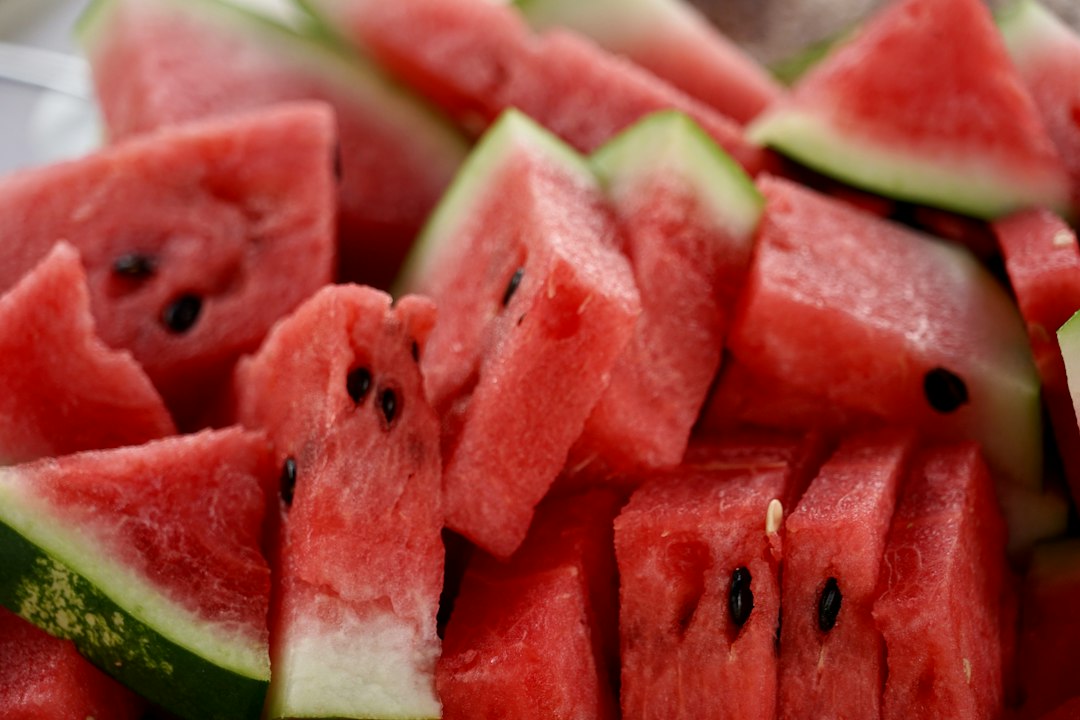
Watermelon is one of those summer staples that always seems to show up in quantities too large to finish before it starts to turn. Whether you bought a whole melon at a roadside stand, grabbed a pre-cut container at Costco, or ended up with half a melon after a backyard cookout, the same question comes up: can you freeze watermelon chunks to use later?
The short answer is yes — and it’s easier than you might think. The longer answer involves a few honest trade-offs around texture and the best ways to put frozen watermelon to work. This guide covers everything from the freezing process to thawing tips, storage times, and the smartest ways to use what comes out of your freezer.
Can You Freeze Watermelon?
Watermelon is 92% water, so it absolutely will freeze, according to Stephanie Barlow, Senior Director of Communications at the National Watermelon Promotion Board. That high water content is actually what makes it so easy to freeze solid — and also what causes the texture changes you’ll notice after thawing.
Watermelon absolutely can be frozen, which means you can always have some available to add to your recipes or enjoy as a snack on its own. The key is going in with the right expectations. For those okay with a texture change, popping watermelon cubes in the freezer is absolutely safe — and can be done easily to preserve the summer fruit.
You can freeze any color of watermelon. Red watermelon is most commonly sold at grocery stores, but your local farmer’s market might have yellow, pink, or even orange watermelons — and all varieties can be frozen. One thing to avoid: it’s not a good idea to freeze a whole watermelon because it will be nearly impossible to cut when it’s a gigantic oval ice ball — and who has the room in the freezer anyway?
Pro Tip: Always start with the freshest, ripest watermelon you can find. Freezing preserves quality but won’t improve a melon that’s already past its prime.
Does Freezing Change the Texture or Taste of Watermelon?
Yes — and it’s worth knowing exactly what to expect before you freeze a whole melon’s worth of chunks. The texture does change: the flesh won’t have the same toothsome bite it offers prior to freezing, and the sweetness drops just a little. This is a natural result of what happens to water-dense produce in the freezer.
Thawing frozen watermelon is not recommended because the texture will change significantly. Fruits and vegetables that are high in water content — like watermelon, which is about 92% water — will tend to be mushy after you freeze them. Fully thawed, frozen watermelon is closer to puree in texture.
When thawed, frozen watermelon will never be as firm and crisp as its original, fresh-picked self, since the high water content inevitably creates a slushy consistency. But luckily, this texture is just what you need for naturally sweet, flavorful smoothies, slushies, and icy toppings.
Freezing watermelon can neutralize some of the sweetness. If you prefer a sweeter result, you can toss your watermelon slices in sugar before flash freezing them. Alternatively, a squeeze of fresh lime juice added before blending can brighten the flavor noticeably.
Key Insight: The texture change is not a sign that something went wrong — it’s simply how watermelon behaves in the freezer. Plan your use cases around blended or semi-frozen applications and you’ll get great results every time.
How to Freeze Watermelon the Right Way
The process takes about 10 minutes of prep time, plus a few hours of hands-off freezing. Follow these steps and your chunks will come out individually frozen and easy to grab by the handful.
- Cut and prep the watermelon. Cut the watermelon into smaller pieces, making sure to cut off the watermelon rind and remove the seeds. You can freeze watermelon slices, cubes, chunks, or balls created with a melon baller. Aim for uniform pieces so they freeze at the same rate.
- Line a baking sheet. Place the melon pieces on a baking tray. Lining the tray with parchment or wax paper first makes removing the frozen pieces easier.
- Arrange in a single layer. Arrange the watermelon chunks into a single layer on the lined baking sheet, making sure that the pieces aren’t touching, so they won’t stick together later.
- Flash freeze. Place the baking sheet in the freezer and let the watermelon freeze for about two hours. Flash freezing the watermelon will make sure the pieces don’t stick together when you put them in a freezer bag for easy storage.
- Transfer to airtight storage. Once the watermelon is frozen, transfer the pieces to an airtight container so they won’t pick up any other flavors from your freezer.
- Label and date the bag. Make sure to label and date your packages so that you know how long your watermelon has been in frozen storage and can be sure to use it up in a timely manner.
You can also freeze watermelon as a puree. This option takes up less space in your freezer and is the perfect portion size for tossing into beverages and smoothies. Once blended, pour the puree into an ice cube tray, leaving a bit of headspace since watermelon expands as it freezes. After the cubes are frozen solid, toss them into freezer bags or another freezer-safe container.
For more detail on the full freezing process, see this guide to freezing fresh watermelon chunks. If you have a dog and want to share the frozen treat, check out whether you can freeze watermelon for dogs before offering any to your pet.
How Long Can You Freeze Watermelon?
Storage time depends on how well the watermelon is sealed and whether your freezer maintains a consistent temperature. When stored properly and kept at a consistent frozen temperature, watermelon can be kept in the freezer for 9 to 12 months. The texture and taste will, however, be better the sooner it is consumed.
Some sources cite a shorter window. Frozen watermelon can be stored in the freezer for 3 to 6 months when it’s tightly sealed. The difference in estimates comes down to storage conditions — a chest freezer that stays at a steady 0°F will preserve quality longer than a frequently opened refrigerator-freezer combo.
| Form | Recommended Freezer Life | Notes |
|---|---|---|
| Chunks or cubes | 3–12 months | Best quality within 6 months; use airtight bags |
| Puree (ice cube trays) | Up to 3 months | Portion into 1-cup increments for easy use |
| Juice (frozen) | Approximately 2 months | Store in freezer-safe, airtight container |
Watermelon is a fruit worth preserving, partly because of its nutritional value. It contains lycopene, vitamin C, and other powerful nutrients found in foods that support overall health. Freezing lets you extend access to those benefits well past the summer season.
How to Thaw Frozen Watermelon
The best approach depends on how you plan to use the watermelon. In most cases, you won’t need to thaw it at all.
For the best taste and texture, it’s best to eat or use frozen watermelon while it’s still frozen. That means using watermelon puree or juice ice cubes in drinks, and tossing frozen chunks into smoothies. In most cases, you don’t want to consume completely thawed watermelon as it goes through some textural changes as it defrosts, becoming a bit soggy. If it remains at least partially frozen, however, it will retain some crispness and be all the more refreshing.
If you do need to thaw it, the refrigerator is your best option. When it comes to defrosting, it’s best to do it in the fridge overnight. Defrosting at room temperature is only an option for smaller chunks that will thaw within about an hour. You should eat the melon immediately upon thawing if you opt for this route.
- For smoothies and blended drinks: Add chunks directly from the freezer — no thawing needed.
- For sorbet: Use fully frozen chunks in a food processor.
- For recipes using puree: Thaw in the refrigerator for a few hours and drain any excess liquid.
- For eating as a snack: Let sit at room temperature for 10–15 minutes until slightly softened but still icy.
Can You Refreeze Watermelon After Thawing?
No — refreezing thawed watermelon is not recommended. Whether you have watermelon chunks, fruit juices, or frozen watermelon cubes, never freeze it more than once. This applies to any frozen fruit and other fruit juices. Once it starts to defrost, it should be used as soon as possible.
The reason comes down to both texture and food safety. Each freeze-thaw cycle breaks down the cell structure further, resulting in an even mushier, more watery product. Beyond texture, partially thawed fruit that sits at room temperature can become a breeding ground for bacteria. The CDC advises not letting cut watermelon sit out at room temperature for more than two hours to prevent bacterial growth.
The best way to avoid the refreezing problem is to portion your watermelon before the first freeze. Freeze in smaller bags or containers so you only pull out what you need for a single use.
Important Note: If frozen watermelon has been sitting at room temperature for more than two hours, discard it rather than refreeze it. Food safety always comes first.
How to Use Frozen Watermelon (Best Uses After Freezing)
Frozen watermelon is most at home in blended and semi-frozen applications. When thawed, frozen watermelon will never be as firm and crisp as its original, fresh-picked self — but this texture is just what you need for naturally sweet, flavorful smoothies, slushies, and icy toppings. Here are the best ways to put it to use:
- Smoothies: Freezing watermelon for smoothies is a wonderful way to prolong the flavors of summer. Freezing the watermelon as chunks or balls is advised if you plan to add it to smoothies.
- Sorbet: An easy sorbet recipe is to pulse frozen melon in a food processor with a little lemon juice. Add a tiny bit of sugar if needed.
- Cocktails and mocktails: Frozen watermelon is a natural companion in beverages. Use it to create a traditional or virgin daiquiri or margarita.
- Watermelon “ice cubes”: You can freeze the slush in ice trays and use the cubes to flavor sparkling water or cocktails.
- Popsicles: You can freeze cubed watermelon with other fruits, such as kiwi or strawberry, in a little orange or pineapple juice to make popsicles kids will love.
- Watermelon lemonade: Blend the melon puree with lemons for tasty lemonade.
- Sore throat relief: Frozen watermelon chunks — packed with Vitamin C — make a great treat for folks fighting sore throats or colds.
Watermelon’s nutritional profile makes it a smart ingredient to keep on hand year-round. It’s a fruit that supports heart health and contributes to healthy eyesight thanks to its lycopene and vitamin A content. You might also be surprised by what you can do with watermelon seeds — they’re more useful than most people realize.
Signs That Frozen Watermelon Has Gone Bad
Frozen watermelon doesn’t spoil the same way fresh watermelon does, but it can degrade in quality or become unsafe to eat. Here’s what to look for before using it.
Freezer burn. This shows up as dry, grayish-white patches on the surface of the chunks. Freezer-burned watermelon is safe to eat but will taste bland and have an unpleasant, papery texture. It’s a sign the watermelon wasn’t sealed tightly enough.
Off odors. A sour, fermented, or unpleasant smell is a red flag for spoilage. If the watermelon smells wrong when you open the bag, discard it.
Color changes. Fresh watermelon flesh should be vibrant red or deep pink. If you see dark spots, brown patches, or a dull hue, it’s time to toss it. Some color shift is normal after extended freezing, but dramatic discoloration suggests the fruit has gone bad.
Excessive ice crystals. A small amount of frost inside the bag is normal. A large buildup of ice crystals — especially if the chunks look shrunken — means the watermelon has been in the freezer too long or experienced temperature fluctuations. It’s still technically safe but will be very watery after thawing.
Slimy or mushy texture after thawing. Watermelon will taste sour, change color, and become mushy when it goes off. Some softness is expected after freezing, but a slimy texture or pooling liquid with a sour smell means it’s time to throw it out.
When in doubt, follow the standard food safety rule: when in doubt, throw it out. Watermelon that has gone bad can harbor bacteria like Salmonella, Listeria, and E. coli , according to Keep Food Safe.
If you’re interested in building a diet around whole, nutrient-dense foods, frozen watermelon fits right in. Explore more about whole plant-based foods and how they support long-term wellness, or learn about foods that support liver function for a broader look at food as medicine.
Frequently Asked Questions
Can You Freeze Watermelon Without It Getting Mushy?
No — freezing watermelon will cause it to become mushy when thawed due to its high water content. The best way to minimize this is to use frozen watermelon while it’s still partially frozen, or blend it directly into smoothies and drinks without thawing.
Do You Need to Remove Seeds Before Freezing?
Seedless watermelon is easier to freeze. Watermelon seeds are safe to eat, but they can be a pain to deal with later, especially if you’re planning on eating the frozen watermelon cubes as a snack straight from the freezer. Removing them before freezing saves you the trouble later.
Can You Freeze Watermelon Puree?
Yes. You can freeze watermelon puree in ice cube trays. Flash freeze the ice cube tray, then place the cubes in a freezer bag or airtight container. You can use the frozen puree to make popsicles or refreshing beverages, like watermelon lemonade, watermelon margaritas, smoothies, or sorbet.
How Long Does Fresh Watermelon Last Before You Need to Freeze It?
Once sliced, watermelon only lasts about four days in the refrigerator. If you know you won’t finish it within that window, freezing it right away gives you the best possible quality in the freezer.
Can You Use Frozen Watermelon in Fruit Salad?
It’s possible but not ideal. If using frozen watermelon in a fruit salad, make sure the bulk of the salad is made of fresh fruits. Fresh fruit beats frozen and thawed any day, but most people won’t notice the difference if a small portion comes from the latter category. Taste the thawed watermelon first to make sure it’s still pleasant.
Is Frozen Watermelon Good for Dogs?
Plain, seedless watermelon is generally safe for dogs in moderation, but there are specific guidelines to follow. Check out this dedicated guide on freezing watermelon for dogs before sharing any frozen treats with your pet.