Can You Freeze Refried Beans? Everything You Need to Know

November 8, 2026
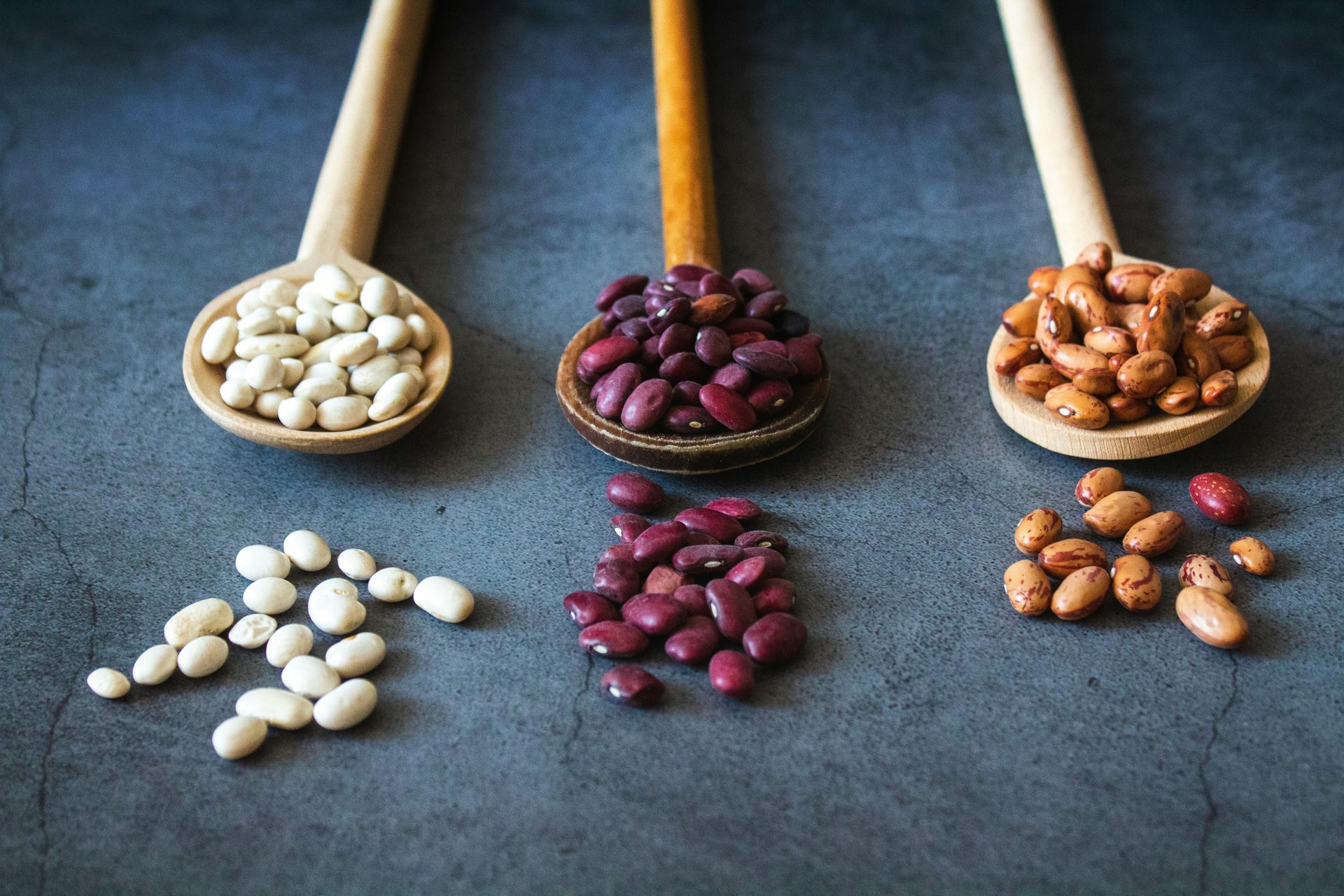
Refried beans are one of those pantry staples that show up everywhere in American kitchens — tucked into burritos, spread across tostadas, stirred into dips for game day, or served alongside tacos on a weeknight. The problem is that a standard can or a big homemade batch almost always leaves you with more than you can use in one sitting.
The good news is that freezing refried beans works well, and the process is straightforward once you know the right steps. Whether you made them from scratch or cracked open a store-bought can, this guide walks you through everything — from how freezing changes the texture to how long they last and what to do when you’re ready to use them again.
Can You Freeze Refried Beans?
Yes, it’s perfectly okay to freeze refried beans. According to the Freeze It blog, refried beans can last up to 12 months in your freezer — and that goes for both canned refried beans you buy at the store and those you make yourself.
Refried beans actually freeze very well, and pulling it off is as easy as transferring them to airtight containers or zip-top plastic bags, then placing those into the freezer. That said, there are a few things worth knowing before you toss them in.
You shouldn’t just put a can of refried beans in the freezer and call it a day. There’s a specific process to freezing them correctly so they last as long as possible. The biggest rule: never freeze them directly in the original metal can.
Pro Tip: Freeze refried beans in meal-sized portions rather than one large block. That way, you only thaw what you need and avoid waste.
Does Freezing Change the Texture or Taste of Refried Beans?
If stored properly, refried beans will look and taste nearly the same as they did coming out of the can, as long as you’re careful to prevent freezer burn. That said, freezing does cause some changes you should expect.
Refried beans will thicken with time in the freezer. Once thawed, the beans may look a little dried out or pale. Simply pour in a bit of water or oil to moisten, then stir to combine. The beans should return to their regular consistency and the flavor should not be affected.
The beans can become watery, grainy, or mushy after thawing and refreezing. This occurs because freezing causes the water inside the beans to form ice crystals, which break down cell walls. When thawed, these broken cells release moisture, affecting the creamy texture that refried beans are known for.
Since the freezer may dull the taste, try to liven up your refried beans for a boost of flavor before you add them to your meals. A pinch of cumin, a squeeze of lime, or a splash of chicken broth can bring them right back to life on the stovetop.
| Quality Factor | Before Freezing | After Thawing | Fix |
|---|---|---|---|
| Texture | Creamy, smooth | May thicken or dry out | Stir in water, broth, or oil |
| Flavor | Full, seasoned | Slightly dulled | Add fresh spices or lime juice |
| Color | Deep brown | May look pale | Reheat on stove with a little fat |
| Safety | Fresh | Safe if stored correctly | Use within 48 hours of thawing |
How to Freeze Refried Beans the Right Way
Getting the process right makes a real difference in quality. Follow these steps whether you’re working with homemade refried beans or leftovers from a can.
- Cool them completely first. Always cool the beans completely before you pop them into the freezer. Warm beans will be more susceptible to freezer burn, which is usually safe to eat, but doesn’t make for the most pleasant eating experience.
- Transfer out of the can. If you are going to freeze refried beans, you’ll first have to take them out of the aluminum can. Leaving them in the can is a safety hazard — the metal can expand and cause a mess or worse.
- Portion them out. Before you freeze all your refried beans in one bag, consider that most recipes only call for a small amount. So instead of reaching for the quart-sized freezer bags, grab the snack-size bags and freeze your leftover refried beans in smaller portions — try freezing them in ¼-cup increments.
- Use freezer-safe containers or bags. It’s up to you whether you want to store leftover refried beans in freezer bags or plastic containers — freezer bags may take up less room. Regardless of which you choose, make sure they are specifically designed for storage in the freezer. Otherwise, you could get freezer burn on your refried beans and have to throw them out.
- Add a thin layer of oil. Adding a little olive or avocado oil to the beans before you seal the container will create a barrier between the beans and any lingering air, plus the oil will help keep the beans nice and moist when it’s time to defrost.
- Remove as much air as possible. Remove all (or as much) of the air as possible. The less air inside the container, the less chance the beans have of getting freezer burn.
- Label and date everything. You don’t want to lose the refried beans in the depths of your freezer and then toss them months down the road when you don’t know what they are or how long they’ve been there. This can easily be avoided by labeling your containers with their contents and the date you first put them in the freezer.
- Lay bags flat. If using zip-top bags, place them flat in the freezer until solid. This saves space and helps the beans freeze evenly.
Pro Tip: If you want to make sure that your refried beans will have a longer life in the freezer, you can use a vacuum sealer. These appliances can take out all the air in the bags or containers, which slows down the deterioration of the dish.
How Long Can You Freeze Refried Beans?
When properly stored in an airtight container or freezer-safe bag, refried beans can be safely frozen for up to 3 months without significant safety concerns. For best eating quality, most sources agree that 3 months is the sweet spot.
It is important to remember that canned refried beans include preservatives that extend their shelf life. So, the ones you make yourself won’t last as long as those you buy at the grocery store. Home-cooked refried beans last around three to six months when frozen.
Refried beans will stay fresh in your freezer for at least three months, but they’ll start to dry out even under the best conditions if you don’t use them in that time. Plus, it’s easy to misplace a small bag of beans only to find them several months later hiding behind a bag of peas. Labeling with the date solves that problem completely.
| Type | Refrigerator | Freezer (Best Quality) | Freezer (Safe, Reduced Quality) |
|---|---|---|---|
| Homemade refried beans | 3–4 days | 3 months | Up to 6 months |
| Canned (opened, transferred) | 3–4 days | 3 months | Up to 12 months |
How to Thaw Frozen Refried Beans
How you thaw your beans matters just as much as how you freeze them. Rushing the process can leave you with a watery, gloopy mess — or worse, beans that aren’t safe to eat.
Refrigerator thawing (best method): When it comes time to use the frozen refried beans, place the container in the refrigerator and allow it to thaw slowly. Refried beans that have been defrosted in the refrigerator will stay fresh for another three to four days when kept in there.
Microwave thawing (fastest method): If you need to use the beans immediately, try defrosting them in the microwave by heating on low in 30-second intervals. As soon as you’ve finished defrosting the beans, cook them immediately. The water that they release after thawing is enough to make them mushy, so you’ll want to heat them up as soon as you can.
Cold water thawing: If you’ve thawed them in water, you will need to use them up immediately. Place the sealed bag or container in a bowl of cold water, changing the water every 30 minutes until thawed.
Leaving frozen items out on the counter is a mistake everyone makes with frozen food, and unfortunately it’s a practice that may lead to bacterial growth. If the beans reach 40 degrees Fahrenheit, they enter the “danger zone,” making them unsafe to eat. Always skip the countertop method.
Important Note: Don’t worry if the consistency of your refried beans still seems too thick upon defrosting, or if they’ve dried out in the freezer. You can always loosen the texture by warming them on the stove and stirring liquids like water or milk into the refried beans for added moisture.
Can You Refreeze Refried Beans After Thawing?
This is one of the most common questions about frozen refried beans, and the short answer is: it’s not ideal.
It’s not a great idea to refreeze beans after they’ve thawed, because refreezing will make them get too dry and grainy. That’s not to say that you should never freeze, thaw, and then refreeze canned refried beans — just keep in mind that doing so will degrade the texture of your beans.
Try to only freeze them once or twice, and if you absolutely must freeze them again it’s best to do it only when the beans are mixed into a recipe like bean and cheese burritos. That way your beans will be combined with other wet ingredients, which will help to keep them moist.
Unless you are going to eat the whole batch you’re freezing in one sitting, it’s a good idea to separate it into serving sizes, since thawed beans cannot be refrozen without quality loss. Portioning before freezing is the best way to avoid the refreezing problem altogether.
How to Use Frozen Refried Beans (Best Uses After Freezing)
Once thawed and reheated, refried beans are just as useful as fresh. In fact, because they’ve already been cooked and seasoned, they make a fast base for dozens of meals. Here are the best ways to put them to work in your kitchen.
- Burritos and wraps: Spread thawed refried beans down the center of a flour tortilla with rice, cheese, and your choice of protein. This is one of the most popular uses for frozen refried beans in American households.
- Nachos and dips: Warm the beans on the stove with a splash of water and use as a base layer for loaded nachos, or serve as a dip alongside tortilla chips.
- Tacos and tostadas: The savory beans come in handy when making enchiladas, tostadas, tacos, and basically any Mexican recipe you’re cooking.
- Quesadillas: Spread a thin layer of refried beans on a tortilla before adding cheese and grilling — it adds creaminess and protein in one step.
- Stuffed peppers or baked potatoes: Use thawed refried beans as a hearty filling or topping for a quick weeknight meal.
- Soups and stews: Stir a scoop of thawed refried beans into a pot of chicken tortilla soup or vegetable stew to thicken the broth and add protein.
- Mexican-style pizza: Spread refried beans on a flatbread or pizza crust in place of tomato sauce, then top with cheese and jalapeños.
If you’re interested in the broader nutritional value of beans in your diet, this guide to mung beans covers how legumes compare across varieties. Beans in general are also recognized among whole plant-based foods for their fiber and protein content.
Signs That Frozen Refried Beans Have Gone Bad
It may be difficult to assess signs of spoilage while the refried beans are still frozen. Once they’re thawed, be on the lookout for any discoloration, mold, or odd smells.
Here’s a quick checklist of spoilage signs to watch for after thawing:
- Unusual smell: Fresh refried beans have a mild, savory aroma. A sour or “off” smell is a clear sign they’ve gone bad.
- Mold or discoloration: Any visible mold growth or a dramatic color shift (green, black, or gray patches) means they should be discarded immediately.
- Slimy texture: Beans that have a slimy texture should also be thrown away. They may not always display physical signs of spoilage, but if they taste sour, it’s best to discard the beans.
- Excessive ice crystals: A heavy coating of ice crystals inside the container can indicate freezer burn or temperature fluctuation — the beans may be safe but will have poor texture and flavor.
- Watery separation: Some liquid separation is normal after thawing and can be stirred back in. But excessive watery pooling combined with any other sign above is a reason to discard.
Eat thawed refried beans immediately, and throw out any leftovers that are not consumed within 48 hours. When in doubt, throw it out — refried beans are inexpensive enough that it’s not worth the risk.
Keeping a healthy, well-stocked kitchen also means knowing which foods support your overall wellness. If you’re curious about foods that support specific health goals, you might find value in reading about superfoods for a healthy heart or foods that can help enhance your liver function.
Frequently Asked Questions
Can You Freeze Canned Refried Beans Before Opening?
No. You should never put an unopened can of refried beans directly in the freezer. Storing leftover refried beans in the freezer in their original can may cause the can to explode and expose the beans to bacteria in the freezer air. Always transfer them to a freezer-safe container first.
Can You Freeze Refried Beans With Cheese?
Yes, but with a caveat. Cheese can separate and become crumbly after freezing. If you’ve already mixed cheese into your refried beans, freeze them in a well-sealed container and expect the texture to be slightly different after thawing. Using them in a cooked dish like burritos or enchiladas after thawing helps mask any texture changes.
Do Homemade Refried Beans Freeze Better Than Canned?
Canned refried beans include preservatives that extend their shelf life, so the ones you make yourself won’t last as long as those you buy at the grocery store. That said, homemade refried beans often have a fresher flavor and freeze just as well in terms of texture when stored properly. The key difference is shelf life: aim to use homemade frozen refried beans within 3 months.
How Do You Reheat Frozen Refried Beans?
The stovetop is the best method. Add the thawed beans to a small saucepan over medium-low heat. You can loosen the texture by warming them on the stove and stirring liquids like water or milk into the refried beans for added moisture. Stir frequently and add liquid gradually until you reach your desired consistency. You can also reheat in the microwave in short intervals, stirring between each one.
Can You Freeze Refried Bean Dip?
Yes. Refried bean dip — the kind made with cream cheese, sour cream, or salsa layered in — can be frozen, though the dairy components may separate slightly after thawing. For best results, freeze the refried bean layer separately and add the dairy-based toppings fresh when you’re ready to serve.
How Long Do Refried Beans Last in the Fridge?
Refried beans will keep for three to four days in the refrigerator. This is true for both store-bought and homemade. If you don’t think you’ll use them within that window, move them to the freezer right away rather than waiting.