Can You Freeze Applesauce in Plastic Containers? (Yes — Here’s How)

November 13, 2026
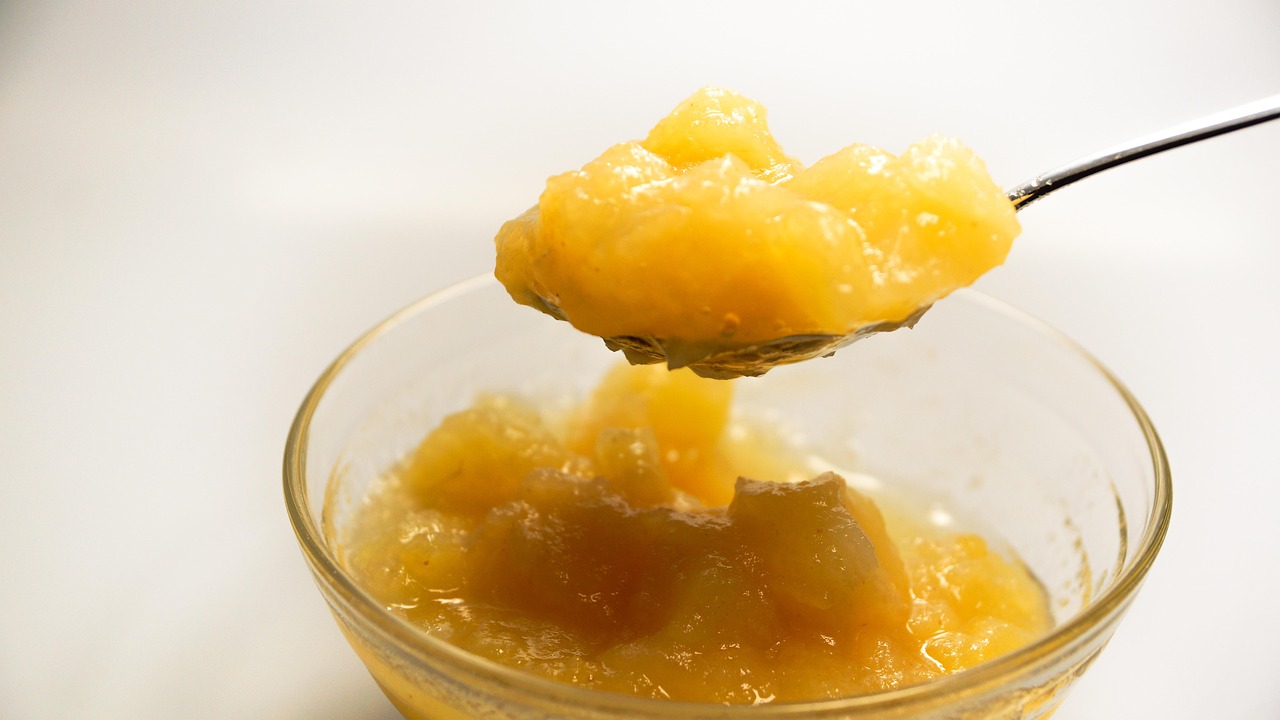
Applesauce is one of the easiest foods to freeze, and plastic containers are a perfectly solid choice for the job. Whether you made a big batch from scratch after a trip to a local orchard or you opened a store-bought jar and can’t finish it in time, the freezer is your best friend for keeping it fresh and usable for months.
The key is knowing how to prep it, which containers actually work, and what to expect when you thaw it. This guide walks you through every step so nothing goes to waste.
Can You Freeze Applesauce?
Yes, you can freeze applesauce, and it’s one of the easiest fruits to preserve. Applesauce has a smooth texture and high moisture content, which helps it hold up well in the freezer. That applies to both homemade and store-bought versions, sweetened or unsweetened.
Freezing works for both store-bought and homemade applesauce, whether it’s sweetened or unsweetened. If you’ve batch-cooked a large pot or grabbed a big carton on sale, freezing it in portions means you’ll always have some on hand without worrying about it going bad in the fridge.
When you freeze applesauce, it’s important to protect it from contact with air and moisture to prevent freezer burn. It’s also best to freeze homemade applesauce soon after it has been made to ensure an excellent quality product once thawed. If you’re working with store-bought applesauce, freeze it within 3 days of preparing it or as soon after opening the container as possible.
For families who make applesauce for babies or toddlers, freezing in small portions is especially practical. Check out this guide on freezing applesauce for babies for portion-specific tips, or learn more about freezing shop-bought applesauce if you’re working with a commercial brand.
Does Freezing Change the Texture or Taste of Applesauce?
When properly frozen and thawed, applesauce maintains its smooth, rich texture. It’s important to note, however, that applesauce might become a bit more watery upon thawing, but a quick stir should easily restore its original consistency.
You might notice slight changes in texture once it’s thawed — it can become a bit more watery or separated. This isn’t a problem for cooking, baking, or blending into smoothies, but it’s something to keep in mind if you plan to eat it straight from the jar.
Spices are worth a special mention. If you added spices like cinnamon or nutmeg, those flavors will become stronger after freezing. Omitting cinnamon from your applesauce recipe when you plan to freeze it is a good idea — adding the cinnamon after thawing will create a stronger cinnamon flavor. In other words, season after thawing, not before.
Sweetened store-bought applesauce usually fares a bit better, as the added sugar helps maintain texture during freezing. Overall, the taste stays strong, making frozen applesauce perfect for baking, smoothies, sauces, or even just enjoying straight from the fridge once thawed.
Pro Tip: If your thawed applesauce looks watery, don’t toss it. Give it a good stir first — the liquid almost always recombines. For a thicker consistency, simmer it briefly on the stovetop to cook off the extra moisture.
How to Freeze Applesauce the Right Way
Freezing applesauce in plastic containers is straightforward, but a few steps make a real difference in quality. Follow this process for the best results.
- Cool it completely first. If you made fresh applesauce, it needs to cool completely before freezing. Freezing homemade applesauce while still warm will cause large ice crystals to form, which will cause freezer burn, ruining the texture and flavor. Let it reach room temperature, then refrigerate it briefly if needed before transferring to containers.
- Choose the right plastic containers. Rigid containers — glass jars and hard plastic containers — are especially good for freezing foods with liquid. Covers for rigid containers should fit tightly. Square or rectangular, straight-sided rigid plastic containers make the best use of freezer space. Brands like Tupperware, Rubbermaid, or generic freezer-safe options all work well.
- Leave headspace. Applesauce expands when frozen, so leaving a small amount of space will prevent potential messes inside your freezer. Fill containers only about ¾ full to allow room for the applesauce to expand as it freezes. For most containers, that means leaving at least ¾ to 1 inch at the top.
- Seal tightly. Place the lid on the container firmly. A loose lid lets in air, which leads to freezer burn and off-flavors.
- Label and date every container. Mark your containers with the date so you can use the oldest batches first. Include the contents and any flavor notes (e.g., “unsweetened” or “cinnamon-free”).
- Freeze in single layers first. For quickest freezing, place containers in a single layer in the freezer. Once solid, you can stack them to save space.
- Portion for convenience. It’s best to store applesauce in multiple small containers rather than fewer large ones. Smaller portions thaw faster and let you pull out exactly what you need.
Note that adding spices, butter, or other ingredients to your applesauce before freezing can make it spoil faster, so save those additions for when you’re ready to eat it.
Key Insight: If you want to freeze very small portions — say, for baby food or single-serving snacks — pour the applesauce into an ice cube tray first. Once fully frozen, pop the cubes out of the ice cube trays and place them in resealable freezer bags, pressing out any excess air before sealing. Then transfer the frozen cubes to a labeled freezer bag or airtight plastic container for long-term storage.
How Long Can You Freeze Applesauce?
Frozen applesauce can last anywhere from 8 months to a year in your freezer if you store it correctly. Most fruits will maintain high quality for 8–12 months at 0°F or below, according to Colorado State University’s food preservation guidance.
Here’s a quick reference for applesauce storage at different stages:
| Storage Location | Estimated Shelf Life | Notes |
|---|---|---|
| Refrigerator (opened/homemade) | 7–10 days | Keep tightly covered |
| Freezer (homemade) | Up to 12 months | Best quality within 8 months |
| Freezer (store-bought) | 8–12 months | Freeze soon after opening |
| Pantry (commercially canned) | 12–18 months | Unopened only |
Applesauce can be frozen for up to a year while maintaining its quality. While it’s still safe to eat beyond this point, you may notice a decline in its flavor and texture. For the best eating experience, aim to use it within 8 months.
Adding spices, butter, or other ingredients to your applesauce before freezing can make it spoil faster, so save those additions for when you’re ready to eat it. Plain, unseasoned applesauce will always last longer in the freezer than a heavily spiced batch.
How to Thaw Frozen Applesauce
Thawing applesauce is simple, and you have a few options depending on how much time you have.
- Refrigerator (best method): The best way to thaw applesauce is by transferring it to the refrigerator and allowing it to thaw overnight. This slow thawing process helps maintain the texture and taste of the applesauce. Plan for 8–12 hours for a standard container.
- Microwave (quick method): If you’re in a hurry, microwave the frozen applesauce in short intervals, stirring in between to guarantee even thawing without cooking it.
- Stovetop: Run the container or freezer bag under warm water to loosen the applesauce. Empty it into a pot and let the heat from the stove defrost it. Stir well and serve at whatever temperature you like.
- Cold water bath: Thaw it overnight in the fridge, or speed things up by setting the container in a bowl of cold water.
After thawing, stir well to recombine any separation. Eat your applesauce or use it in a recipe within 3 days of defrosting it. Store any thawed applesauce in the refrigerator — never leave it at room temperature for extended periods.
Applesauce also has a fun bonus: it’s delicious partially frozen, almost like a slushy. If you’re serving it as a snack on a warm day, try it half-thawed for a refreshing treat.
Can You Refreeze Applesauce After Thawing?
This is a common question, and the short answer is: technically yes, but it’s best to avoid it. Technically, you can refreeze applesauce that has been thawed, but it will lose taste and texture. For best results, don’t refreeze the applesauce.
While it’s safe to refreeze thawed applesauce, it’s not advisable as the texture might become excessively watery. It’s best to only thaw what you’ll use. This is exactly why freezing in small, individual portions pays off — you only defrost what you need.
There is one exception worth noting: don’t refreeze applesauce if it’s baby food. If you plan to refreeze it, it should always be kept cold in the fridge and refrozen within the same day of defrosting it the first time.
The smarter move is to portion your applesauce before freezing so you never need to refreeze. It’s best to freeze applesauce in the portions that you will use later. If you’ve got several kids in the house, freezing the sauce in 2-cup portions may work well, but you might also consider smaller portions, such as 2 tablespoons, ¼ cup, and ½ cup portions.
How to Use Frozen Applesauce (Best Uses After Freezing)
Frozen and thawed applesauce is incredibly versatile. Even if the texture shifts slightly after freezing, it works beautifully in a wide range of recipes. Here are the best ways to put it to use:
- Baking substitute: Defrosting applesauce for use in baking is a perfect way to get by with less oil. If you substitute applesauce for the fat or oil options in cake and muffin recipes, it can be a healthier option that utilizes your homemade applesauce.
- Smoothies and oatmeal: Use it in smoothies, muffins, pancakes, or baked goods where the consistency won’t matter. You can also stir it into oatmeal, yogurt, or sauces for a natural sweetness boost.
- Baby food: Frozen applesauce cubes are a go-to for parents. The small portions thaw quickly, and the smooth texture is ideal for babies and toddlers. See our guide on freezing applesauce for babies for age-appropriate serving tips.
- Savory cooking: The natural sweetness and moisture that applesauce provides allow for some creative options when cooking meat. You can take your pulled pork recipe to the next level by cooking the meat in applesauce. It also pairs well with pork chops and roasted chicken.
- Snack straight from the container: Overall, the taste stays strong, making frozen applesauce perfect for baking, smoothies, sauces, or even just enjoying straight from the fridge once thawed.
- Frozen treat: Frozen applesauce cubes are perfect for adding to hot cereal or baking recipes straight from the freezer — no need to thaw every time.
Applesauce also fits naturally into a health-focused diet. It’s a naturally sweet, fiber-rich food that pairs well with many whole plant-based foods. If you’re interested in how specific foods support your body, explore our articles on superfoods for a healthy heart and foods that promote healthy eyesight.
Pro Tip: Don’t overlook frozen applesauce as a direct swap for oil in boxed cake and brownie mixes. Use a 1:1 ratio, and you’ll cut fat significantly while keeping baked goods moist. The slight texture change from freezing is completely undetectable in baked goods.
Signs That Frozen Applesauce Has Gone Bad
Frozen applesauce stored properly is safe for up to a year, but it’s always worth checking before you use it. Here are the warning signs to look for:
- Off or sour smell: If it smells strange or sour, it’s time to toss it. Fresh applesauce has a mild, sweet apple scent. Anything sharp or fermented is a red flag.
- Significant color changes: Any significant darkening or discoloration can signal spoilage. Minor browning at the surface from air exposure is normal and harmless, but widespread gray or dark coloring is not.
- Heavy ice crystals or freezer burn: The presence of ice crystals suggests freezer burn, affecting both flavor and texture. A thin layer of frost on the surface is normal, but thick ice formations throughout the container mean the quality has dropped considerably.
- Mold: Any visible mold — regardless of color — means you should discard the entire container. Don’t scoop around it.
- Off taste after thawing: If the applesauce passed the smell and visual tests but tastes sour, bitter, or otherwise wrong, don’t eat it.
While thawed frozen applesauce may separate or change slightly, it’s usually safe to eat. Always check its appearance and taste before enjoying your frozen applesauce, ensuring you get the best quality possible.
Applesauce that is nearing its expiry should not be frozen but rather used or thrown out. Freezing doesn’t reverse spoilage — it only preserves food that’s already in good condition.
Frequently Asked Questions
Can You Freeze Applesauce in Plastic Containers?
Whatever brand you might own — whether it’s Tupperware, Rubbermaid, or generic brands — plastic containers will store your applesauce in an excellent stackable manner. Like the mason jar option, you will need to ensure that you leave a small amount of room to allow for the sauce to expand, but if you fail to do so, the effects will be less catastrophic as the lids will likely just pop off. Always make sure the container is labeled “freezer-safe” before using it.
What Are the Best Containers for Freezing Applesauce?
There are four generally accepted options for freezing your applesauce: mason jars, plastic storage containers, freezer bags, and ice cube trays. For bulk storage, square or rectangular freezer-safe plastic containers work best, as they efficiently utilize freezer space. Freezer bags work well for larger quantities and lay flat to save space.
Can You Freeze Store-Bought Applesauce?
When you freeze homemade applesauce you get to enjoy it for a longer amount of time, but you can also extend the life of store-bought applesauce by tucking it away in the freezer. Transfer it from its original packaging into a freezer-safe plastic container, leave headspace, label it, and freeze. Learn more in our dedicated guide on freezing shop-bought applesauce.
How Do You Know If Frozen Applesauce Is Still Good?
Check for off smells, significant discoloration, heavy ice crystals, or mold. If the applesauce looks and smells normal after thawing, give it a stir and do a quick taste test. Use thawed applesauce within a week for ideal freshness, and avoid refreezing after it’s been thawed.
Can You Freeze Applesauce in Zip-Lock Bags?
Freezer bags are ideal for larger quantities — fill them while removing as much air as possible to prevent freezer burn. Use heavy-duty freezer bags rather than regular storage bags, and lay them flat while freezing so they stack neatly. This method also thaws faster than rigid containers.
Does Applesauce Expand When Frozen?
Yes. Like most foods with high water content, applesauce expands as it freezes. Always leave at least ¾ to 1 inch of headspace in plastic containers. If you fail to leave room for expansion, the lids will likely just pop off — messy but not dangerous. With glass jars, the risk is more serious since they can crack, so headspace is non-negotiable there.