Can You Freeze Unused Cinnamon Rolls? Everything You Need to Know

October 26, 2026
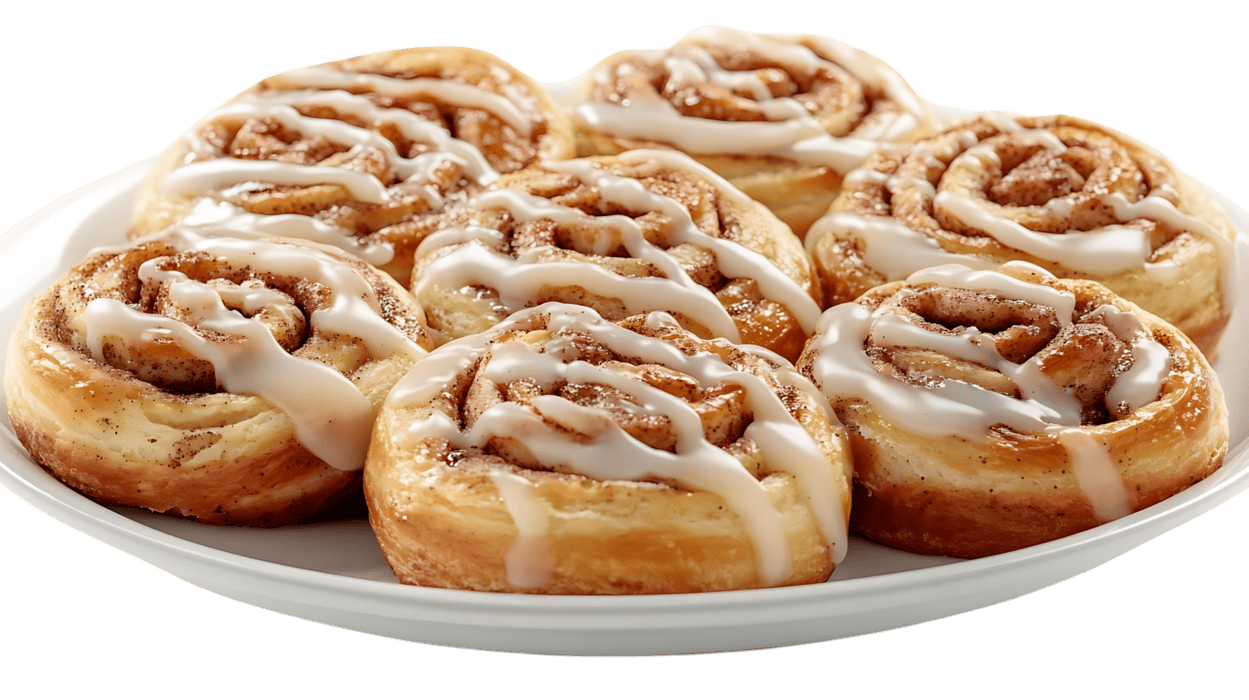
Cinnamon rolls take real effort to make from scratch — the mixing, the rising, the shaping. So when you end up with more than you can eat, the last thing you want is to watch them go stale on the counter. The good news: freezing them works, and it works well.
You can freeze cinnamon rolls — both unbaked and baked — with solid results. Whether you baked a big holiday batch, prepped dough ahead of time, or just have a few leftover rolls from Sunday morning, the freezer is your best tool for keeping them fresh. This guide walks you through every step, from wrapping to reheating.
Can You Freeze Cinnamon Rolls?
Yes, you can freeze cinnamon rolls for up to 3 months while preserving texture and flavor. This applies whether your rolls are fully baked, par-baked, or still raw and shaped. Each approach has its own advantages depending on how much time you have and how fresh you want the final result to taste.
You can freeze cinnamon rolls baked or unbaked — it really depends on your needs. If you have a few extra rolls from a batch you won’t eat soon enough, freezing the baked rolls is a great way to avoid food waste. For fresh-from-the-oven flavor, freeze your rolls unbaked.
Freezing can slow down yeast activity but doesn’t kill it. When you thaw your rolls, the yeast will “wake up” and continue the rising process. That means unbaked frozen rolls can still deliver a proper rise and a fluffy interior — as long as you follow the right steps.
Pro Tip: If you plan to freeze unbaked dough, consider using instant yeast and slightly increasing the amount by about ¼ teaspoon per batch. According to Better Baker Club , this helps counteract the slowing effect of freezing and ensures fluffier rolls after baking.
Does Freezing Change the Texture or Taste of Cinnamon Rolls?
The short answer is: it depends on which method you use. Freezing cinnamon rolls unbaked is the best way to hide the fact they were once frozen — it’s the best way to retain texture and flavor. They are perfectly safe to freeze already baked, but you will be able to tell the difference when it comes to eating them.
Baked rolls freeze well too but may lose slight texture. Unbaked is generally better for that just-made taste. The main culprit with baked rolls is moisture loss during reheating, which can make them a bit chewier or drier than fresh.
One area where freezing consistently falls short is icing. Whichever method you choose, make the icing fresh — you can absolutely taste the difference between fresh and frozen icing. Skip freezing the glaze whenever possible and whip up a fresh batch on serving day.
As most cinnamon rolls are made with sweet yeast dough, the normal process of freezing and then thawing can cause the pastry to become tough. The fix is simple: never rush the thaw, and always let the rolls come to room temperature before baking or reheating.
How to Freeze Cinnamon Rolls the Right Way
There are three main methods for freezing cinnamon rolls, and the right one depends on where you are in the baking process. Here’s a breakdown of all three.
Method 1: Freeze Unbaked Rolls (Best Results)
Prepare the dough, let it rise, and shape the rolls per your recipe. Instead of letting the shaped rolls rise, cover tightly with plastic wrap. This preserves the yeast activity and gives you the closest result to freshly made rolls.
- Shape your rolls and arrange them on a parchment-lined baking sheet.
- Place the sheet pan in the freezer and flash-freeze the rolls until solid, about an hour. Once the rolls are frozen, transfer them into a freezer-safe bag, ensuring they don’t get squished. Double bag to prevent freezer burn.
- Label the bag with the date and freeze for up to 2 months.
Method 2: Par-Bake, Then Freeze
The par-bake method requires you to par-bake the cinnamon rolls before freezing. This saves you time on baking day since the rises are already done. Shape the rolls per your recipe, let them rise per your recipe, and then bake for just 10 minutes. They should look set on top, but not browned yet.
- Par-bake at 325–350°F for 10–15 minutes until set but not browned.
- Cool completely, then cover with a layer of plastic wrap.
- Wrap in aluminum foil, label with the date, and place in a freezer-safe bag.
Method 3: Freeze Fully Baked Rolls
To freeze baked cinnamon rolls, allow them to cool completely, wrap well in plastic wrap, and then stash them in a labeled freezer bag in the freezer. This is the most convenient method if you already have leftover rolls from a batch you baked.
Pro Tip: If you’re short on freezer bag space, you can also freeze your uncooked cinnamon rolls in the pan you plan to bake them in. Wrap the whole pan in several layers of plastic wrap and pop it into the freezer.
How Long Can You Freeze Cinnamon Rolls?
Storage time varies slightly by method, but here’s a general guide based on multiple baking sources:
| Freezing Method | Maximum Freezer Time | Best Quality Window |
|---|---|---|
| Unbaked (shaped) | Up to 3 months | Within 1–2 months |
| Par-baked | Up to 3 months | Within 4–6 weeks |
| Fully baked | Up to 2–3 months | Within 6–8 weeks |
Whichever method you use, the maximum time to freeze cinnamon rolls is 3 months. Any longer than that, and you may begin to taste a difference. According to Sally’s Baking Addiction , this timeline applies across all three freezing methods.
Unbaked cinnamon roll dough can last in the freezer for about 1 to 2 months, depending on how well it’s wrapped and stored. It’s important to note that yeast can lose some of its effectiveness when it’s frozen. For that reason, Better Baker Club recommends freezing only as many rolls as you plan to use within a single month.
How to Thaw Frozen Cinnamon Rolls
How you thaw your rolls matters just as much as how you freeze them. Rushing this step is the most common reason frozen rolls turn out soggy or dense.
Thawing Unbaked Rolls
When you’re ready to bake, place the desired amount of frozen rolls in a greased baking pan and thaw the rolls in the refrigerator overnight. The next morning, let the rolls rise at room temperature until doubled in size, then bake them according to your recipe’s instructions.
For freezer cinnamon rolls, plan for at least 6 hours from the point of taking the dough out of the freezer to the time of baking. If you thawed overnight in the fridge, remove the pan from the fridge and allow the rolls to sit at room temperature for 1 hour before baking.
Thawing Par-Baked Rolls
The night before you want to serve the rolls, take them out of the freezer and place them, still wrapped, in the refrigerator — they will thaw overnight. The next morning, preheat your oven to 350°F, unwrap the cinnamon rolls, and bake them until completely done and a light golden brown, 10 to 15 minutes.
Thawing Fully Baked Rolls
To serve baked rolls, thaw them in their wrappings on the counter for 30–60 minutes. You can reheat them quickly in a 350°F oven for about five minutes. According to Good Cheap Eats , the air fryer is also a solid reheating option for baked rolls.
Important Note: Never thaw cinnamon rolls by leaving them out at room temperature for extended periods. Room-temperature thawing creates condensation that soaks the dough, leading to a gummy texture. Stick to the refrigerator method for best results.
Can You Refreeze Cinnamon Rolls After Thawing?
No — refreezing thawed cinnamon rolls is not recommended. Avoid refreezing thawed rolls. Once they’ve been thawed, the dough structure has already changed and the yeast has been reactivated. Freezing them again will damage the texture significantly.
Never refreeze thawed rolls. Food safety 101 — they’ll turn out gummy and risky. If you thawed more than you needed, bake them all and store any extras in an airtight container in the refrigerator for up to 3 days instead.
The best way to avoid this situation is to freeze rolls individually before the initial freeze. That way, you can pull out exactly the number you need without thawing the whole batch. This is especially easy with the flash-freeze method described in the unbaked rolls section above.
How to Use Frozen Cinnamon Rolls (Best Uses After Freezing)
Frozen cinnamon rolls are incredibly versatile beyond just a simple breakfast. Here are the best ways to put them to use once they’re thawed and baked:
- Holiday morning breakfast: Whether you’re prepping for a cozy Christmas morning or just looking to simplify your baking routine, knowing how to properly freeze cinnamon rolls is a game-changer. Pull them from the freezer the night before and bake fresh in the morning.
- Weekend brunch: Pair freshly baked frozen rolls with eggs, fruit, and coffee for an easy spread without the early morning prep work.
- Gifting: You can freeze rolls in the pan — it’s a great option for gift giving, but it also takes up much more freezer space. Disposable aluminum pans work perfectly here.
- Cinnamon roll French toast: Slice thawed baked rolls and dip them in an egg-and-milk mixture, then pan-fry for a decadent twist on French toast.
- Cinnamon roll bread pudding: Cube leftover baked rolls and use them as the base for a rich bread pudding — the cinnamon-sugar filling adds built-in flavor.
If you enjoy experimenting with flavors, you might also find inspiration in traditional Greek foods or classic German baked goods — both cultures have rich traditions of sweet, yeasted pastries similar to cinnamon rolls.
Pro Tip: Make the icing fresh the day you plan to serve them — it tastes much better fresh than frozen and thawed. A simple powdered sugar glaze or cream cheese frosting takes just a few minutes and makes a big difference in the final result.
Signs That Frozen Cinnamon Rolls Have Gone Bad
Even in the freezer, cinnamon rolls don’t last forever. Here’s what to look for before you bake a batch that’s been stored for a while:
- Freezer burn: Any dough that is in contact with air inside the package will dry out, making that portion unusable. If you see frost crystals forming inside the package, it’s a sure sign that moisture is being drawn from the dough.
- Off smell: Yeast dough that has gone bad will develop a sour or rancid odor when thawed. This is different from the mild fermented smell of healthy dough.
- Gray or discolored dough: Fresh dough is pale yellow or cream-colored. A grayish tint after thawing usually means the dough has oxidized and deteriorated.
- No rise after thawing: Depending on how long yeast is left deep-frozen, some of it may end up dying. If your unbaked rolls don’t rise at all after a proper thaw and rest period, the yeast is likely no longer active.
- Stale or flat taste: You should aim to use rolls within 6 to 8 weeks. After this, the taste and quality of the cinnamon rolls will degrade, and they won’t taste as good.
When in doubt, trust your nose. Dough that smells off after thawing should be discarded. Proper wrapping is the single best way to prevent most of these issues from developing in the first place. For more tips on safe food storage and healthy eating habits, explore our guides on whole plant-based foods and foods for healthy skin.
Frequently Asked Questions
Can You Freeze Store-Bought Cinnamon Rolls Like Pillsbury?
Only if they are unopened and pre-frozen. The USDA warns against refreezing canned dough due to stabilizer breakdown. If you have an unopened can you want to save, check the manufacturer’s label first — most canned dough products are not designed for home freezing after purchase.
Does Freezing Kill the Yeast in Unbaked Rolls?
No. Yeast enters dormancy below 0°F but reactivates during baking. Avoid freezing during active proofing — always freeze after shaping is complete and before the final rise for the best outcome.
Can You Freeze Cinnamon Rolls With Cream Cheese Frosting Already on Them?
Yes, but cream cheese fillings freeze exceptionally well due to low moisture content. However, the frosting on top of baked rolls may weep or separate slightly after thawing. Your best bet is to freeze the rolls unfrosted and add fresh icing just before serving.
How Do You Reheat Frozen Baked Cinnamon Rolls Without Drying Them Out?
The oven is your best option. Cover the pan with foil and reheat in a 350°F oven for about 10 minutes, or until warmed through. If the cinnamon rolls are already thawed (not completely frozen), reheat at 300°F. You can also reheat in the microwave for 30–60 seconds, but be sure not to microwave too long or they become chewy.
How Far in Advance Can You Make Cinnamon Rolls for Freezing?
You can prepare and freeze unbaked cinnamon rolls up to 3 months in advance. The par-bake and freeze method allows you to make your cinnamon buns weeks in advance. For the best yeast performance, most bakers recommend using them within 4–6 weeks of freezing. If you love planning ahead for meals, you might also enjoy exploring food festivals in Texas or food festivals around the world for more culinary inspiration.
Can You Freeze Cinnamon Roll Dough Before Shaping?
Yes. You can double wrap or use an airtight container and freeze the raw dough, either in plain dough form or rolled out and formed rolls, for about 45 days without loss of quality. Just defrost in the fridge overnight, proof, and bake as wanted. This is a great option if you want maximum flexibility over when you shape and bake.