
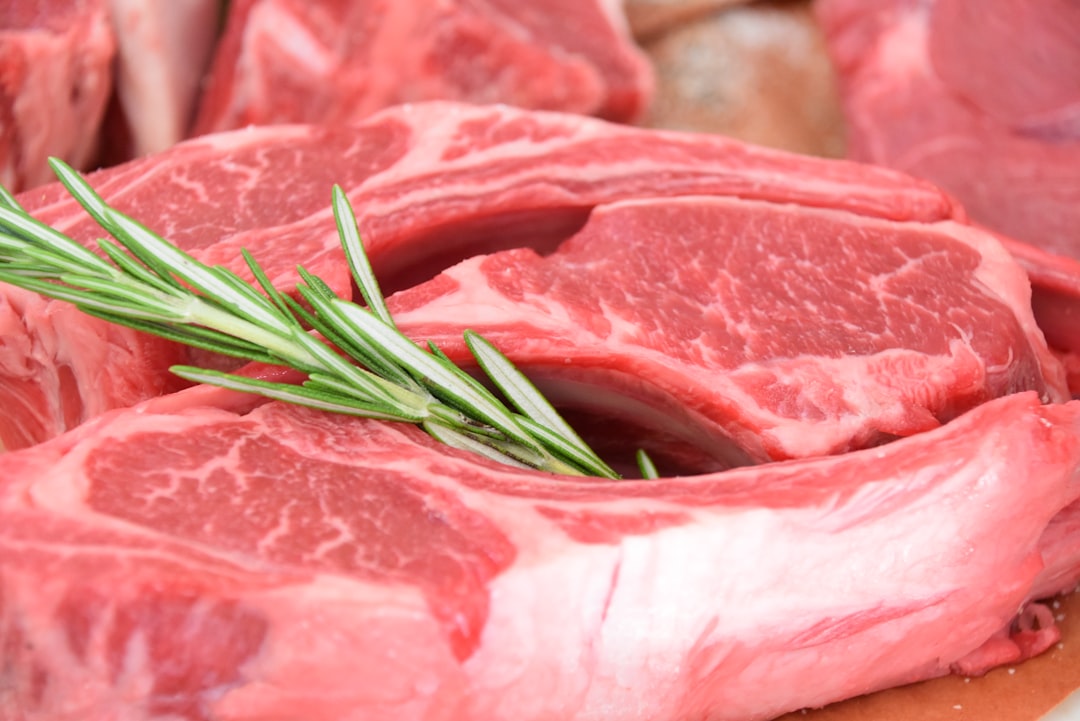
Freezing meat is one of the most practical things you can do in an American kitchen — it saves money, cuts down on food waste, and keeps dinner options open all week long. But questions come up fast: Can you put it back in the freezer after thawing? How long is too long? What does that color change actually mean?
The good news is that freezing and unfreezing meat is safe, as long as you handle it correctly. This guide walks you through everything you need to know, from packaging and storage times to thawing methods and the telltale signs that meat has gone bad — all based on USDA food safety guidelines.
Can You Freeze Meat?
Freezing meat and poultry is a preservation method that is easy to perform and can be done safely to help extend the shelf life of food. Whether you bought a bulk pack of chicken thighs, stocked up on ground beef during a sale, or have leftover steaks from a cookout, the freezer is your best friend for keeping meat fresh longer.
All types of fresh meat and poultry can be safely frozen. Freezing slows the deterioration of meat and poultry by inhibiting enzymes and microorganisms that can cause changes in food. That applies to beef, pork, chicken, turkey, lamb, and seafood alike.
Freezing meat not only helps preserve it, but storing meat at temperatures below 0°F (-18°C) for several days might even help minimize the risk of some foodborne illnesses like toxoplasmosis. The key is making sure your freezer is set to the right temperature and that your meat goes in properly packaged.
Pro Tip: Freeze meat when it is as fresh as possible. The fresher it goes in, the better it will taste when it comes out.
Does Freezing Change the Texture or Taste of Meat?
Freezing does preserve meat effectively, but it is not a perfect process. Every time you freeze meat, water turns into ice crystals in the cells, which damages the molecular structures in the product. When the meat is thawed, water is released, and with each cycle, more moisture is lost, according to Martin Bucknavage, senior food safety extension associate of Penn State’s department of food science.
The freezing process itself does not destroy nutrients. In meat and poultry products, there is little change in nutrient value during freezer storage. So while the nutritional profile stays largely intact, the eating experience can shift — especially with repeated freeze-thaw cycles.
Freezing meat once or even multiple times could affect the quality of the product by altering the color, smell, tenderness, and juiciness of the meat, as well as the degree of shrinkage during cooking. You are more likely to notice these changes with leaner cuts and ground meat than with fattier cuts like ribeye or pork shoulder.
Color changes can occur in frozen foods. The bright red color of meat as purchased usually turns dark or pale brown depending on its variety. This may be due to lack of oxygen, freezer burn, or abnormally long storage. That color shift alone does not mean the meat is spoiled — it is a normal part of freezing.
How to Freeze Meat the Right Way
Good packaging and a properly set freezer make all the difference. Penn State Extension says that to successfully freeze meat and poultry, three things are needed: the food should be frozen quickly, it should be put into packaging designed for use in the freezer that stops moisture loss and prevents interaction with air, and the freezer should be set to 0°F or below.
Here is a step-by-step approach for freezing meat at home:
- Check your freezer temperature. The USDA advises keeping your freezer at 0°F (-18°C) or below to store meat safely. Use a freezer thermometer to confirm — do not rely on the dial alone.
- Divide into portions. The best way to freeze quickly is to break up large amounts of meat into smaller packs. If you freeze in smaller portions, you only need to defrost the amount you need the next time you cook.
- Wrap it properly. Proper packaging helps maintain quality and prevent freezer burn. It is safe to freeze meat or poultry directly in its original packaging; however, this type of wrap is permeable to air and quality may diminish over time. For prolonged storage, overwrap these packages as you would any food for long-term storage.
- Remove bones if possible. Bones take up freezer space and can tear freezer packaging, so they should be removed before freezing.
- Label everything. Write the cut, weight, and freeze date on each package. This makes rotation easy and helps you stay within recommended quality windows.
- Freeze quickly. Freeze food as fast as possible to maintain its quality. Rapid freezing prevents undesirable large ice crystals from forming throughout the product because the molecules don’t have time to form into the characteristic six-sided snowflake.
Pro Tip: If you do not own a vacuum sealer, use the water displacement method with a zip-top freezer bag — submerge the bag in water up to the zipper to push out air before sealing. It gets you very close to vacuum-seal results.
How Long Can You Freeze Meat?
The guidelines for freezer storage are for quality only — frozen foods stored continuously at 0°F (-18°C) or below can be kept indefinitely. In practice, though, quality does decline over time, so it pays to know the recommended windows for each type of meat.
The table below reflects FDA and USDA refrigerator and freezer storage guidelines :
| Meat Type | Freezer Quality Window |
|---|---|
| Beef steaks and roasts | 6–12 months |
| Ground beef, pork, veal, or lamb | 3–4 months |
| Whole chicken or turkey | Up to 12 months |
| Chicken or turkey pieces | 9 months |
| Pork chops | 4–6 months |
| Ham (fully cooked, whole) | 1–2 months |
| Hot dogs and lunch meats | 1–2 months |
| Cooked meat leftovers | 2–3 months |
Raw meat and poultry maintain their quality longer than their cooked counterparts because moisture is lost during cooking. So if you are planning to freeze something for several months, raw is always the better bet. For more on how seafood fits into a healthy diet, that is worth a read as well.
How to Thaw Frozen Meat
How you thaw meat matters just as much as how you freeze it. Never thaw meat at room temperature, as the meat would be sitting in the temperature danger zone (40°F–140°F) for too long. Extended time in the temperature danger zone allows harmful bacteria to grow to large numbers, potentially causing food poisoning.
The four recommended ways to safely thaw meat include in the refrigerator at a temperature of 40°F or less. It is best to plan the time for thawing by placing frozen meat in the refrigerator for a day or two ahead of cooking. This is the safest method and the one that gives you the most flexibility — refrigerator-thawed meat can even be refrozen if your plans change.
Here is a quick comparison of all four safe thawing methods:
| Method | How It Works | Cook Immediately After? | Can Refreeze Without Cooking? |
|---|---|---|---|
| Refrigerator | Place in fridge 1–2 days before cooking | No — flexible timing | Yes |
| Cold water | Submerge in sealed bag under cold running water | Yes | No — must cook first |
| Microwave | Use defrost setting | Yes | No — must cook first |
| Cook from frozen | Cook directly without thawing | N/A | Yes, after cooking |
You can thaw meat using the microwave, but if you do so, cook the meat immediately afterward because it may become warmer than 40°F in the process. That can cause bacteria already present in the meat before freezing to multiply, according to the USDA.
Once thawed in the refrigerator, items such as ground meat, stew meat, poultry, and seafood should be cooked or refrozen within 2 days. Cuts such as roasts, chops, and steaks should be cooked or refrozen within 3–5 days.
Can You Refreeze Meat After Thawing?
This is one of the most common questions about meat storage, and the answer is yes — with conditions. According to the USDA, once food is thawed in the refrigerator, it is safe to refreeze it without cooking, although there may be a loss of quality due to the moisture lost through thawing.
The thawing method you used determines your options. Food thawed in the fridge can be refrozen without cooking. Food thawed using cold water or the microwave has to be cooked before refreezing to be safe.
Timing also matters. According to Penn State Extension , if you have thawed meat and need to refreeze it, return the meat or poultry to the freezer within 1 to 2 days to preserve maximum quality and safety.
If the meat or poultry has been left in the temperature danger zone for more than 2 hours, or 1 hour in temperatures above 90°F, it will not be safe to refreeze using any method — this meat will need to be thrown out. That rule applies whether you are at a summer cookout in Texas or pulling something out of the fridge on a hot day.
Important Note: Refreezing is safe from a food safety standpoint when done correctly, but quality does take a hit each cycle. With repeated freezing and thawing, meat will become dryer and less tasty, according to Donald W. Schaffner, PhD, extension specialist in food science and distinguished professor at Rutgers University. Freeze in smaller portions from the start to avoid the need to refreeze at all.
How to Use Frozen Meat (Best Uses After Freezing)
Frozen meat that has been stored for a while — or that has gone through more than one freeze-thaw cycle — does not have to be wasted. It just works better in certain preparations. For best results after refreezing meat, fully thaw the meat prior to cooking it.
Here are the best ways to put frozen meat to work, especially when texture has softened slightly:
- Slow cooker meals. Chili, pot roast, beef stew, and pulled pork are ideal for meat that has lost some of its original firmness. Long, moist cooking brings it back to life.
- Ground meat dishes. Tacos, meat sauce, meatballs, and burgers are all great options for ground beef or pork that has been frozen and thawed. The texture change is barely noticeable.
- Soups and broths. Chicken pieces and beef bones that have been frozen work perfectly for homemade stock. The collagen and flavor still come through fully.
- Casseroles and baked dishes. Lasagna, enchiladas, and shepherd’s pie all benefit from the additional moisture that previously frozen meat releases during cooking.
- Marinated dishes. Marinating previously frozen meat for a few hours before cooking helps restore some of the moisture and adds flavor. This works especially well for chicken breasts and pork chops.
If you are focused on eating well beyond just meal planning, check out these superfoods for a healthy heart and powerful nutrients and foods that fight cancer for ideas on building a more nutritious plate around your proteins.
Signs That Frozen Meat Has Gone Bad
Knowing when to toss meat is just as important as knowing how to store it. Freezing slows bacterial growth dramatically, but it does not destroy all bacteria. If meat was mishandled before freezing, thawed improperly, or left out too long, it can still become unsafe.
Watch for these warning signs after thawing:
- Sour or rancid smell. Off smells — sour, tangy, or ammonia-like odors — are red flags. Discoloration, if the beef has gone from bright red to brown or grey throughout (not just on the surface), may indicate it has gone bad.
- Slimy or sticky texture. Spoiled meat will often develop a tacky, slimy surface, which feels different from its regular, slightly moist surface. This sliminess is a result of bacterial activity on the outside of the meat.
- Unusual color. The color might shift to dull gray, greenish tones, or develop an unpleasant sheen. A slight brown tint from oxidation alone is not always a problem, but green or gray throughout is a clear discard signal.
- Visible mold. If there is visible mold or yeast growth on the surface of the frozen meat, it is a clear sign that the meat has gone bad.
- Damaged packaging. When checking frozen meat for signs of spoilage, inspect the packaging as well. If the packaging is damaged, torn, or has holes, it can allow moisture and contaminants to enter, causing spoilage.
- Excessive freezer burn. Freezer burn does not make food unsafe, merely dry in spots. It appears as grayish-brown leathery spots and is caused by air coming in contact with the surface of the food. Cut freezer-burned portions away either before or after cooking the food. If the entire piece is affected, it is best to discard it.
The general rule: when in doubt, throw it out. It is important to stress that while you can taste spoilage, you can’t taste the bacteria that cause serious illness (pathogens). The taste test is not about food safety, just whether the flavor and texture are acceptable. Always prioritize safety over saving a few dollars’ worth of meat. For more guidance on building a diet that supports your body, see this overview of whole plant-based foods and foods that support liver function.
Frequently Asked Questions
Does Freezing Kill Bacteria in Meat?
According to USDA guidelines on freezing and food safety, freezing foods to 0°F (-18°C) inactivates microbes like bacteria, yeasts, and mold and slows enzyme activity — all of the things that can cause food to go bad. However, inactivating is not the same as killing. Once meat thaws, any bacteria present before freezing can become active again, which is why proper thawing and cooking temperatures still matter.
Can You Freeze Meat in Its Original Store Packaging?
If freezing meat and poultry in its original package longer than 2 months, overwrap these packages with airtight heavy-duty foil, plastic wrap, or freezer paper; or place the package inside a plastic bag. For short-term freezing under 2 months, the original packaging is usually fine on its own.
Is It Safe to Cook Meat Directly from Frozen?
Yes. According to the USDA Food Safety and Inspection Service , you can cook meat directly from frozen — it is one of the four approved thawing methods. Just expect cooking time to increase by roughly 50 percent compared to fresh or thawed meat, and always verify doneness with a meat thermometer.
How Long Can Thawed Meat Stay in the Refrigerator?
Once thawed, items such as ground meat, stew meat, poultry, and seafood should be cooked or refrozen within 2 days. Cuts such as roasts, chops, and steaks should be cooked or refrozen within 3–5 days. Do not leave thawed meat sitting in the fridge indefinitely — treat it like fresh meat from that point forward.
What Is the Best Way to Prevent Freezer Burn?
To maintain the best quality when freezing meat, ensure it is frozen quickly and stored at 0°F or below. Use airtight packaging like vacuum-sealed bags or heavy-duty freezer wrap to protect it from freezer burn and lock in flavor. Storing meat toward the back of the freezer, where temperatures are most stable, also helps.
Can You Refreeze Cooked Meat?
After cooking raw foods that were previously frozen, it is safe to freeze the cooked foods. If previously cooked foods are thawed in the refrigerator, you may refreeze the unused portion. Freeze leftovers within 3–4 days. This applies to everything from grilled chicken to braised beef — as long as it was handled and stored properly after cooking.