Can You Freeze Shrimp and Sausage Jambalaya? What You Need to Know

October 26, 2026
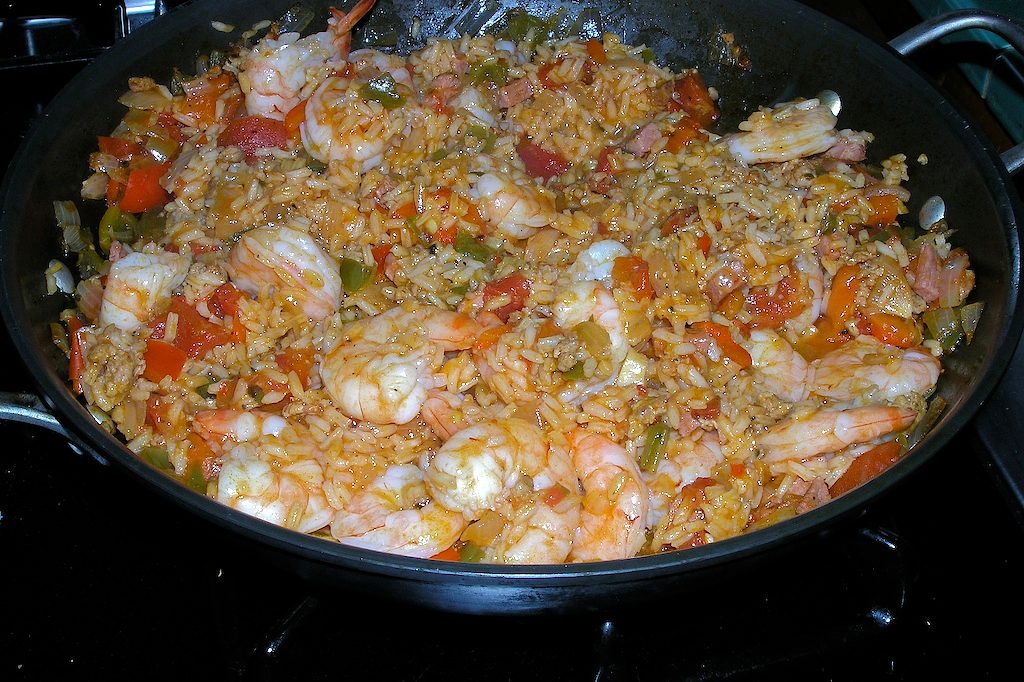
Shrimp and sausage jambalaya is one of those satisfying one-pot meals that almost always leaves you with leftovers — and that’s a good thing. Whether you made a big Sunday batch or prepped it for the week, you’re probably wondering if it holds up in the freezer. The short answer is yes, but there are a few things about shrimp and rice that make this dish a little different from other freezer meals.
The sausage and the bold Cajun base freeze beautifully. The shrimp and the rice, on the other hand, need some extra attention. Get those two elements right, and you’ll pull a meal out of the freezer that still tastes like it came from a Louisiana kitchen. This guide walks you through everything — from packing it up to knowing when to throw it out.
Can You Freeze Shrimp and Sausage Jambalaya?
If you find yourself with leftover jambalaya that includes shrimp and are wondering if you can freeze it for later use, the answer is yes. You can freeze jambalaya with other proteins like chicken, andouille sausage, or ham as well, so the combination of shrimp and sausage is not a problem for the freezer itself.
Since jambalaya combines a lot of different ingredients, freezing it is not as simple as sealing it and placing it in the freezer. There are two main issues that might arise: the rice will get mushy, and the shrimp’s texture will become flabby. Both of those problems are manageable if you follow the right steps before you freeze.
As long as you follow the correct freezing and reheating processes, the slight change in the shrimp’s texture won’t be enough to ruin the deliciousness of your reheated jambalaya. If you want to learn more about shrimp in general, check out this article on the difference between shrimp and prawns — it’s more interesting than you’d think.
Does Freezing Change the Texture or Taste of Shrimp and Sausage Jambalaya?
Freezing does affect jambalaya, but how much depends on how you pack it and what’s in it. Jambalaya is perfectly capable of freezing well, especially if stored properly prior to being placed in the freezer. However, keep in mind that frozen and reheated jambalaya will not retain the same quality as freshly cooked jambalaya.
The two ingredients that take the biggest hit are shrimp and rice. If you know in advance you’re going to freeze your jambalaya leftovers, it’s best to leave out the shrimp, because it tends to go chewy when it has been frozen. The andouille or smoked sausage, on the other hand, holds up well — its fat content and firm texture survive freezing without much degradation.
As for rice, if you undercook the rice, it won’t be as puffy or have enough moisture inside of it, and thus when it freezes it will not become quite as mushy. The undercooked rice will then be fully cooked after the reheating process is complete. The flavor of the spiced base — the Cajun seasoning, tomatoes, celery, bell pepper, and onion — actually deepens after a day or two, so the taste often improves even if the texture shifts slightly.
Pro Tip: If you know you’re making a big batch to freeze, cook the jambalaya without shrimp and add fresh shrimp only when you reheat. This is the single best way to protect both the texture and flavor of the dish.
How to Freeze Shrimp and Sausage Jambalaya the Right Way
Freezing jambalaya correctly takes a few deliberate steps. Rushing the process — especially by skipping the cooling step — leads to mushy rice and ice crystals that degrade the whole dish.
- Cool it completely first. Before freezing, it’s crucial to let the jambalaya cool completely. Placing hot food in the freezer can lead to uneven freezing and can compromise the texture of the dish. Let it cool at room temperature for about 30 minutes.
- Handle the shrimp separately if possible. Add all ingredients except shrimp to a labeled gallon freezer bag, and freeze the shrimp in its own bag. When you reheat, add the shrimp fresh during the last few minutes of cooking.
- Portion before you pack. Split your jambalaya into portion sizes before freezing, as this makes your life easier at the defrosting stage. Individual or two-serving portions mean you only thaw what you need.
- Use the right containers. Use freezer-safe containers or heavy-duty freezer bags to prevent freezer burn. Place in an airtight container or freezer-safe zip-lock bag, removing as much air as possible before sealing.
- Add a double layer of protection. For an extra layer of protection against freezer burn, cover the top of your containers with aluminum foil or plastic wrap before sealing.
- Label everything. Label the container with the date so you can keep track of how long it has been stored. Include the type of jambalaya and whether shrimp is separate.
If you already have a fully cooked batch with rice and shrimp mixed in, the best thing you can do is store the remaining jambalaya in a food-saver vacuum-sealed container. Storing the jambalaya in a container that is vacuum-sealed will help prevent moisture from escaping the rice and hence turning the rice into a clumpy, mushy mess.
For more tips on how certain foods behave in storage, take a look at the pros and cons of eating seafood — understanding seafood’s delicate nature helps explain why shrimp needs special handling.
How Long Can You Freeze Shrimp and Sausage Jambalaya?
When stored properly in the freezer, jambalaya can maintain its flavor and texture for up to three months, allowing you to enjoy it at your convenience. Most sources agree on this window as the sweet spot for quality.
| Storage Method | How Long It Lasts | Notes |
|---|---|---|
| Refrigerator | 3–5 days | Store in an airtight container; reheat before eating |
| Freezer (with shrimp) | Up to 3 months | Shrimp texture will soften; best quality within 2 months |
| Freezer (shrimp removed) | 3–4 months | Best results; add fresh shrimp when reheating |
| Freezer (no rice, no shrimp) | Up to 4 months | Cook fresh rice and shrimp when serving |
Jambalaya will last for about two months in the freezer, but it can last for up to 3 months if stored correctly and cooked without rice, shrimp, and other freezer-sensitive ingredients. If kept in the freezer beyond this period, it will be stale when defrosted and may cause food poisoning if eaten.
For refrigerator storage, using the fridge, you can maintain the quality of your leftovers for 4–5 days. If you’re not sure you’ll eat it within that window, move it to the freezer within the first two days while it’s still at peak quality.
How to Thaw Frozen Shrimp and Sausage Jambalaya
Thawing jambalaya the right way protects both food safety and texture. The overnight fridge method is the go-to for most home cooks.
The best way to thaw frozen jambalaya is to transfer it from the freezer to the refrigerator and let it thaw overnight. This gradual thawing process helps maintain the dish’s texture and flavor. Plan ahead and move it the evening before you want to eat it.
If you’re short on time, you can also thaw quickly by placing the frozen jambalaya in a bowl of cold water and changing out the water every 30 minutes until thawed. Never thaw at room temperature for extended periods — jambalaya should not sit out for longer than two hours at room temperature. After that, bacteria can begin to grow and it should be thrown out.
Once thawed, reheat gently on the stove or in the microwave — add a splash of broth if it seems dry. The stovetop method generally gives you more control over the texture.
Pro Tip: If you froze the shrimp separately, thaw them in a bowl of cold water for 10–15 minutes while you warm up the jambalaya base on the stovetop. Add the shrimp in the last 3–4 minutes so they cook through without getting rubbery.
Can You Refreeze Shrimp and Sausage Jambalaya After Thawing?
Refreezing is one area where you should not take shortcuts. It is not recommended to refreeze jambalaya, and it should be discarded if it has gone bad after being left out for more than two hours or stored for longer than four days in the refrigerator.
Removing the container of jambalaya from the freezer and allowing it to thaw will significantly shorten its shelf-life, even if subsequently frozen once more. Each freeze-thaw cycle breaks down the cell structure of the rice and shrimp further, making the texture noticeably worse and increasing the risk of bacterial growth.
The practical fix is simple: the main reason for freezing jambalaya in portions is to ensure you only need to defrost what you actually need at any given time, reducing the risk of wastage and keeping your jambalaya nice and fresh. Freeze in single-serving or two-serving containers so you never thaw more than you plan to eat.
How to Use Frozen Shrimp and Sausage Jambalaya (Best Uses After Freezing)
Thawed jambalaya is more versatile than most people realize. The base — with its tomatoes, sausage, and Cajun spices — works as a foundation for several other meals, which is especially useful if the rice texture isn’t quite what you’d want for a standalone bowl.
- Stuffed bell peppers: Spoon thawed and reheated jambalaya into halved bell peppers, top with shredded cheese, and bake at 375°F for 20–25 minutes. The filling holds together well and the peppers add freshness.
- Jambalaya soup: Add chicken broth to stretch the thawed jambalaya into a thick, hearty soup. If the jambalaya appears a bit dry or has lost moisture during storage, you can add a small amount of chicken broth or water to reach your desired consistency.
- Grain bowls: Serve the reheated jambalaya base over freshly cooked rice or farro. This sidesteps the mushy-rice problem entirely and gives you a better texture overall.
- Breakfast hash: Sauté thawed jambalaya in a skillet with a little oil until slightly crispy, then top with a fried egg. The sausage and spices work especially well in a morning hash.
- Loaded baked potato topping: The saucy, spiced base makes an excellent topping for a baked potato — a popular Southern-style comfort food combination.
Reheating on the stovetop produces the best results. If you choose to add fresh shrimp to your leftovers, you can add the defrosted jambalaya to the cooking shrimp, ensuring you get the full flavor burst provided by the shellfish.
Jambalaya’s bold flavor profile also pairs well with other dishes rooted in tradition. If you enjoy exploring regional American food culture, the food festivals in Texas are a great place to experience Southern and Cajun cooking firsthand, and our roundup of food festivals around the world shows just how far rice-and-protein dishes travel across cultures.
Signs That Frozen Shrimp and Sausage Jambalaya Has Gone Bad
Even properly frozen jambalaya can go bad if it’s been stored too long, thawed incorrectly, or exposed to temperature fluctuations. Here’s what to look for before you reheat.
- Off smell: There are two ways to tell if frozen or refrigerated jambalaya is unfit for eating. Jambalaya that has been spoiled would have a putrid odor and an unusual look. If it doesn’t smell fresh, don’t hesitate to toss it in the garbage.
- Visible mold: Mold is not always visible on jambalaya, so if it has been in the fridge for longer than four days or in the freezer for more than three months, it’s best to throw it out.
- Hard, dried-out rice: Improperly stored rice can dry out in freezers. If the jambalaya has been frozen for a long time, the rice will become quite hard and very dry. Don’t eat jambalaya if the texture of the rice is tough.
- Freezer burn patches: Gray or white icy patches on the surface indicate freezer burn. While not dangerous, heavily freezer-burned jambalaya will taste bland and dry and is generally not worth eating.
- Slimy shrimp: If the shrimp looks or feels slimy after thawing rather than firm and moist, discard the batch. Shrimp that has gone bad is not safe to eat regardless of how the rest of the dish looks.
Important Note: When in doubt, throw it out. Jambalaya contains shrimp and sausage — two proteins that spoil quickly and can cause serious foodborne illness if eaten past their safe window. No leftover meal is worth the risk.
Shrimp is a lean, protein-rich seafood that offers real nutritional benefits when fresh. If you want to understand more about what shrimp brings to your diet beyond flavor, the article on eating seafood covers the full picture. And if you’re interested in how specific foods support your overall health, our guides on superfoods for a healthy heart and nutrients and foods that fight cancer are worth a read.
Frequently Asked Questions
Can you freeze jambalaya with rice already in it?
Yes, but the rice will soften after freezing and reheating. If you have already prepared the entire jambalaya meal with rice that has been fully cooked and have leftovers that you need to freeze, the best thing you can do is take your remaining jambalaya and store it in a food-saver vacuum-sealed container. Storing the jambalaya in a container that is vacuum-sealed will help prevent moisture from escaping the rice and hence turning the rice into a clumpy, mushy mess.
How do you keep shrimp from getting rubbery after freezing?
If you know in advance you’re going to freeze your jambalaya leftovers, it’s best to leave out the shrimp, because it tends to go chewy when it has been frozen. You can always fry a fresh batch of shrimp to add to the leftovers if you don’t think you can go without.
Can you freeze jambalaya in a zip-lock bag?
If you don’t have a vacuum sealer, you can resort to using a zip-lock freezer bag, but before you seal it, you need to get as much air out as possible. Then, put it inside another bag and seal it to help protect against freezer burn.
How long does jambalaya last in the fridge?
Keep leftovers in an airtight container for up to 4 days. After that, move it to the freezer or discard it.
Can you freeze uncooked jambalaya ingredients?
This meal can also be prepped ahead and frozen as a raw freezer meal. All you have to do is add all ingredients, except the shrimp, to your labeled gallon freezer bag. Freeze the shrimp in its own bag. Store in the freezer for 3–4 months.
What is the best way to reheat frozen jambalaya?
Start by selecting a saucepan large enough to accommodate the amount you want to reheat. Place the pan over medium-low heat and add the leftovers. Stir the jambalaya occasionally to ensure even heating and prevent it from sticking to the bottom of the pan. If the jambalaya appears a bit dry or has lost moisture during storage, you can add a small amount of chicken broth or water to reach your desired consistency. Continue heating until the jambalaya reaches a gentle simmer, then allow it to cook for a few minutes, ensuring it’s thoroughly heated.
Is it safe to eat jambalaya that has been frozen for more than 3 months?
Jambalaya can last for up to 3 months if stored correctly. If kept in the freezer beyond this period, it will be stale when defrosted and may cause food poisoning if eaten. Stick to the three-month window for both safety and quality.