Can You Freeze Oat Milk Yogurt? What to Expect and How to Do It Right

October 26, 2026
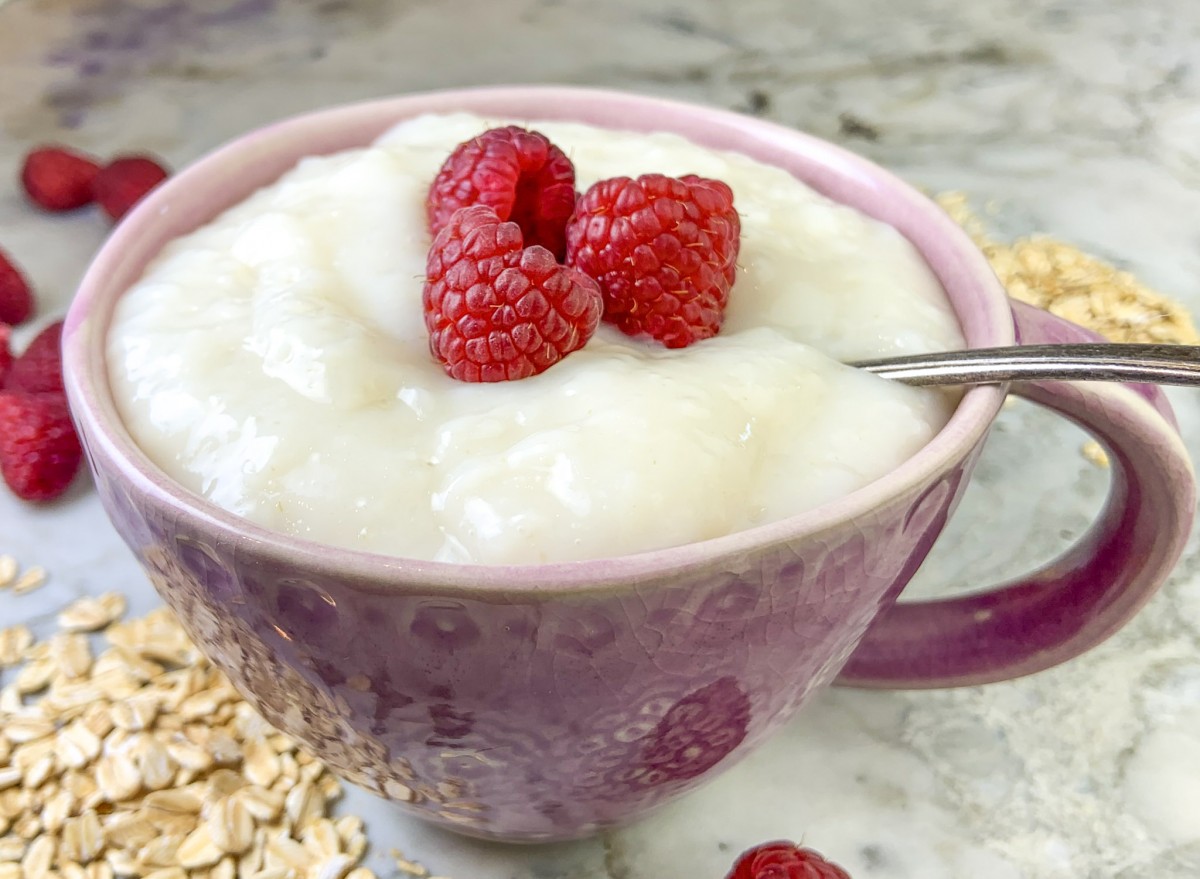
Oat milk yogurt has become a go-to dairy-free option in American kitchens, but a half-eaten container sitting in the fridge raises a familiar question: can you freeze it before it goes bad? The short answer is yes — but there are a few important things to know before you toss that tub in the freezer.
Freezing oat milk yogurt works well as a food-saving strategy, especially if you buy in bulk, meal prep for the week, or simply can’t finish a container in time. The process is straightforward, but the results are best when you know what to expect and plan how you’ll use it after thawing. This guide covers everything you need, from texture changes and proper freezing methods to thawing tips and the best ways to put frozen oat milk yogurt to work in your kitchen.
Can You Freeze Oat Milk Yogurt?
Yes, you can freeze oat milk yogurt — however, as with oat milk itself, it separates on thawing and its consistency changes. That separation is the main trade-off you need to weigh before freezing. It won’t make the yogurt unsafe, but it will change how you use it.
Some manufacturers of oat milk advise against freezing it. This isn’t because it goes off during freezing, but because the consistency and texture is changed by the freezing process. The same logic applies to oat milk yogurt. Freezing is a quality issue, not a safety one.
If you’re planning to eat it straight from the container with a spoon, freezing probably isn’t for you. But if you intend to blend it into smoothies, stir it into baked goods, or use it as a marinade base, freezing is a practical and waste-reducing option. If you’re interested in other whole plant-based foods and how to get the most out of them, the same principle applies: proper storage extends shelf life and reduces waste.
Pro Tip: Freeze oat milk yogurt only when you already know how you’ll use it after thawing. Having a plan prevents that frozen container from sitting forgotten in the back of your freezer.
Does Freezing Change the Texture or Taste of Oat Milk Yogurt?
Yes — and the texture change is the biggest thing to prepare for. Yogurt is around 70–80% water. When that water freezes, it forms ice crystals that break down the smooth, creamy structure. When it thaws, you’re left with separation: a pool of watery liquid sitting on top of grainy, slightly curdled solids.
Oat milk yogurt faces an additional layer of this problem because oat milk itself is already prone to graininess after freezing. Plant-based milks can be frozen, but they separate more than dairy. Higher water content means more ice crystal damage. Oat milk turns noticeably grainy after thawing. When that same base is used to make yogurt, the separation is even more pronounced.
What stays the same: flavor, nutritional value, and probiotic content (freezing makes probiotics dormant, but doesn’t destroy them). What changes: texture, appearance, and mouthfeel. So the yogurt is still nutritious and usable — it just won’t have that smooth, creamy consistency you’d spoon straight from a fresh container.
| What Changes After Freezing | What Stays the Same |
|---|---|
| Texture becomes grainy or watery | Flavor (mostly intact) |
| Liquid separates from solids | Nutritional value |
| Smooth mouthfeel is lost | Probiotic cultures (dormant, not destroyed) |
| Not ideal for eating plain | Safe to consume when stored correctly |
How to Freeze Oat Milk Yogurt the Right Way
Freezing oat milk yogurt correctly makes a real difference in the quality you get back after thawing. The goal is to minimize ice crystal formation, prevent freezer burn, and make portioning easy so you only thaw what you need.
Here’s a step-by-step method that works well for most home kitchens:
- Stir the yogurt thoroughly before freezing. Give the yogurt a good stir before freezing to distribute any liquid that has already separated in the container.
- Portion it out. An ice cube tray is perfect for portioning. Spoon the yogurt into the tray and freeze until solid. Once frozen, pop the cubes out and transfer them to a freezer-safe bag or container. Squeeze out all the air to prevent freezer burn.
- Leave expansion room. Oat milk consists largely of water, which expands by around ten percent when frozen. Do not fill the airtight container to the brim — leave at least an inch of headspace.
- Label every container. Label the containers or bags with the date and contents, and store them at 0°F (−18°C) or below. This makes it easy to track how long it’s been in the freezer.
- Skip glass containers. Glass can crack as the yogurt expands during freezing. Use freezer-safe plastic containers, silicone molds, or zip-top freezer bags instead.
Pro Tip: Freeze oat milk yogurt in individual serving-sized portions rather than one large batch. That way, you only thaw what you need for a single recipe and avoid wasting the rest.
If you’re also looking at how to build a smarter, more health-focused pantry, exploring superfoods for a healthy heart can give you ideas on ingredients that pair well with oat milk yogurt in smoothies and bowls.
How Long Can You Freeze Oat Milk Yogurt?
Most sources agree on a window of one to two months for the best quality. Frozen yogurt is best used within 1–2 months. After that point, the texture deteriorates further and freezer burn becomes more likely.
For optimal texture for spoon consumption, use within 30 days. If you’re planning to blend it or bake with it, you have a little more flexibility — the two-month mark is a reasonable upper limit before quality noticeably declines.
While refrigerated oat milk lasts about a week after opening, frozen oat milk can stay good for up to three months. Oat milk yogurt follows a similar pattern — the freezer significantly extends its usable life compared to keeping it in the fridge.
| Storage Method | Estimated Shelf Life | Best Use After |
|---|---|---|
| Refrigerator (opened) | 5–7 days | Eat plain, use fresh |
| Freezer (properly sealed) | 1–2 months (best quality) | Smoothies, baking, cooking |
| Freezer (maximum safe) | Up to 3 months | Cooked or blended recipes only |
How to Thaw Frozen Oat Milk Yogurt
How you thaw oat milk yogurt matters almost as much as how you freeze it. The safest and most texture-friendly method is a slow thaw in the refrigerator. The safest method is to transfer it to the fridge and let it thaw slowly for 6–12 hours. Don’t thaw at room temperature — yogurt is a dairy product and the bacterial growth risk isn’t worth it.
If you’re short on time, you can pour some lukewarm water into a bowl and place the frozen yogurt (in a container or a zip-lock bag) to speed up the thawing process. This can take 2–3 hours to thaw. Never use hot water, which can push the yogurt into the temperature danger zone and encourage bacterial growth.
Once thawed, expect some separation. To fix separated thawed yogurt, simply blend it in a blender for about 30 seconds until the texture improves. If you don’t have a blender, you can use a food processor as well. For a quicker fix, a vigorous stir or a whisk can also help bring it back together enough for cooking or baking.
Thawed oat milk yogurt can last in the refrigerator for up to 5 days. Use it promptly and don’t let it sit in the fridge for an extended period after thawing.
Pro Tip: If you froze the yogurt in ice cube trays, you can skip the thaw entirely for smoothies — just toss the frozen cubes directly into the blender with your other ingredients.
Can You Refreeze Oat Milk Yogurt After Thawing?
No — refreezing oat milk yogurt is not recommended. Refreezing oat milk is not advisable. Because of the change in texture from freezing oat milk only once, its texture and taste will deteriorate even further if you thaw and then freeze it again.
There’s also a food safety concern. Refreezing thawed yogurt is not recommended, as it can lead to a significant decrease in quality and safety. Refreezing thawed yogurt can also increase the risk of foodborne illness. If the yogurt was not handled and stored properly during the thawing process, bacteria may have grown, and refreezing will not kill these bacteria.
The best way to avoid this situation entirely is to freeze in small portions from the start. Refreezing worsens the texture considerably and increases food safety risks. Freeze in portions so you only thaw what you need. Single-serving ice cube portions are ideal for this reason.
For more insight into how certain foods support your body’s natural defenses, check out this guide on foods that can help enhance your liver function — many of which pair naturally with oat milk yogurt in everyday recipes.
How to Use Frozen Oat Milk Yogurt (Best Uses After Freezing)
Once thawed, oat milk yogurt is best treated as a cooking and blending ingredient rather than a standalone snack. The key takeaway: freeze yogurt when you want to save it for cooking, not for eating as-is. That shift in mindset opens up a lot of practical uses.
Here are the best ways to put it to work in your kitchen:
- Smoothies: Oat milk yogurt works well in smoothies, as the textural changes that occur when it is frozen will be hidden when blended with other ingredients. You can blend the cubes in directly from frozen for an extra-thick, cold result.
- Baking: Thawed oat milk yogurt works well in muffins, quick breads, pancakes, and cakes. The moisture it adds is valuable even if the texture has changed. Yogurt freezes and thaws well if you plan to enjoy it in frozen desserts and drinks or in baked goods.
- Marinades and sauces: The slight tanginess of oat milk yogurt makes it a good base for marinades. Heat and blending in a sauce will mask any graininess completely.
- Overnight oats: Stir thawed oat milk yogurt into overnight oats for added creaminess. If your oats seem a bit thick after thawing, simply stir in a splash of additional milk or yogurt to achieve your desired consistency.
- Frozen yogurt bark: Spread the yogurt on a parchment-lined baking sheet, top with fruit and granola, and refreeze. Eat it straight from the freezer as a snack — no thawing needed, so the texture change is irrelevant.
- Dips and dressings: Blend thawed yogurt with herbs, garlic, or lemon juice for a quick dairy-free dip. The blending process restores enough smoothness to make it work.
If you’re building meals around nutrient-rich ingredients, you might also enjoy reading about powerful nutrients and foods that fight cancer — many of which complement a diet that includes oat milk yogurt regularly.
Signs That Frozen Oat Milk Yogurt Has Gone Bad
Not every change you see after thawing oat milk yogurt means it has gone bad. Separation and a grainy texture are normal and expected. But there are specific signs that tell you the yogurt is no longer safe to eat.
Watch for these red flags before using thawed oat milk yogurt:
- Sour or off smell: Signs of spoilage include a musty smell, sour taste, lumps, a change in color, and mold. A sharp, unpleasant odor that goes beyond the normal mild tang of yogurt is a clear warning sign.
- Visible mold: Any fuzzy growth — white, green, or black — means the yogurt should be discarded immediately. Don’t scoop around it.
- Unusual color: Another clear indicator is a color change. Spoiled oat milk may appear darker or more yellow than usual. The same applies to oat milk yogurt.
- Slimy texture: Normal thawed yogurt is grainy and watery. A slimy or overly viscous texture that doesn’t respond to stirring is a spoilage sign.
- Swollen or bulging container: The most obvious signs are a sour smell (more than its usual tang), any visible mold, or a texture that is excessively lumpy or curdled. Also, if the container is bloating, it’s a sign of spoilage.
Important Note: Normal separation after thawing — where liquid pools on top of solids — is not spoilage. Give it a stir or blend before writing it off. True spoilage involves smell, mold, or significant color change alongside the texture shift.
Yogurt can sit out at room temperature for no more than two hours — or one hour if the temperature is 90°F or higher. Like milk, yogurt is a perishable dairy food, and leaving it unrefrigerated too long can allow harmful bacteria to grow. This rule applies after thawing as well. Once thawed oat milk yogurt has been sitting on the counter for more than two hours, discard it.
For more on how to identify foods that may be doing more harm than good, take a look at this guide on cancer-causing foods you need to avoid — a helpful reference for building a cleaner, more intentional diet.
Frequently Asked Questions
Does Freezing Destroy the Probiotics in Oat Milk Yogurt?
Freezing puts the bacteria into a dormant state rather than killing them. Once thawed, they become active again. The probiotic benefit is largely preserved. So you don’t need to worry about losing the gut-health benefits of your oat milk yogurt by freezing it.
Can You Freeze Store-Bought Oat Milk Yogurt in Its Original Container?
You can, but it’s not ideal. Most store-bought containers are filled to near capacity, which leaves no room for the yogurt to expand as it freezes. Oat milk consists largely of water, which expands by around ten percent when frozen. Do not fill the airtight container to the brim and leave enough space for the liquid to expand. Transfer the yogurt to a freezer-safe container with headspace, or remove some before sealing and freezing the original container.
How Do You Fix the Grainy Texture of Thawed Oat Milk Yogurt?
Yogurt will change its texture when freezing, but this issue can be fixed very easily by blending it in a food processor or in a blender for about 30 seconds. For a quicker method, a whisk can bring it back together enough for use in baking or cooking. You can also strain it through a fine mesh strainer or cheesecloth to remove excess liquid and improve the consistency.
Is Oat Milk Yogurt Safe to Eat After Freezing?
Yes, as long as it was frozen while still fresh, stored at 0°F (−18°C) or below, and shows no signs of spoilage after thawing. Frozen yogurt can be safe to eat if it is stored and handled properly. However, there are some important considerations to keep in mind. Contamination can occur if the yogurt is not stored in a clean and airtight container. Always use clean utensils and airtight containers to keep it safe.
Can You Freeze Flavored Oat Milk Yogurt?
Yes. You can freeze flavored or sweetened oat milk. However, the added ingredients may affect the taste and texture upon thawing. Fruit-flavored varieties may lose some brightness in their flavor, and fruit pieces mixed in will likely become soft and mushy. Plain or vanilla-flavored oat milk yogurt tends to freeze the most predictably.
What Is the Best Way to Use Oat Milk Yogurt After Freezing?
While frozen oat milk may have slight texture changes, it remains a versatile ingredient for smoothies, baking, and cooking. The blending or heating process in those applications masks any graininess completely, making them the most practical and satisfying uses for your thawed oat milk yogurt. You can also explore how foods for healthy skin often overlap with the kinds of nutrient-rich ingredients you’d pair with oat milk yogurt in smoothies and bowls.