Can You Freeze Pillsbury Dough in the Tube? What You Need to Know

October 24, 2026
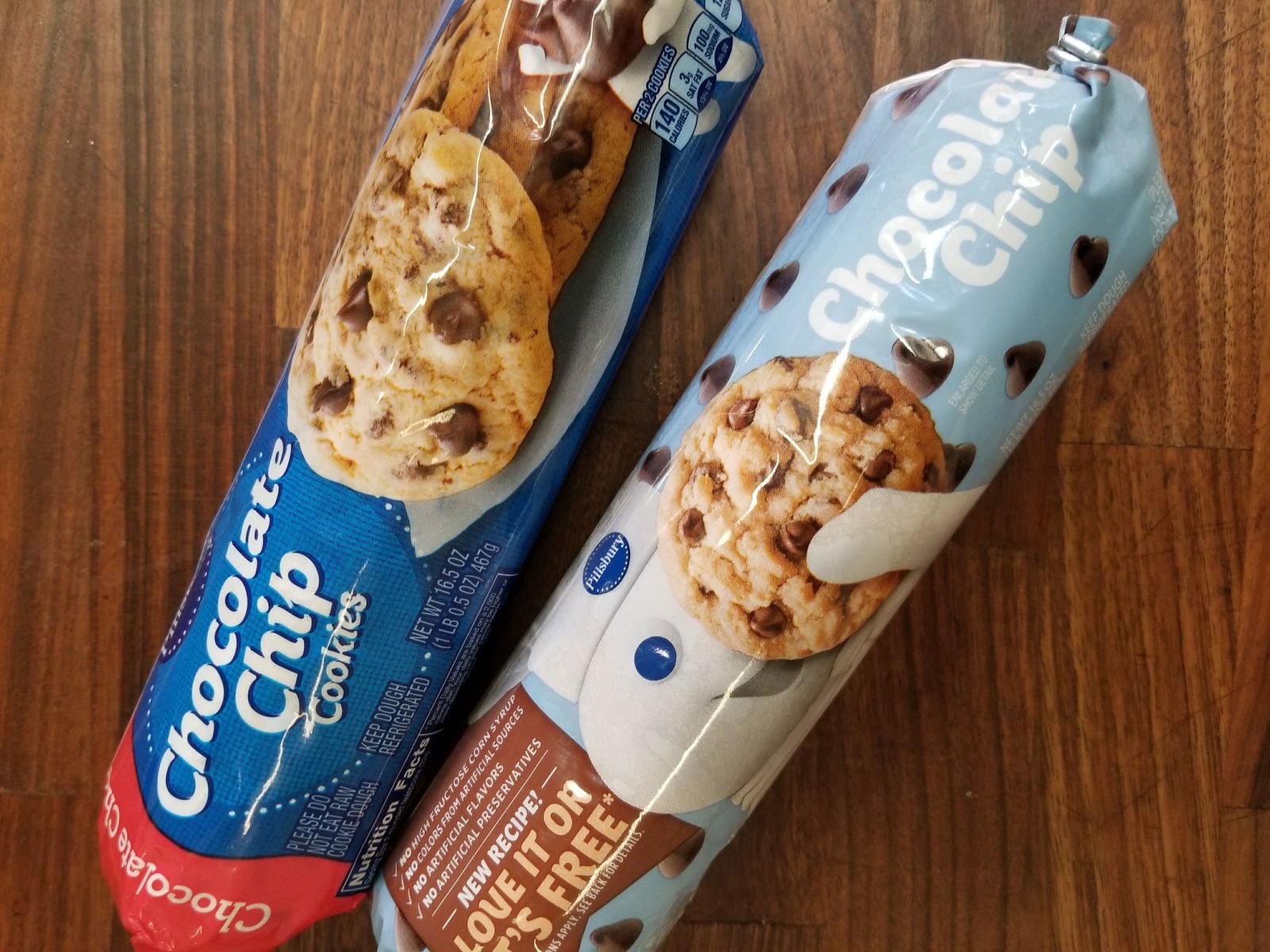
Pillsbury dough tubes are a staple in American kitchens. Whether you keep a few rolls of Grands biscuits, crescent rolls, or cinnamon rolls in the fridge, it’s easy to end up with more than you can use before the expiration date hits.
The good news: you can absolutely freeze Pillsbury dough to extend its life. The catch is that how you freeze it makes a big difference. Toss the sealed tube straight into the freezer and you may end up with an exploded mess, flat biscuits, or gummy dough. Do it right, and you’ll have ready-to-bake dough waiting for you whenever you need it.
This guide covers everything — the correct freezing method, how long frozen dough lasts, how to thaw it safely, and what to do with it once it’s been in the freezer.
Can You Freeze Pillsbury Dough?
Yes, you can freeze Pillsbury dough in the tube — but there are some important considerations to keep in mind before doing so. The biggest one involves the tube itself.
The most important rule to remember is this: you must remove the biscuits from their pressurized container before freezing. More often than not, the cans have been known to explode as they freeze, because the dough contains water, which expands as it freezes. That’s a mess no one wants to deal with.
Although packages of Pillsbury brand biscuits warn against freezing the raw dough, that’s to preserve the quality of the product, not for the consumer’s safety. So while the label says “do not freeze,” that warning is about texture and rise — not about making the dough unsafe to eat.
The varieties you can freeze include biscuits (including Grands), crescent rolls, cinnamon rolls, cookie dough, pizza dough, and Danish rolls. You can freeze Pillsbury Grands biscuits in the tube just like any other Pillsbury dough. The method is the same across all product types — remove from the tube, freeze individually, and store in an airtight bag.
Pro Tip: Always check the expiration date before freezing. Freezing pauses the clock but does not reset it — dough that is already past its best-by date will not improve in the freezer.
Does Freezing Change the Texture or Taste of Pillsbury Dough?
Freezing does affect Pillsbury dough somewhat, and it helps to know what to expect before you bake.
If you’re freezing your biscuits before baking them, keep in mind that they may not rise quite as tall as they normally do when cooked straight from your refrigerator. Similar to homemade biscuits, allowing the butter or shortening to melt before going in the oven prevents the dough from rising as it bakes and changes the biscuit’s texture, making it dense and gummy. This is why keeping the dough cold all the way through baking is so important.
Previously frozen biscuits should be baked according to the manufacturer’s instructions. Although the thawing process may prevent the biscuits from rising to their full potential, they will still taste as expected.
There are some potential drawbacks to freezing Pillsbury dough, such as changes in texture or flavor, and the need to adjust baking times. These are minor trade-offs for most people, especially when the alternative is throwing the dough away.
| Dough Type | Texture After Freezing | Rise After Freezing | Taste Impact |
|---|---|---|---|
| Biscuits (Grands) | Slightly denser | Reduced | Minimal change |
| Crescent Rolls | Mostly preserved | Slight reduction | Minimal change |
| Cinnamon Rolls | Mostly preserved | Slight reduction | Minimal change |
| Cookie Dough | Well preserved | N/A | Minimal change |
| Pizza Dough | Well preserved | Slight reduction | Minimal change |
How to Freeze Pillsbury Dough the Right Way
You have two main options: freeze the dough as individual raw portions, or bake it first and then freeze. Each method has its advantages depending on how you plan to use it.
Method 1: Freeze Raw Dough Individually (Recommended)
This is the best approach for biscuits, crescent rolls, and cinnamon rolls. Freezing them individually lets you pull out exactly how many you need without thawing the whole batch.
- Open the tube and separate the dough pieces along the pre-cut lines.
- Line a baking sheet with parchment paper and arrange the dough pieces on it with space between each one so they do not touch.
- Freeze until solid — set the unwrapped biscuits on the sheet pan and freeze them until solid, ensuring they are not touching.
- Transfer to a freezer bag — move the frozen biscuits to a resealable freezer-safe bag.
- Label the package — write the date of freezing on the packaging to keep track of how long it has been stored.
- Store at 0°F or below — place the bag in the freezer and store it at 0°F (-18°C) or below.
Method 2: Freeze the Whole Unopened Tube
If you bought one too many cans of refrigerated biscuits, the best way to freeze them is by popping an entire unopened tube into frozen storage for up to two months. This works fine if you plan to use the entire tube at once when you thaw it.
Before freezing, keep the dough in its original packaging. However, if you plan to freeze it for an extended period, consider wrapping the tube tightly in aluminum foil or plastic wrap to prevent freezer burn. Then place the wrapped tube inside a freezer-safe bag for added protection.
Method 3: Bake First, Then Freeze
This method works especially well if you want a quick reheat option with no baking required. You can bake an entire roll of canned biscuits and freeze the fully baked leftovers for another time. To freeze fully baked biscuits, secure each baked good in individual layers of plastic wrap before placing them all together in a resealable freezer bag.
Let baked biscuits sit on a wire rack until completely cool. Then wrap each biscuit tightly in heavy-duty foil or freezer wrap and store in a gallon-sized freezer bag or airtight container. They can be stored in the freezer for 2–3 months.
Pro Tip: Be sure the biscuits are completely cool before freezing. This ensures that excess moisture is not trapped inside of them once frozen, which would cause biscuits to become gummy and dense when thawed later.
How Long Can You Freeze Pillsbury Dough?
When properly stored, Pillsbury dough can be frozen for up to 2 months. Beyond this time frame, while the dough may remain safe to eat, the quality and texture can start to decline.
Properly stored in an airtight, freezer-safe bag, your raw biscuit dough will maintain its best quality for up to 3 months. After that, you risk freezer burn, which can dry out the dough and impart an “off” flavor.
Here is a general timeline to follow for raw Pillsbury dough portions stored in a sealed freezer bag:
- 1–3 months: Peak quality. Taste and texture will be excellent.
- 3–6 months: Still safe and usable, but you may notice a slight decline in texture and rise. Check for signs of freezer burn such as ice crystals and discoloration.
- 6+ months: Quality drops significantly. Use by the 3-month mark for the best results.
Fully baked biscuits stored in foil and a freezer bag hold up well for 2–3 months. Pillsbury recommends using the frozen dough within 2 months for the best quality. However, the dough remains safe to eat beyond that time frame if stored properly.
How to Thaw Frozen Pillsbury Dough
Thawing is where most people go wrong. Rushing the process leads to sticky, dense, or unevenly cooked dough — and in the case of a whole frozen tube, it can cause a messy blowout when you open it.
Thawing a Whole Frozen Tube
If you threw an entire tube of canned biscuit dough in your freezer, place the tube directly in the refrigerator to thaw it properly. Once it is thawed, simply pop the seal and bake pre-cut biscuits as directed. Just keep in mind these biscuits may not rise as much.
Within two months of freezing, the canned biscuits should be slowly thawed in the refrigerator overnight. Otherwise, the pressurized package can explode as you relieve some pressure by peeling away the label, causing the dough to ooze out. The warmed dough is very sticky, making it nearly impossible to separate the biscuits evenly, which affects their appearance and, more importantly, their texture.
Thawing Individual Raw Biscuits
For the fluffiest, highest-rising biscuits, thawing them before baking is the way to go. The best method is to simply take out the number of biscuits you need, place them on a parchment-lined baking sheet, and let them thaw in the refrigerator for several hours or overnight.
To thaw individual biscuits, take out as many as you need and gently wrap each pre-cut disc in plastic wrap, or add them to a plate and cover. Keep these unbaked biscuits away from any outside air and in the refrigerator until they are thawed and ready to bake.
Methods to Avoid
- Countertop thawing: Thawing them on the countertop is a mistake. Enabling the dough to defrost rapidly ruins the fluffy dough and could lead to a messy cleanup.
- Microwave thawing: Thawing dough in the microwave can lead to uneven temperatures, causing some areas to cook while others remain frozen.
Baking Straight from the Freezer
You can also bake frozen biscuit dough directly from the freezer. Remove however many biscuits you need and bake in a 425-degree oven for roughly 20 minutes. As a rule of thumb, add 5–10 minutes to your baking time when baking frozen biscuit dough.
Can You Refreeze Pillsbury Dough After Thawing?
It is not recommended to refreeze Pillsbury dough once it has already been thawed. It is best to use the entire tube or separate it into smaller portions before freezing. This is exactly why the individual flash-freeze method is so practical — you only pull out what you need, and the rest stays frozen and untouched.
It is not recommended to refreeze once the dough has been thawed. Refreezing thawed dough degrades the leavening agents further, leads to moisture loss, and increases the risk of an uneven bake. If you have leftover thawed dough that you cannot use right away, bake it off and freeze the finished product instead.
Important Note: Portion your dough before it ever goes into the freezer. Freezing individual pieces means you never have to thaw more than you need, which eliminates the refreezing problem entirely.
How to Use Frozen Pillsbury Dough (Best Uses After Freezing)
Frozen Pillsbury dough is more versatile than most people realize. While it may not rise quite as high as fresh-from-the-fridge dough, it works beautifully in recipes where a tall, fluffy biscuit is not the goal.
You can add taco meat, salsa, and shredded cheddar cheese for a Mexican-inspired meal that can be topped with guacamole and sour cream before serving. Defrosted biscuits are also ideal for making empanadas or savory pockets, which do not need to puff up during baking.
Canned biscuit dough can also be an invaluable shortcut for making entrees like pot pies and monkey bread, keeping a few on hand at all times makes sense. These dishes rely on the dough for structure and flavor, not height, so previously frozen dough performs just as well.
Here are some of the best ways to put frozen Pillsbury dough to work:
- Breakfast sandwiches: Scramble eggs with toppings like bacon, crumbled sausage, cheese, or vegetables. Use a knife to create a pocket in the middle of each raw biscuit and fill the cavities with the mixture. Crimp the edges to seal the filling and brush the tops with melted butter before baking.
- Mini pizzas: Canned biscuits are perfect for homemade mini pizzas. Flatten each thawed biscuit, add sauce and toppings, and bake until golden.
- Dumplings and savory pockets: Wrap fillings like chicken, vegetables, or cheese in flattened dough and crimp the edges. The reduced rise is not noticeable in these applications.
- Pot pie topping: Place thawed biscuit rounds directly on top of a filled casserole dish and bake as usual.
- Monkey bread: Cut thawed dough into pieces, coat in cinnamon sugar and butter, and bake in a bundt pan.
- Biscuit cups: Press thawed dough into a muffin tin and fill with eggs, cheese, or sweet fillings for a quick snack or appetizer.
If you enjoy experimenting with easy baked goods and simple kitchen shortcuts, you might also find inspiration in articles about whole plant-based foods or explore other pantry staples and food ideas worth keeping on hand.
Signs That Frozen Pillsbury Dough Has Gone Bad
Frozen dough does not spoil the same way fresh food does, but it can degrade to the point where it is not worth baking. Here is what to look for before you use it.
Before using frozen Pillsbury dough, check for any of the following indicators that may suggest a decline in quality: freezer burn (look for dry patches or discoloration on the dough), off odors (unpleasant smells can indicate spoilage), and texture changes (if the dough feels excessively dry or crumbly, it may not perform well in baking).
Before freezing, make sure to check the expiration date on the tube and use your best judgment when it comes to the dough’s freshness. If the dough is past its expiration date or has an off smell, it is best to err on the side of caution and discard it.
Additional warning signs to watch for:
- Heavy ice crystal buildup: A thick layer of ice crystals inside the bag means the dough has experienced temperature fluctuations and likely has freezer burn throughout.
- Gray or dark discoloration: Fresh Pillsbury dough is pale and uniform. Gray patches or dark spots signal oxidation or freezer burn.
- Sticky or slimy texture after thawing: Dough that is too sticky may be due to the yeast becoming over-active during the freezing process. If the stickiness is extreme and accompanied by an off smell, discard it.
- Sour or fermented odor: This suggests the leavening agents have broken down or the dough has begun to ferment. Do not bake it.
When in doubt, throw it out. Dough that has been in the freezer beyond 3 months and shows any of these signs is not worth the risk of a failed bake or an unpleasant result.
Frequently Asked Questions
Can You Freeze Pillsbury Crescent Rolls?
Pillsbury crescent rolls can be frozen in the tube and saved for future use. Just make sure to follow the same freezing instructions mentioned earlier. For best results, open the tube, separate the triangles, flash-freeze on a baking sheet, and transfer to a freezer bag.
Can You Freeze Pillsbury Cinnamon Rolls?
Pillsbury cinnamon rolls can be frozen in the tube, ready to be baked at a moment’s notice. Make sure they are properly sealed and labeled before storing in the freezer. Note that the icing packet should be stored separately in the refrigerator and used after baking.
Can You Freeze Pillsbury Cookie Dough?
You can freeze Pillsbury cookie dough in the tube just like other Pillsbury dough varieties. Freezing allows you to have cookie dough on hand whenever you are craving fresh-baked cookies. Slice the log into individual portions before freezing so you can bake just a few at a time.
Can You Bake Pillsbury Dough Straight from the Freezer Without Thawing?
You can bake the Pillsbury dough directly from the freezer without thawing. However, note that the baking time might be slightly longer than indicated on the package. Add 5–10 minutes and check for doneness before removing from the oven.
How Long Does Refrigerated Pillsbury Dough Last Without Freezing?
One alternative method is to refrigerate the dough in its tube. When refrigerated, the dough can last up to two weeks. Always go by the best-by date printed on the tube and use your senses — smell and appearance — as a secondary check.
Is It Safe to Eat Pillsbury Dough Raw After Freezing?
Adhere to the label’s warning against eating the dough raw. That can lead to foodborne illnesses like E. coli and Salmonella if contaminated flour is not cooked thoroughly. Freezing does not make raw dough safe to eat — always bake it fully before consuming.
Does the “Do Not Freeze” Label Mean It Is Unsafe to Freeze?
Although packages of Pillsbury brand biscuits warn against freezing the raw dough, that is to preserve the quality of the product, not for the consumer’s safety. The warning is about maintaining the best possible texture and rise — not a food safety concern. You can still freeze the dough with good results if you follow the right steps.
For more food storage tips and kitchen guidance, explore related reads on safe food handling after dental procedures or browse our coverage of the pros and cons of different food choices to make smarter decisions in the kitchen every day.