Can You Freeze Chicken Quesadillas? Everything You Need to Know

October 26, 2026
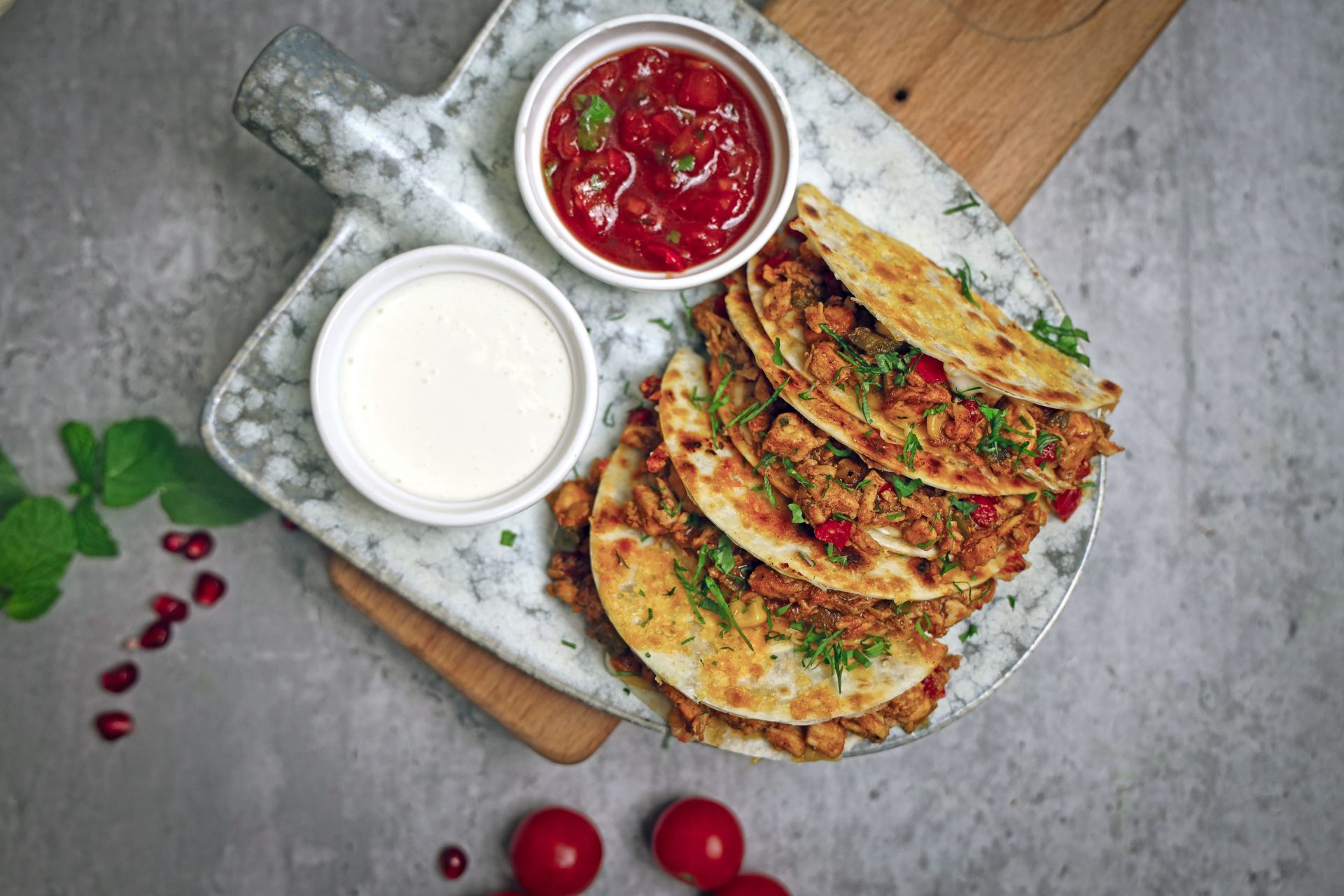
Chicken quesadillas are one of the easiest meals to make in bulk, which means leftovers are almost guaranteed. Whether you batch-cooked for the week or simply made too many for dinner, the good news is that your fridge is not the only option for storing them.
Yes, you can absolutely freeze chicken quesadillas — and when you do it correctly, they come out tasting nearly as good as fresh. The key is in how you cool them, wrap them, and reheat them. Skip a step, and you end up with a soggy, rubbery mess. Follow the right method, and you have a ready-made meal waiting in your freezer any time hunger strikes.
This guide walks you through everything: how freezing affects texture, the best step-by-step method, storage timelines, thawing options, and the signs that a frozen quesadilla has gone bad. Whether you are meal prepping for a busy week or just saving leftovers, you will find practical answers here.
Can You Freeze Chicken Quesadillas?
Yes, you can freeze chicken quesadillas — but not all methods work equally well. Both cooked and uncooked quesadillas are freezer-friendly, though each approach has its own advantages depending on your situation.
You can freeze quesadillas either before being cooked or after. To defrost them, the best method is to leave them in the fridge overnight and cook or reheat them the following day. If you are making a big batch specifically for the freezer, assembling them uncooked can actually give you a slightly fresher result when you eventually cook them from frozen.
The most important part of freezing any meat-filled quesadilla is to ensure it is not left on the counter for too long. As soon as it reaches room temperature, get it frozen to avoid bacterial growth. The USDA recommends refrigerating or freezing cooked chicken within two hours of cooking — or within one hour if your kitchen is above 90°F.
Pro Tip: If you want the crispiest results after reheating, freeze quesadillas before cooking them rather than after. Assembling them raw and cooking straight from frozen gives you more control over texture.
Does Freezing Change the Texture or Taste of Chicken Quesadillas?
Freezing does affect chicken quesadillas, but the impact is manageable with the right technique. The biggest issue is moisture. When a quesadilla freezes and then thaws, ice crystals form inside the tortilla and filling. As those crystals melt, the moisture can make the tortilla soft or slightly soggy — especially if the quesadilla was not wrapped tightly before freezing.
Freezing quesadillas fails most often due to three interrelated issues: moisture condensation, starch retrogradation in tortillas, and fat separation in cheeses. Understanding this helps you avoid the most common mistakes, like sealing a warm quesadilla in a bag or using cheese with a high water content.
When selecting the cheeses to include in your quesadilla, be mindful that hard cheeses such as cheddar freeze much better than softer cheeses or those with high water content. Cheeses that melt well and maintain their consistency are ideal, such as cheddar, Monterey Jack, and mozzarella. These cheeses not only blend seamlessly with other ingredients but also retain their quality when frozen and reheated.
Avoid ingredients that release a lot of moisture, like raw vegetables or fresh tomatoes, as these can make the quesadillas soggy when thawed. Instead, opt for ingredients that will hold up well in the freezing process, such as cooked meats, cheeses, and well-cooked vegetables. The chicken itself freezes well, especially when it is shredded and seasoned before assembly.
Quesadillas taste good after being frozen if you froze them in the last two to four months. They likely would not taste as good if you froze them for more than that amount of time. Sticking to the recommended storage window is the simplest way to protect both flavor and texture.
How to Freeze Chicken Quesadillas the Right Way
The flash-freeze method is the most reliable approach. It prevents quesadillas from sticking together and minimizes moisture buildup inside the packaging. Follow these steps for the best results:
- Cool completely. Set your leftover quesadillas to one side and allow them to cool completely to room temperature. Sealing a warm quesadilla traps steam inside the bag, which leads to sogginess.
- Slice into portions. If you have not done so, slice your quesadillas into individual serving sizes before freezing. This makes your life a lot easier when you thaw them, as you can defrost only the required portion at any given time.
- Flash-freeze on a baking sheet. Arrange portions in a single layer with space between them. Freeze uncovered for 90 minutes — just until solid to the touch. This prevents sticking and minimizes moisture buildup.
- Wrap each piece individually. Let them cool completely, then wrap each one individually in foil or plastic wrap. This adds a moisture barrier and protects against freezer burn.
- Transfer to a freezer bag. Place wrapped pieces in a heavy-duty freezer bag, pressing out all air before sealing. Use a straw to suck out residual air if needed.
- Label the bag. Write the date you prepared the quesadillas, as well as their use-by date, on the front of the freezer-safe bag before sealing and transferring to the freezer.
Pro Tip: Store quesadillas toward the back of the freezer rather than near the door. Temperature fluctuations near the door can cause edge darkening and tortilla cracking over time.
If you prefer to freeze quesadillas before cooking them, the process is nearly identical — just skip the cooking step and assemble them directly. Place uncooked quesadillas on a cookie sheet in a single layer and freeze. Once frozen, carefully transfer to a large resealable freezer bag and seal.
How Long Can You Freeze Chicken Quesadillas?
Most sources agree on a two-to-three-month window for the best quality, though they can remain safe beyond that point if stored at a consistent 0°F.
| Storage Method | Safe Duration | Best Quality Window |
|---|---|---|
| Refrigerator | 3–4 days | 1–2 days |
| Freezer (cooked) | Up to 3–4 months | 1–2 months |
| Freezer (uncooked) | Up to 3 months | 1–2 months |
As long as the chicken quesadillas are stored properly, you can keep them in the freezer for up to four months. However, the overall texture will be mushier, and the cheese filling will likely suffer if you freeze them for more than two to four months. Although it is safe to freeze them for longer, the quality will decrease and they will not be as enjoyable to eat.
According to the USDA Food Safety and Inspection Service , only the quality suffers with lengthy freezer storage. Freezing keeps food safe by slowing the movement of molecules, causing microbes to enter a dormant stage, and prevents the growth of microorganisms that cause both food spoilage and foodborne illness. In practical terms, your quesadillas will not become unsafe quickly — but they will taste noticeably worse the longer they sit.
For meal prep purposes, labeling each bag with the date you made them is the simplest way to stay within the quality window. You can learn more about whole plant-based foods if you want to explore filling variations that hold up especially well in the freezer.
How to Thaw Frozen Chicken Quesadillas
How you thaw your quesadillas has a direct effect on the final texture. The refrigerator method is the safest and most reliable option for cooked quesadillas.
To defrost quesadillas, remove them from the freezer the night before you plan to enjoy them and transfer them to the fridge. They will be perfectly thawed and ready to heat by the following day. This slow thaw keeps the tortilla from absorbing too much moisture at once.
That said, you do not always have to thaw them first. You can cook from frozen by removing one or more quesadillas from the bag and cooking them in a skillet, covered, on medium heat, flipping partway through. The quesadilla is done when the cheese is melted and the tortilla is golden brown.
Here is a quick comparison of reheating methods for frozen chicken quesadillas:
| Method | Temperature / Setting | Time | Result |
|---|---|---|---|
| Skillet | Medium heat, lid on | 4–6 min per side | Crispy, golden |
| Oven | 350°F | 10–15 min | Even heat, good texture |
| Air fryer | 375°F | 5–6 min, flip, 3–4 more min | Crispiest results |
| Microwave | High | 1–2 min | Soft, less crispy |
Microwaving alone is the single biggest cause of failure — it heats unevenly, steams the tortilla, and makes cheese rubbery. Instead, combine methods strategically. A quick microwave warm-up followed by 2–3 minutes in a hot skillet is a solid compromise when you are short on time.
When reheating from frozen in the oven, freeze quesadillas individually wrapped in plastic wrap or foil for up to two months and reheat from frozen in the oven at 400°F for 15–20 minutes.
Can You Refreeze Chicken Quesadillas After Thawing?
Refreezing is technically possible in some circumstances, but it is generally not recommended for chicken quesadillas. The more times a quesadilla goes through the freeze-thaw cycle, the worse the tortilla texture becomes.
When you thaw frozen quesadillas, the ice crystals that form during freezing can cause the tortilla to become soggy or develop off-flavors. Refreezing the quesadillas can worsen these issues, leading to an unappetizing texture and potential food safety risks.
There is one exception worth knowing. According to the USDA FSIS , it is safe to refreeze any food remaining after reheating previously frozen leftovers to the safe temperature of 165°F as measured with a food thermometer. So if you thaw a quesadilla, reheat it fully to 165°F, and have leftovers, you can refreeze what remains — though quality will take another hit.
The smarter approach is to portion quesadillas individually before freezing so you only pull out what you need. Slicing them in preparation for the freezer ensures you can take out an appropriate serving size whenever you want a quesadilla, meaning you do not need to worry too much about wastage.
Important Note: Never refreeze chicken quesadillas that were thawed on the counter or left at room temperature for more than two hours. The USDA advises discarding any perishable food left above 40°F for more than two hours.
How to Use Frozen Chicken Quesadillas (Best Uses After Freezing)
Frozen chicken quesadillas are more versatile than most people realize. They are not just a backup dinner — they fit into a range of everyday meal situations, especially for busy households across the US.
- Weeknight dinners: Pull two or three from the freezer in the morning, thaw in the fridge, and reheat in a skillet when you get home. Add fresh salsa, sour cream, and guacamole on the side.
- School and work lunches: Freezer chicken quesadillas are a cheap and easy meal you can prep in advance and keep frozen for future lunches — perfect for meal prep, lunchboxes, picky toddlers, or just to have a meal on hand when you are in a pinch.
- After-school snacks: It is a great idea to have these on hand for your teens to make a quick and easy protein snack after school or practice. Cook one or two at a time and just leave the rest in the bag for later.
- Game day appetizers: Reheat a full batch in the oven on a sheet pan and slice into wedges. Serve with dipping sauces for an easy crowd-pleaser.
- Breakfast quesadillas: Swap the filling before freezing — scrambled eggs, cheddar, and sautéed peppers make an excellent morning version that reheats in minutes.
If you enjoy exploring different flavor combinations, you might also find inspiration in traditional Mexican food or look at global food festivals around the world for ideas on fillings that travel well from freezer to plate. For more ideas on foods that support your overall health goals, check out these superfoods for a healthy heart — many of which, like black beans and peppers, make excellent quesadilla fillings.
When reheating for a group, for the best results reheat quesadillas in the oven or on the stovetop. In the oven, bake at 350°F for about 10 minutes until reheated. This method lets you heat multiple pieces at once without standing over the stove.
Signs That Frozen Chicken Quesadillas Have Gone Bad
Frozen chicken quesadillas do not last forever, and even properly stored ones can develop problems. Knowing what to look for before you reheat them protects you from foodborne illness and wasted effort.
Check for these warning signs before reheating:
- Off odor: A strong sour, fishy, or rancid odor after thawing means the quesadilla is not safe to eat. Chicken that has gone bad has a distinct smell that is hard to miss.
- Slimy texture: Check the quesadillas regularly for signs of spoilage, such as off odors, slimy texture, or mold growth. A slippery or sticky surface on the chicken filling after thawing is a clear discard signal.
- Visible mold: Ice crystals are normal; mold is not. If you see any fuzzy growth on the tortilla or filling after thawing, throw the quesadilla out immediately.
- Freezer burn patches: Freezer burn does not make food unsafe — it merely leaves dry spots. It appears as grayish-brown leathery spots and is caused by air coming in contact with the surface of the food. You can trim affected areas before reheating, but heavily freezer-burned foods may have to be discarded for quality reasons.
- Unusual discoloration: Extremely old quesadillas may show a deep gray or brown color throughout — not just patchy — along with heavy frost buildup and an unknown date. If you cannot remember when you made them, that is reason enough to toss them.
- Past the storage window: Frozen quesadillas can be stored for up to three to four months. After this time, the quality and safety of the quesadillas may decrease.
When in doubt, throw it out. Always reheat frozen quesadillas to an internal temperature of 165°F to ensure food safety. A simple instant-read thermometer takes the guesswork out of the process entirely.
Proper food storage is also connected to broader health habits. If you are interested in how the foods you eat affect your body, explore these powerful nutrients and foods that fight cancer or learn about foods that can help enhance your liver function — both useful reads for anyone thinking more intentionally about what goes into their meals.
Frequently Asked Questions
Can you freeze store-bought chicken quesadillas?
Yes. The same rules apply — cool them first if they were freshly made, wrap individually, flash-freeze on a tray, then transfer to a freezer bag. Store-bought versions that are already frozen can go straight into the freezer without any extra steps.
Can you freeze chicken quesadillas with sour cream or guacamole inside?
No — fresh toppings like guacamole and sour cream degrade in texture and flavor when frozen. Add them after reheating. The same goes for fresh pico de gallo and shredded lettuce.
How do you keep frozen quesadillas from getting soggy?
Warm quesadillas trap steam inside packaging, accelerating ice crystal formation. Always cool them completely before wrapping, press out all air from the freezer bag, and reheat using dry heat — a skillet or air fryer — rather than the microwave alone.
Can you freeze corn tortilla quesadillas?
If you are using corn tortillas, keep each one flat instead of trying to fold them over. Use two per quesadilla for the top and bottom. Freeze on sheet trays, then move to a freezer bag after they are frozen. Corn tortillas will break too easily and do not fold well, but they do fry up easily and have great flavor.
How long do chicken quesadillas last in the fridge?
Store in an airtight container, separated by parchment paper, for 3–4 days in the refrigerator. After that, move them to the freezer or discard them.
Is it better to freeze quesadillas cooked or uncooked?
Some people prefer freezing uncooked quesadillas, as it can result in fresher-tasting quesadillas once thawed and cooked. However, cooked quesadillas are more convenient if you want to reheat quickly without worrying about cooking through raw chicken. Both methods work — it comes down to your preference and schedule.
For more food storage ideas and kitchen tips, browse our guides on foods that start with Q and famous foods in Boston for some regional American food inspiration.