Can You Freeze Jambalaya With Shrimp? What You Need to Know First

October 25, 2026
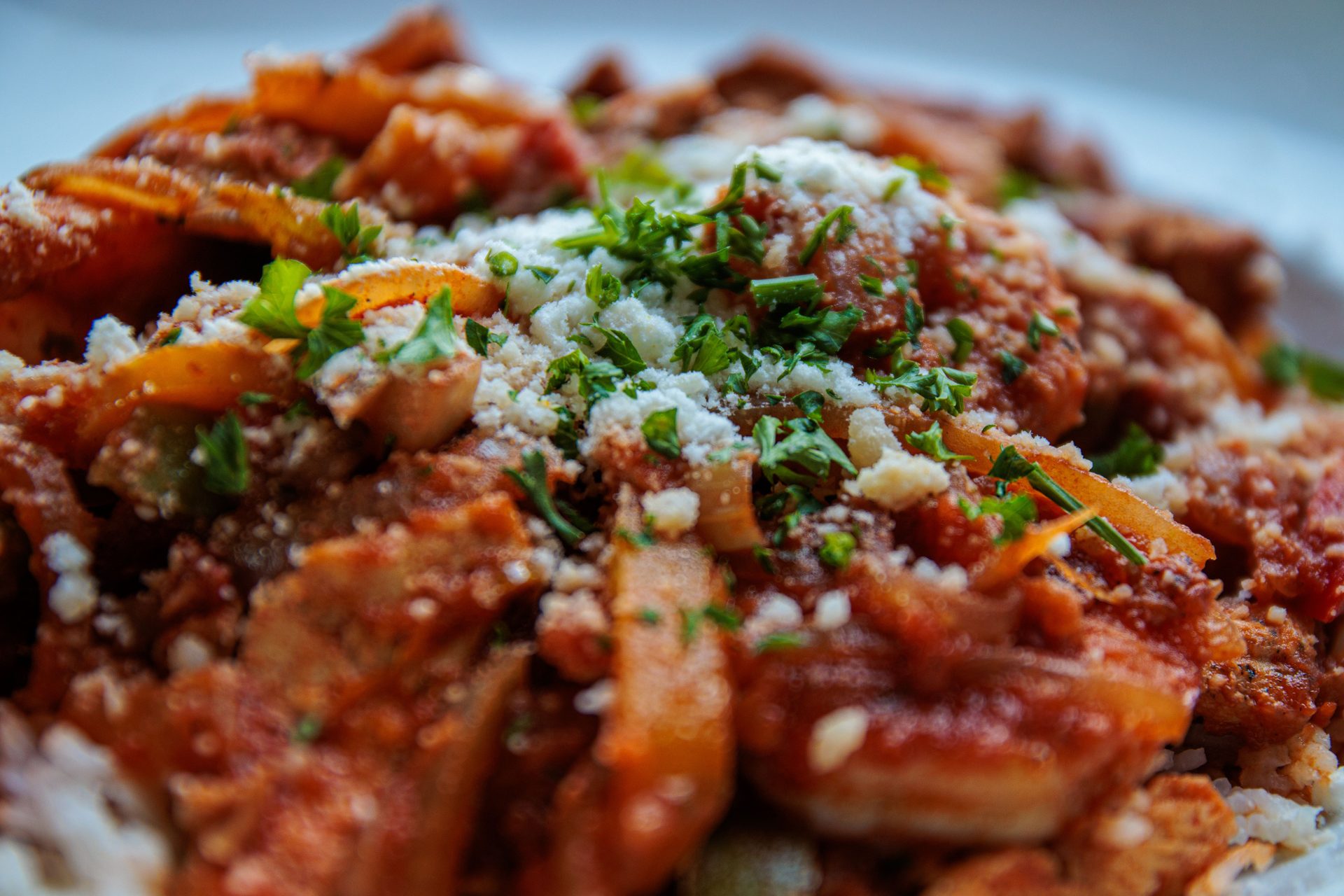
Jambalaya is one of those dishes that practically demands a big batch. Whether you’re cooking a classic Louisiana Creole version loaded with andouille sausage and shrimp or a spicier Cajun take, you almost always end up with more than one meal’s worth. That’s great news — but it also raises a very practical question: can you freeze jambalaya with shrimp in it?
The short answer is yes, but there are a few things worth knowing before you seal up that container. The shrimp and the rice both behave differently in the freezer than the rest of the dish, and a little planning upfront can make the difference between a satisfying reheated meal and a disappointing one. This guide walks you through everything — from how to freeze it correctly to what to do when you’re ready to eat it again.
Can You Freeze Jambalaya With Shrimp?
If you find yourself with leftover jambalaya that includes shrimp and are wondering whether you can freeze it, the answer is yes. Freezing jambalaya with shrimp is a practical way to save leftovers for a quick and easy meal later on. That said, it helps to go in with realistic expectations.
Jambalaya combines a lot of different ingredients, so freezing it isn’t as simple as sealing it and tossing it in the freezer. Two main issues can arise: the rice can get mushy, and the shrimp’s texture can become flabby. Neither of these problems makes the dish unsafe to eat — they’re purely texture concerns.
Despite the texture changes, the shrimp are still completely safe to eat if you decide to keep them in the jambalaya when you freeze it. If you’re okay with a slightly softer shrimp, there’s no reason you can’t freeze the whole dish as-is. If texture matters to you, there are easy workarounds covered below.
Pro Tip: If you know ahead of time that you’re going to freeze a batch, cook the jambalaya without adding the shrimp. Freeze the base, then add fresh or separately thawed shrimp when you reheat. You’ll get much better results.
Does Freezing Change the Texture or Taste of Jambalaya With Shrimp?
When meat is frozen, the frozen water inside the meat’s protein cells causes the release of soluble salts, which leads to a physical change that can alter texture quite dramatically — generally making the meat dry or rubbery. Shrimp are especially vulnerable to this process.
When you freeze jambalaya, you can expect the sausage, shrimp, or chicken to have slightly different textures — generally a bit more rubbery than when never frozen. However, it’s cooked shrimp that are affected the most. When shrimp are frozen inside the jambalaya, they become spongy and not very appetizing.
Rice is the other ingredient that suffers. Frozen rice can become very mushy when thawed. The good news is that the bold spices, tomatoes, and aromatics in jambalaya — the paprika, cayenne, thyme, celery, onion, and bell pepper — hold up well in the freezer. The flavor of the dish largely survives; it’s the texture of specific ingredients that takes the hit.
As long as you follow the correct freezing and reheating processes, the slight change in the shrimp’s texture won’t be enough to ruin the deliciousness of your reheated jambalaya. Managing your expectations and using the right techniques makes a real difference.
How to Freeze Jambalaya With Shrimp the Right Way
There are two scenarios here: you’re freezing leftovers you’ve already cooked with shrimp, or you’re planning ahead and cooking specifically for the freezer. Each approach is slightly different.
If You’re Freezing Leftovers (Shrimp Already Cooked In)
- Cool it down first. Cool the dish to room temperature within two hours of cooking. Don’t skip this step — putting hot food directly into the freezer raises the internal temperature and can affect surrounding items.
- Portion it out. Split your jambalaya into portion sizes before freezing, as this makes defrosting easier. Determine suitable portion sizes and make sure you split the ingredients equally so you don’t have too much meat or rice in one serving.
- Pack it airtight. Transfer the cooled jambalaya to an airtight, shallow container or freezer bag, and remove as much air as possible before sealing. If you don’t have a vacuum sealer, put the jambalaya in a zip-lock bag, press out as much air as possible, then put that bag inside another zip-lock bag before labeling it and placing it flat in the freezer.
- Label and date. Label the containers or bags with the date and contents, and store them at 0°F (-18°C) or below.
If You’re Cooking Specifically for the Freezer
If you’re looking to freeze the jambalaya and serve it at a later time, simply cook the jambalaya without ever adding rice. Then, on the day you’re ready to serve, bring the frozen jambalaya to a boil in a pot and add rice at that point — you’ll have freshly cooked rice with no risk of mushiness.
For the shrimp, the same logic applies. The easiest way to deal with spongy shrimp is by not adding them to the jambalaya when you first cook it. It’s easy enough to add fresh shrimp when reheating, or you can sauté fresh or commercially frozen shrimp with a little butter and seasoning and place them on top of the reheated jambalaya when you serve it.
Pro Tip: A vacuum sealer is the best tool for freezing jambalaya. You can place the jambalaya into a zip-lock bag, flatten it out, and use a kitchen vacuum machine to suck the air out. A benefit of this method is that you can reheat the jambalaya directly in the bag once you’re ready to eat.
How Long Can You Freeze Jambalaya With Shrimp?
You can freeze jambalaya with shrimp for up to 3 months. Make sure to store it in an airtight container to prevent freezer burn and maintain the dish’s quality. Most sources agree on this window as the sweet spot for both safety and flavor.
Leaving it for any longer than three months can cause it to go stale once defrosted, and some of the ingredients will taste far from fresh. If you’re storing leftovers that already have cooked shrimp in them, aim to use them within that three-month window for the best experience.
| Storage Method | How Long It Lasts | Notes |
|---|---|---|
| Refrigerator | 3–5 days | Keep in an airtight container at 40°F (4°C) or below |
| Freezer (with shrimp) | Up to 3 months | Shrimp texture will soften; still safe to eat |
| Freezer (without shrimp) | 3–4 months | Best quality; add fresh shrimp when reheating |
For refrigerator storage, cooked jambalaya with shrimp can generally be safely stored in the fridge for 3 to 5 days. If you’re not sure you’ll eat it within that window, transfer it to the freezer sooner rather than later.
If you want tips on how to ship frozen food safely, that guide covers packaging and temperature management in detail.
How to Thaw Frozen Jambalaya With Shrimp
The best way to thaw frozen jambalaya is to transfer it from the freezer to the refrigerator and let it thaw overnight. This gradual thawing process helps maintain the dish’s texture and flavor.
Because jambalaya usually contains meat and shellfish, you should defrost it in the fridge. Never defrost meat or fish on the countertop, as harmful bacteria will grow and this could cause a stomach upset or severe illness. This is especially important with shrimp, which is a high-protein seafood that sits in the food safety danger zone quickly at room temperature.
If you’re short on time, you can thaw the dish quickly by submerging the sealed container or bag in cold water. Change the water every 30 minutes to keep it cold. This method works well but requires you to reheat and eat the jambalaya immediately after — don’t refreeze it once it’s been thawed this way.
To prevent the rice from becoming mushy, it’s best not to reheat jambalaya straight from frozen. Always thaw it first for the best texture results.
Reheating After Thawing
The best way to reheat jambalaya is in a pot on the stove. Alternatively, you can try reheating it in a slow cooker or in the microwave until hot throughout.
Stovetop reheating gives you the most control. Add a small splash of water or chicken broth to the pot to loosen the jambalaya and prevent it from sticking or drying out. Reheat the dish to an internal temperature of 165°F (74°C) to ensure food safety. Use a food thermometer to confirm the temperature, especially when shrimp is involved.
For microwave reheating, allow the jambalaya to thaw in the fridge for 24 hours, place it into a microwave-safe container, cover it with a damp paper towel, and microwave in 30-second increments, stirring after each increment until it comes out steaming hot.
Can You Refreeze Jambalaya With Shrimp After Thawing?
Technically, you can refreeze jambalaya — but it’s not a good idea, especially when shrimp is involved. Like nearly every other food, refreezing will seriously impact quality. This is particularly true for the rice and shrimp, which degrade even after just one freeze cycle. While it would most likely be safe to do so — as long as it hasn’t been at room temperature for more than 2 hours — refreezing is not recommended because the texture will likely be much worse.
The practical rule: reheat the dish only once. If you’re unsure whether the dish has been reheated before, it’s best to err on the side of caution and discard it. This is why portioning your jambalaya before freezing is so important — you only thaw exactly what you need.
Important Note: If shrimp has been thawed and left at room temperature for more than 2 hours, discard it. Do not refreeze or reheat shrimp that has been sitting out, as this creates a food safety risk.
How to Use Frozen Jambalaya (Best Uses After Freezing)
Reheated jambalaya is satisfying on its own, but it also works well as a base for other meals — especially when the shrimp texture isn’t quite what you’d want for a standalone bowl. Here are some of the best ways to use it:
- Stuffed bell peppers. Turn leftover jambalaya into a filling for stuffed bell peppers or use it as a topping for baked sweet potatoes for a quick and easy meal. The bold Cajun seasoning carries through well in both preparations.
- Jambalaya soup. Add chicken or shrimp stock to the thawed jambalaya and simmer it into a hearty soup. The rice absorbs the broth and the texture concerns mostly disappear.
- Rice bowl base. Serve the reheated jambalaya base (without the original rice if it got mushy) over freshly cooked rice. This is especially effective if you froze the jambalaya without rice in the first place.
- Breakfast hash. Sauté thawed jambalaya in a skillet with a little oil until it crisps up, then top with a fried egg. The crispy edges from the pan offset any softness in the shrimp.
- Pasta sauce. Thin it out with a bit of tomato sauce or broth and toss it with linguine or penne for a Creole-style pasta dish. If you enjoy shrimp-forward dishes, you might also like this guide on what to serve with shrimp scampi for pairing ideas.
Repurposing leftover shrimp jambalaya into new dishes is a smart way to avoid food waste and keep your meals interesting throughout the week.
Signs That Frozen Jambalaya With Shrimp Has Gone Bad
Even when frozen, jambalaya can go bad if it wasn’t stored correctly or if it’s been in the freezer too long. Before reheating, check for these warning signs:
- Off smell. If the dish has a strong, unpleasant odor, it may be a sign of spoilage. Shrimp that has gone bad has a distinctly sour or ammonia-like smell — trust your nose on this one.
- Slime or mold. If you notice slime or mold on the surface of the dish, it’s a clear indication of spoilage. Discard the entire container — don’t try to salvage it.
- Slimy texture. If the dish has a slimy texture, it may be a sign of spoilage. This is different from the softness that comes from freezing — sliminess is a bacterial indicator.
- Freezer burn. Grayish-white patches or a dry, leathery appearance on the surface indicate freezer burn. The jambalaya is technically still safe to eat, but the affected portions will taste bland and chalky. Cut away heavily burned sections before reheating.
- Faded color. Shrimp that has been frozen too long may turn grayish or pale. Combined with an off smell, this is a strong sign to discard it.
When in doubt, throw it out. Foodborne illness from improperly stored seafood is not worth the risk. When it comes to storing jambalaya with shrimp, it’s important to follow proper food safety guidelines to ensure the dish remains safe to eat and retains its quality.
Frequently Asked Questions
Can You Freeze Jambalaya With Rice Already in It?
Yes, but the rice will likely become mushy after thawing. One way to reduce this is to cook the rice only halfway through before adding it to the mix. That way the rice is still slightly firm before freezing, and by the time you thaw and reheat, it will have finished cooking. If you’re cooking specifically for the freezer, leaving the rice out entirely and adding it fresh when reheating is the best approach.
Is It Better to Freeze Jambalaya With or Without Shrimp?
If you’re planning on freezing jambalaya and don’t want spongy shrimp, it’s best to either cook the jambalaya without shrimp or remove the shrimp before freezing it. Freezing without shrimp and adding fresh shrimp at reheating time gives you the best final texture. That said, if you’re working with leftovers that already have shrimp cooked in, freezing them is still a perfectly reasonable option.
How Do You Keep Shrimp From Getting Rubbery When You Reheat Jambalaya?
The best strategy is to add fresh shrimp during the reheating process rather than relying on shrimp that was frozen with the dish. Reheating on the stovetop produces the best results. If you choose to add fresh shrimp to your leftovers, you can add the defrosted jambalaya to the cooking shrimp, ensuring you get the full flavor burst provided by the shellfish.
Can You Freeze Jambalaya Made With Frozen Shrimp?
It’s generally not recommended to refreeze shrimp that was previously frozen, thawed, and then cooked. If your jambalaya was made with commercially frozen shrimp that you thawed before cooking, freezing the final dish means that shrimp has gone through two freeze-thaw cycles — which significantly degrades texture and increases food safety risk. In this case, it’s better to eat the leftovers within 3 to 4 days from the fridge.
Can You Freeze Other Types of Jambalaya?
You can freeze jambalaya with other proteins like chicken, andouille sausage, or ham. Follow the same freezing and reheating instructions for the best results. Chicken and sausage hold up better in the freezer than shrimp, so a jambalaya made without seafood is generally easier to freeze with fewer texture trade-offs.
How Long Does Jambalaya Last in the Fridge Before You Should Freeze It?
If you think you might use your leftover jambalaya within 3 to 4 days, you can store it in the fridge before thinking about freezing it. This saves you from having to worry about freezing and then defrosting, which reduces the risk of ruining its texture. If you’re not confident you’ll eat it within that window, move it to the freezer sooner.