Can You Freeze Canned Pork and Beans? What You Need to Know

October 26, 2026
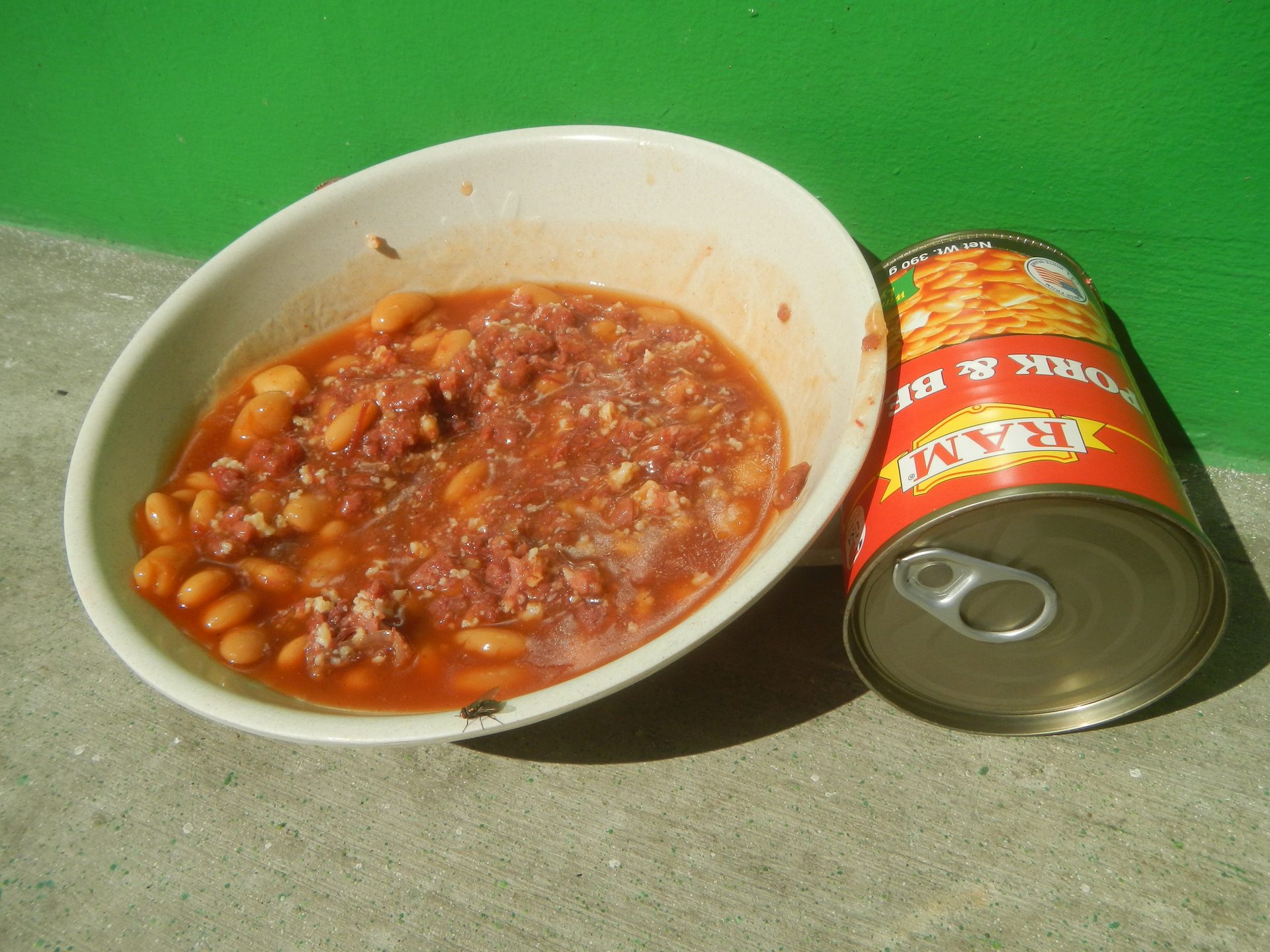
Canned pork and beans are a pantry staple across the United States — equally at home at a summer cookout, a weeknight dinner, or a church potluck. But what happens when you open a can and only need half? Or you made a big batch and can’t finish it in a few days?
Freezing is the answer, and yes — it works. The process is straightforward, but there are a few important rules to follow so your beans come out tasting great instead of turning into a mushy mess. This guide walks you through everything, from the right containers to use to how long frozen pork and beans actually stay good.
Can You Freeze Canned Pork and Beans?
Yes, you can freeze pork and beans. Both homemade and canned baked beans can be frozen for up to 6 months. The key is making sure you do it correctly before the beans ever hit the freezer.
You can freeze canned pork and beans after opening, but it is important to transfer the beans into a suitable freezer-safe container. Freezing the entire can is not recommended, as it can result in potential hazards such as cracking or exploding cans, as well as difficulties in accessing the beans and reheating them later on. By transferring the canned pork and beans into a proper freezer-safe container, you can safely preserve the beans and maintain their quality for future use.
Since canned baked beans have a long shelf life, you don’t need to freeze them just to freeze them. But if you’ve already opened the can or cooked a big pot and know you won’t get to the rest within a few days, the freezer is your best option. It beats throwing food away every time.
Pro Tip: Never freeze beans inside the original metal can. The can may crack, burst, or develop broken seals that let in bacteria, according to Utah State University Extension . Always transfer to a freezer-safe container first.
Does Freezing Change the Texture or Taste of Canned Pork and Beans?
Freezing does affect pork and beans — it’s worth knowing what to expect so you’re not caught off guard. Freezing canned beans can alter their texture and flavor due to the formation of ice crystals, which disrupt the cell walls of the beans. When thawed, beans may become softer or even mushy, which might be undesirable depending on the intended culinary use.
Contrary to popular belief, freezing pork and beans can alter their texture significantly. The beans tend to lose their firmness and become softer, while the pork may become slightly tougher after thawing. These changes are minor and manageable, especially when you reheat the beans in a sauce or use them in a cooked dish.
The flavor profile of canned beans is generally well-preserved during freezing, but slight changes can occur, especially if the beans were frozen in their original liquid. This liquid may separate or develop off-flavors over time. To minimize this, drain the beans before freezing and add fresh sauce when reheating.
Beans straight from the can taste better than frozen. But if your only options are freezing and discarding, the former is a way better option. For most everyday uses — soups, baked beans, side dishes — the texture difference after thawing is barely noticeable.
How to Freeze Canned Pork and Beans the Right Way
Getting the process right makes a real difference in how the beans hold up. Follow these steps and you’ll avoid the most common freezing mistakes.
- Cool the beans completely. Give the leftovers some time to cool to room temperature. To speed things up, spread them on a plate instead of keeping them in the saucepan you used for cooking. Make sure this cooldown phase doesn’t last longer than an hour or so, for safety reasons.
- Drain excess liquid (optional but recommended). Drain the beans thoroughly to remove excess liquid, which can cause ice crystals and affect the beans’ consistency upon thawing.
- Choose the right container. You can freeze beans in a variety of ways: a glass container, glass jars or mason jars, plastic bags like Ziploc bags and reusable silicone bags, or a plastic container with a firm seal on the lid.
- Portion into meal-sized servings. If you have a big pot of beans that’s enough for a couple of meals, divide it into several portion-sized freezer containers or bags. This way, you can thaw and reheat enough for a single meal. The better job you do of portioning the beans now, the easier it will be to cook them later on.
- Leave headspace. Leave 1–2 inches of room at the top of the container. Overfilling can cause leakage or a cracked container.
- Seal and label. If using freezer bags, squeeze out as much air as possible before sealing. Air causes freezer burn, which can make your beans taste like ice and cardboard. Write the date and contents on the bag or container.
- Freeze immediately. Place the sealed containers toward the back of the freezer where the temperature stays most consistent.
Pro Tip: If the beans are cooked with pork or bacon, make extra sauce to protect the meat from freezer burn and cover it with sauce to prevent drying out. This small step makes a big difference in how the meat tastes after thawing.
If you enjoy keeping a well-stocked pantry, you might also find this guide to Thanksgiving canned foods helpful for planning ahead with shelf-stable ingredients.
How Long Can You Freeze Canned Pork and Beans?
Storage time matters for both safety and quality. Here’s a quick reference for how long frozen pork and beans stay at their best:
| Type | Best Quality Window | Maximum Safe Freezer Time |
|---|---|---|
| Canned pork and beans (opened, transferred) | Up to 3 months | Up to 6 months |
| Homemade pork and beans | Up to 3 months | Up to 6 months |
| Beans with pork/bacon in sauce | 2–3 months | Up to 6 months |
Most experts agree that baked beans can be frozen for up to six months, but after about the three-month marker they might start to lose some of their flavor. So if you are saving money on groceries by freezing your cooked beans, be sure to use them in a timely fashion.
Properly frozen canned beans maintain quality and safety for an extended period, but there are limits to storage time to ensure optimal taste and texture. Typically, frozen beans should be used within 2 to 3 months for best quality.
Pork and beans are a good source of plant-based protein and fiber. If you’re interested in how legumes fit into a broader healthy diet, take a look at this article on mung beans and their nutritional profile, or this overview of whole plant-based foods.
How to Thaw Frozen Canned Pork and Beans
How you thaw the beans is just as important as how you freeze them. Rushing the process can turn a decent batch into mush. You have three solid options:
- Refrigerator overnight (best method): The safest and most recommended method is to thaw the baked beans in the refrigerator overnight. This gradual thawing process helps maintain the beans’ texture and flavor.
- Stovetop from frozen: Transfer the frozen beans to a saucepan and heat over low heat, stirring frequently. This method is suitable for smaller portions that need to be thawed quickly. Add a splash of water if the beans look dry.
- Microwave: For faster thawing, use the defrost setting on your microwave. Place the frozen beans in a microwave-safe container and thaw in short intervals, stirring occasionally to ensure even thawing.
To thaw frozen baked beans, pour them into a pot with a little water and heat on low-medium heat, stirring occasionally. Avoid quick defrosting methods as they may cause the beans to become mushy.
Pro Tip: The easiest reheating method is in a pot on the stove. Reheating on low heat over 20–30 minutes ensures you get the best taste the second time around and the beans have plenty of time to warm without splitting.
Can You Refreeze Canned Pork and Beans After Thawing?
This is a question that comes up often, and the answer is a clear no. Once thawed, baked beans should not be refrozen. Refreezing can compromise their quality and safety.
Refreezing thawed canned beans is not recommended, as it can further degrade texture and increase the risk of bacterial growth if not handled properly. Each freeze-thaw cycle breaks down the bean’s cell structure further, and the texture deteriorates fast.
The best way to avoid this situation is to freeze the beans in single-serving or meal-sized portions from the start. That way, you only thaw what you need and never have to consider refreezing. To prevent wasting beans, consider freezing them if you suspect you won’t use them within the recommended fridge storage time.
How to Use Frozen Canned Pork and Beans (Best Uses After Freezing)
Once thawed, pork and beans work best in dishes where the softer texture blends in naturally. When thawed, frozen canned beans may have a slightly softer texture compared to freshly cooked beans, but they remain suitable for most recipes such as soups, stews, and casseroles.
Here are some of the best ways to use them after freezing:
- As a side dish at cookouts and BBQs: Reheat on the stovetop with a splash of water and serve alongside grilled meats. The smoky-sweet flavor of pork and beans pairs perfectly with pulled pork, ribs, or grilled chicken.
- Stirred into chili: Use beans as a base or add-in to bulk up chili recipes. The softer texture after freezing actually blends well into chili.
- In casseroles: Incorporate them into casseroles for a protein-rich dish.
- Breakfast beans: Pair with eggs and toast for a hearty start to your day. This is a popular combination across the US and especially in the South.
- Bean soups and stews: Add thawed pork and beans to vegetable or ham-based soups for extra body and protein.
Pork and beans are rich in both protein and fiber, making them a smart addition to a heart-healthy diet. For more on foods that support cardiovascular health, check out this guide to superfoods for a healthy heart. You can also explore powerful nutrients and foods that fight cancer for more on how legumes support overall health.
Key Insight: From a nutritional standpoint, freezing canned beans does not compromise their protein or fiber content. The key consideration is to thaw them slowly in the refrigerator to preserve texture and avoid mushiness. Reheating should be done gently to maintain the best taste and consistency.
Signs That Frozen Canned Pork and Beans Have Gone Bad
Even frozen food has a shelf life. Knowing when to toss the beans protects you from foodborne illness and keeps your freezer stash reliable. Watch for these warning signs:
- Freezer burn: White or grayish patches on the surface of the beans indicate freezer burn. The beans are still technically safe to eat, but the flavor and texture will be significantly degraded. Trim heavily affected portions or discard.
- Off odor after thawing: Freshly cooked beans typically have a pleasant, earthy smell and maintain their shape and texture. If you observe any off-putting odors, discoloration, or a slimy texture, these are indicators that the beans have gone bad.
- Slimy texture: A slimy texture or excessive liquid separation can signal spoilage. If they taste off or sour, do not consume.
- Unusual color: Beans that have turned gray, brown, or developed dark spots after thawing should be discarded.
- Cracked or damaged container: If the freezer bag or container cracked and air got in, the beans may have developed freezer burn or contamination. When in doubt, throw it out.
Do not allow sealed cans or glass jars to freeze. Freezing changes food textures and leads to rust, bursting cans, and broken seals that may let in harmful bacteria. This is a reminder of why transferring beans out of the can before freezing is non-negotiable.
For a broader look at how certain foods can affect your health when they go bad or are improperly stored, this article on foods you need to avoid is worth reading. You can also explore foods that support liver function for more on how diet choices affect long-term health.
Frequently Asked Questions
Can You Freeze an Unopened Can of Pork and Beans?
No — not while it’s still in the can. Freezing unopened cans of beans increases the risk of the can cracking or exploding, the beans getting stuck in the can, and the beans having a metallic aftertaste. If you want to freeze them, open the can first and transfer the contents to a freezer-safe bag or container.
How Long Do Opened Canned Pork and Beans Last in the Fridge?
For cooked beans, you can expect them to last in the fridge for approximately 3–5 days when stored properly. After that window, move them to the freezer or discard them. Always store opened beans in an airtight container — never in the original open can, as the metal can transfer an unpleasant metallic taste to the food.
Do Frozen Pork and Beans Lose Nutritional Value?
Proper freezing and thawing techniques ensure that the nutritional value and taste are largely retained, making frozen canned beans a practical option for meal preparation and storage. The protein and fiber content remain intact through the freeze-thaw cycle.
Can You Freeze Pork and Beans with Bacon or Sausage in Them?
Meat like bacon or sausage freezes perfectly fine, so having it in baked beans isn’t a problem. Just make sure any meat pieces are submerged in sauce before freezing to prevent them from drying out or developing freezer burn.
What’s the Best Container for Freezing Pork and Beans?
Freezer-safe zip-top bags are a popular choice because they lay flat, save space, and allow you to remove excess air easily. Rigid plastic containers with locking lids and glass jars with at least one inch of headspace also work well. Avoid containers with push-type lids, as they can pop off during freezing. Whatever you choose, properly sealed and stored in airtight containers or freezer bags, the beans and pork will maintain their flavor and texture.
Can You Cook Pork and Beans Directly from Frozen?
Yes. When ready to use, thaw the beans overnight in the refrigerator or reheat them directly from frozen, adding a splash of water to prevent sticking. Cooking from frozen takes longer, so use low to medium heat and stir frequently to ensure even heating throughout.
Whether you’re meal prepping for a busy week or simply trying to cut down on food waste, freezing canned pork and beans is a practical, reliable strategy. Stick to the steps above and you’ll have a ready-made side dish waiting in the freezer whenever you need it. For more on making the most of pantry staples, explore this guide to foods for healthy skin and fibroid healing foods for additional ways that everyday ingredients support your well-being.