Can You Freeze Make Ahead Breakfast Casserole? (Yes — Here’s How)

October 26, 2026
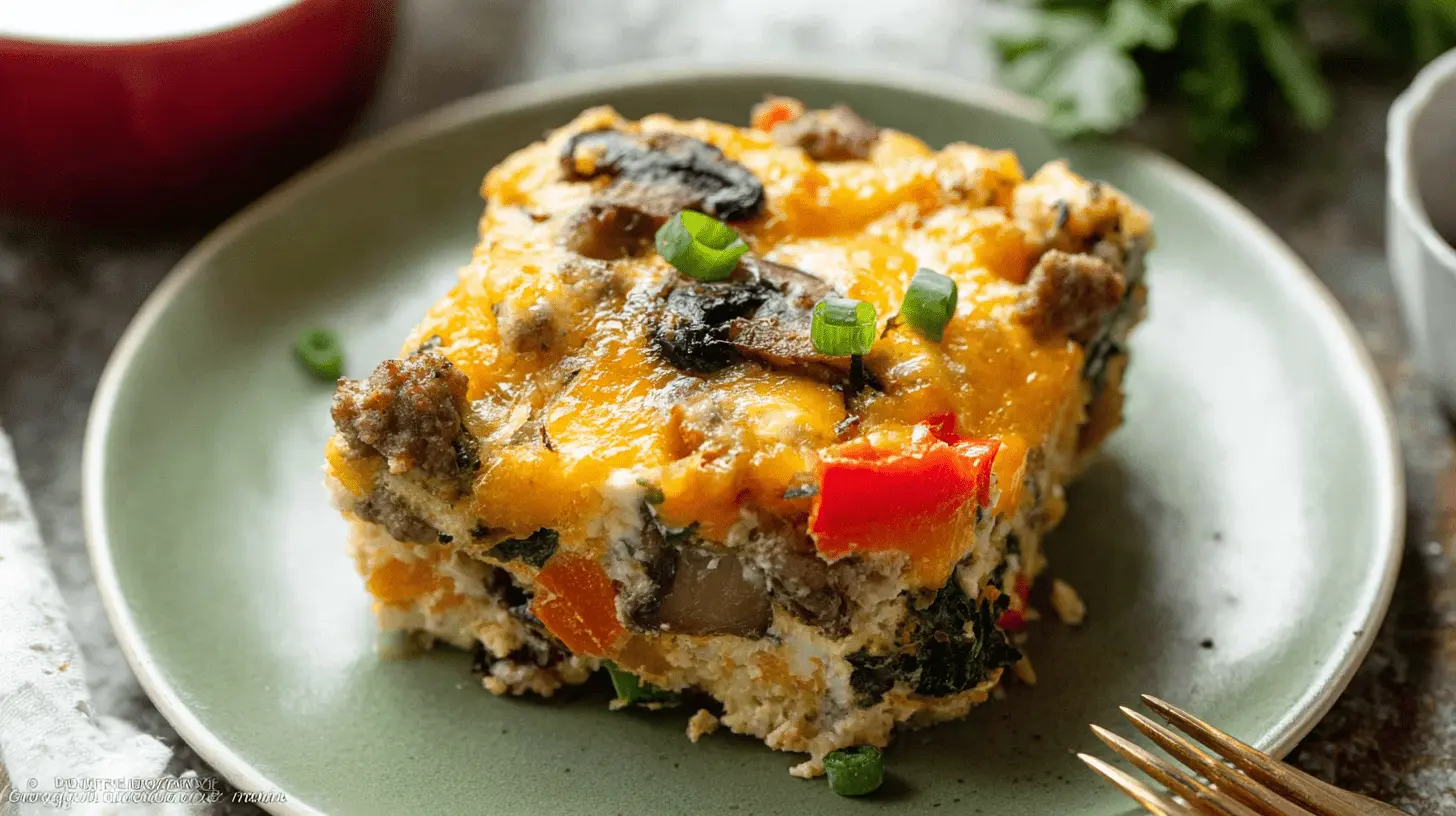
Make ahead breakfast casserole is one of the most practical dishes you can keep in your kitchen rotation. Whether you’re prepping for a holiday brunch, a busy weekday, or stocking up after a big batch cook, the freezer is your best friend — but only if you use it correctly.
The good news: yes, you can absolutely freeze make ahead breakfast casserole, both before and after baking. The key is knowing which method suits your ingredients, how to wrap it properly, and what to expect when you pull it back out. This guide walks you through every step, from assembly to reheating, so nothing goes to waste.
Can You Freeze Make Ahead Breakfast Casserole?
Breakfast casseroles are typically made with eggs, cheese, vegetables, and meats — ingredients that freeze surprisingly well. When prepared correctly, these dishes can maintain their taste and texture even after being frozen.
You can prepare a casserole ahead of time and freeze it in its pre-baked state or its post-baked state — and both approaches work well depending on your timeline. If you want the freshest possible result, freezing before baking is generally preferred. In general, freezing your casserole before baking may yield better results with the dish’s texture. But any casserole that has raw meat — like uncooked bacon or breakfast sausage — should be fully cooked before freezing.
Many home cooks prefer to freeze this type of casserole uncooked, because it makes baking it when ready to serve much easier. However, casseroles with raw meat should be cooked before freezing. Once you sort out which method applies to your recipe, the rest of the process is straightforward.
Pro Tip: If your casserole includes pre-cooked sausage, bacon, or ham, you can safely freeze it unbaked. If it contains raw meat, cook it through first, let it cool completely, then freeze.
Does Freezing Change the Texture or Taste of Make Ahead Breakfast Casserole?
Freezing can slightly alter the texture and taste of certain ingredients in a breakfast casserole, but these changes are usually minimal if the casserole is properly prepared and stored. Ingredients with high water content, such as vegetables, may become slightly softer after thawing and reheating.
Dairy components, like milk or cheese, might experience some separation, but this can often be remedied by stirring the casserole well during reheating. Dairy products can sometimes separate or curdle after freezing and thawing. Using full-fat dairy products can help to minimize this issue.
Eggs are the ingredient that requires the most attention. Eggs are best at their semi-solid state, meaning with some moisture still present. As eggs cook, the moisture continues to evaporate, causing the proteins in the egg to contract or squish together, causing a rubbery texture. Freezing before baking avoids this entirely, since the eggs haven’t been cooked yet.
Potatoes tend to become mushy upon thawing unless they are par-cooked beforehand or used in specific forms like hash browns. Crispy hash browns replace bread for a firm and satisfying base that stays perfectly textured even after freezing — making hash brown-based casseroles a smart choice for the freezer.
| Ingredient | How It Holds Up | Tip |
|---|---|---|
| Eggs (whisked) | Good when frozen unbaked | Freeze before baking for best texture |
| Cheese | Very good | Use full-fat varieties |
| Cooked sausage / bacon | Very good | Cook fully before assembling |
| Vegetables | Slightly softer after thawing | Sauté and drain well before adding |
| Hash browns | Excellent | Thaw and pat dry before layering |
| Bread / strata base | Can become soggy | Use day-old or dried bread only |
| Dairy (milk, cream) | May separate slightly | Stir well when reheating |
How to Freeze Make Ahead Breakfast Casserole the Right Way
Getting the freezing process right makes the difference between a casserole that tastes fresh and one that comes out watery or freezer-burned. Follow these steps whether you’re freezing it baked or unbaked.
- Cool completely first (if baked). Allowing it to cool to room temperature will prevent condensation from forming inside the freezer bag or container, which can lead to freezer burn and a change in texture. Putting a hot casserole straight in the freezer traps steam under foil and creates icy layers and funky texture later. Let the dish cool for 30–45 minutes at room temp first.
- Choose the right container. Freezer-safe dishes are essential for successfully freezing a cooked breakfast casserole. Glass dishes designed for freezing and oven use are excellent options as they can withstand temperature changes.
- Wrap it tightly. Wrap each portion tightly in plastic wrap, pressing out as much air as possible. Then, wrap it again in aluminum foil for added protection against freezer burn.
- Label everything. Label each package with the date and contents. This will help you keep track of how long the casserole has been frozen and prevent any confusion later on.
- Hold the toppings. Breadcrumbs, cheese, or anything meant to get crispy should be saved for baking day. Freeze the casserole without the topping, then add it fresh before reheating. That way you still get that golden top with no soggy surprise underneath.
Pro Tip: Short on baking dishes? Line the dish with parchment, freeze it until solid, then pop the casserole out and wrap it up. This frees up your pan while keeping the casserole perfectly shaped for reheating.
If you’re someone who never skips breakfast, batch-freezing two or three casseroles at once is one of the most efficient ways to keep mornings on track.
How Long Can You Freeze Make Ahead Breakfast Casserole?
Storage time depends on whether the casserole is baked or unbaked when it goes into the freezer.
- Unbaked casserole: You can freeze an uncooked casserole for up to three months.
- Baked casserole: Allow it to cool, double-wrap, or store in an airtight container and store for up to two months.
Food stored constantly at 0°F will always be safe. Only the quality suffers with lengthy freezer storage. In practical terms, that means a casserole frozen past the two- to three-month window is still technically safe to eat, but the texture of the eggs, vegetables, and dairy may have degraded noticeably.
Once baked and cooled, you can also store the finished casserole in the fridge for 3–4 days before it needs to be frozen or eaten. That gives you a short window to decide whether you want to eat it fresh or preserve it for later.
Important Note: Always write the freeze date on the packaging. A casserole with no label is nearly impossible to date accurately once it’s been in the freezer for a few weeks.
How to Thaw Frozen Make Ahead Breakfast Casserole
Thawing correctly is just as important as freezing correctly. The method you choose affects both texture and food safety.
Refrigerator thawing (recommended): Transfer the casserole from the freezer into the refrigerator 24 hours prior so that it thaws gradually overnight — this helps preserve its moisture. To reheat after refrigerator thawing, cover the top with foil and bake at 350°F for 35–40 minutes until heated through.
Baking from frozen (no thaw needed): Bake directly from frozen at 350°F, covered, for 50–60 minutes. Uncover and bake an additional 15 minutes until golden. Raw or cooked casseroles can be cooked or reheated from the frozen state. However, it will take approximately one and a half times as long to cook.
Microwave (individual portions): Microwave individual portions in 30-second intervals until hot. The key is to reheat the casserole gently to prevent the eggs from becoming rubbery or dried out.
For food safety, cooked eggs and egg dishes may be refrigerated for serving later but should be thoroughly reheated to 165°F before serving. Use a food thermometer to confirm the center reaches this temperature, especially with thick casseroles.
Can You Refreeze Make Ahead Breakfast Casserole After Thawing?
This is one of the most common questions around freezer meals, and the answer depends on how the casserole was thawed.
Refreezing breakfast casserole is possible, but certain precautions should be taken. If the casserole has been thawed in the refrigerator and not heated, it can be safely refrozen within 3–4 days. However, refreezing after reheating is not recommended, as it may compromise food safety and texture.
The USDA’s Food Safety and Inspection Service confirms this approach. If a large container of leftovers was frozen and only a portion of it is needed, it is safe to thaw the leftovers in the refrigerator, remove the needed portion, and refreeze the remainder of the thawed leftovers without reheating it.
The practical takeaway: for best results, divide leftovers into single-serving portions before refreezing. This allows for easier thawing and reheating of smaller amounts as needed. Portioning before the first freeze is the smartest move — it means you never have to refreeze at all.
How to Use Frozen Make Ahead Breakfast Casserole (Best Uses After Freezing)
Once your casserole is thawed and reheated, it’s just as versatile as it was fresh. Here are the best ways to use it:
- Holiday and weekend brunches. This breakfast casserole is perfect for make-ahead meals, holiday brunches, or busy mornings. Pull it from the freezer the night before a gathering, thaw overnight, and bake fresh in the morning.
- Weekday grab-and-go portions. Cut the casserole into individual rectangles and wrap each slice in parchment paper. Place the wrapped squares in a freezer bag. When ready to eat, take out a slice and microwave it for 2–3 minutes, flipping halfway.
- New baby or drop-off meals. This recipe also makes a great drop-off meal for someone who’s feeling sick or a family who just welcomed a brand-new baby. Freeze it in a disposable pan so the recipient doesn’t have to return a dish.
- Meal prep for the week. Bake a large casserole on Sunday, slice it into portions, and freeze individually. You’ll have a protein-rich breakfast ready every morning without any weekday cooking.
If you want to build a stronger breakfast habit overall, it helps to understand why breakfast matters and how heart-healthy foods can factor into your morning routine. A well-built casserole with eggs, vegetables, and lean protein checks a lot of nutritional boxes.
Pro Tip: If the casserole is dry after reheating, add a little milk or cream while reheating to restore moisture. You can also drizzle a sauce over the top.
Signs That Frozen Make Ahead Breakfast Casserole Has Gone Bad
Even with proper storage, it’s worth checking your casserole before eating it. Here’s what to look for:
- Off smell. A sour, off, or ammonia-like smell is a clear sign of spoilage. Egg-based dishes can develop a sulfur-like odor when they’ve turned.
- Discoloration or mold. Discoloration, mold growth, or a slimy texture are all red flags.
- Unusual texture. If the casserole has become slimy, mushy, or unusually dry, it’s likely spoiled.
- Freezer burn. Freezer burn can affect the taste and texture of the casserole. Cut away the affected areas before reheating. To prevent freezer burn in the future, ensure the casserole is properly wrapped and stored in an airtight container.
- Unknown age. If you can’t remember when you froze it and there’s no label, don’t risk it. When using frozen leftovers, check for signs of freezer burn or off-odors before consuming. If in doubt about the storage duration or quality, it’s best to discard the casserole to avoid potential foodborne illness.
Never taste food to determine if it is spoiled. If any of the above indicators are present, discard the casserole immediately. Food safety always comes first, especially with egg- and meat-based dishes.
Paying attention to what goes into your casserole matters, too. Dishes built with high-quality, minimally processed ingredients tend to freeze better and taste fresher when reheated than those loaded with heavily processed fillers.
Frequently Asked Questions
Can you freeze a breakfast casserole with eggs in it?
Yes. Eggs freeze best when they’re whisked together first. If you’re fully assembling your egg-based casserole, make sure that both the yolks and whites are whisked together. Freezing the assembled, unbaked casserole preserves the best egg texture once baked.
Is it better to freeze breakfast casserole before or after baking?
Both methods can work, but the best method depends on the casserole’s ingredients. If you pre-cook your ingredients before adding them to the casserole dish, it may be best to freeze it before baking. Then, when you’re ready to eat the meal, you can allow the casserole to defrost in the fridge overnight and bake it in the morning. This option may even help to give the dish a freshly cooked feel since it will preserve the texture of the ingredients until they’re cooked.
How do you keep a frozen breakfast casserole from getting soggy?
The only thing that is not great is fresh bread — it won’t soak up the liquid as well and you risk having a soggy casserole. Use dried or day-old bread, drain any sautéed vegetables well, and always let the casserole cool completely before wrapping for the freezer. Allow it to cool completely before wrapping it tightly in plastic wrap or aluminum foil. This step prevents ice crystals from forming on top of your dish — a common culprit behind soggy textures post-thawing.
Can you freeze breakfast casserole in individual portions?
Yes, and it’s one of the best strategies. You can cut the casserole into individual portions or freeze the entire casserole depending on your needs. Individual portions are convenient for single servings, while freezing the whole casserole is suitable for larger gatherings.
What internal temperature should a reheated breakfast casserole reach?
According to the U.S. Food and Drug Administration
, casseroles and other dishes containing eggs should be cooked to 160°F — use a food thermometer to be sure. When reheating a previously cooked and frozen casserole, cooked eggs and egg dishes should be thoroughly reheated to 165°F before serving.
How long does a thawed breakfast casserole last in the fridge?
After thawing, the food should be used within 3 to 4 days, according to the USDA Food Safety and Inspection Service. Keep it covered in the refrigerator and reheat only the portions you plan to eat.
For more practical food storage tips and healthy eating ideas, explore healing foods guides and foods that support liver function on Homequirer — building a well-stocked freezer is just one part of eating well consistently.