Why Is My Spider Plant Turning Yellow? Causes and Fixes

September 22, 2026
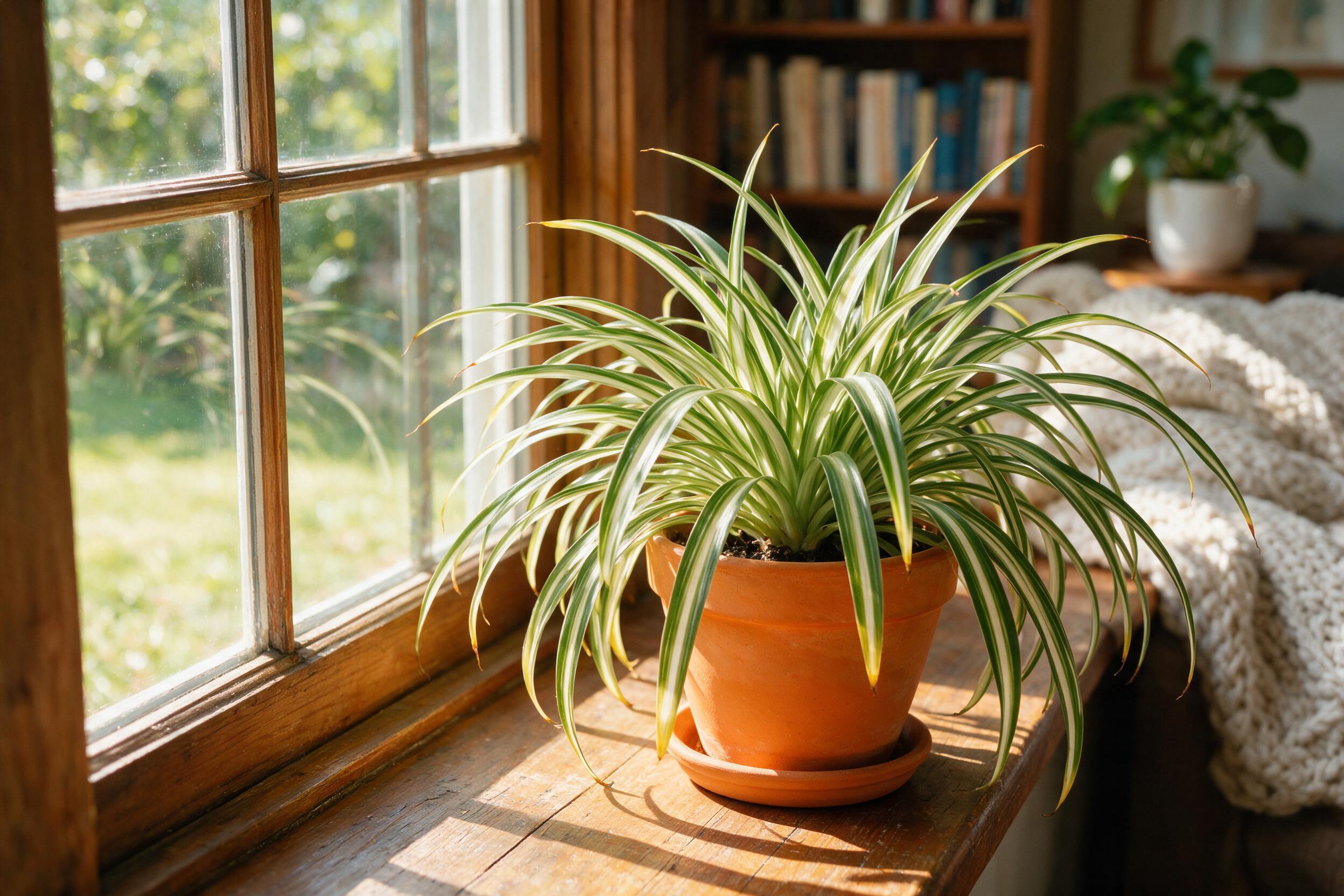
You water it, you give it a spot near the window, and yet there it is — your spider plant with leaves that have gone from a crisp, cheerful green to a worrying shade of yellow. Yellow leaves on a spider plant usually mean it’s stressed, and fixing the cause helps it turn green again. The good news is that most of the reasons behind this color change are completely fixable once you know what to look for.
Spider plants are one of the most easy-to-care-for houseplants around, and native to Central and Southern Africa, they quickly adapt to their surroundings and can last many years without much attention. That adaptability is exactly why yellowing leaves tend to catch plant owners off guard — if this plant is so resilient, why is it struggling?
This guide walks you through every common cause of yellow leaves on a spider plant, how to tell them apart, and exactly what to do about each one. Whether you’re a first-time plant parent or a seasoned indoor gardener, you’ll find a clear path back to a healthy, green plant.
What Does It Mean When Your Spider Plant Is Turning Yellow?
Since plants can’t talk, they tell us that something is wrong through their leaves. When the leaves on your specimen turn yellow, you need to figure out why it’s happening and take swift action to remedy the problem. Yellow leaves are essentially your plant’s way of waving a flag — something in its environment or care routine isn’t quite right.
A single discolored leaf near the base of your spider plant isn’t the same problem as every leaf going pale at once — and treating them the same way can make things worse. Spider plants are forgiving, but each yellowing pattern points to a different biological stress, from root oxygen deprivation to fluoride accumulating in leaf tissue over months of tap water use.
The location of the yellowing, the texture of the leaves, and the overall pattern of discoloration are all clues. Soft, pale leaves point in a different direction than dry, crispy ones. Yellowing that starts at the tips differs from yellowing that begins at the base. Paying attention to these details will save you a lot of guesswork.
Pro Tip: Before changing anything about your care routine, take a photo of the yellowing pattern. This makes it much easier to track whether your fix is working over the next week or two.
Is Yellowing in Spider Plants Always a Sign of a Problem?
Not always. This is the most frequently misdiagnosed cause of yellow leaves on spider plants — and the only one that requires no treatment at all. As a spider plant matures, its oldest leaves at the outer base naturally yellow and die back as part of normal leaf senescence.
As your spider plant matures, its leaves will gradually turn yellow. This is a normal part of the aging process. The foliage may appear yellow at first, then turn brown, and finally fall off as the plant ages — no need to worry, because it is a naturally occurring process.
The misdiagnosis usually goes like this: a grower notices yellow leaves, assumes overwatering or a nutrient problem, increases fertilization or adjusts watering, and then creates a real problem where there wasn’t one. If you’re only seeing a leaf or two yellowing at the very base of the plant and the rest of the foliage looks healthy, it’s most likely just natural aging. Simply snip those leaves off and move on.
If the yellowing is widespread, involves newer growth, or is spreading quickly, that’s when you need to dig deeper into the causes below.
Watering Issues Causing Spider Plant Yellowing
Watering problems — too much, too little, or using treated tap water — are the most common reasons spider plant leaves fade. The tricky part is that overwatering and underwatering can both produce yellow leaves, so you need to read the texture and context of the discoloration carefully.
Overwatering
Overwatering is a mistake that indoor gardeners often make that can lead to root rot in spider plants. Because of this condition, the plant can’t take in the nutrients it needs, which makes the leaves turn yellow and wilt. The leaves on a spider plant that is overwatered will become limp and gradually turn yellow because of a lack of oxygen in the soil — too much water pushes oxygen out when the soil is overly saturated, which means the roots can’t “breathe.”
If your spider plant is turning yellow and the leaves are a little soft and wilted, you should definitely check the moisture in your soil. Let the soil dry out enough that it feels dry throughout the entire top inch of soil, at a minimum. Even better, use a moisture meter and only water when the soil is at least 50 percent dry — but 75 percent is even better.
Underwatering
Your spider plant may be turning yellow due to underwatering. Underwatering also stresses the plant, resulting in yellow leaves. Establishing a consistent watering routine that keeps the soil moist but not waterlogged is the solution.
If you’re underwatering, the leaves will start to turn brown and yellow, but they’ll be crisp rather than pale and soft. The leaves will start turning crispy at the tips before moving down the rest of the leaf. Other signs include firm but papery leaf texture and soil that has pulled away from the pot edges. These plants tolerate drought better than sogginess, so wait until the soil is dry to your second knuckle before watering again.
Tap Water Sensitivity
Spider plants are sensitive to fluoride, chlorine, and mineral buildup from tap water, which can cause tip burn and eventual yellowing, according to Ankit Singh, assistant professor and ornamental horticulture educator at the University of Maine Extension. Excess minerals in tap water can cause discolored leaves, so use rainwater or distilled water when irrigating spider plants.
If switching water sources isn’t practical, consider leaving tap water out overnight to allow some of the chlorine to evaporate before watering your plant. This is a simple habit that many US plant owners overlook, especially in municipalities with heavily treated water supplies.
Pro Tip: Always make sure your pot has drainage holes. Setting the pot on a saucer and keeping the roots wet can cause mold issues and possible root rot. Empty the saucer after each watering session.
Light Conditions Behind Spider Plant Yellowing
These houseplants thrive in many types of light, but excess light can cause the leaves to burn, and no light will gradually weaken the plant with signs showing up first as leaves turning yellow. Finding the right light balance is one of the most impactful adjustments you can make.
Spider plants can tolerate lower light, but they need bright, indirect sunlight to maintain healthy green leaves. Low light reduces photosynthesis, resulting in pale or yellow leaves, says Singh. Chlorophyll is synthesized in response to light energy. In low light, the plant’s photosynthesis rate drops, chlorophyll production can’t keep pace with its natural breakdown, and the plant gradually goes pale.
Too much direct sunlight will fade the leaves, activate yellow chlorophyll, or result in brown leaf tips. If your plant sits directly in a south- or west-facing window in the US where afternoon sun is intense, that’s likely the culprit. Find a spot with bright, indirect light, such as beside or opposite a window. You can also place the plant in a spot where it receives a few hours of direct morning or evening sun but is shaded at midday.
The good news: spider plants don’t need natural sun to thrive. They’ll do just as well under artificial light — they’re not fussy about the source, they just need to get enough of it. A grow light on a timer works well in darker apartments or offices. You can find recommendations for the best houseplants for low-light areas if you’re working with a particularly dim space.
Soil, Nutrients, and Root Health Causing Spider Plant Yellowing
Even a well-watered, well-lit spider plant can develop yellow leaves if the soil and root system aren’t in good shape. There are three main culprits here: nutrient deficiency, salt buildup, and root rot.
Nutrient Deficiency
A lack of nutrients can pose an issue for spider plants. If you’ve had a spider plant for a few years and never fertilized it, it might have used up a lot of the nutrients in the potting mix. If it doesn’t get all the nutrients it needs, leaves may start to go yellow. To prevent this, fertilizing with a general-purpose houseplant fertilizer during spring and summer keeps it lush and healthy.
Spider plants aren’t heavy feeders, but they benefit from a regular dose of a balanced houseplant fertilizer. Look for a product with an NPK ratio of 1-1-1, and apply it once a month from late spring through late summer.
Salt and Mineral Buildup
Salts and other excess minerals can accumulate over time in the root ball from tap water and any fertilizers you use, causing the potting mix to become mildly to moderately toxic for your plant over time. Too much fertilizer leads to salt buildup in the soil, which damages roots and prevents the plant from absorbing nutrients and moisture, leading to discolored leaves. If you think you might have over-fertilized your plant, the best thing you can do is flush out the excess salts with lots of water, says Hancock.
As a general rule, replace with fresh soil once every one to two years and use low-strength fertilizer options to avoid making your spider plant sick. Also, make sure to use a pot with drainage holes.
Root Rot
Root rot is a fungal problem that can occur when the roots are waterlogged, usually from overwatering or poor drainage. Unfortunately, root rot can be difficult to mend, depending on how far it’s progressed. When you see spider plant leaves turning yellow and you’ve been an enthusiastic waterer, remove the plant from its container, rinse the roots, cut away any soft or moldy parts, and repot in a sterile potting medium.
Repot your spider plant every two years despite their tolerance to being root-bound — fresh soil gives the root system a clean slate and prevents the mineral and salt accumulation that contributes to yellowing. If you want to explore the many varieties of this plant before your next repotting, check out this guide to types of spider plants.
Environmental Stress Triggering Spider Plant Yellowing
Temperature swings, low humidity, and the shock of being moved are all environmental stressors that can cause your spider plant’s leaves to turn yellow. These causes are often overlooked because they don’t involve the soil or watering routine at all.
Temperature Extremes and Fluctuations
This tropical plant prefers temperatures between 55 and 80 degrees Fahrenheit. If they get too cool, their leaves will turn yellow, and sudden temperature changes can also cause leaves to turn yellow. As a subtropical plant, spider plants don’t like cold weather. If it gets too cold, or if it’s suddenly exposed to a temperature change of 20 degrees or more, it can be stressed — and that stress can cause leaves to wilt, go yellow, or die off entirely, according to Hancock.
In the US, common culprits include air conditioning vents blowing cold air directly on the plant in summer, heating vents causing dry heat in winter, and windowsills that get cold drafts overnight. Ensure that your home’s temperature is within the ideal range of 65 to 75 degrees. You can use a thermometer to measure the temperature, and move the spider plant to a warmer spot if needed.
Low Humidity
Low humidity can also cause your plant’s leaves to turn yellow. Using a spray bottle to mist the leaves can help improve humidity in the air. Spider plants need humidity to thrive, so you can keep them in humid bathrooms or use a humidifier.
Maintain ideal humidity levels indoors, preferably medium to high, to mimic the native tropical conditions for your spider plant. These plants love humidity, so it’s advised to keep them in an area that can provide this environment, like a bathroom. You can also spray the plant lightly with water on occasion or add a humidifier to the room.
Transplant Shock
If you’ve recently repotted or moved your spider plant, it could be experiencing transplant shock. This sudden change can stress the plant, leading to yellowing leaves as it adjusts to its new environment. Plants can also get yellow leaves if they are moved to a new environment — it is simply a symptom of shock and will clear up once the plant adapts to its new surroundings.
Pests and Disease Leading to Spider Plant Yellowing
It’s not common for spider plants to have issues with pests, but mealybugs, scales, aphids, and spider mites can and will infest them. Spider mites will pierce and drain the leaves of sap, causing a stippled yellow look. These tiny insects pierce the leaves to feed on the sap, which can eventually cause the leaves to turn yellow, shrivel, or drop.
Bug problems can sometimes be hard to spot. Piercing bugs such as aphids and scale tend to be so small you can barely see them and are usually found on the undersides of leaves. Yellow spots on leaves are often your first warning of an infestation. To check for most insects, grab a magnifying glass and carefully peek at the undersides of damaged leaves. Spider mites often betray their presence by their thick, messy webs, while other mites behave more like their insect counterparts.
If you confirm pests, act quickly. Getting rid of pests is tricky, and they can spread to your other houseplants if you’re not careful, but neem oil, insecticidal soaps, or diatomaceous earth might easily take care of common houseplant pests. Repeat treatment every 5 to 7 days for 3 weeks to break the egg cycle — one treatment won’t eliminate the population.
On the disease side, disease isn’t a common issue with spider plants, but when it does occur, it’s usually because a pathogen is pulling energy from the plant. The weaker the plant is, the harder it is to support its leaves. Providing optimal growing conditions is the best defense against diseases from fungus or bacteria. If you share your home with pets, it’s also worth knowing how to keep cats out of houseplants — curious cats can damage foliage and introduce stress that makes plants more vulnerable to disease.
If you’re unsure whether you’re dealing with pests or a disease, a plant identification app can help you narrow it down. Check out the best iPhone apps for identifying plants or the best Android apps for identifying plants for solid options.
How to Diagnose Why Your Spider Plant Is Turning Yellow
Rather than guessing, work through a simple process of elimination. The pattern, texture, and location of the yellowing all point to specific causes.
| What You See | Likely Cause | First Check |
|---|---|---|
| Soft, pale, wilted yellow leaves | Overwatering / root rot | Soil moisture and drainage |
| Crispy, dry yellow tips | Underwatering or fluoride in tap water | Soil dryness and water source |
| Uniform pale yellowing across whole plant | Insufficient light | Distance and exposure to light source |
| Faded, bleached yellow in direct sun | Too much direct sunlight | Window direction and sun intensity |
| Stippled or spotted yellow patches | Pest infestation | Undersides of leaves for insects |
| Yellow leaves at base only, rest looks healthy | Natural aging (leaf senescence) | Age of leaves and overall plant health |
| Yellowing after repotting or moving | Transplant shock | Recent changes to environment |
| Yellowing after cold snap or draft | Temperature stress | Proximity to vents, windows, or AC |
Start by checking the soil — stick your finger two inches deep. If it’s soggy, overwatering is the prime suspect. If it’s bone dry and pulling away from the pot edges, underwatering is more likely. Then assess the light, check the temperature near the plant, and inspect the leaves closely for any signs of insects.
Key Insight: When spider plant leaves yellow uniformly across the whole plant rather than browning at tips, insufficient light is more likely than nutrient deficiency, and moving the plant should be the first response — not feeding.
How to Fix a Spider Plant That Is Turning Yellow
Once you’ve identified the cause, here’s how to address it directly:
- Overwatering: Allow the soil to dry out completely before watering again. Take the opportunity to repot in fresh soil with better drainage if root rot has set in. Trim any black or mushy roots before repotting.
- Underwatering: Water thoroughly until water flows freely from drainage holes, then allow the top 1 to 2 inches to dry before the next watering. If the soil has gone hydrophobic, set the pot in a tray of water for 20 to 30 minutes to rehydrate the root ball before resuming normal watering.
- Tap water damage: Use distilled water or rainwater, as these are generally lower in salts and other minerals.
- Light problems: Move the plant to a spot with bright, indirect light. The leaves that have already turned won’t recover, but you can clip them off. Healthy new growth will come in with the appropriate color.
- Nutrient deficiency: Feed with a balanced, water-soluble houseplant fertilizer every two weeks during the growing season. Follow the packaging instructions to avoid over-fertilizing, which can lead to nutrient burn and cause leaves to turn yellow or brown.
- Salt buildup: Flush out the excess salts with lots of water. Then wait a few weeks before resuming any fertilizing schedule.
- Pests: Wipe the pests off with a soapy rag. If they still persist, spray with neem oil or insecticidal soap. Isolate the plant from others while treating.
- Temperature stress: Move the plant away from cold drafts, AC vents, and heating ducts. Keep spider plants in a room where the temperature is between 50 and 80 degrees Fahrenheit.
- Root rot (advanced): Try to decrease the moisture levels by repotting your spider plant. Get rid of all previous soil as well as any dead leaves or roots before moving it to a new container.
How to Prevent Spider Plant Yellowing Going Forward
Prevention is far easier than recovery. A few consistent habits will keep your spider plant looking its best year-round.
- Water by feel, not by schedule. Take the extra step and stick your finger in the soil before watering. The top inch should be dry before you add more water.
- Use filtered or distilled water. This is especially worth doing if you live in an area with heavily treated municipal water, which is common across much of the US.
- Fertilize seasonally, not constantly. Counteract nutrient deficiency by feeding your spider plant in the growing season. Ease off in fall and winter when growth slows down.
- Refresh the soil regularly. The plant doesn’t mind a cramped pot, but you should change the soil annually. If you fertilize monthly, the soil can build up toxic levels of salt. Leach the pot after fertilizing to prevent the salts from burning the roots.
- Maintain stable temperatures. Prevent your spider plant from exposure to extreme temperature fluctuations and ensure its growing environment is neither too hot nor too cold.
- Keep humidity up. Maintain ideal humidity levels indoors, preferably medium to high, to mimic the native tropical conditions for your spider plant.
- Inspect regularly for pests. Since aphids typically enter the home on infected plants, give every houseplant a thorough once-over before adding it to your home.
- Give it the right light. Bright, indirect light helps spider plants flourish. If your home is on the darker side, consider adding a grow light.
If you enjoy growing spider plants, you might also want to explore other easy-care options. Take a look at common types of plants for ideas, or browse types of rubber plants and types of aloe vera plants — both of which are similarly forgiving houseplants that thrive in typical US home conditions.
Important Note: Spider plants are incredibly resilient, so you can often reverse problems once you identify the cause. Don’t give up on a yellowing plant too quickly — with the right adjustments, most recover within a few weeks.
FAQ
Why Are Only the Tips of My Spider Plant Turning Yellow?
The tips of your spider plant may turn brown and yellow due to a lack of nutrients, underwatering, or pests. Fluoride sensitivity from tap water is another common cause of tip yellowing specifically. Try switching to distilled water and see if the new growth comes in clean.
Can Yellow Leaves on a Spider Plant Turn Green Again?
Once a leaf has fully turned yellow, it won’t revert to green — the chlorophyll is gone. However, you can clip off the yellow leaves, and healthy new growth will come in with the appropriate color once you’ve corrected the underlying issue.
How Often Should I Water My Spider Plant to Avoid Yellowing?
Check the soil since both overwatering and underwatering are common causes of yellow leaves. Water your spider plants when the top inch or two of soil is dry. In most US homes, that typically means watering once every one to two weeks, though this varies by season and indoor conditions.
Should I Remove Yellow Leaves From My Spider Plant?
Yes. If you want to keep your plant looking its best, you can gently remove the yellow leaves as they appear. Removing them also helps you monitor whether the problem is spreading or resolving, and it keeps the plant’s energy focused on healthy growth.
Can Spider Plants Recover From Root Rot?
Root rot can be difficult to mend depending on how far it’s progressed. In severe cases, you may have to discard the plant. However, you can try to decrease the moisture levels by repotting your spider plant so it thrives again. Catching it early — before the majority of roots are affected — gives you the best chance of a full recovery.
Is My Spider Plant Toxic to Pets?
Spider plants are generally considered non-toxic to cats and dogs, though they can cause mild digestive upset if ingested in large quantities. If you have curious pets, it’s still worth keeping plants out of reach. Browse plants that repel cats for natural deterrent ideas, or learn more about keeping cats out of houseplants to protect both your pet and your plant.