Why Is My Rosemary Turning Brown? Causes, Fixes, and Prevention Tips

September 23, 2026
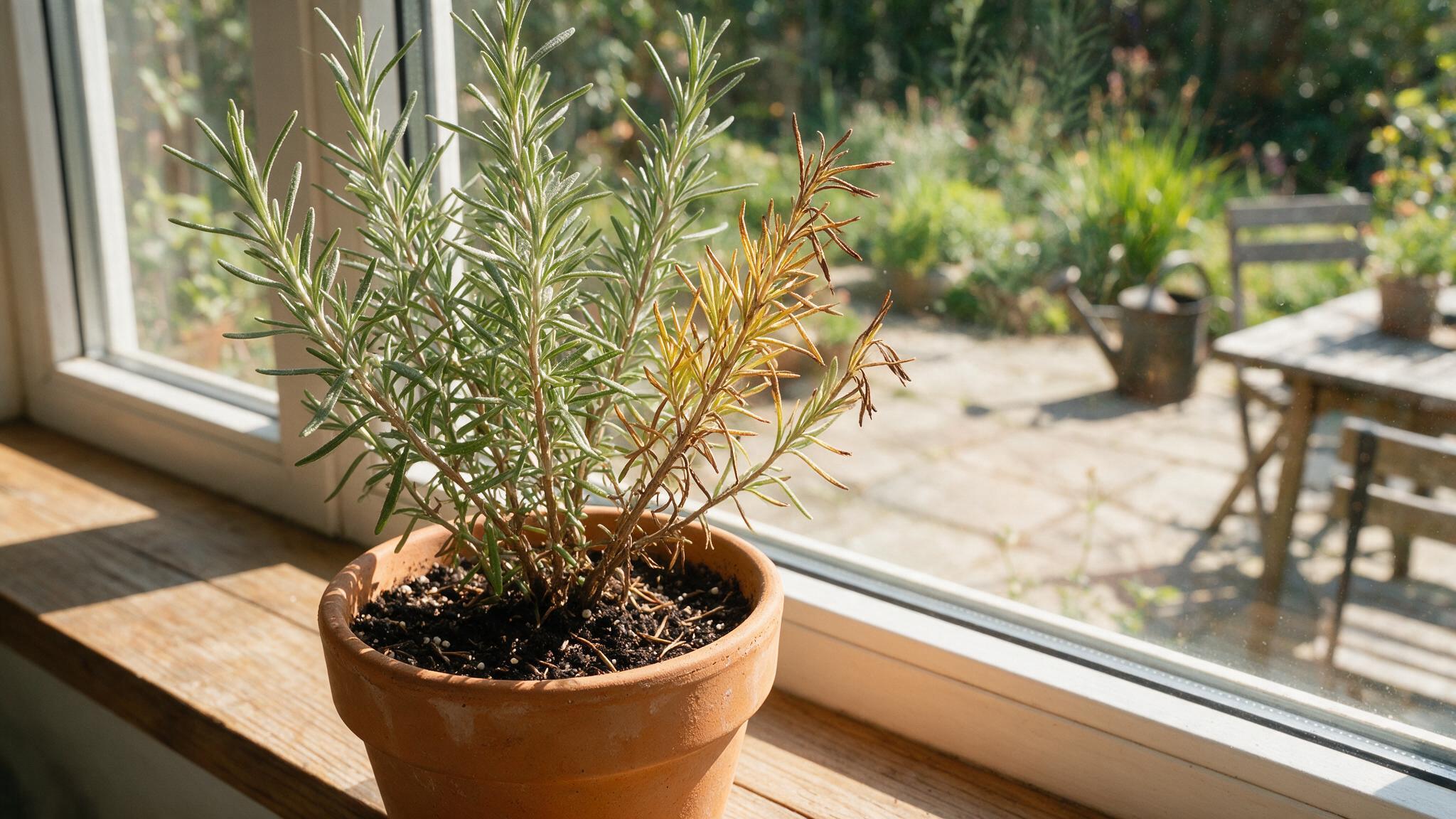
Few herbs are as beloved in American gardens and kitchens as rosemary. It smells incredible, it survives neglect, and it keeps growing year after year — until one day you notice the needles going brown and wonder what went wrong.
The good news is that a browning rosemary plant is rarely a death sentence. Rosemary is a laid-back herb, but it can be finicky about its soil and water. Fortunately, this plant is resilient and can probably be revived with a few changes in your care methods. This guide walks you through every possible cause, how to tell them apart, and exactly what to do next — whether your plant is in a backyard garden bed in Texas or a pot on a windowsill in the Pacific Northwest.
What Does It Mean When Your Rosemary Is Turning Brown?
Browning is rosemary’s way of telling you something is off. When those signature needle-like leaves begin to lose their silver-green sheen and turn a crisp, unsightly brown, it’s a clear SOS from your plant that something is wrong. The challenge is that several very different problems produce the same visual symptom, so you need to look at the whole picture — not just the color of the leaves.
Rosemary is native to the Mediterranean coast, where it grows on rocky, sun-drenched hillsides with lean soil and infrequent rain. Rosemary originates from the Mediterranean region of Europe, where it lives in sandy or stony well-draining soils, often by the coast or on hillsides. Its natural climate features infrequent rainfall, low humidity, blazing sunshine, and a good breeze that helps reduce moisture around the foliage. Any care condition that strays too far from that baseline — too much water, too little sun, heavy soil, or extreme cold — can trigger browning.
The browning can appear at the tips, spread inward from the base, or affect whole branches at once. Where the brown shows up is one of your most important diagnostic clues, and the sections below will help you match the pattern to the cause.
Is Browning in Rosemary Always a Sign of a Problem?
Not always. Some browning on rosemary is completely normal and not worth losing sleep over. A small number of lower, older needles turning brown and dropping off is simply the plant shedding old growth as it pushes energy toward new stems. This tends to happen in late summer or early fall and affects only the innermost, most shaded foliage.
Seasonal browning after a hard winter is also common in many US climates. Your rosemary plant may turn brown suddenly after the first hard frost, or the tips may look scorched in early spring. Most rosemary varieties are only hardy to USDA Zone 7 or 8 (about 10–20°F). If you live in a colder zone, the cell walls of the needles rupture during a freeze. This kind of browning is concentrated on exposed branch tips and usually leaves the inner wood intact.
The scratch test is the fastest way to separate normal die-off from a real problem. To tell if your rosemary is truly dying or just stressed, perform the scratch test: use your fingernail to lightly scratch a small section of the main stem. If you see green, moist tissue underneath, the plant is still alive and circulating nutrients. If the stem is snap-dry and brown all the way through, that specific branch is dead. As long as some green tissue remains, there is a path to recovery.
Pro Tip: Run the scratch test on several stems across the plant, not just one. A single dead branch surrounded by healthy ones is very different from a plant where every stem snaps dry.
Watering Issues Causing Rosemary Browning
Watering problems are the single most common reason rosemary turns brown in US home gardens, and both too much and too little water produce brown leaves — though with different appearances.
Overwatering
The first sign of root rot from overwatering is that the leaves turn a dull, sickly yellow before turning soft brown. The plant may look wilted even though the soil is wet. Root rot is almost always caused by overwatering or poorly draining soil. Rosemary hates wet feet. This is the most common mistake American gardeners make, especially when growing rosemary in containers indoors.
When you see the leaves turning brown, the first instinct is usually to give the plant more water — but this actually causes the roots to die off, letting root rot take hold. As overwatering continues, more and more of the leaves and branches become brown and then turn black. If your browning rosemary has wet soil and the lower needles are soft rather than crispy, overwatering is almost certainly the culprit.
Underwatering
Underwatering rosemary will also turn the leaves brown — but unlike overwatering, the plant will become twiggy and dry. A brittle, dry rosemary with stems that easily snap signifies dehydration. The needles will feel papery rather than soft, and the soil will be bone-dry well below the surface.
The fix for underwatering is straightforward: water deeply and allow the soil to dry slightly before the next session. One effective technique is to water deeply but infrequently. Instead of giving your plant small amounts of water every day, thoroughly saturate the soil and then allow it to dry out slightly before watering again. This mimics the plant’s natural environment, where it experiences periodic cycles of precipitation and dry weather.
As a general rule, water your rosemary when the top one or two inches of soil are dry. Rosemary is drought-resistant and only requires water once every two weeks in dry weather. In the peak of a hot US summer, you may need to water slightly more often — but always let the soil guide you, not the calendar.
Pro Tip: Water your rosemary in the morning rather than the evening. Watering in the morning allows excess moisture to evaporate throughout the day, which helps prevent the growth of mold or fungus that can contribute to browning leaves.
Light Conditions Behind Rosemary Browning
Light and water problems in rosemary are closely linked. If you notice your rosemary turning brown, it could be because of inadequate light. This plant requires a lot of sunlight daily for optimal health and growth. If rosemary lives in a shady spot, the soil will not dry out properly, leading to problems associated with overwatering. To combat this problem, move your rosemary to an area with at least six to eight hours of direct sunlight per day.
Rosemary needs to be planted in full sun to grow well. Shade will not allow the soil to dry out enough, leaving problems associated with overwatering to come to the fore. If the foliage starts to yellow, this could also mean the plant is getting too much shade and needs to be moved. Rosemary needs at least 6 hours of sunlight per day, but preferably 8 hours.
On the opposite end, intense afternoon sun in hot US climates — particularly in the Southwest — can scorch the needles and cause tip browning that looks very similar to dehydration. While rosemary plants enjoy full sun and warm weather, extreme heat can put a strain on the plant. High temperatures can cause the soil to dry out quickly, and the lack of water can cause the leaves to turn brown and the overall health to suffer. Consider using a shade cloth for in-ground rosemary plants and moving potted rosemary to an area with partial shade if you’re experiencing extreme heat in your area.
For indoor rosemary, a sun-deprived, housebound rosemary will appreciate relocation to a sunlit, south-facing window. If natural light is limited, a grow light placed 6–12 inches above the plant for 12–14 hours per day can fill the gap. You can find more ideas for plants that thrive in low-light situations in this guide to best houseplants for low-light areas.
Soil, Nutrients, and Root Health Causing Rosemary Browning
Even with perfect watering and light, the wrong soil will doom your rosemary. Rosemary thrives in well-draining sandy or rocky soils on hillsides that do not retain water effectively. The porous structure of sandy or stony soil allows for exceptional drainage, which helps keep the roots relatively dry and therefore prevents the root rot that causes rosemary to turn brown.
Heavy clay soil is not good for rosemary, causing problems with waterlogging and root rot. It also compacts easily, stopping oxygen from reaching the roots. If your garden has heavy clay — common in many parts of the Midwest and Southeast — you’ll need to amend it before rosemary will thrive. A blend of two parts potting soil to one part perlite or coarse sand ensures good aeration and drainage, preventing water buildup around the roots.
Rosemary prefers slightly acidic to neutral soil with a pH between 6.0 and 7.0. Most garden soils have a pH similar to this. If the pH is too acidic, rosemary will react by turning yellow and dying back. Acidic soil leaves the roots unable to take up nutrients, causing the plant to stress and yellow. A simple pH test kit from any garden center can confirm whether soil acidity is part of your problem.
Fertilizer and Nutrients
Rosemary is a lean feeder by nature. If feeding is needed, opt for trace minerals like kelp or well-aged compost. Rosemary thrives in lean, unfertilized soils. Too much fertilizer — especially high-nitrogen blends — causes excessive soft growth that is more prone to disease, and can even burn the roots, producing brown, crispy needles.
Fertilizing a stressed rosemary can sometimes do more harm than good. Only fertilize if you have ruled out watering and light issues. If you do fertilize, use a diluted, balanced liquid fertilizer like fish emulsion, and only apply it during the active growing season (spring and summer).
Root-Bound Plants
If your rosemary is in a pot that’s too small for its roots, it can cause the plant to become root-bound and stressed. This leads to the browning of leaves because they can’t access enough nutrients from soil and water. To avoid this, choose a pot size that’s large enough for your plant’s root system. If you see roots poking out of the drainage holes, it’s time to move up to a pot that is 2 inches wider.
Environmental Stress Triggering Rosemary Browning
Environmental factors — especially temperature extremes and humidity — are major causes of browning for US gardeners, since rosemary is grown across a wide range of climates from Florida to the Pacific Northwest.
Cold and Frost Damage
Rosemary is a warm-weather herb that cannot tolerate frosty temperatures. If your plant is exposed to temperatures below 32°F, it may shrivel and turn brown in the following days. In some cases, only part of a rosemary shrub will be frost-damaged, and other sections will survive.
If you live north of USDA Zone 7, cold hardiness is a real concern. In northern US states, consider growing ‘Arp’ or ‘Hill Hardy,’ which are bred for better cold tolerance. For potted plants anywhere in the country, move them into a sheltered garage or indoors before the first frost hits.
High Humidity
You may notice rosemary leaves turning brown in the middle of a hot, humid summer. Native to dry Mediterranean air, rosemary can suffocate in high humidity. This is a particular challenge for gardeners along the Gulf Coast, in the Southeast, and in Florida, where summer humidity regularly sits above 80%.
This is a seasonal struggle for gardeners in the Gulf Coast and Florida, where the air rarely dries out. In these regions, planting rosemary in raised garden beds or in highly porous, breathable pots is essential to help the root system breathe despite the heavy atmospheric moisture. Good airflow around the plant matters as much as good drainage in the soil. Keep your plants at a distance of 2 to 3 feet from each other so that they get plenty of airflow.
Pro Tip: If you grow rosemary in a humid US climate, avoid wetting the foliage when watering. Water at the base of the plant only, and prune out crowded inner branches each spring to open up the canopy and improve air circulation.
Pests and Disease Leading to Rosemary Browning
Rosemary can suffer from various pests such as aphids, spittlebugs, mealybugs, and spider mites. These insects feed on plant sap, weakening the needles and causing discoloration that progresses to brown. Pest damage often appears as stippling, yellowing, or distorted needles before the brown sets in.
Fine webbing produced by spider mites may add to the appearance of damaged foliage on rosemary plants. If you notice small white flies anytime you move the plant’s limbs, or sticky residue on your rosemary, it’s likely that these pests have taken up residence. Check the undersides of the needles carefully — that’s where most sap-sucking insects hide.
For disease, the main culprits are fungal. Fungal diseases such as botrytis blight and powdery mildew inch their way in, leaving brown leaves and gray residue. According to the Pacific Northwest Pest Management Handbooks , several root-rotting organisms have been detected in rosemary root rot samples, including Pythium, Berkeleyomyces sp., and Rhizoctonia. Rosemary is native to seaside cliffs, and overwatering and too much fertility inhibit good growth while also favoring many root-rot organisms.
Treatment for pests and mild fungal issues is straightforward. Spray your plant with a diluted neem solution, horticultural oil, or insecticidal soap. Be sure to spray the undersides of leaves as well. You can also prune away infested branches and dispose of them. For a more serious fungal infection in the roots, improving drainage and reducing watering frequency is the foundation of any recovery plan. You can use one of the best iPhone apps for identifying plants or the top Android apps for identifying plants to help confirm pest or disease identification if you’re not sure what you’re looking at.
How to Diagnose Why Your Rosemary Is Turning Brown
Before you treat anything, take a few minutes to systematically work through the clues your plant is giving you. Treating the wrong problem — for example, watering more when overwatering is already the issue — will make things worse.
Use this step-by-step diagnostic process:
- Check the soil moisture. Push your finger 1–2 inches into the soil. Wet and soggy = overwatering. Bone dry = underwatering. Slightly moist = moisture is probably not the issue.
- Examine the location of the browning. Tips only suggest underwatering or heat stress. Lower/inner needles suggest normal shedding or humidity. Whole branches turning brown suggest root rot or frost damage.
- Do the scratch test. Use your fingernail to lightly scratch a small section of the main stem. If you see green, moist tissue underneath, the plant is still alive. If the stem is snap-dry and brown all the way through, that specific branch is dead.
- Inspect the roots (if potted). Gently remove the plant from its pot. Sudden collapse, black or brown mushy roots, and a foul odor point to root rot. Healthy roots are firm and white or light tan.
- Look for pests. Check the undersides of needles for webbing, sticky residue, or visible insects. Shake a branch over white paper — if tiny dots move, you likely have spider mites.
- Assess the light and airflow. Count the hours of direct sun the plant actually receives. Note whether it’s crowded by other plants or placed against a wall with no air movement.
- Consider the season and recent weather. A sudden cold snap, a stretch of high humidity, or an unusually wet month can all trigger browning without any change in your care routine.
Pro Tip: Keep a simple log of when you water and note the weather conditions. Even just two weeks of notes will help you spot overwatering patterns and make diagnosis much faster the next time something goes wrong.
How to Fix a Rosemary Plant That Is Turning Brown
Once you’ve identified the cause, the fix becomes much more targeted. Here’s how to address each scenario:
Fix Overwatering and Root Rot
Stop watering the plants and let the soil dry out completely before watering again. Make sure there is sufficient drainage for the plants in their current position. They may require moving and a soil change to improve drainage. For potted plants with root rot, remove the plant from its pot, trim away any mushy brown roots with sterilized pruners, and repot into fresh, gritty soil with good drainage holes. Dip or spray the roots in a diluted hydrogen peroxide solution (1 part peroxide to 2 parts water) to kill remaining fungal pathogens.
Fix Underwatering
Give the plant a good soak. Cut off any brown dry areas and feed the roots with a liquid fertilizer made from seaweed to help the plant recover. Do this every week for two weeks and you should see new growth beginning to appear. Going forward, water deeply but infrequently, always checking soil moisture first.
Fix Poor Drainage and Soil
Add plenty of organic matter or coarse sand into the soil before planting to improve drainage. If the plants are already in heavy clay soil, they should be dug up and moved, or planted in pots or raised beds where the soil can be amended easily by adding things like perlite to the potting mix.
Fix Frost Damage
Rosemary can recover from some frost damage if it slowly thaws out in a cozy environment. Trim away only the damaged parts and protect the plant from future frosts. Wait until late spring before doing any heavy pruning — what looks dead after winter sometimes pushes new growth once temperatures warm up consistently.
Fix Pest Infestations
Regular inspection of your rosemary helps catch pest infestations early, and gentle washing with a hose can remove many of the softer-bodied insects. For persistent infestations, neem oil is an effective natural remedy to control pests. It acts as an antifeedant and growth regulator, deterring future pest infestations without causing significant harm to beneficial insects.
Fix Light Problems
Move potted rosemary to a south- or west-facing spot that gets at least 6–8 hours of direct sun. For in-ground plants getting too much afternoon sun in hot climates, a shade cloth rated for 30–40% shade reduction can prevent scorching without blocking the light rosemary needs to thrive.
| Cause | Key Symptom | Soil Condition | Primary Fix |
|---|---|---|---|
| Overwatering / Root Rot | Soft brown needles, wilting despite wet soil | Soggy, waterlogged | Stop watering; improve drainage; trim rotten roots |
| Underwatering | Crispy, brittle needles; snapping stems | Bone dry | Deep soak; add seaweed fertilizer; adjust schedule |
| Insufficient Light | Yellowing then browning; slow growth | Stays wet too long | Move to 6–8 hours of direct sun |
| Frost Damage | Brown tips after cold snap; brittle outer needles | Normal | Trim dead growth; protect with frost cloth |
| High Humidity | Brown interior needles; gray mold patches | May be moist | Improve airflow; raise beds; prune for ventilation |
| Pests | Stippling, webbing, sticky residue | Normal | Hose off; neem oil or insecticidal soap |
| Poor / Clay Soil | Slow decline; browning lower branches | Slow draining | Amend with sand or perlite; repot or raise beds |
| Root-Bound | Browning with roots exiting drainage holes | Dries too fast | Repot into a container 2 inches wider |
How to Prevent Rosemary Browning Going Forward
Prevention is much easier than recovery, and rosemary is genuinely low-maintenance once you set it up correctly. When rosemary becomes established after a couple of years, it is regarded as a drought-resistant plant that thrives on neglect. The key is getting the fundamentals right from the start.
Follow these prevention habits to keep your rosemary green and healthy year-round:
- Plant in the right spot. Choose a location with full sun (at least 6–8 hours daily) and excellent air circulation. Avoid planting against walls or fences that trap humidity.
- Start with the right soil. The key to growing rosemary in climates with high rainfall is to amend the soil with lots of sand or grit when planting to ensure good drainage, which will help keep the roots dry.
- Water correctly from day one. When you do water rosemary, always water with a generous soak to encourage the roots to establish, which ensures drought resistance. Light watering encourages shallow root growth and results in an unhealthy plant.
- Avoid watering in winter. Do not water rosemary in winter, as it will attain all the water it requires from the environment. Rosemary is most vulnerable during winter to the fungal diseases that cause it to turn brown, due to lower levels of sun and evaporation and the plant’s more dormant state.
- Prune regularly. Annual pruning — ideally in spring after the last frost — removes woody old growth, improves airflow through the canopy, and encourages healthy new shoots. Never cut back into old, leafless wood, as rosemary does not regenerate from bare wood.
- Protect from frost. Try mulching the base of ground-based rosemary with straw or evergreen boughs. For container plants, move them into a sheltered garage or indoors before the first frost hits.
- Choose the right variety for your climate. If you garden in a cold-winter region, select cold-hardy cultivars like ‘Arp’ or ‘Hill Hardy.’ If you’re in a humid Southern climate, prioritize raised beds and breathable terracotta pots over plastic containers.
- Inspect plants monthly. A quick monthly check of the needles, stems, and soil catches pest infestations and early root rot before they become serious problems.
If you enjoy growing herbs alongside other plants, check out this guide on different plants to grow with tomatoes for companion planting ideas that also benefit your herb garden. Rosemary pairs well with deer-tolerant plants in open garden beds, and its aromatic oils may even help repel wasps and other insects from nearby plantings.
Pro Tip: If you live in a region with heavy summer rainfall — like the Southeast or Gulf Coast — consider growing rosemary in containers year-round rather than in the ground. Pots and containers are more suitable for growing rosemary in areas of high rainfall than planting in garden soil, due to the improved drainage of pots.
FAQ
Can I Save a Rosemary Plant That Has Mostly Turned Brown?
It depends on how much green tissue remains. If the entire plant — from the tips to the base — is brittle and the scratch test reveals only dry wood, it may be beyond saving. But if there is even a hint of green, there is hope. Focus your recovery efforts on improving drainage, adjusting watering, and trimming dead stems back to live wood.
Why Is My Rosemary Turning Brown From the Inside Out?
Browning that starts in the interior of the plant and works outward is usually a sign of poor airflow and high humidity, which creates the perfect environment for fungal disease. Too much humidity around rosemary slows down evaporation and may result in fungal diseases and root rot taking hold. Make sure there is enough air circulation around the plants and prune if necessary.
Should I Cut Off Brown Rosemary Branches?
Yes — removing dead or heavily browned branches is always a good idea. It reduces the risk of fungal spread, improves airflow, and redirects the plant’s energy toward healthy growth. Use clean, sharp pruners and make your cut just above a set of healthy needles or a living side shoot. Disinfect your pruners between cuts if disease is involved.
How Often Should I Water Rosemary in a Pot?
Let the soil dry fully between waterings. Ensure containers have drainage holes, and avoid watering on a schedule — check soil moisture by inserting your finger 4–6 inches deep. Water only when the lower layers are dry. In a warm, sunny US summer, this might mean watering once a week. In cooler months, once every two to three weeks may be enough.
Is It Normal for Rosemary to Turn Brown in Winter?
Some browning in winter is normal, especially in colder climates. Freezing temperatures can damage the plant’s delicate leaves, leading to discoloration and wilting. Wait until spring to prune back any winter-browned growth, as the plant may push new growth from stems that look dead during the cold months. Avoid watering during winter dormancy, as wet soil combined with cold temperatures accelerates root rot.
Can Tap Water Cause Rosemary to Turn Brown?
The type of water you use can impact your rosemary’s health. Tap water often contains high levels of minerals such as chlorine or fluoride, which can accumulate in the soil and harm the plant. If you suspect mineral buildup, flush the soil thoroughly with filtered or rainwater every few months, or switch to collected rainwater for regular watering.
Rosemary is one of the most rewarding herbs you can grow, and with the right diagnosis and a few targeted adjustments, most cases of browning are very fixable. Whether you’re growing it in a sunny Arizona garden or a container on a Seattle porch, understanding what this Mediterranean herb actually needs — lean soil, excellent drainage, full sun, and restrained watering — puts you firmly in control. For more plant care help, browse the full collection of types of plants on Homequirer, or explore guides on drought-tolerant plants in Florida if you’re gardening in a hot, humid US climate.