Why Are My Tomato Plants Growing Slowly? Causes, Fixes, and Prevention Tips

September 4, 2026
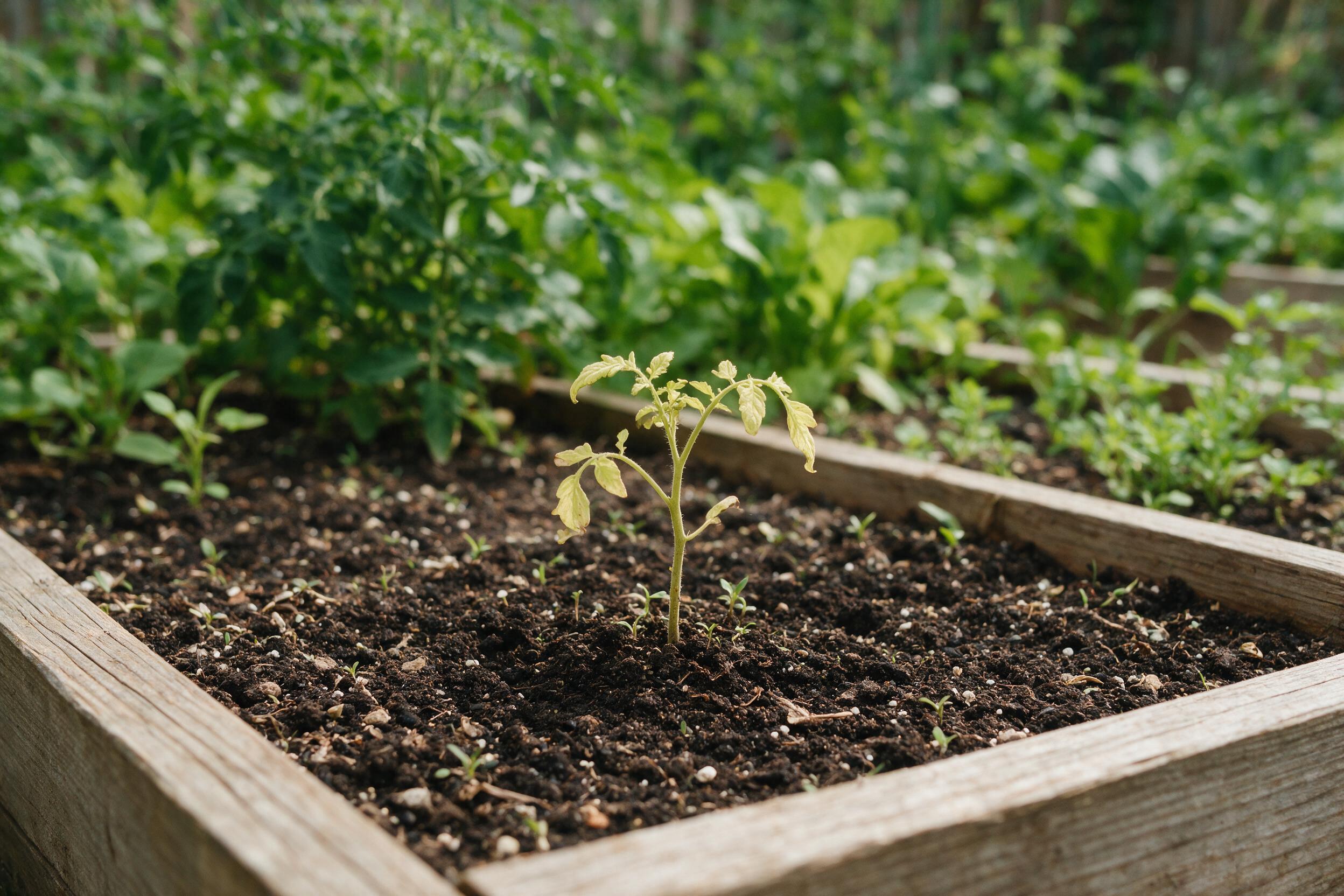
You planted your tomatoes with high hopes, and now they’re just sitting there — barely budging week after week. Slow-growing tomato plants are one of the most common frustrations for home gardeners across the United States, and the good news is that the cause is almost always fixable once you know what to look for.
Slow growth isn’t usually a death sentence for your plants. More often than not, it’s a clear signal that something in the plant’s environment needs a little adjustment. Whether you’re growing in a raised bed in the backyard, a container on a patio, or an in-ground garden plot, this guide walks you through every major reason tomato plants stall out — and exactly what to do about it.
What Does It Mean When Your Tomato Plant Is Growing Slowly?
Slow growth in tomato plants means the plant isn’t adding new leaves, extending its stem, or developing flowers and fruit at the pace you’d expect for the variety you’re growing. This can show up as a seedling that refuses to size up, a transplant that just sits there for weeks, or a mid-season plant that seems to have hit a wall.
If you have tomato plants that take 90 days to maturity, they will probably grow much more slowly than plants with 50 days to maturity. So the first thing to ask yourself is whether you’re comparing your plant’s progress to a realistic timeline for that specific variety. Avoid comparing your tomato plants to your neighbor’s plants — they may have started seeds indoors, transplanted earlier, or planted different varieties than you.
There are several possible causes of slow tomato plant growth, including improper watering — too little and too much will both cause problems — as well as extreme temperatures and poor soil conditions. Identifying which factor is at play in your garden is the key to getting things back on track.
Is Slow Growth in Tomato Plants Always a Sign of a Problem?
Not always. Some slowdowns are completely normal and temporary. If you experience a sudden cold snap or early heat wave, your tomatoes may show slowed growth in the week ahead — but once temperatures stabilize, the plants will resume normal growth.
Another type of temperature swing occurs when you move tomatoes from indoors to outdoors. Hardening off is a key step if you want to limit the stress associated with this shift, and this process involves slowly increasing the time your indoor-grown tomato seedlings spend outside. A plant that slows down for a week or two after transplanting is likely just adjusting — not dying.
That said, if your plant has been slow for more than two to three weeks without any obvious environmental trigger, something in its care routine or growing conditions probably needs attention. Sometimes, the reason tomato plants are not growing is simply that you’ve chosen the wrong variety for your climate or growing conditions — heirloom tomatoes are beautiful and tasty, but some varieties are slow to mature or more susceptible to local diseases.
Pro Tip: Before troubleshooting, check the seed packet or plant tag for the “days to maturity” number. A variety listed at 80+ days will naturally grow and fruit more slowly than an early-season variety at 55–65 days.
Watering Issues Causing Tomato Plant Slow Growth
Inconsistent watering is one of the main culprits behind slow tomato growth. Tomatoes need regular moisture, but they don’t like sitting in soggy soil — too much water or not enough can cause stress, leading to slow development.
The signs of each problem look different, and it’s worth learning to tell them apart. Overwatered plants may have leaves that turn yellow and feel soft, sometimes with wilting even when the soil is wet, and stems can look bloated. Underwatered plants will wilt dramatically and feel crispy, with soil that is visibly dry and cracked.
Underwatering is more likely in hot, dry climates or sandy soil, while overwatering is more likely in heavy clay soil that does not drain well. Tomato plants need plenty of water to grow, and their roots go as deep as 2 feet or more, so they also prefer water that soaks way down into the ground.
Aim to water your plants consistently, ensuring they get 1–1.5 inches of water per week. Water at the base of the plant, avoiding overhead watering, which can promote diseases. If you’re growing tomatoes in containers, check the drainage to prevent excess water buildup.
A simple way to check moisture: use your fingers to poke through the soil and feel a couple of inches down. If it’s moist, don’t add water — but if it feels dry, you can add water. If you tend to forget watering, you can use drip irrigation or a soaker hose with a timer system. Set it up once around your tomato plants, and the system will slowly drip the required amount of water and make it available to the plant as needed.
Light Conditions Behind Tomato Plant Slow Growth
Tomato plants crave bright light to perform photosynthesis, the process by which they convert sunlight into energy for growth — and insufficient light is a major culprit behind slow growth. This is one of the most overlooked causes, especially for gardeners who place their plants near a fence, wall, or large tree.
The average tomato variety needs at least six hours of sunlight per day to grow, but eight or more hours will give you better results and more tomatoes. Nearby trees, fences, or even other tall plants can cast shadows, limiting the light your tomatoes receive.
Another common reason plants may not be getting enough sunlight is if they are planted too close together — overcrowding your plants will cause them to get leggy, or grow extremely tall while trying to reach sunlight, resulting in a weak plant less likely to thrive.
If you’re starting seeds indoors, light matters even more at the seedling stage. Tomatoes need more direct light than a windowsill provides, and young seedlings especially need more light in early spring, when daylight is not as strong as it is in summer and the duration of daylight is shorter.
Choose a growing area that gets enough direct sunlight, or plant in containers so you can move them in and out of the sun as needed. When you transplant seedlings into containers or a garden bed, place them at least two to three feet apart. You can also learn more about how different plants handle low-light conditions to understand why full sun matters so much for tomatoes specifically.
Soil, Nutrients, and Root Health Causing Tomato Plant Slow Growth
Tomatoes are heavy feeders, which means they require high amounts of nutrients to sustain rapid growth. If they don’t get the ideal level or balance of these nutrients, they will grow slowly, look small and weak, and produce limited yields.
Nutrient deficiencies show up in specific ways on the leaves. Nitrogen deficiency causes yellowing of older leaves and an overall pale green appearance. Phosphorus deficiency produces a purplish tint on the undersides of leaves, especially on younger plants. Potassium deficiency causes yellowing or browning along the edges of older leaves. Calcium deficiency leads to blossom end rot, stunted growth, and curled leaves.
Tomato plants prefer soil with a pH between 6.0 and 7.0. If the pH of the soil is too high or too low, it can cause problems with the plant’s ability to absorb nutrients — you can test the pH and adjust it using lime or sulfur. According to the Farmers’ Almanac , tomatoes need a soil pH around 6.5 in order to grow properly, and this pH level also makes it possible for them to absorb calcium.
Root health is just as important as what’s in the soil above. Unhealthy tomato roots often lead to issues with water and nutrient uptake, which contribute to stunted growth. One of the major issues tomato roots face is root rot — a term used to describe numerous fungi that attack plant roots and cause them to become limp, slimy, or stunted, and it’s more likely to occur in moist conditions.
The ideal soil for tomato plants is loose and well-drained. You can improve your soil by adding organic matter, such as compost or peat moss. When it comes to fertilizing, while nitrogen is important for plant growth, too much can actually be detrimental to tomatoes — excess nitrogen encourages lush, leafy growth but can lead to poor fruit production and slow overall growth. Opt for a balanced fertilizer, and organic options like compost or fish emulsion can help without causing an imbalance in nitrogen levels.
According to Texas A&M AgriLife (as of May 2026), tomatoes are heavy feeders and require regular fertilization throughout the growing season — side dress plants with fertilizer every three to four weeks to meet their nutrient demands.
Pro Tip: Get a simple soil test kit from your local garden center or cooperative extension office before the season starts. Knowing your pH and nutrient levels upfront saves you weeks of guesswork later.
Environmental Stress Triggering Tomato Plant Slow Growth
Temperature is one of the biggest environmental drivers of tomato growth rate. Tomatoes love warmth, and if the temperature isn’t right, it can slow down their growth. Ideal daytime temperatures are between 70–85°F (21–29°C), with night temperatures between 55–70°F (13–21°C). If it’s too cold (below 50°F), the plants won’t thrive and growth will slow. On the other hand, if the temperature is too hot (over 90°F), the plants may become stressed, affecting growth.
If the temperature is above 85°F, the flowers will fall off without setting fruit — so even if the plant itself looks healthy, you may notice a frustrating lack of fruiting during the hottest weeks of summer. This is especially common in the South and Southwest United States during July and August.
If you’re growing tomatoes in cooler climates, using a greenhouse, row covers, or moving plants to a warmer spot at night can help. In very hot conditions, providing shade or using mulch to cool the soil can prevent overheating.
Transplant shock is another form of environmental stress worth mentioning. If you started your tomatoes indoors and then moved them outside, they might experience some transplant shock. The hardening-off process involves slowly increasing the time your indoor-grown tomato seedlings spend outside — spending a few hours outside the first day and a few more each subsequent day until they spend an entire 24 hours outdoors, at which point they’re ready to head into the ground.
Spacing also plays an environmental role. Compromising on space causes plants to grow more slowly because they compete with each other for nutrients — there will be a limited supply of nutrients, moisture, and oxygen for the roots when they grow too close to each other. You can explore companion planting strategies for tomatoes to make the most of your garden space without overcrowding.
Pests and Disease Leading to Tomato Plant Slow Growth
Pests and diseases can seriously hinder your tomato plants’ growth. Insects like aphids, whiteflies, and spider mites feed on tomato plants, draining their energy. Fungal infections like blight can also slow down growth and damage your plants.
Common tomato pests include aphids, slugs, whiteflies, snails, tomato hornworms, and flea beetles. According to Texas A&M AgriLife (as of May 2026), tomato hornworms can strip leaves overnight, leaf-footed bugs cause hardened speckled fruit, and broad mites — which are microscopic — distort new growth and cause leaves to curl or twist.
On the disease side, fungal diseases like early blight and powdery mildew usually start on lower leaves and cause yellowing that gradually spreads upward through the plant. Viruses such as tomato yellow leaf curl virus are often spread by insects like whiteflies and can cause both yellowing and curling.
Your tomato plants can get infected with diseases such as blight, bacterial leaf-spot, damping-off, and various kinds of wilts. The best way to prevent fungal diseases is to keep your tomato plants away from humid conditions.
For treatment, remove damaged leaves quickly and use preventative fungicide treatments during humid periods before diseases become established. Neem oil, spinosad, or insecticidal soap are popular options to deal with mites, whiteflies, and other common garden pests. You can also look into plants that naturally deter garden pests as part of a broader integrated pest management approach.
| Pest or Disease | Key Symptom | Recommended Treatment |
|---|---|---|
| Aphids / Whiteflies | Sticky residue, yellowing leaves, stunted growth | Insecticidal soap or neem oil |
| Spider Mites | Fine webbing, stippled or bronzed leaves | Neem oil or miticide spray |
| Tomato Hornworm | Rapid defoliation, large green caterpillar | Hand-pick or apply spinosad |
| Early Blight | Dark spots on lower leaves spreading upward | Remove affected leaves, apply fungicide |
| Root Rot | Wilting despite moist soil, limp roots | Reduce watering, improve drainage |
| Tomato Yellow Leaf Curl Virus | Curling, yellowing leaves, stunted plant | Control whiteflies, remove infected plants |
How to Diagnose Why Your Tomato Plant Is Growing Slowly
The fastest way to find the problem is to work through a simple top-to-bottom inspection of your plant and its environment. Most issues come down to three things: watering mistakes, light problems, or nutrient deficiencies. Start there before considering pests or disease.
Here’s a step-by-step approach to diagnosing your plant:
- Check sunlight hours. Count how many hours of direct sun your planting spot receives. If it’s under six hours, light is likely the limiting factor.
- Test soil moisture. A simple finger test — checking moisture a few inches below the surface — can help guide watering decisions. Wet and soggy points to overwatering; bone dry points to underwatering.
- Read the leaves. Yellowing of older leaves suggests nitrogen deficiency, a purplish tint on leaf undersides suggests phosphorus deficiency, and yellowing or browning along the edges of older leaves suggests potassium deficiency.
- Check the temperature record. If there was a cold snap or heat wave in the past week or two, that may explain a temporary slowdown.
- Inspect for pests. Look for aphids, spider mites, whiteflies, or hornworms — their feeding can sap plant vigor and spread diseases. Check the undersides of leaves carefully.
- Evaluate spacing. If plants are crowded, they may be competing for light, water, and nutrients.
- Confirm your variety’s timeline. Look up the days-to-maturity for your specific tomato cultivar and compare it to how long the plant has been in the ground.
Using a plant identification app can also help you match symptoms to specific problems. Check out the best iPhone apps for identifying plants or the best Android apps for identifying plants if you want a quick visual diagnosis tool in your pocket.
Key Insight: If your tomato plant looks healthy — good color, no pests, firm stems — but isn’t fruiting, the issue is likely temperature-related pollination failure rather than a growth problem. Flowers drop when daytime temps exceed 85°F or nighttime temps stay above 70°F.
How to Fix a Tomato Plant That Is Growing Slowly
Once you’ve identified the cause, most fixes are straightforward. Here’s how to address each major issue:
Watering: Shift to a deep, consistent watering schedule rather than frequent shallow watering. Aim for 1–1.5 inches of water per week, delivered slowly so it soaks down to the root zone. Add a 2–3 inch layer of mulch around the base of the plant to retain moisture and even out soil temperature swings.
Light: Check the reason your tomato plant is not getting the required sunlight. If something is blocking the light such as tree branches or tall plants, prune them. If the problem is due to a wall or a fence, you’ll need to move the plant to another location that gets better sunlight. Container growers have an advantage here — you can simply relocate the pot.
Soil and nutrients: Adjusting the fertilizer you use can improve soil pH and nutrient uptake. Switch to a balanced tomato fertilizer (look for formulas labeled for tomatoes or vegetables with roughly equal N-P-K ratios) and follow package directions. Avoid heavy nitrogen-only fertilizers mid-season. Fertilize regularly with a balanced fertilizer and monitor soil moisture — inconsistent watering can worsen nutrient issues by limiting the plant’s ability to absorb nutrients.
Temperature stress: For cold nights, use row covers or a simple cloche to trap warmth. For excessive heat, a shade cloth that blocks 30–40% of sunlight during the hottest part of the afternoon can protect flowers and reduce stress. In very hot conditions, using mulch to cool the soil can prevent overheating.
Pests and disease: Act quickly. You can spray insecticidal soap or apply a layer of horticultural neem oil to discourage aphid infestation. For fungal diseases, remove affected leaves and treat with an appropriate fungicide. Always dispose of diseased plant material in the trash — not the compost pile.
Pruning for energy: Prune off the suckers — the side vines that grow off the tomato plant. Pruning may lead to less fruit that arrives earlier in the season. If you prune some of the suckers off, the plant will have more energy to devote to flowers and fruit.
How to Prevent Tomato Plant Slow Growth Going Forward
Prevention is far easier than troubleshooting mid-season. Building good habits from the start gives your tomato plants the best shot at steady, strong growth.
- Choose the right variety. Check local advice or talk to your local garden center about varieties that thrive in your area. Consider growing a mix of early, mid-season, and late tomatoes to spread harvests and hedge against climate issues.
- Start with quality soil. Amend your beds with compost before planting each season. Aim for loose, well-draining soil with a pH between 6.0 and 7.0.
- Harden off seedlings properly. Let the plants spend a few hours outside the first day and a few more the next until they spend an entire 24 hours outdoors. Never skip this step when moving transplants from indoors to the garden.
- Space plants correctly. Give each plant at least 2–3 feet of space to prevent competition for light, water, and nutrients. Consider companion planting with tomatoes to maximize your garden’s efficiency.
- Water deeply and consistently. Use drip irrigation or soaker hoses when possible to deliver moisture directly to the root zone and reduce the risk of foliar disease.
- Fertilize on a schedule. Tomatoes require regular fertilization throughout the growing season — side dress plants with fertilizer every three to four weeks.
- Inspect plants weekly. Inspect your tomato plants regularly for any signs of pests or diseases. Catching problems early makes them far easier to resolve.
- Mulch consistently. A 2–3 inch layer of straw, wood chips, or shredded leaves keeps soil moisture stable, suppresses weeds, and moderates soil temperature — all of which support steady growth.
Pairing your tomatoes with the right garden neighbors can also reduce pest pressure naturally. Learn more about plants that repel common garden nuisances or explore deer-tolerant plants if wildlife is a concern in your area.
FAQ
How long does it take for a tomato plant to start growing noticeably?
After transplanting, most tomato plants go through a 1–2 week establishment period where above-ground growth appears minimal while roots settle in. After that, you should see new leaves and stem growth weekly. Plants with 90 days to maturity will grow more slowly overall than varieties with 50 days to maturity.
Why is my tomato plant bushy but not growing taller?
This is often a sign of a determinate variety, which naturally grows to a fixed height and then focuses energy on fruiting rather than height. It can also indicate over-fertilization with nitrogen, which pushes leafy growth at the expense of vertical stem development. If you notice lush, tall, leafy plants that aren’t producing fruit, you may be overfertilizing them.
Can I speed up slow tomato plant growth?
Yes. If you want to encourage growth and fruit production in your tomato plants, one thing you can do is prune off the suckers. You can also ensure the plant gets full sun, consistent deep watering, and a balanced fertilizer applied on schedule. Correcting any soil pH issues will also unlock nutrients the plant couldn’t access before.
Why are my tomato plants not growing after transplanting?
If you started your tomatoes indoors and then moved them outside, they might experience some transplant shock. Give the plant 1–2 weeks to settle in, keep watering consistent, and avoid fertilizing heavily right after transplanting. Roots need time to establish before the plant can push new top growth.
What is the best fertilizer for slow-growing tomato plants?
Opt for a balanced fertilizer that provides all the necessary nutrients in the right amounts. Organic options like compost or fish emulsion can also help without causing an imbalance in nitrogen levels. Once plants begin flowering, switch to a fertilizer slightly higher in phosphorus and potassium to support fruit development.
Could my tomatoes be growing slowly because of the variety I chose?
Absolutely. Slow-maturing tomato varieties take much longer to mature than others, and some tomato varieties grow quite tall in a short time frame. Planting tomatoes suited to your environment makes a huge difference to overall growth, fruit set, and your ability to harvest. If you’re in a short-season climate, look for varieties specifically labeled “early” or under 70 days to maturity. You can also explore tomato alternatives if your growing conditions consistently make tomatoes a challenge.