Can You Freeze Ricotta Cheese? What You Need to Know Before You Try

November 8, 2026
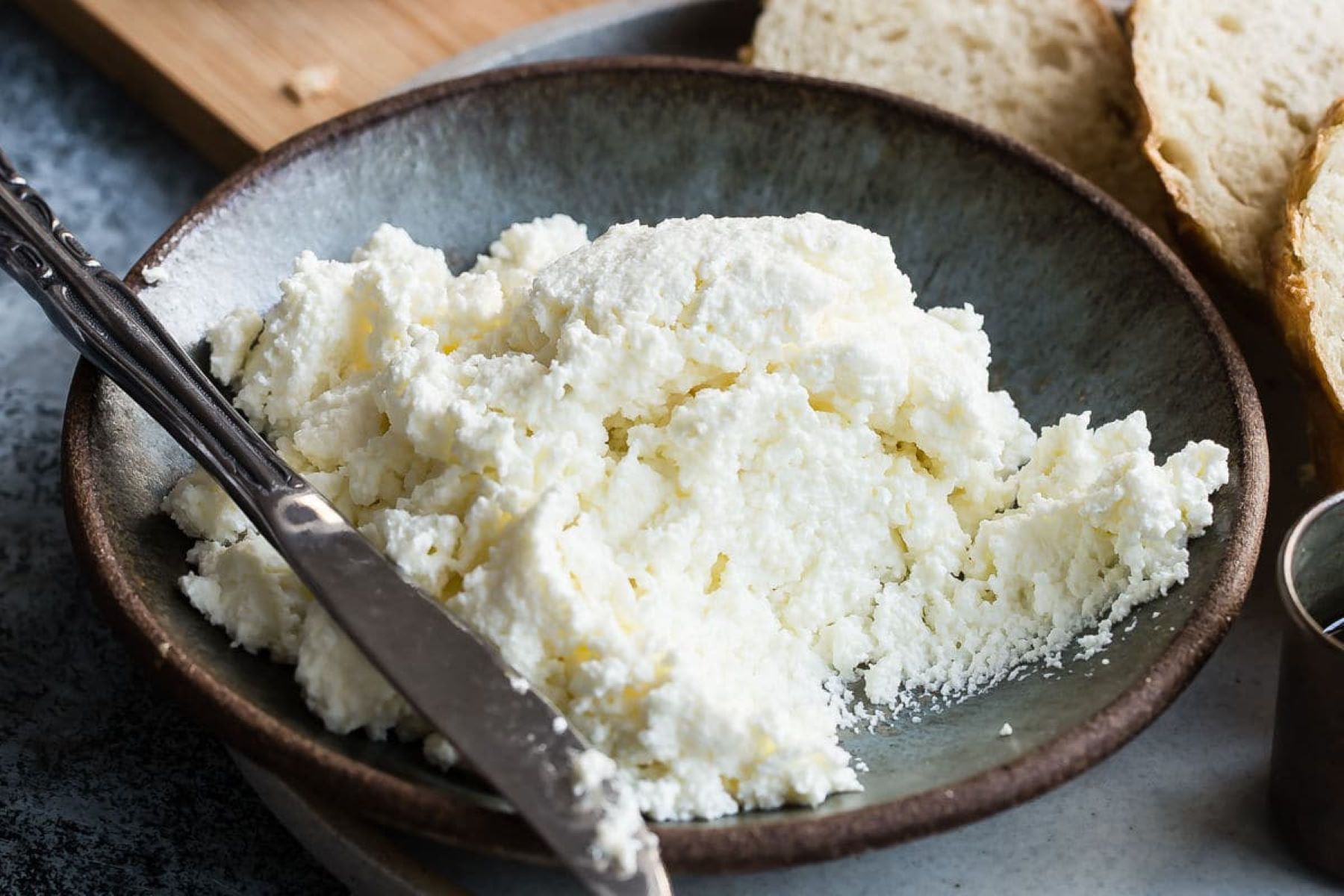
Ricotta is one of those cheeses you buy for one recipe and suddenly have half a container left over. Whether you grabbed a 15-ounce tub for a batch of lasagna or made a homemade version from scratch, the clock starts ticking the moment you open it. Tossing good cheese feels wasteful — so the freezer seems like the obvious answer.
The short answer is yes, you can freeze ricotta cheese. But before you toss that tub in the back of the freezer and forget about it, there are a few things worth knowing about what freezing actually does to this particular cheese — and how to do it in a way that keeps it usable.
Can You Freeze Ricotta Cheese?
Ricotta is a fresh cheese made with just a few simple ingredients, and as a fresh cheese that has not been aged and is often free from preservatives, the same things that make it so delicious also make it spoil quickly — about one week after the container has been opened. That short window makes freezing an appealing option.
Yes, you can freeze ricotta cheese, and it keeps good quality in the freezer for at least three months. It separates slightly after defrosting, but you can strain the liquid and use the rest. The key is understanding what changes — and planning your recipes accordingly.
Ricotta is a fresh cheese that hasn’t been through the aging process, which leaves this indulgent creamy cheese with a very short shelf life. While freezing ricotta is the only way to store it for an extended period, this type of cheese doesn’t fare as well in the freezer as other kinds. Still, freezing beats throwing it away.
Pro Tip: Freeze ricotta while it’s still fresh — not when it’s already close to its expiration date. Starting with the freshest possible cheese gives you the best result after thawing.
Does Freezing Change the Texture or Taste of Ricotta Cheese?
Ricotta is about 74% water, and when that water transforms into ice, it disrupts the cheese’s texture and makes it dry, crumbly, and slightly grainy. This is the main trade-off you accept when you put ricotta in the freezer.
When dairy products are frozen, fat separation occurs, causing the fat to separate from liquid. This fat separation is what gives ricotta a grainy texture when it’s defrosted. Fat separation also means that the watery parts of ricotta form ice crystals. When that ice defrosts, the consistency of ricotta becomes more watery and less creamy.
Although the taste does not change, you do need to keep in mind that the texture of frozen ricotta will not be the same smooth and creamy consistency as its fresh counterpart. In other words, the flavor holds up well — it’s the mouthfeel that takes the hit. For cooked dishes, this is rarely a problem. For anything where ricotta is the star in its raw form, fresh is the better choice.
It’s still better to freeze the cheese than let it go to waste, but you won’t be able to use thawed ricotta in the same way as the fresh stuff, such as in “raw” preparations like mousses, salads, or as a topping.
How to Freeze Ricotta Cheese the Right Way
Getting the method right makes a real difference in the quality of your thawed ricotta. Properly freezing ricotta comes down to preserving freshness and avoiding freezer burn. Portion it into half-cup or one-cup servings rather than freezing a whole tub. Once portioned, wrap it tightly in plastic wrap or place it in freezer-safe zip bags.
Here is a simple step-by-step process to follow:
- Stir the ricotta first. Before freezing, mix the ricotta to rid it of lumps, which will help the cheese to harden evenly.
- Blot excess moisture. Use a spoon to mix up the ricotta and then press a paper towel gently on the top of it. This will evenly distribute and remove some of the moisture.
- Portion into usable amounts. You can even freeze the cheese in ice cube trays and then transfer the cubes to a container, which makes for easier portioning when you want to use it in the future.
- Pack it airtight. Use a clean, airtight container or freezer bag to prevent freezer burn and bacterial contamination.
- Label it. Mark a “use by” date on the container using a permanent marker — aim for two months in the future.
- Store it in the right spot. Ideally, store the cheese in the back of your freezer, where the temperature is the lowest. The door of your freezer is a bit warmer and can fluctuate in temperature whenever you open and close it.
If you have an unopened container, the process is even simpler. You can freeze ricotta that is yet to be opened by simply placing the unopened package directly in the freezer. The original airtight packaging helps keep it fresh for longer than opened ricotta, maintaining quality and extending shelf life in the freezer.
Pro Tip: Double-wrap portions you plan to keep for more than a month. Pack portions into freezer bags, and then place those bags into containers for additional protection.
How Long Can You Freeze Ricotta Cheese?
Stored properly, fresh ricotta will last in the freezer for one to three months. Most sources and major brands, including Sargento, recommend aiming for a two-month window for the best quality.
Ricotta that is frozen longer than three months won’t necessarily go bad, but it’s more likely to develop frost and freezer burn that affects the taste. Think of the two-month mark as your quality deadline, not a safety cutoff.
Homemade ricotta is a slightly different story. Homemade ricotta cheese typically has a shorter shelf life than store-bought ricotta. This difference is due to the added preservatives and the pasteurization process that store-bought ricotta typically undergoes. If you made your own batch at home, plan to use it sooner rather than later even from the freezer.
| Ricotta Type | Fridge (Opened) | Freezer |
|---|---|---|
| Store-bought (opened) | 1–2 weeks | Up to 3 months (best at 2) |
| Store-bought (unopened) | Until use-by date | Up to 3 months |
| Homemade | 2–3 days | Use within 1–2 months |
How to Thaw Frozen Ricotta Cheese
Thawing ricotta properly is just as important as freezing it correctly. Always thaw ricotta in the refrigerator — never at room temperature. Once softened, stir well and use within two days.
To thaw your frozen ricotta, transfer it from the freezer to the fridge. It should be soft enough to use in about five hours and must be consumed within three days. Avoid leaving it out on the counter, where bacteria may develop, making it unsafe to consume.
For larger portions, plan ahead. Place the cheese in the refrigerator for 24 to 36 hours to defrost. Once it’s thawed, you’ll notice that the ricotta separates into liquid and cheese; stir it thoroughly in a bowl before using it. You can also drain off excess liquid with a fine mesh strainer or cheesecloth if a recipe calls for a drier consistency — this is especially useful for pasta fillings like those used in lasagna.
Fat separation is why it’s important to whip or stir defrosted ricotta to bring back a creamy consistency, although it’s sometimes impossible to avoid the grainy texture entirely. A vigorous stir goes a long way toward making it workable again.
Important Note: Never thaw ricotta on the kitchen counter. Room-temperature thawing creates conditions where harmful bacteria can multiply quickly in a dairy product.
Can You Refreeze Ricotta Cheese After Thawing?
No — once ricotta has been thawed, do not put it back in the freezer. Once you thaw your cheese, it is not recommended to refreeze it. Since freezing it just once already causes the cheese to degrade somewhat, constant thawing and refreezing causes the texture and quality to deteriorate each time, until it turns into a grainy, broken, separated mess. Repeated thawing also puts it at risk for microbial growth that can cause foodborne illness.
This is exactly why portioning before freezing matters so much. You cannot refreeze the cheese, so it’s helpful to have smaller sizes if you don’t plan to use it all at once. Freezing in half-cup portions means you only thaw what you need for a given recipe, and nothing goes to waste.
How to Use Frozen Ricotta Cheese (Best Uses After Freezing)
While thawed ricotta is not ideal for fresh uses like dips or dolloping onto pasta, it works well in cooked dishes such as lasagna, ravioli, or ricotta gnocchi, where the texture change is either not noticeable or simply doesn’t matter since the ricotta is being melted.
Here are some of the best ways to put thawed ricotta to work:
- Baked pasta dishes: Ricotta is used in familiar recipes like lasagna, baked ziti, and stuffed shells — all of which are excellent choices for thawed ricotta since the cheese melts into the dish.
- Baked goods and desserts: Thoroughly mixing it into batter for pancakes, cookies, cheesecakes, and pound cakes will disguise its altered texture most effectively.
- Scrambled eggs: Thawed ricotta can be a delicious addition to scrambled eggs, creating a richer taste and fluffy consistency.
- Dips and sauces: Thawed ricotta can also be successfully used in dips, sauces, or salad dressings. Blending the cheese with other ingredients makes it hard to detect its slightly separated and grainy texture.
- Pizza and calzones: Savory dishes like pizza or calzone are great options since the ricotta is spread or baked into the dish rather than served raw.
Skip thawed ricotta in dishes where it’s served cold or uncooked — like cannoli filling, fresh bruschetta toppings, or whipped ricotta spreads. The texture change will be obvious in those preparations. If you need a fresh alternative for those uses, check out these ricotta cheese substitutes that can work well in a pinch.
Ricotta is also a surprisingly nutritious ingredient. It pairs well with the kinds of heart-healthy foods and skin-supporting foods that make up a balanced diet, making it worth keeping on hand in the freezer for quick, wholesome meals.
Signs That Frozen Ricotta Cheese Has Gone Bad
Even in the freezer, ricotta can spoil or degrade to the point where it shouldn’t be used. Knowing what to look for helps you avoid wasting a recipe — or worse, eating something that’s turned.
The initial sign that your ricotta might be going bad is freezer burn, which occurs when moisture evaporates from the surface of the cheese, causing the texture and taste to change drastically. Freezer burn shows up as dry, discolored patches on the surface of the cheese.
Once thawed, watch for these additional warning signs:
- Sour or pungent smell: The smell will change from something neutral to a sour, pungent odor when ricotta has spoiled.
- Unusual color: It may also change color, darkening from smooth white to a yellow or brown tinge.
- Pink or mold growth: Signs that ricotta is no longer fresh include color changes — mold can give it a pinkish color — a rancid-milk smell, and a sour or bitter flavor.
- Excessive liquid separation: Some separation is normal after thawing, but while ricotta that’s still good will turn grainy when thawed, there will be excessive liquid if the cheese has spoiled.
Important Note: When in doubt, throw it out. If something about the smell, color, or texture seems off after thawing, don’t risk it. Spoiled dairy can cause foodborne illness.
Frequently Asked Questions
Can You Freeze Ricotta Cheese in Its Original Container?
If you have an unopened container of ricotta, you can put the whole thing right in the freezer. But if the package has been opened, you need to transfer the cheese to a new container. An opened plastic tub won’t seal tightly enough to prevent freezer burn.
Can You Freeze Ricotta Cheese Mixtures?
Yes. If you’ve made a ravioli filling with ricotta cheese and other ingredients like Parmesan cheese, eggs, and herbs, it is perfectly fine to freeze it. On thawing, excess liquid may need to be drained away. Drain the liquid if it’s for a ravioli filling, otherwise the pasta may be too soggy.
How Long Does Thawed Ricotta Last in the Fridge?
Once thawed, stir the cheese to smooth it out and keep it in the refrigerator, where it will last for three days. Plan to use it quickly — it doesn’t keep long once it’s been defrosted.
Does Homemade Ricotta Freeze as Well as Store-Bought?
Homemade ricotta cheese typically has a shorter shelf life than store-bought ricotta. It also tends to have a higher moisture content, which can make the texture change after freezing more pronounced. Use homemade frozen ricotta within one to two months for the best results.
Can You Freeze Ricotta Cheese for Lasagna?
Absolutely. Lasagna is one of the best uses for previously frozen ricotta. The cheese melts into the dish during baking, and the texture change becomes completely undetectable. You can freeze the ricotta ahead of time and thaw it the night before you plan to assemble your lasagna. If you’re exploring different approaches to this classic dish, take a look at some popular ricotta substitutes for lasagna for even more options.
Is It Safe to Eat Frozen Ricotta That’s Been in the Freezer for Six Months?
Ricotta that is frozen longer than three months won’t necessarily go bad, but it’s more likely to develop frost and freezer burn that affects the taste. At six months, quality will likely be noticeably compromised. Always check for signs of spoilage after thawing before using it in a recipe.