19 Types of Traditional South African Clothing and Their Cultural Meaning

November 20, 2026
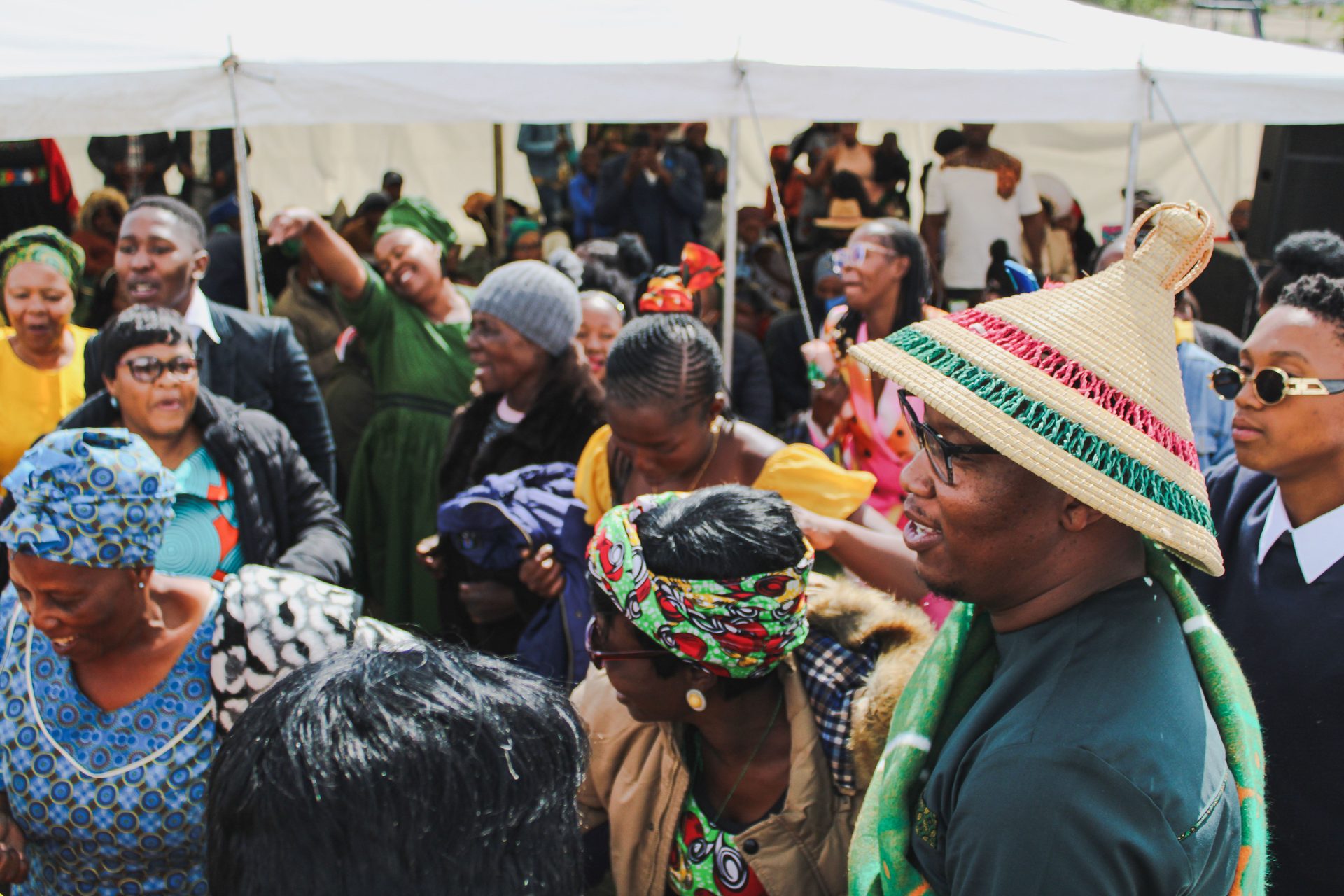
Long before a single word is spoken, a beaded skirt, a copper neck ring, or a tied headscarf can tell a stranger exactly who someone is. That is the quiet power behind traditional South African clothing: a visual vocabulary built from color, pattern, and material that signals marital status, age, clan, and achievement within communities such as the Xhosa and the Ndebele.
This guide walks through nineteen specific garments and ornaments drawn from Xhosa and Ndebele dress traditions, following the isiXhosa and isiNdebele names used by the people who wear them. Readers curious about the broader food and naming customs that sit alongside these clothing traditions can also explore traditional South African food and the cultural roots behind South African names.
Pro Tip: Spelling of isiXhosa and isiNdebele garment names can vary between regions and clans. Where a term has more than one common spelling, this guide notes the variation so readers recognize it in other sources.
1. Umbhaco
Umbhaco is both a specific wrap skirt and the broader name for Xhosa ceremonial dress as a whole. Umbhaco is a traditional attire worn by women in the Xhosa culture of South Africa, commonly associated with the Eastern Cape province. The look is unmistakable: bold colors, dense beadwork, and a tailored skirt-and-blouse combination built around a fabric base.
The outfit typically consists of a skirt, blouse, and headscarf, with the skirt commonly made from shweshwe, a printed cotton fabric with intricate designs. This elegant textile garment is also known as an isikhakha or imibhaco, and Xhosa people commonly wear a plain white, or occasionally red, wrapper as its base. The Metropolitan Museum of Art holds a mid-20th-century example that shows how ochre-dyed cotton and beadwork combine on a single skirt.
Umbhaco is worn at weddings, initiation ceremonies, and the dance rituals performed by traditional healers. Xhosa people wear beaded clothes called umbhaco when they perform umxhentso, the traditional dancing associated with sangoma healers, while their Zulu neighbors favor animal hide for men and colorful beaded clothing for women. Readers interested in how other cultures use dress for ceremony and status can browse traditional clothing styles from around the world for comparison.
2. Isikhakha
Isikhakha is the long, A-line wrap skirt that forms the backbone of many Xhosa outfits. These long, A-line skirts are traditional Xhosa items of clothing, usually white or reddish, and are made only by women because of their incorporation of glass beadwork. The Bowers Museum notes that the skirt’s simplicity makes it practical for everyday wear, not just ceremonial use.
In Xhosa culture, the way people dress indicates their social status, family size, region of origin, and ethnic group, and isikhakha are easy to make and wear, so they remain commonly worn today. A related, heavier version exists among the Zulu: the isidwaba, a traditional Zulu leather skirt worn by married women and made from hide, is also known in some contexts as isikhakha. That overlap in naming shows how closely related Nguni-speaking groups share and adapt garment vocabulary.
3. Ifulu
Ifulu refers to a soft outer wrap or cloak worn over the shoulders in Xhosa dress, usually cut from the same blanket-weight cotton used for skirts and cast in a complementary color to the rest of the outfit. It functions as both a practical layer against cool Eastern Cape mornings and a decorative finishing piece that frames the beadwork underneath.
Because ifulu sits on top of an outfit rather than forming its base, it is often the piece that carries the boldest pattern or the most elaborate trim. Families sometimes choose a particular color combination for an ifulu to match a specific ceremony, echoing the broader Xhosa habit of using color as a form of silent communication.
4. Incebetha
Incebetha describes a beaded chest piece or collar worn close to the neckline, layered over a blouse or dress as part of a full umbhaco ensemble. Its beadwork tends to be dense and geometric, sitting flat against the collarbone rather than hanging loosely like a necklace.
The craftsmanship behind an incebetha is typically handmade, with beads strung and sewn onto a fabric or hide backing rather than simply threaded on cord. This construction method lets the piece hold its shape and sit flush against the body during dancing or long ceremonies, a practical detail that matters as much as the visual effect.
5. Iqhiya
Iqhiya is the Xhosa headscarf, typically tied by married women as a sign of respect and status within the household and community. It is usually cut from shweshwe or another printed cotton to match the rest of an outfit, then folded and knotted in a style that can vary by region, occasion, and the wearer’s personal preference.
The headscarf tradition is not unique to Xhosa dress; head coverings carry similar status signals in many cultures, including the draped headwear found in traditional Indian clothing. In both cases, how the fabric is folded and worn can say as much as the fabric itself.
6. Uxakatha
Uxakatha is a traditional accessory worn around the ankle or lower leg during Xhosa ceremonial dance, often made from dried seed pods, shells, or small bells strung tightly together. When the wearer moves, the accessory produces a rhythmic rattling sound that reinforces the drumbeat and clapping that typically accompany Xhosa dance.
This kind of percussive leg ornament turns the dancer’s body into an instrument, adding an audible layer to the visual spectacle of beadwork and color. It is most visible during umxhentso performances, where sound and movement work together as part of the ceremony rather than as separate elements.
7. Ingcawa
Ingcawa is a wrap or cloak used as an outer covering in Xhosa dress, typically worn draped over the shoulders in a manner similar to a shawl. It tends to be cut from thicker material than the lighter ifulu, making it better suited to colder weather or to ceremonies held outdoors over longer stretches of time.
Like other outer layers in Xhosa clothing, an ingcawa is rarely plain. Decorative trim, contrasting color blocks, or a beaded border along the edge are common, turning a functional covering into another canvas for the color-coded messaging found throughout Xhosa dress.
8. Isichebe
Isichebe is a smaller apron-style garment, worn at the front of the body over a skirt as an additional layer of coverage and decoration. It sits lower than a chest piece like incebetha, usually positioned at waist height and tied or pinned in place.
The apron format appears across many Southern African traditional dress systems because it allows decoration to be added or changed without altering the base garment underneath. A new isichebe can mark a change in life stage or simply update an outfit for a new occasion, while the skirt beneath it stays the same.
9. Isidanga
Isidanga is a beaded necklace or choker, typically made from small white or colored glass beads strung in tight rows close to the neck. It is often worn as part of a full umbhaco outfit, layered alongside other beaded pieces like incebetha rather than worn alone.
White beadwork carries particular weight in Xhosa symbolism, often associated with purity, ancestral respect, and ceremonial significance. The specific color combination chosen for an isidanga can shift depending on whether the wearer is attending a wedding, an initiation ceremony, or a more everyday gathering.
10. Isigcebhezana
Isigcebhezana is a small, decorative beaded ornament, often worn as a hair accessory or attached near the shoulder as a finishing detail on a ceremonial outfit. The diminutive form of the word in isiXhosa grammar hints at its scale: this is a smaller accent piece rather than a primary garment.
Pieces like isigcebhezana are usually made by hand, with beadwork patterns passed down within families. The small size makes it a flexible addition, allowing a wearer to personalize a larger outfit without replacing the main skirt or blouse underneath.
11. Isibamba
Isibamba is a band-style accessory, typically worn around the arm, wrist, or waist, built from beadwork or woven fiber. The name itself comes from a root meaning to hold or grip, a fitting description for a garment that wraps tightly around a limb or the torso.
Because an isibamba sits close to the skin and moves with the body, its beadwork pattern is often simpler and more durable than the looser, more elaborate pieces worn on the chest or head. It is a practical accessory as much as a decorative one, built to withstand dancing and daily movement.
12. Iziqu
Iziqu are beaded necklaces awarded for valor or distinction, a tradition shared across several Nguni-speaking groups rather than being exclusive to one community. Historically, a string of iziqu beads marked a warrior’s bravery in battle, functioning much like a medal does in a modern military context.
The practice has carried into contemporary ceremonial life, where iziqu can still be presented to recognize achievement or leadership within a family or community. Anyone curious about how naming and identity intersect with status markers like these can find more context in this overview of South African naming traditions.
13. Idzila
Idzila are the thick copper or brass rings worn around the neck, arms, and legs by Ndebele women, one of the most recognizable symbols of Ndebele identity. The rings are typically given by a husband and worn as a visible sign of a woman’s married status, with the number and placement of rings sometimes reflecting the length or significance of the marriage.
Key Insight: Among the Ndebele, idzila rings are rarely removed once put on, which is why older photographs of Ndebele women often show rings worn at the neck, wrists, and ankles simultaneously.
The weight and permanence of idzila set it apart from beadwork accessories that can be changed for different occasions. It is a long-term commitment built into the garment itself, not a piece swapped out from one ceremony to the next.
14. Untsurhwana
Untsurhwana is a beaded apron traditionally worn by young, unmarried Ndebele girls, marking an early stage in the life-cycle dress system that defines Ndebele clothing. The apron is usually shorter and simpler in beadwork pattern than the garments worn by older girls or married women, reflecting its place at the start of that progression.
As a girl grows older, the aprons she wears typically grow longer and more elaborately beaded, a visible timeline of age and readiness for marriage built directly into her wardrobe. Untsurhwana represents the first chapter of that timeline.
15. Itjhorholo
Itjhorholo is a longer, more elaborately beaded apron associated with married Ndebele women, worn as the garment progresses beyond the simpler styles worn earlier in life. The scale and detail of an itjhorholo signal both marital status and the skill of the beadworker who made it, since these pieces can take considerable time to complete by hand.
Unlike lighter accessories, an itjhorholo is meant to be seen from a distance, often extending well below the waist and catching light across rows of colored glass beads. It functions as a centerpiece of a married woman’s ceremonial outfit rather than a supporting accent.
16. Amacubi
Amacubi refers to beaded ornaments, often worn around the legs or attached to clothing as decorative bands, within Ndebele dress tradition. The plural form of the word reflects how these pieces are typically worn in sets rather than as a single item, layered for a fuller visual effect.
Like idzila rings, amacubi contribute to the dense, layered silhouette that defines formal Ndebele dress, where multiple beaded and metal elements are worn together rather than one statement piece standing alone. The cumulative effect is part of what makes Ndebele ceremonial outfits so visually distinctive.
17. Isithimba
Isithimba is a front apron or covering worn as part of Ndebele women’s dress, positioned at the torso in a manner similar to other apron-style garments found across Southern African traditional clothing. It typically sits alongside, rather than replacing, other layered pieces like beaded bands and neck rings.
The apron format recurs throughout Ndebele dress for the same practical reason it appears in Xhosa clothing: it offers a surface for beadwork that can be updated or replaced without disturbing the rest of an outfit. Isithimba fits into that broader logic of modular, layered traditional dress.
18. Nyoga
Nyoga, a word that translates to “snake” in several Nguni languages, describes a long beaded rope or sash that winds around the body, often draped across the torso or worn as a belt. The name reflects the garment’s shape: a continuous, winding line of beadwork rather than a flat panel or fixed band.
This kind of sash adds movement and visual rhythm to a ceremonial outfit, particularly during dance, when a draped nyoga shifts and catches light differently than a fitted piece would. It is one more example of how Ndebele and Xhosa beadwork traditions encode meaning into shape as well as color.
19. Shweshwe
Shweshwe is the printed indigo cotton fabric that underlies much of South African traditional dress, used across Xhosa, Ndebele, Sotho, and other communities for skirts, dresses, and headscarves alike. It is a printed cotton fabric with intricate designs and patterns, commonly used for skirts, blouses, and headscarves in Xhosa attire.
The fabric’s history runs through European trade: printed cotton reached Southern Africa through missionaries and traders in the 19th century and was later manufactured in Germany, which is why the cloth is sometimes still called “German print” in older references. Readers interested in that European manufacturing connection can compare it against the textile traditions covered in this guide to traditional German clothing.
Shweshwe’s geometric, often indigo-and-white patterns have become so closely tied to South African identity that the fabric now appears in bridal wear, formal suits, and everyday fashion well beyond its original ceremonial use. It plays a similar unifying role to fabrics found in other national dress traditions, such as the printed and woven textiles seen in traditional Chinese clothing or the embroidered cottons used in traditional Pakistani clothing.
Important Note: Several of the Ndebele terms above describe garments tied closely to specific clans and regions, and practices can differ between communities. This guide reflects widely documented general patterns rather than a single definitive standard.
Here is a quick-reference overview of the nineteen garments and ornaments covered above:
| Garment | Cultural Association | Type | Typical Significance |
|---|---|---|---|
| Umbhaco | Xhosa | Full ceremonial outfit / skirt | Weddings, initiation, healing dance |
| Isikhakha | Xhosa / Mfengu | Wrap skirt | Everyday and ceremonial wear, status marker |
| Ifulu | Xhosa | Shoulder wrap / cloak | Outer layer, decorative finish |
| Incebetha | Xhosa | Beaded chest piece | Layered ceremonial decoration |
| Iqhiya | Xhosa | Headscarf | Marital status, respect |
| Uxakatha | Xhosa | Leg/ankle accessory | Dance rhythm accompaniment |
| Ingcawa | Xhosa | Outer cloak | Weather protection, ceremony |
| Isichebe | Xhosa | Apron | Layered front decoration |
| Isidanga | Xhosa | Beaded necklace | Ceremonial layering, purity symbolism |
| Isigcebhezana | Xhosa | Small beaded accent | Personalized decoration |
| Isibamba | Xhosa | Arm/waist band | Durable everyday accessory |
| Iziqu | Nguni (shared) | Beaded necklace | Valor, achievement recognition |
| Idzila | Ndebele | Metal neck/leg rings | Marital status, permanence |
| Untsurhwana | Ndebele | Short beaded apron | Young, unmarried girls |
| Itjhorholo | Ndebele | Long beaded apron | Married women |
| Amacubi | Ndebele | Beaded leg bands | Layered formal dress |
| Isithimba | Ndebele | Front apron | Modular ceremonial layering |
| Nyoga | Ndebele | Beaded sash/rope | Dance movement accent |
| Shweshwe | Shared / pan-South African | Printed cotton fabric | Base textile for many garments above |
Across both Xhosa and Ndebele dress, the same underlying logic repeats: layers of beadwork, color, and shape work together to announce age, marital status, and achievement without a word being said. Comparing this vocabulary against other national dress systems, from the draped and tied garments of traditional Japanese clothing to the frontier-era practicality behind traditional American clothing, shows how widely cultures have used clothing as a form of social record-keeping.
For readers building a broader picture of South African heritage, this garment vocabulary pairs naturally with the country’s food traditions and naming customs, both of which carry similar layers of regional and clan-based meaning. Those wanting to keep exploring global dress traditions can also look at how distance and climate shaped traditional Australian clothing, offering a useful contrast to the ceremony-driven, beadwork-heavy systems described here.