Why Is My Cilantro Bolting? What’s Really Happening and What to Do Next

September 14, 2026
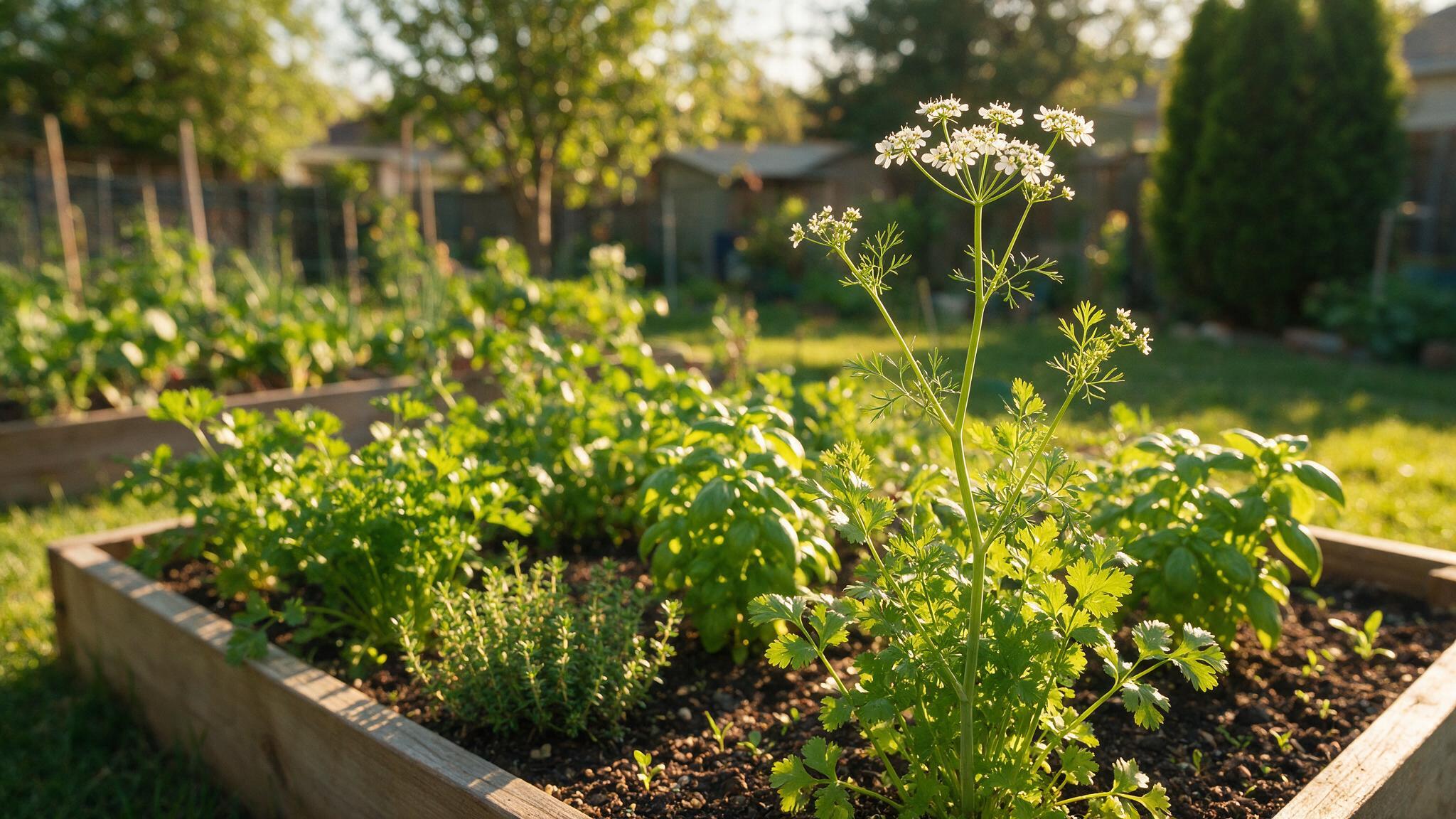
You walked out to your herb garden, ready to snip a handful of fresh cilantro for tonight’s tacos or salsa, and instead you found a tall, leggy plant covered in tiny white flowers. If you’re wondering what went wrong, the honest answer is: probably nothing. Your cilantro is bolting, and it’s doing exactly what it was designed to do.
Bolting is one of the most common frustrations for home herb growers across the United States, and it can feel like your plant gave up on you overnight. But once you understand the biology behind it, you’ll know how to work with cilantro’s nature instead of against it — and set yourself up for a much better harvest next season.
What’s Actually Happening to Your Cilantro Right Now
Cilantro (Coriandrum sativum) is a cool-season annual with a short, determined life cycle. It naturally grows leaves, flowers, and then produces seeds — known as coriander — as part of its reproductive phase. Bolting is simply the name for when that transition kicks into high gear.
Bolting is when the plant shifts into its flowering phase, sending up an elongated flowering stem that develops into an inflorescence. When cilantro bolts, it shifts from producing those flavorful, leafy stems we love for salsa, soups, and curries into reproductive mode. Instead of focusing on foliage, the plant pours its energy into growing flowers and eventually seeds. As that process begins, the leaves often become smaller, tougher, and less flavorful.
You’ll know your cilantro is about to bolt when you notice a thick central stem developing with smaller, more deeply lobed leaves. You may also notice some yellowing of the foliage, as the plant pulls nutrients from older leaves to fuel flower and seed development. Plants will then get very tall, very quickly.
You can also check out the different types of cilantro to understand how variety plays a role in how quickly your particular plant reaches this stage.
Pro Tip: The moment you see that central stem elongating and the upper leaves turning feathery, do a big harvest of all the remaining good leaves right away. Once the plant commits to flowering, flavor drops off fast.
Is This Normal, or a Sign Something’s Wrong?
This is almost certainly normal. It’s not a sign that you’ve done something wrong; it’s just the plant doing what plants do. Cilantro has one of the shortest productive windows of any common kitchen herb, and gardeners from California to the Carolinas run into this every spring and summer.
In most home gardens, bolting begins 45 to 60 days after planting, depending on the weather. In hot conditions, cilantro’s growth time can shorten dramatically, pushing the plant to bolt closer to the 40-day mark. If you planted in late spring and your plant bolted in what felt like a blink, that timeline is perfectly consistent with the plant’s biology.
The only scenario where bolting could signal a cultural problem is if it happens unusually early — say, within two to three weeks of planting — which often points to transplant shock, inconsistent watering, or an unlucky heat spike. But even then, the plant isn’t sick. It’s stressed, and stress accelerates the same natural process.
If you’re new to growing herbs and want a broader look at what different plants need, the types of plants guide on Homequirer is a helpful starting point for understanding cool-season versus warm-season growers.
The Real Trigger Behind Cilantro Bolting
Heat is the primary culprit, but the full picture involves two separate signals working together. The real trigger is temperature stress combined with day length. When both conditions align — warm soil and long days — cilantro shifts into reproductive mode with remarkable speed.
The most important thing to remember when growing cilantro is that it doesn’t like hot weather. Cilantro growing in soil that reaches 75°F (24°C) will bolt and go to seed. Notice that it’s the soil temperature that matters most, not just the air temperature. A string of warm nights can heat up your garden bed faster than you’d expect.
The next trigger is photoperiod, or day length. Once the day length exceeds 12 hours, your cilantro will set its sights on flowering. The longer the days, the faster the flowering. For example, in Dallas, TX, a 12-hour day happens around March 16, while in New York, it’s around March 18. That means even a well-watered, well-placed cilantro plant in a Northern garden is already on the clock by mid-March.
As a survival mechanism, cilantro will bolt when temperatures heat up in late spring or summer, quickly producing stalks of little white flowers and seeds to ensure its own reproduction. The plant is unable to tolerate the heat, and so proceeds to do the most logical thing. From the plant’s perspective, it’s making a smart decision.
| Bolting Trigger | Threshold | Effect on Plant |
|---|---|---|
| Soil temperature | Above 75°F (24°C) | Triggers flowering response |
| Day length | More than 12 hours of daylight | Accelerates transition to seed production |
| Water stress | Irregular or insufficient watering | Speeds up bolting as a stress response |
| Root disturbance | Transplanting seedlings | Can trigger early bolting |
Other Factors That Can Speed It Up or Make It Worse
Heat and day length set the stage, but several other factors can push your cilantro to bolt faster than it otherwise would. Understanding these gives you more levers to pull — even mid-season.
Inconsistent watering. Lack of moisture is a real accelerant. If your garden hits a dry period and you’re not watering consistently, cilantro could get stressed out and decide to start bolting. Dry conditions equal a stressed plant, which equals bolting. Give your plants about one inch of water per week — more if you have sandy soil or live in a hot climate like the Southwest.
Transplanting from a nursery pot. Plants in the Apiaceae family don’t like being moved around or disrupted because of their delicate taproot. So if at all possible, start your cilantro from seeds that you sow directly in the garden. Plants sown from seed tend to bolt slower than cilantro seedlings that were transplanted into the garden. That starter pot from the grocery store or garden center is already working against you.
Hot nights with no relief. Warm days and cool nights result in a cooler day-night average temperature. In certain hot climates, night temperatures are often as warm or hot as day temperatures, causing plants to bolt sooner. This is a particular challenge in the Deep South, Southwest, and other regions where summer nights stay above 70°F.
Temperature swings. Cilantro bolting is often caused by abrupt changes in temperature. When cilantro plants are exposed to temperatures that fluctuate significantly between day and night, it can trigger the plant to go into a state of stress, leading it to bolt prematurely. This is particularly common in regions with dramatic temperature swings.
Skipping harvests. Stress from delayed harvesting can speed up bolting. When you let the plant grow unchecked, it reads that as permission to move on to its next life stage. Regular cutting keeps it in leaf-production mode longer.
Key Insight: Growing cilantro alongside taller plants like tomatoes or peppers can help. According to Grow Organic , companion planting with taller crops provides natural shade and helps regulate temperature around your cilantro.
Can You Reverse It?
Here’s the honest answer: no. Once your cilantro has sent up a flowering stalk, you cannot reverse the process and bring it back to its leafy, pre-bolt state. It is impossible to completely forestall bolting. It’s a fact of nature that cilantro will react to heat this way. The plant has made a biological commitment, and no amount of watering, pruning, or shade cloth will undo it.
If you notice flower buds forming, you can pinch them off immediately. This can temporarily redirect the plant’s energy back to leaf production, although it won’t prevent bolting indefinitely. This technique is most effective when combined with other practices like proper watering and shading. Think of it as buying days, not weeks.
That said, a bolted cilantro plant isn’t useless. There is nothing about cilantro flowering that makes the plant inedible or toxic, but the leaves do lose much of their flavor. Here’s what you can still do with it:
- Harvest the flowers. Cilantro flowers are edible and can add a decorative touch and a mild cilantro flavor to salads, dishes, and even cocktails.
- Collect coriander seeds. Those seeds that the flowers produce are known as coriander. Collect them, and you have a fresh spice to add to your cooking arsenal.
- Let it self-seed. You can just let the seeds drop on the ground, and the cilantro will reseed itself and, with a bit of luck, reappear again once the weather cools down.
- Support pollinators. Cilantro produces small clusters of white to pink flowers that are very ornamental. Cilantro also attracts numerous small bees and pollinators to the garden.
If you keep losing your summer cilantro to heat no matter what you try, Cultivated Earth suggests considering culantro (Eryngium foetidum) as a substitute — it has a similar flavor profile but thrives in hot weather where cilantro simply cannot.
How to Prevent It Next Season
You can’t stop cilantro from bolting eventually, but you absolutely can delay it — sometimes by weeks — with the right approach. The goal is to keep your plant cool, unstressed, and in vegetative mode for as long as possible.
Time your planting around cool weather. Timing is crucial when growing cilantro. As a cool-season herb, cilantro performs best when planted in early spring or late summer for a fall harvest. In most US growing zones, that means getting seeds in the ground four to six weeks before your last frost date in spring, then again in late August for a fall crop.
Always direct sow. Sow seeds directly into the garden — not from transplants — to reduce the risk of early bolting and help the plant thrive. Skip the nursery transplants, and skip starting them indoors if you can. A packet of seeds and a bit of patience will outperform a store-bought seedling almost every time.
Choose slow-bolt varieties. Look for seed packets that say “slow bolt cilantro” or “long standing,” both of which have been bred to last longer in the garden. Some varieties to look for include Slow Bolt, Calypso, and Leisure. These won’t make cilantro a warm-season herb, but they’ll give you a longer harvest window in borderline conditions.
Harvest early and often. Regular harvesting by cutting the older, outer leaves encourages your cilantro to continue producing new leaves from the center of the plant. Also, the more you harvest your cilantro, the more chance you have of snipping off those immature flower stalks. This will help delay any bolting.
Mulch to keep soil cool. Mulching plays a significant role in keeping cilantro from bolting. A good layer of organic mulch not only helps retain soil moisture but also keeps the soil temperature down. This is one of the simplest and most effective moves you can make in a warm-climate garden.
Use succession planting. To get around cilantro’s short season and continue to harvest throughout the growing season, practice succession planting. Plant seeds every couple of weeks. When one set of cilantro plantings is bolting, the next will be ready to harvest. This is the single most reliable strategy for keeping fresh cilantro on hand from spring through fall.
Give it afternoon shade. Cilantro does best in a location that receives morning sunlight but is protected from the intense heat of the afternoon. If you’re working with a particularly sunny garden, consider using taller plants or a shade cloth to provide some respite from the heat. This strategic placement can help keep the soil and plant cooler, reducing the stress that leads to bolting.
Pro Tip: According to Gardening Know How , once you’re into the hot part of summer, you can extend the life of your cilantro by keeping it as moist and cool as possible — water daily and move pots to shadier areas during the hottest afternoon hours.
If you enjoy growing herbs alongside other edibles, take a look at this guide to different plants to grow with tomatoes — many of the companion planting strategies there apply directly to creating natural shade for heat-sensitive herbs like cilantro.
For gardeners who want to track their plants more precisely, the best iPhone apps for identifying plants can also help you monitor growth stages and catch early bolting signs before the window for action closes.
Frequently Asked Questions
Can I eat cilantro after it bolts?
Yes. There is nothing about cilantro flowering that makes the plant inedible or toxic, but the leaves do lose much of their flavor. The flowers themselves are edible and mildly flavored. The seeds that follow become coriander, a useful spice in their own right.
Why did my cilantro bolt so fast — I just planted it?
Bolting is triggered by any combination of rising temperatures above 75°F, long daylight hours, root disturbance from transplanting, and water stress. If you planted a nursery transplant during warm weather, all four of those triggers may have hit at once.
Does bolted cilantro reseed itself?
Often, yes. Once cilantro bolts, leaving it in the garden lets it attract beneficial insects and allows you to harvest coriander seeds. If you let those seeds fall naturally, there’s a good chance volunteer cilantro plants will pop up on their own when temperatures cool in fall.
Is there a cilantro variety that won’t bolt in summer?
No variety is truly bolt-proof in hot conditions, but some are significantly slower. Some cilantro varieties are more prone to bolting than others. Traditional varieties may bolt faster, while newer cultivars, such as Calypso and Santo, are bred for slow bolting and extended harvest periods. Even these will eventually bolt when heat and day length align.
Can I grow cilantro indoors to avoid bolting?
For year-round cilantro cultivation, consider growing cilantro indoors. Place the plants near a south-facing window to provide sufficient light or use full-spectrum grow lights to mimic outdoor conditions. Indoor gardening also allows you to control temperature and humidity, reducing the risk of bolting. If you’re growing cilantro indoors under grow lights, you have more control and it may be possible to delay the onset of bolting.
What should I do right now if my cilantro is already bolting?
Harvest everything you can use today. Strip the remaining good leaves, collect or save the seeds for coriander or replanting, and start a new batch of seeds in a cooler spot or wait for fall temperatures to drop back into the 50s and 60s. Succession planting from here forward is your best path to a steady supply.