Is It Safe to Eat Raspberries During Pregnancy? What You Need to Know

April 21, 2026
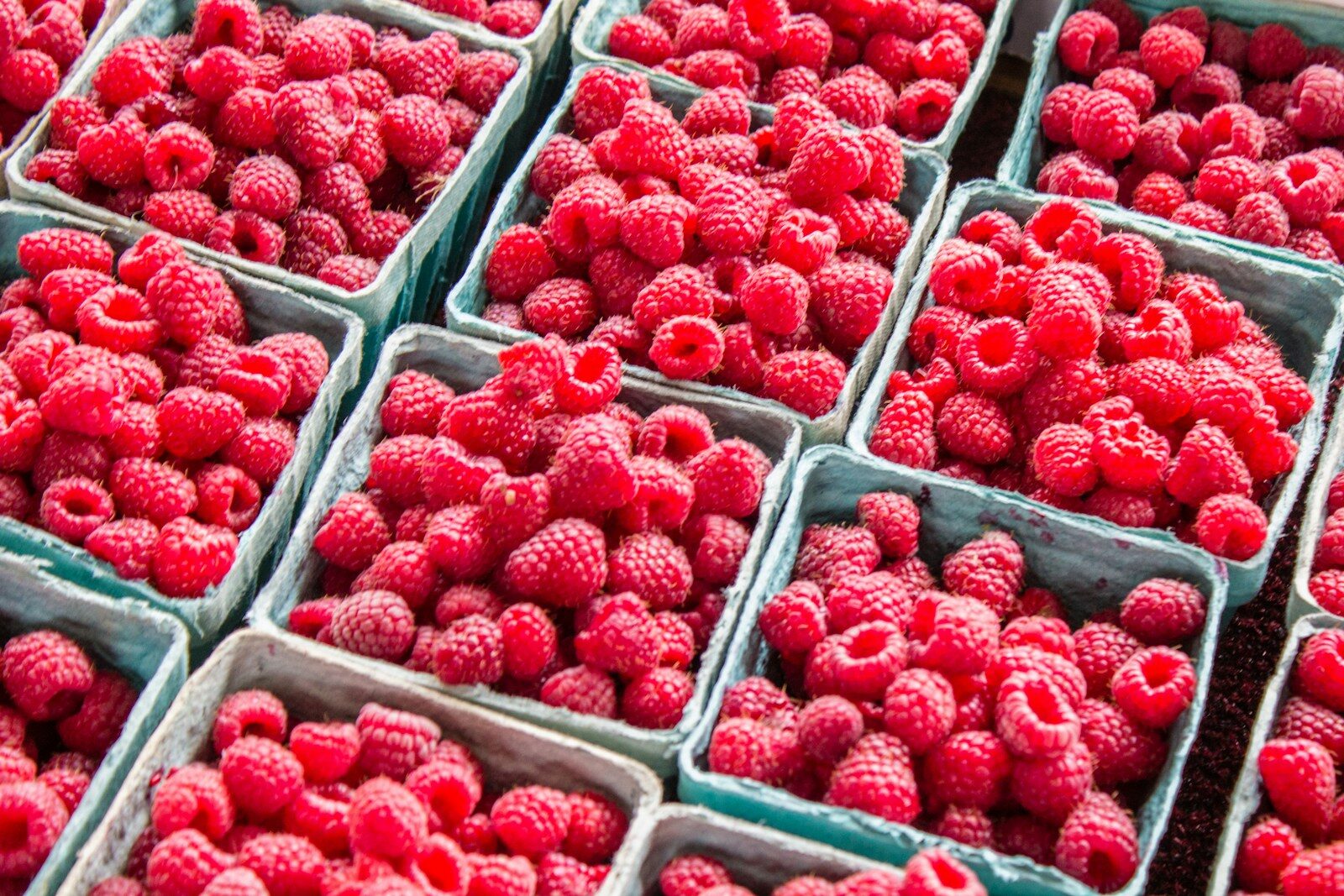
You’re standing in front of the fruit bowl, raspberry in hand, and suddenly you’re second-guessing everything. That’s pregnancy for you — even the most innocent snack can feel like a pop quiz you didn’t study for.
Here’s the reassurance you came for: raspberries are one of the better choices you can make right now. They’re loaded with nutrients your body and baby genuinely need, and with just a few simple precautions, they’re completely safe to enjoy throughout all three trimesters. Let’s break it all down so you can snack with confidence.
The Short Answer
Yes — you can eat raspberries while pregnant. Raspberries are safe to eat when you’re pregnant and can make a good, healthy addition to your pregnancy diet. This applies to fresh, frozen, and even cooked varieties.
The myth that you should not eat raspberries during pregnancy is not scientifically proven. There are no studies that prove the negative effects of raspberries on a pregnant woman or her developing baby. The confusion often comes from mixing up the fruit with raspberry leaf tea — which is a very different thing and carries its own separate considerations.
All types of raspberries, including red, black, and golden, are safe during pregnancy. The main rule? Wash them thoroughly before eating. More on exactly how to do that below.
Pro Tip: If you’ve been avoiding raspberries out of caution, you’ve actually been missing out on one of pregnancy’s most nutrient-dense snack options. Keep reading — you’ll want to add them back to your grocery list.
Why It’s Safe
Raspberries aren’t just safe during pregnancy — they’re genuinely beneficial. Raspberries are a nutritious and safe choice during pregnancy, packed with vitamins, folate, fibre, and antioxidants. Folate can lower the risk of neural tube defects that affect the baby’s brain and spinal cord, and dietary fibre may help promote the growth of beneficial gut bacteria.
Here’s a look at what makes raspberries such a standout pregnancy food:
- Folate: Folate is a crucial nutrient that helps prevent birth defects. Eating raspberries during pregnancy protects your baby from cases like neural tube defects, cardiovascular problems, urinary tract issues, and pre-eclampsia.
- Vitamin C: Raspberries are low in calories but rich in fiber, vitamins C and K, and provide powerful antioxidants that support overall health. Vitamin C also helps your body absorb iron — especially important during pregnancy.
- Iron: Raspberries have a higher iron content than other fruits. Eating raspberries during pregnancy helps boost your hemoglobin count while protecting you from anemia fatigue and the dizziness associated with it.
- Potassium: Raspberries are high in potassium, a mineral that helps balance electrolytes and may reduce fluid retention and swelling, a common issue during pregnancy. Including potassium-rich foods like raspberries in your diet can assist in managing bloating and water retention.
- Antioxidants: Raspberries are a rich source of antioxidants and ellagic acid, a phytonutrient. The high antioxidant and phytonutrient content helps prevent the risk of cancer development while expecting.
- Fiber: Raspberries are known to be high in dietary fiber. Eating raspberry fruit during pregnancy promotes smooth and regular digestion. It also helps you regulate your metabolism and manage your weight during pregnancy.
- Antimicrobial properties: Eating raspberries during pregnancy inhibits the growth of certain harmful bacteria and fungi in your body and prevents the risk of vaginal infections while expecting.
You can learn more about how whole plant-based foods like raspberries support your overall health during this critical time.
Key Insight: Raspberries offer something rare in the fruit world — a high nutrient-to-calorie ratio. You get folate, vitamin C, iron, potassium, and antioxidants all in one small handful, making them one of the most efficient pregnancy snacks available.
What the Research Actually Says
It’s worth separating two things that often get tangled up online: fresh raspberries (the fruit) and raspberry leaf tea (an herbal supplement). They have very different safety profiles during pregnancy.
Fresh raspberries: As a food, red raspberries are safe. There is no credible research suggesting that eating fresh raspberries causes miscarriage, preterm labor, or any harm to the developing baby. Contrary to one or two myths floating around the internet, raspberries have nothing in them that can cause a miscarriage when they’re eaten in normal food amounts and have been thoroughly washed. This confusion often stems from mixing up fresh raspberries with raspberry leaf tea, which is a separate thing altogether.
Raspberry leaf tea: This is where things get more nuanced. Red raspberry leaf could start premature labor in pregnant women. Although many midwives suggest red raspberry leaf during the later stages of pregnancy, there isn’t any good evidence that it helps. One study of red raspberry found that it didn’t shorten labor or prevent labor pain.
A peer-reviewed review published in ScienceDirect examined 12 original publications on raspberry leaf safety and efficacy during pregnancy. The efficacy of raspberry leaf is not convincingly documented. The use of raspberry leaf in pregnancy is a traditional herbal therapy and is recommended by some midwives. Due to the lack of evidence for safety and efficacy, such recommendations are questionable.
Bottom line from the research: Fresh raspberries = well-established safe food. Raspberry leaf tea = not enough evidence, potential risks, and should only be used under medical guidance. This article focuses entirely on the fruit — which you can enjoy freely with a few easy safety steps.
For a broader look at foods and beverages to avoid during pregnancy, that resource covers the full picture of what to steer clear of.
How to Do It Safely
Eating raspberries safely during pregnancy is straightforward. The key areas to pay attention to are portion size, washing technique, form of the berry, and trimester-specific considerations.
How Many Raspberries Can You Eat Per Day?
A rule of thumb is to have no more than one to two cups of raspberries daily during pregnancy. During pregnancy, you can enjoy 1 to 2 cups of raspberries daily, which is approximately 150 to 300 grams. This amount supports overall health and well-being. Going over that regularly may lead to digestive discomfort due to the high fiber content.
How to Wash Raspberries Properly
Since raspberries are usually grown in bushes near the ground, they are susceptible to contamination from their environment. Due to their shape, raspberries tend to retain more pathogens like Toxoplasma gondii on their surface than some other berries.
Here’s the safest way to prep them:
- Place raspberries in a colander and rinse under cool running water.
- For extra safety, soak them in baking soda for a few minutes and wash them carefully — they’re then safe for consumption.
- Gently pat dry with a clean paper towel.
- Discard any soft, moldy, or bruised berries. Since raspberries are a soft fruit, mold is likely to be deeper than you can see, so moldy raspberries should be discarded rather than eaten.
- Never eat directly from the punnet without washing first, even if the packaging says “pre-washed.”
Fresh vs. Frozen: Which Is Better?
Since raspberries are perishable and seasonal, you might choose to buy them frozen rather than fresh. Frozen raspberries are safe in pregnancy and are pretty useful if you’re making smoothies or sauces. Commercially-packaged raspberries will have been washed first, but freezing them also kills potential bacteria like Toxoplasma gondii.
Frozen raspberries are also a possibility since they are a seasonal product and may not be accessible year-round. However, avoid packaged varieties that contain an excessive amount of sugar.
Trimester-by-Trimester Guide
| Trimester | Raspberry Fruit (Fresh/Frozen) | Raspberry Leaf Tea |
|---|---|---|
| First Trimester | ✅ Safe — wash thoroughly, stick to 1–2 cups/day. You can eat raspberries during the first trimester. | ❌ Avoid — risk of stimulating contractions early |
| Second Trimester | ✅ Safe — great source of iron and folate as baby grows | ⚠️ Caution — consult your doctor before use |
| Third Trimester | ✅ Encouraged — raspberries are particularly beneficial in the third trimester for their potential to ease labor. | ⚠️ Sometimes used under medical guidance — not self-administered |
Best Ways to Eat Raspberries During Pregnancy
Fresh or frozen raspberries are safe to consume during pregnancy and can be added to smoothies, yogurt, or cereal. Here are some other easy ideas:
- Toss them into a pregnancy-safe fruit salad with strawberries and blueberries
- Blend into a smoothie with Greek yogurt for a protein and antioxidant boost
- Stir into oatmeal for a fiber-rich breakfast
- Add to whole grain toast with nut butter for a satisfying snack
- Make raspberry jam — when reaching for raspberry jam, expectant mothers should choose products with the lowest possible sugar content.
- If drinking raspberry juice, pregnant women should only drink pasteurized fruit juice, due to the risk of bacterial contamination.
For more inspiration on superfoods that support your heart health — which also matters during pregnancy — that’s a great place to start. You might also find it helpful to explore foods that boost brain health, as many of the same antioxidants in raspberries support cognitive function too.
Pro Tip: If morning sickness is hitting hard, raspberries might actually help. The natural sweetness and mild acidity of raspberries can sometimes help ease nausea for some pregnant women. Eating a few fresh or frozen raspberries might settle the stomach, though individual responses may vary.
When to Avoid It Completely
While raspberries are safe for most pregnant women, there are specific situations where you should skip them or check with your doctor first.
Known Raspberry Allergy
Raspberries may cause allergic reactions in some pregnant women, leading to symptoms like itching or hives. Among the commonly reported side effects is the ability to pose the risk of allergic symptoms in pregnant women, including hives, breathing difficulties, and facial, lips, tongue, or throat swelling. If you’ve never had raspberries before, start with a small amount and monitor your response.
Gestational Diabetes
Raspberries have natural sugars that could influence blood sugar levels, which is important for those with gestational diabetes. Raspberries are actually one of the lower-sugar berry options, but if you have gestational diabetes, it’s worth confirming portion sizes with your healthcare provider or dietitian.
History of Hormone-Sensitive Conditions
Raspberries are generally not recommended for consumption in people with a history of uterine fibroids, endometriosis, and cancers of the ovaries, breast, and uterus. If any of these apply to you, speak to your OB-GYN before adding raspberries regularly to your diet.
Kidney Stone History
High oxalate levels in raspberries could contribute to kidney stone formation in susceptible individuals. If you’ve had kidney stones before, your doctor can advise on appropriate limits.
Pesticide Concerns
Non-organic raspberries might carry pesticide residues, posing potential risks to the developing fetus. Organic raspberries can be a good choice if you’re concerned about chemical exposure. If organic isn’t an option, washing raspberries thoroughly (including the baking soda soak) significantly reduces surface residues.
Important Note: This article covers fresh raspberries only. Raspberry leaf tea is a separate herbal product with a different safety profile and should only be used during pregnancy under the direct guidance of your midwife or OB-GYN.
If you’d like to understand the broader landscape of what’s off-limits, check out this guide to foods and beverages to avoid during pregnancy for a complete reference. You might also find it useful to read about fibroid-healing foods if that’s part of your health picture.
Quick Reference Chart
Use this table for a fast, scannable summary of everything covered above. Save it, screenshot it, or share it with someone who keeps asking you if raspberries are “allowed.”
| Scenario | Status | Notes |
|---|---|---|
| Fresh raspberries (washed) | ✅ Safe | Wash thoroughly; up to 1–2 cups/day |
| Frozen raspberries (no added sugar) | ✅ Safe | Freezing also kills pathogens; check labels for added sugar |
| Raspberry jam (low sugar) | ✅ Safe | Choose low-sugar varieties |
| Pasteurized raspberry juice | ✅ Safe | Must be pasteurized; avoid fresh-pressed unpasteurized juice |
| Unwashed fresh raspberries | ❌ Avoid | Risk of Toxoplasma gondii and other pathogens |
| Moldy raspberries | ❌ Avoid | Mold penetrates deeper than visible surface |
| Unpasteurized raspberry juice | ❌ Avoid | Bacterial contamination risk |
| Raspberry leaf tea (first trimester) | ❌ Avoid | Potential to stimulate early contractions |
| Raspberry leaf tea (third trimester) | ⚠️ With caution | Only under direct medical guidance |
| Raspberries with gestational diabetes | ⚠️ With caution | Monitor blood sugar; confirm portions with your provider |
| Raspberries with hormone-sensitive conditions | ⚠️ Check with doctor | Uterine fibroids, endometriosis, or certain cancers |
| Non-organic raspberries | ⚠️ Wash well | Baking soda soak reduces pesticide residues |
Want to build out your full pregnancy-safe eating plan? Explore powerful nutrients and cancer-fighting foods — many of which overlap with the antioxidants in raspberries — and check out foods for healthy skin, which can also help with the skin changes that often come with pregnancy.
Frequently Asked Questions
Can raspberries cause a miscarriage?
No. Raspberries have nothing in them that can cause a miscarriage when they’re eaten in normal food amounts and have been thoroughly washed. This confusion often stems from mixing up fresh raspberries with raspberry leaf tea, which is a separate thing altogether. The fruit itself is completely safe.
Can I eat raspberries in the first trimester?
Yes. You can eat raspberries during the first trimester. Just make sure they are washed thoroughly and consumed in moderate amounts — up to 1–2 cups per day. Avoid raspberry leaf tea during this stage, as it may stimulate contractions.
Are frozen raspberries safe during pregnancy?
Yes. Frozen raspberries are safe in pregnancy and are pretty useful if you’re making smoothies or sauces. Commercially-packaged raspberries will have been washed first, but freezing them also kills potential bacteria like Toxoplasma gondii. Just check the label and avoid varieties with added sugar.
What’s the difference between raspberries and raspberry leaf tea during pregnancy?
They are very different things. Fresh raspberries are a whole fruit with a well-established safety profile for pregnant women. Raspberry leaf tea is an herbal supplement made from the leaves of the raspberry plant. Red raspberry leaf could start premature labor in pregnant women, and the research on its efficacy remains inconclusive. Always consult your healthcare provider before using raspberry leaf tea.
Can I eat raspberries if I have gestational diabetes?
Raspberries are one of the lower-sugar fruit options, but raspberries have natural sugars that could influence blood sugar levels, which is important for those with gestational diabetes. Talk to your doctor or registered dietitian about appropriate portion sizes for your specific situation. If you’re avoiding raspberries due to gestational diabetes, opt for strawberries or blueberries, as they have a lower glycemic index and provide similar benefits.
How should I wash raspberries during pregnancy?
Rinse them under cool running water in a colander. For extra protection, soak briefly in a baking soda and water solution, then rinse again. Since raspberries are a soft fruit, mold is likely to be deeper than you can see, so moldy raspberries should be discarded rather than eaten. Always discard any that look soft, discolored, or moldy.
Can I drink raspberry juice while pregnant?
Pregnant women should only drink pasteurized fruit juice, due to the risk of bacterial contamination. Unpasteurized juice usually states this on the label if it’s commercially produced, but if it’s sold by the glass — like at farmer’s markets or juice bars — it may be unpasteurized, so check if you’re not sure.
Always remember: while raspberries are a genuinely great pregnancy food, your OB-GYN or midwife is your best resource for personalized guidance. If you have any underlying conditions or specific concerns about your diet, loop them in. For more pregnancy nutrition reading, explore foods that support liver function — your liver works overtime during pregnancy — and learn about foods that promote healthy eyesight, a nutrient category that matters for fetal development too.