Traditional Uruguayan Clothing: 11 Gaucho Garments That Define the Country’s Heritage

November 18, 2026
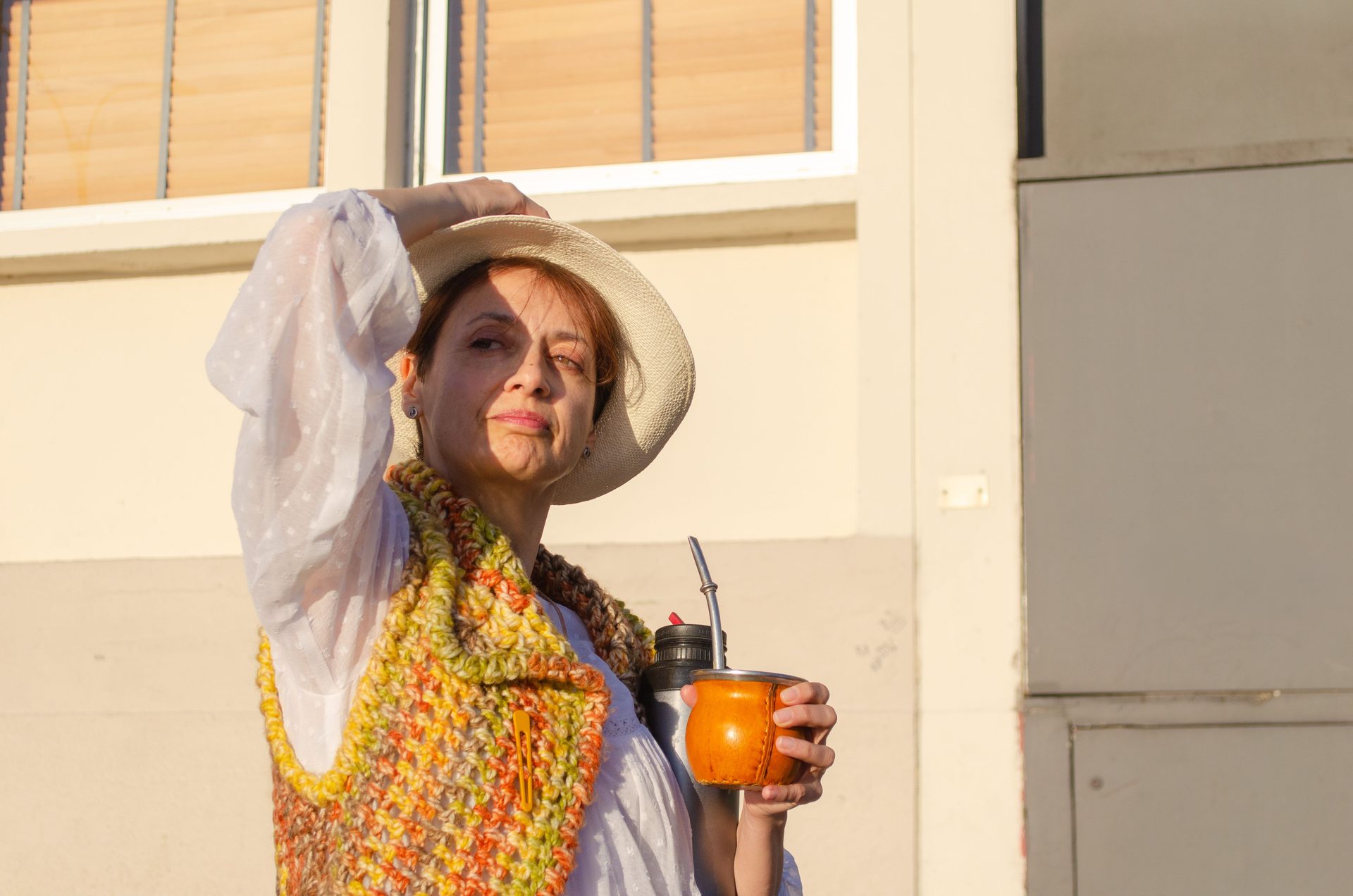
Traditional Uruguayan clothing grew out of necessity on horseback, shaped by the gaucho, the itinerant horseman who worked the open grasslands of the Río de la Plata basin. Each piece, from baggy trousers to silver-trimmed belts, solved a practical problem first and became a cultural symbol second. Today those same garments reappear every March at the Fiesta de la Patria Gaucha in Tacuarembó, a nine-day festival that celebrates the traditions, customs, and cultural expressions of the Gaucho heritage, regarded as a national symbol in Uruguay.
This guide moves through eleven garments and accessories that make up classic Uruguayan dress, explaining where each one came from and why it still matters. Readers curious about how rural clothing traditions compare elsewhere may also want this overview of traditional clothing from around the world for broader context.
| Garment | Worn By | Primary Material | Main Purpose |
|---|---|---|---|
| Bombachas | Men (now also women) | Cotton or wool | Riding trousers |
| Poncho | Men | Wool | Cloak, saddle pad, bedding |
| Chiripá | Men (historic) | Woven cloth | Wrapped leg covering |
| Calzoncillos | Men (historic) | Cotton with lace trim | Underlayer leggings |
| Faja | Men | Woven cloth sash | Waist support |
| Rastra | Men | Leather and silver coins | Decorative belt/status marker |
| Boina | Men | Wool felt | Everyday cap |
| Pañoleta | Men | Cotton or silk | Neck covering |
| Chambergo | Men | Felt or straw | Wide-brimmed sun hat |
| Botas de potro | Men (historic) | Raw colt hide | Seamless riding boot |
| Alpargatas | Men and women | Canvas and jute | Lightweight footwear |
1. Bombachas
The bombacha is the garment most people picture first when they think of traditional Uruguayan clothing. These baggy trousers, gathered at the ankles, are not just comfortable for riding; they’re a symbol of freedom and the open range, originally military-style pants imported from Europe that the gauchos adopted and adapted. The style replaced the older chiripá wrap during the late nineteenth century as a more practical, tailored option for long days in the saddle.
The classic cut gathers fabric at the ankle so it tucks neatly over boot tops, keeping thorny brush and insects away from the legs. Today, bombachas are worn in rural areas and during folk festivals, keeping the gaucho spirit alive, and similar loose, functional trouser traditions appear in other cultures too, including the draped and gathered silhouettes found in traditional Indian clothing.
Pro Tip: If buying bombachas for a festival or horseback trip, look for a reinforced inner leg and an adjustable waist tie rather than a fixed elastic band, which mirrors the original working design more closely.
2. Poncho
No single garment did more work for the gaucho than the poncho. According to one account of gaucho dress, a woolen poncho doubled as a saddle pad or sleeping bag, swapped for a heavier one in winter. That multi-purpose function explains why it became inseparable from rural Uruguayan identity rather than staying a simple outer layer.
Woven from sheep’s wool and dyed in solid colors or bold stripes, the poncho slips over the head and drapes across the shoulders, leaving the arms free to work a lasso or reins. The same logic of a single draped cloth serving as both clothing and shelter shows up in other herding cultures, somewhat like the layered, weather-adaptive approach seen in traditional Australian clothing worn by outback stock workers.
3. Chiripá
Before bombachas took over, Uruguayan men wore the chiripá, a far simpler garment with deep roots in the region’s indigenous past. The original peoples of South America developed the chiripá, a word of probable Quechua origin, as a rectangular cloth worn like a diaper; after passing the cloth between his legs, a man secured it around his waist with a stout belt, and the seamless garment provided great comfort while riding.
Sources differ slightly on the garment’s exact origin story. One account traces the word to Guaraní rather than Quechua, noting that the gaucho’s chiripá was invented by missionaries to cover the nakedness of the Guarani Indians and takes its name from the Missionero-Guarani language, meaning “thing of little value”.
Important Note: Historical sources disagree on whether “chiripá” comes from Quechua or Guaraní vocabulary. Both theories point to indigenous origins predating European trouser styles, which is the detail most relevant to understanding the garment’s cultural role.
During the late nineteenth century, the traditional chiripá gave way to imported bombachas, bloused pants taken in at the ankle, which is why the wrap-style garment now appears mainly at historical reenactments rather than everyday wear.
4. Calzoncillos
Calzoncillos served as the hidden layer of traditional gaucho dress, worn where the chiripá left skin exposed. Underneath the chiripá, gauchos sometimes wore white, lace-fringed leggings called calzoncillos blancos, which peeked out below the wrap and became a small but recognizable detail of formal gaucho presentation.
The lace trim was not purely decorative. Loose-fitting white cotton allowed air to circulate during hot pampas summers while still protecting the legs from saddle friction, a practical underlayer not unlike the breathable base garments found in many warm-climate dress traditions, including some of the lighter cotton layers within traditional Pakistani clothing.
5. Faja
The faja is the sash that gave early gaucho outfits their shape before bombachas arrived with built-in waistbands. The faja is a cloth sash worn tightly around the waist, wrapped several times to hold the chiripá or trousers in place and to give some lower-back support during long rides.
Woven in wool or cotton, the faja could be plain for everyday work or brightly patterned for festivals. It sits underneath the more decorative rastra belt described below, functioning as the practical foundation layer rather than the showpiece.
6. Rastra
If the faja was practical, the rastra was the statement piece. The rastra is a wide leather belt adorned with silver coins or decorations, and the more coins or ornamentation it carried, the more it signaled a gaucho’s standing within his community.
The design has a curious origin story rooted in simple fastening problems. The rastra, or gaucho buttonhole, originated from the difficulty of fastening so many layers of clothing; it became easier to place small chains between the buttons, which, as they grew longer, formed the rastras, with buttons often made of small metal balls, braided silver wire, or coins.
Key Insight: A heavily decorated rastra functioned much like a belt-mounted savings account. Gauchos often carried their wealth in silver coins attached to the belt rather than in a bank, since the coins were portable, visible, and easy to trade or melt down if needed.
7. Boina
The boina, a flat wool beret, rounds out the everyday gaucho silhouette and remains common across the Uruguayan countryside. Traditional berets are also commonly worn, adding to the cultural attire, typically in black or dark green and pulled slightly to one side rather than worn flat.
Unlike the chambergo described later, the boina stays close to the head and offers little sun protection, which is why it tends to show up in cooler months or for everyday town wear rather than long days of fieldwork under direct sun.
8. Pañoleta
The pañoleta is the neckerchief that completes the gaucho’s upper-body look, tied loosely at the throat or folded into a triangle across the chest. Descriptions of rural dress in the region consistently list a vest, a neckerchief, and often a belt set with a silver buckle and coins among the standard pieces worn alongside the shirt and poncho.
Beyond style, the pañoleta had a practical role: pulled up over the nose and mouth, it shielded against dust kicked up by cattle herds and horses on dry pampas trails, a function shared with neck coverings in many other working dress traditions around the world.
9. Chambergo
The chambergo is the broad-brimmed hat most associated with formal gaucho dress, distinct from the simpler boina in both shape and purpose. Typical descriptions of classic Uruguayan menswear note a sombrero, a wide-brimmed hat, and broad-brimmed straw hats as a defining element of the look, usually made from felt for cooler seasons and straw for summer.
Named after a 17th-century European military governor’s hat style that later traveled to South America, the chambergo’s low crown and wide brim shade the face and neck during long hours on horseback. It plays a similar role to the broad-brimmed hats found in other ranching cultures, including the practical headwear common in parts of traditional American clothing associated with cowboy dress.
10. Botas De Potro
Botas de potro, or colt-hide boots, represent one of the most distinctive and least industrial pieces of traditional Uruguayan footwear. Gauchos made them by stripping the hide from a young horse’s hind leg in one seamless tube, then shaping it while still damp around the foot so it dried into a snug, boot-like form with the hoof-end left open at the toes.
Because they required no stitching, buckles, or soles, botas de potro could be assembled on the spot from available materials, which suited a semi-nomadic lifestyle far from shops or tanneries. The style largely disappeared once manufactured leather boots became affordable and widely available, but it remains a point of historical pride referenced at gaucho heritage festivals and museum displays across the Uruguayan countryside.
Pro Tip: Museums in Tacuarembó and Montevideo occasionally display original botas de potro alongside other 19th-century gaucho gear, offering a clearer sense of the garment’s construction than written descriptions alone.
11. Alpargatas
Alpargatas close out the list as the most common, everyday footwear in traditional Uruguayan dress, favored for their light weight and low cost compared to leather boots. These flat canvas shoes with braided jute or rope soles arrived with Basque and other Iberian settlers and were quickly adopted across the rural Río de la Plata region as practical work shoes.
Unlike the rastra or chambergo, alpargatas never carried much status symbolism; their appeal was purely functional, offering breathability and flexibility for walking or light fieldwork rather than protection for riding. The same simple, rope-soled shoe style later spread well beyond South America and is still sold today under similar names in other folk footwear traditions, a pattern of cross-border adoption also visible in parts of traditional Chinese clothing where simple cloth shoes served a comparable everyday role.
- Lightweight canvas upper, often undyed or in a single solid color
- Braided jute, rope, or rubber sole depending on era and region
- Worn by both men and women, unlike most other gaucho-specific garments
- Still manufactured and sold commercially across Uruguay and neighboring countries
Taken together, these eleven garments trace a clear line from survival gear to cultural symbol. As one academic overview of the broader gaucho tradition notes, as the lands in the Americas came under increasing private ownership by the late 19th century, the practice of fencing off lands made the work of gauchos and other cowhands obsolete, yet their lifestyle and lore have become an essential patrimony of the lands where they used to roam. That same pattern explains why bombachas, ponchos, and rastras survive today mainly at festivals, estancias, and heritage events rather than daily ranch work, much as revived folk dress functions in other countries, including festival-based traditions documented within traditional German clothing.
For travelers or researchers wanting to see these garments firsthand, the annual Fiesta de la Patria Gaucha remains the single best showcase of traditional Uruguayan clothing in active use, worn by thousands of participants rather than displayed behind museum glass. Comparing these rural Uruguayan traditions against other regional dress customs, such as those explored in overviews of traditional Japanese clothing, highlights how closely clothing choices track a region’s climate, labor, and land rather than fashion trends alone.