Can You Freeze Whole Milk? What to Expect and How to Do It Right

November 2, 2026
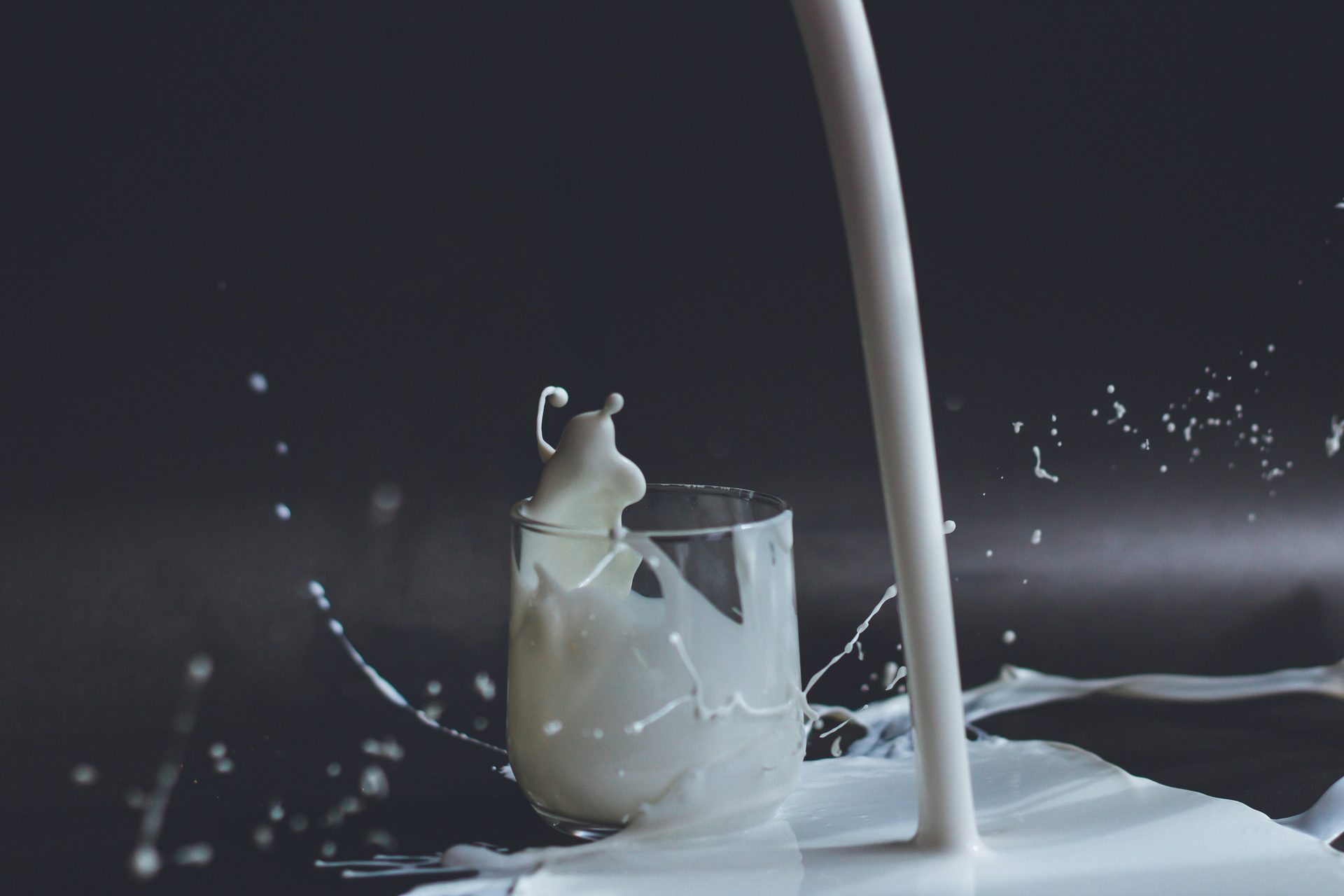
Whole milk sitting in your fridge with only a few days left before the expiration date is one of those frustrating kitchen situations most American households face regularly. Pouring it down the drain feels wasteful, but you’re not sure if the freezer is actually a safe option.
The good news: you can absolutely freeze whole milk. Freezing milk is a practical way to extend its shelf life and prevent waste, and it works for everything from a partial gallon to individual portions portioned out in ice cube trays. You just need to know a few key details before you toss that jug in the freezer.
Pro Tip: Freeze whole milk while it’s still well within its use-by date — not the day it expires. The fresher the milk going in, the better the quality coming out.
Can You Freeze Whole Milk?
Yes, freezing whole milk is completely safe. According to Nicole Martin, PhD, assistant research professor in dairy foods microbiology at Cornell University, “Storing milk in the freezer will prevent bacteria from growing while the milk is frozen.” That means the freezer is a legitimate tool for keeping your milk supply from spoiling before you can use it.
If you’ve accidentally purchased more milk than you have room for in the fridge, freezing it suspends the spoilage process — it’s a practical way to store the excess and avoid food waste. It’s also a smart move if you spot whole milk on sale and want to stock up.
One thing to keep in mind: the taste change from freezing is generally more noticeable in whole milk than in skim or low-fat milk, because whole milk contains more fat molecules, which are more prone to separation during the freezing process. That said, the changes are manageable — and for cooking and baking, they’re barely noticeable at all. If you’re curious about other substitutes for whole milk in recipes, that’s worth exploring too.
Does Freezing Change the Texture or Taste of Whole Milk?
Freezing does change whole milk — but the changes are a quality issue, not a safety one. Milk is made up of water, fat, and protein. When it freezes, the water forms ice crystals that break down the smooth structure between them, and fat separates from the liquid — which is why thawed milk can look lumpy, grainy, or slightly yellow.
The taste stays mostly intact. It’s the texture that changes. When milk is frozen, ice crystals form and cause the fat molecules to clump together and separate from the rest of the liquid, resulting in a slightly grainy or watery texture and a less rich, creamy flavor.
You may also notice a yellowish tint when the milk is frozen. That yellow color comes from the milk fat and riboflavin (vitamin B2) becoming more visible when frozen — it’s completely normal and not a sign of spoilage. The color evens out once the milk thaws and is shaken.
What about nutrition? The nutritional value of milk remains largely intact after freezing. While some vitamins, particularly water-soluble vitamins like vitamin C, may experience a slight decrease, core nutrients like calcium, protein, and vitamins A and D are generally well-preserved. That makes frozen whole milk a solid option for heart-healthy eating and everyday cooking.
Key Insight: The texture change in thawed whole milk is permanent — it won’t return to the smoothness of fresh milk. Plan to use it in cooked or blended applications for the best results.
How to Freeze Whole Milk the Right Way
Getting the freezing process right makes a real difference in quality. Follow these steps to protect your milk from the start.
- Check the date first. Freeze milk on or before the best-before date. Freezing won’t reset a carton that’s already on its last legs.
- Choose the right container. The best container for freezing milk is an airtight, freezer-safe plastic container. Because the milk will expand, leave about an inch of space at the top. Skip glass entirely — liquids like milk expand when frozen, which can break glass bottles.
- Portion it out. Large containers like gallons will take a long time to freeze and thaw, so freezing in smaller containers (such as half-gallons) is preferable. For even more flexibility, use ice cube trays.
- Try the ice cube tray method. Pour milk into clean ice cube trays and freeze. When frozen, transfer the cubes to heavy-duty resealable plastic bags or freezer containers. Two cubes in the average ice cube tray equals about 1/4 cup of milk. This makes it easy to grab exactly what a recipe calls for.
- Seal tightly and label. Milk is highly susceptible to picking up odors from other foods in the freezer, which can change the milk’s flavor once thawed. An airtight container will help keep out unwanted smells. Write the date and type of milk on the container.
- Place it at the back of the freezer. Place containers near the back of the freezer where temperatures are coldest and most stable. Rapid freezing reduces ice crystal size, minimizing damage to the milk’s structure.
How Long Can You Freeze Whole Milk?
Freeze milk for one to three months to ensure the best quality. Best quality is maintained within one to three months, and it remains safe up to six months. Beyond that window, the texture degrades further and the risk of freezer burn increases.
Milk will last for several months in the freezer, but for the best quality, use it within the first month. After that point, milk will begin to separate and turn grainy, and you also risk freezer burn.
| Storage Method | Recommended Timeframe | Notes |
|---|---|---|
| Freezer (best quality) | 1–3 months | Minimal texture change; ideal for cooking and baking |
| Freezer (safe limit) | Up to 6 months | Quality declines; use in heavily cooked dishes |
| Refrigerator (after thawing) | 3–7 days | Use promptly; do not refreeze |
Keep in mind that if the milk is about to expire, freezing won’t “reset” it — you’ll still only have a few days after thawing. Always freeze milk that still has plenty of time left on the label. For more ideas on getting the most out of whole foods in your kitchen, it’s worth thinking about your broader storage strategy.
How to Thaw Frozen Whole Milk
Thawing milk safely is just as important as freezing it correctly. The method you choose affects both the safety and the final texture of the milk.
Refrigerator thawing (recommended): Always thaw milk in the refrigerator, according to Nicole Martin at Cornell University. This could take up to two days for a large container, but it ensures the milk remains safe to consume. Allow 24 to 36 hours for milk to thaw in the fridge.
Cold water method (faster): For faster thawing, set the sealed container in a bowl of cold water and change the water every 30 minutes. This works well when you need the milk sooner but can’t use a microwave safely.
What to avoid: Avoid thawing milk at room temperature on the counter — the outer layer can sit in the temperature “danger zone” (40–140°F) where bacteria multiply, while the inside is still frozen. Avoid microwave thawing as well — microwaving creates hot spots that can cook the milk unevenly and degrade nutrients.
After thawing: Shake the milk before opening it. If the solids and liquid remain separate, use a blender or electric mixer to recombine them. Use thawed milk within three to seven days and do not refreeze it.
Can You Refreeze Whole Milk After Thawing?
No — refreezing whole milk after it has fully thawed is not recommended. Refreezing makes the texture worse and raises food safety risk. The solution is to freeze in small portions so you only thaw what you need.
Refreezing thawed milk increases the risk of bacterial contamination and further degrades texture. Each time milk goes through a freeze-thaw cycle, the fat separates more severely and the flavor takes another hit.
The best way to avoid this problem entirely is to portion milk before freezing. Using ice cube trays saves freezer space and lets you thaw the exact amount you need. That way, you never have to thaw more than a recipe calls for, and you’ll never be tempted to refreeze the leftovers.
Important Note: If you thaw milk and it still has ice crystals throughout, it has not fully thawed and may be safely refrozen. Once it has completely liquefied, do not refreeze — use it within a few days or discard it.
How to Use Frozen Whole Milk (Best Uses After Freezing)
Thawed whole milk works best in applications where texture is less critical. Frozen milk is good for cooking, baking, and smoothies. For drinking straight, buy fresh. That said, many people drink thawed whole milk just fine after a good shake — it comes down to personal preference.
Here are the best ways to put thawed whole milk to work:
- Baking: Thawed milk works well in baked goods, like cakes and even chicken potpie. Muffins, pancakes, quick breads, and casseroles are all great options.
- Soups and sauces: Creamy soups, white sauces, and gravies mask any texture changes completely. The milk blends in during cooking and you won’t notice a difference.
- Smoothies: Blend thawed milk directly into smoothies. The blending process re-emulsifies the fat and liquid, giving you a smooth result. Pair it with nutrient-dense foods for a more filling drink.
- Coffee and hot drinks: Try making milk ice cubes for your next iced coffee. Drop a few frozen milk cubes into your cup instead of regular ice — your drink stays cold without getting watered down.
- Oatmeal and hot cereal: Cooking with thawed milk in stovetop oatmeal or cream of wheat produces the same creamy result as fresh milk.
- Mashed potatoes and savory dishes: Any recipe where milk is cooked into the dish works perfectly with thawed whole milk.
For recipe inspiration that makes the most of whole milk, explore ideas around skin-supporting foods and nutrient-rich ingredients that pair well with dairy-based meals.
Signs That Frozen Whole Milk Has Gone Bad
Separation and a slight yellowish color are normal in thawed whole milk — those are not signs of spoilage. Separation is normal. Spoilage is indicated by a sour smell, lumps that don’t break with stirring, or mold. Knowing the difference saves you from throwing out perfectly good milk.
Watch for these actual warning signs:
- Sour or off smell: Fresh milk has a neutral or slightly sweet smell. If your thawed milk has a sour or unpleasant odor, it’s likely spoiled.
- Slimy or thick texture: Spoiled milk may become thick, slimy, or curdled — a clear sign that bacteria have multiplied and broken down the milk’s components. This is different from the grainy texture that comes from normal fat separation.
- Lumps that won’t dissolve: Shaking or whisking thawed milk should bring it back together. If stubborn lumps remain after vigorous mixing, that’s a red flag.
- Off taste: A metallic or stale taste can result from oxidation during freezing, especially if the container wasn’t airtight. If the taste is noticeably sour or unpleasant, discard the milk.
- Visible mold: Any mold growth means the milk must be thrown out immediately.
When in doubt, trust your nose. To be safe, use milk as soon as possible after thawing and pay attention to any signs of spoiling, such as a strong odor or lumpy consistency. If something seems off, it’s not worth the risk.
For a broader look at how food storage affects safety and nutrition, the U.S. Dairy Association’s freezing guide and guidance from Medical News Today are helpful references. Organic Valley also covers freezing tips for other dairy products you may have on hand.
Frequently Asked Questions
Can You Freeze Milk in Its Original Container?
According to Nicole Martin, PhD, at Cornell University, “Milk can be frozen in the original container, as long as it’s not glass.” That said, you should pour out a small amount first to leave room for expansion, since the milk will expand as it freezes.
Does Freezing Whole Milk Destroy Its Nutrients?
Frozen and thawed milk retains nearly all its original vitamins and minerals. Protein, calcium, vitamin D, and B12 levels remain stable. Some minor losses in water-soluble vitamins like B1 and C can occur over prolonged storage, though not significantly within three to six months.
Why Does My Frozen Milk Look Yellow?
The yellow color comes from fat separating from the water and riboflavin (vitamin B2), which has a natural yellow color. Both are normal — a good whisk usually sorts it out.
How Long Does Thawed Milk Last in the Fridge?
Although it’s totally safe to freeze milk for up to three months, once it’s thawed you should use it within seven days. Treat it the same way you’d treat an opened carton of fresh milk from the store.
Can You Freeze Whole Milk in Ice Cube Trays?
Yes, and it’s one of the most practical methods for everyday use. Each cube is roughly one ounce — perfect for coffee, smoothies, or measuring small amounts into recipes. Freeze the cubes, then transfer them to a labeled freezer bag.
Is Frozen Whole Milk Safe to Drink After Thawing?
Milk that stayed frozen solid and was thawed in the refrigerator is safe to drink. The only change is texture — give it a good shake first. If thawed milk smells sour or off, throw it out, just as you would any milk.
Freezing whole milk is a practical habit that saves money and cuts down on waste. Use small portions, label everything, and plan to cook with it rather than drink it straight — and you’ll get reliable results every time. For more food storage tips and ideas on getting the most from your kitchen staples, explore guides on whole eggs and other everyday ingredients worth preserving.