Can You Freeze Hard Boiled Eggs? What Actually Works (and What Doesn’t)

October 30, 2026
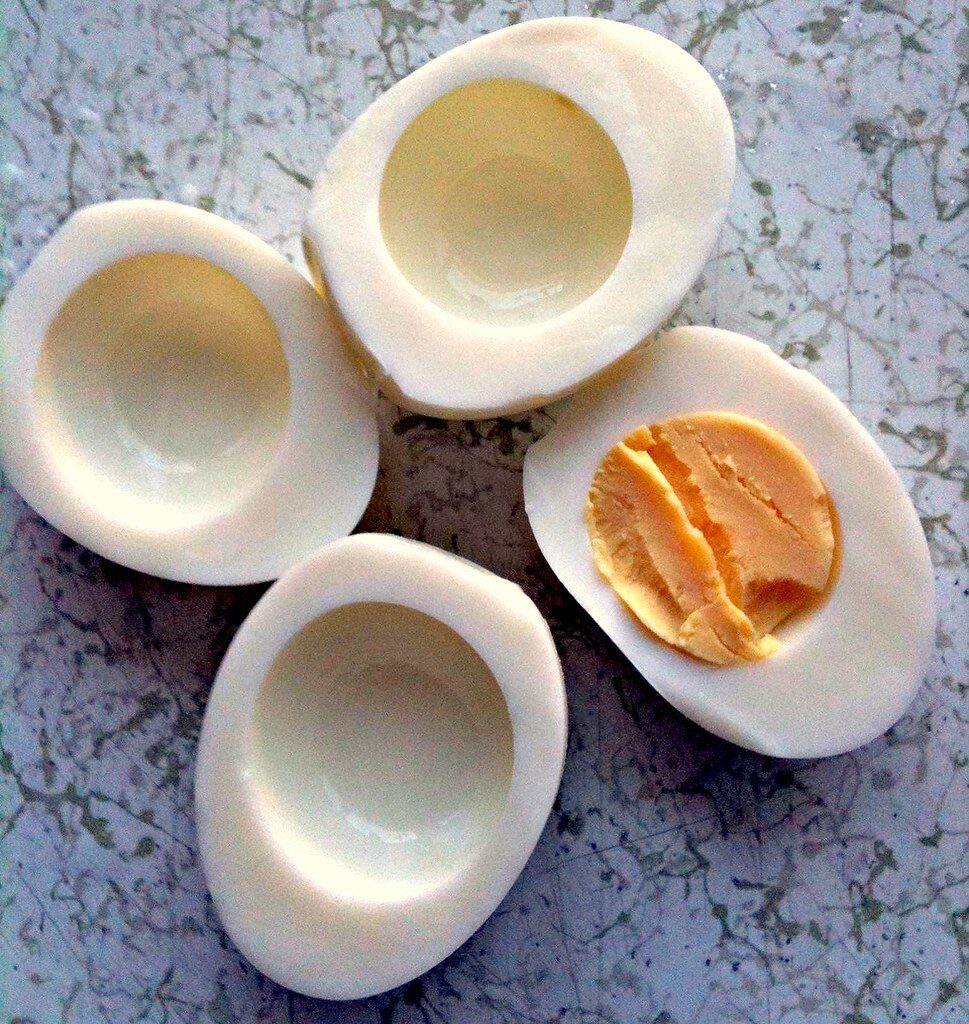
Hard boiled eggs are one of the most practical foods you can keep in your fridge — easy to prep in batches, high in protein, and ready to eat at a moment’s notice. But what happens when you boil too many? The instinct to toss them in the freezer makes sense, but the results can be disappointing if you don’t know the rules first.
The short answer is: yes, you can freeze hard boiled eggs — but only part of them. The yolks freeze reasonably well, while the whites do not. Understanding why that is, and how to handle the process correctly, will save you from a rubbery, watery mess and help you make the most of every egg you cook.
Whether you batch-cooked for meal prep, ended up with a dozen leftover Easter eggs, or simply want to stretch your grocery budget further, this guide covers everything you need to know about freezing hard boiled eggs the right way.
Can You Freeze Hard Boiled Eggs?
You can freeze hard boiled eggs, but only if you keep the cooked yolks. If you freeze the entire egg, the whites will become tough and inedible. This is not a matter of safety — it is purely a texture problem that makes the whites unpleasant to eat.
Hard boiled whole eggs and whites become tough and watery when frozen, so the American Egg Board advises against freezing them. The FDA also notes that eggs should not be frozen in their shells.
Freezing hard boiled eggs is possible, but only the yolk should be frozen. Separating the yolk and egg white is necessary before freezing. If you follow that one rule, you can extend the usable life of your hard boiled eggs well beyond what the refrigerator allows.
It is also worth knowing that for soft-boiled eggs, it is best not to freeze them at all. The partially set whites and runny yolks do not survive the freeze-thaw cycle in any usable form. For more on soft-boiled eggs and food safety, see this guide on eating soft boiled eggs safely.
Pro Tip: If you regularly batch-cook eggs and find yourself with leftovers, consider freezing raw eggs instead. Beat the yolks and whites together, pour into a freezer-safe container, and freeze for up to one year — they thaw with far better texture than cooked whites.
Does Freezing Change the Texture or Taste of Hard Boiled Eggs?
Yes — and the change is dramatic for the whites. Hard boiled eggs do not maintain their original texture when frozen and thawed. Once defrosted, boiled eggs often become tough, rubbery, and watery, which makes them unpleasant to eat.
The yolks are a different story. Egg yolks freeze well if prepared correctly; they become slightly gelatinous but acceptable for many cooked uses such as salads, deviled egg filling, and casseroles. The texture shift in yolks is manageable, especially when the yolks are mashed or crumbled into a dish where you would not notice a slight change in consistency.
As for taste, freezing is unlikely to affect the flavor of raw or cooked frozen eggs. What you lose is texture in the whites — not flavor. The yolks retain their rich, savory taste after thawing, which is why they remain useful in so many recipes.
Egg yolks take on a gel-like texture when frozen. To avoid this, egg yolks should be combined with salt, sugar, or egg whites prior to freezing. This step applies mainly to raw yolks, but it is worth knowing for context. With already-cooked yolks, the gelation is less severe and the yolks remain usable as a crumbled topping or filling ingredient.
How to Freeze Hard Boiled Eggs the Right Way
Freezing hard boiled eggs successfully comes down to one non-negotiable step: separating the yolks from the whites before anything goes in the freezer. Here is the full process:
- Cool the eggs completely. After boiling, transfer the eggs to a bowl of cold water and let them cool fully before handling. Do not rush this step — warm eggs create condensation in the freezer bag, which leads to ice crystals and freezer burn.
- Peel the eggs. Before freezing, decide whether you want to peel the eggs. Peeling them beforehand makes defrosting easier. For freezing purposes, peeling first is the better move.
- Remove the yolks. To avoid the rubbery texture in egg whites, separate the yolks from the whites. Use a teaspoon to gently scoop out the yolk. Alternatively, pierce the white with a knife and pop the yolk out cleanly.
- Discard or use the whites immediately. Remove the shell and the egg white. Egg whites develop an unpleasant, rubbery texture once frozen and should be discarded. If you want to use them, eat them fresh — do not freeze them.
- Arrange the yolks in a single layer. Place the hard boiled egg yolks in a single layer in a freezer-safe container or in a freezer bag, and then remove as much air as possible from the bag.
- Label and date the container. Label and date all packages for future reference. This is especially important if you freeze yolks regularly, so you always know which batch to use first.
Pro Tip: A vacuum sealer removes far more air than pressing a zip-top bag by hand, which means less freezer burn and better texture when you thaw. If you freeze eggs often, it is a worthwhile kitchen investment.
How Long Can You Freeze Hard Boiled Eggs?
The timeline depends on whether you are freezing yolks or the whole egg. You can safely freeze the egg yolks for up to six months. Some sources suggest yolks can last up to a year in the freezer, but quality declines noticeably after the six-month mark.
To still be great, three months is about the limit. After that time they are still safe to eat but start getting the usual issues of anything kept in the freezer a long time, and six months is about the limit mostly for taste and texture, not safety.
For comparison, here is how hard boiled egg storage stacks up across methods:
| Storage Method | Egg Part | How Long It Lasts | Quality Result |
|---|---|---|---|
| Refrigerator (shell on) | Whole egg | Up to 1 week | Best quality |
| Refrigerator (peeled) | Whole egg | Up to 1 week | Good; absorbs odors faster |
| Freezer | Yolk only | Up to 3–6 months (best quality) | Acceptable; slightly gelatinous |
| Freezer | Whole egg or white | Not recommended | Rubbery, watery, unpleasant |
According to the FDA , you should use or eat hard-cooked eggs — in the shell or peeled — within one week after cooking. If you cannot use them within that window, freezing the yolks is your best option for extending their life. For more on the nutritional value of whole eggs, it helps to understand why preserving the yolk matters most.
How to Thaw Frozen Hard Boiled Eggs
Thawing frozen egg yolks is straightforward, but the method matters for both safety and texture. To thaw hard boiled egg yolks, move them from the freezer to the fridge overnight. This slow, cold thaw keeps the yolks safe and prevents them from becoming watery.
Never thaw hard boiled eggs at room temperature. Always use the refrigerator for thawing and cook them thoroughly before eating. Leaving eggs on the counter to thaw creates a window where bacteria can multiply rapidly.
Thaw eggs in the refrigerator, not on the counter, to reduce the risk of bacterial growth. The American Egg Board recommends reheating cooked egg dishes to an internal temperature of 165°F before serving.
Once thawed, use the yolks promptly. Enjoy the eggs within one day of thawing. Do not leave thawed yolks sitting in the fridge for several days — treat them as fresh cooked food from the moment they are defrosted.
Important Note: Never leave cooked eggs or egg dishes out of the refrigerator for more than 2 hours, or for more than 1 hour when temperatures are above 90°F. This applies to thawed yolks just as it does to freshly cooked eggs.
Can You Refreeze Hard Boiled Eggs After Thawing?
No. You should only freeze hard boiled eggs once. If you were to freeze the yolk more than once, it would significantly alter its texture and may even affect its taste.
You should only freeze hard boiled eggs once. If you were to freeze the yolk more than once, it would significantly alter its texture and may even affect its taste. Freezing hard boiled eggs isn’t the best thing to do in the first place, so refreezing is certainly not recommended.
The practical solution is to freeze yolks in small, portioned batches so you only thaw what you need. Use an ice cube tray or small silicone mold to freeze individual yolks, then transfer them to a labeled freezer bag once solid. That way, you pull out exactly the number you need without defrosting the entire batch.
How to Use Frozen Hard Boiled Egg Yolks (Best Uses After Freezing)
Thawed hard boiled yolks work best in dishes where they are mixed, crumbled, or incorporated into a sauce — not served whole. Bakers keep frozen yolks for custards or pastry creams where texture change is masked by cooking. Here are the most practical uses:
- Deviled egg filling: Home cooks freeze mashed yolks for deviled egg filling, then combine with fresh, refrigerated whites when serving. This is one of the most popular uses for frozen hard boiled yolks.
- Salad topping: Crumble thawed yolks over a green salad, grain bowl, or skin-supporting foods like avocado and leafy greens for an easy protein boost.
- Egg salad: Mash thawed yolks with mayonnaise, mustard, and seasoning. The slightly denser texture of thawed yolks blends seamlessly into egg salad.
- Casseroles and baked dishes: Egg yolks also freeze well when first combined with egg whites prior to freezing. The resulting texture works well for making dishes like scrambled eggs, baked goods, and casseroles.
- Garnish: Storing the yolks will allow them to be used as a fun and tasty garnish on many different dishes. Press thawed yolks through a fine sieve to create a bright, crumbly topping for soups or roasted vegetables.
- Sauces and dressings: Mashed thawed yolks can be whisked into Caesar dressing, aioli, or creamy pasta sauces where the yolk adds richness without needing to be perfectly smooth.
What you should avoid is serving thawed yolks on their own as a snack or sliced on a plate. The texture change is noticeable when the yolk is the star of the dish. Use them where they are supporting players, and they perform well. Eggs are also a valuable addition to heart-healthy eating patterns and nutrient-rich diets, so finding ways to minimize waste makes good nutritional sense.
Signs That Frozen Hard Boiled Eggs Have Gone Bad
Even frozen food has a shelf life, and hard boiled yolks are no exception. Here is what to look for before using thawed yolks:
- Sulfur or rotten smell: A sulfuric smell or “off” taste indicates spoilage. If the yolk smells like rotten eggs after thawing, discard it immediately.
- Discoloration: Fresh hard boiled yolks are bright yellow to golden. A grayish, greenish, or dull brown color after thawing is a sign of degradation — especially if paired with an off smell.
- Freezer burn: Yolks with white, dry patches or a leathery surface have suffered freezer burn. They are technically safe to eat but will taste bland and chalky. It is best to discard them.
- Slimy or wet texture: To determine if a hard boiled egg is bad, check for any unpleasant odors, which might indicate spoilage. If the egg smells rotten or sulfurous, discard it. A slimy surface on a thawed yolk is another red flag.
- Past the six-month mark: Even if the yolk looks and smells fine, quality declines significantly after six months. If you cannot remember when you froze them and there is no label, err on the side of caution and toss them.
Label frozen eggs with the date and number of eggs (or yolks/whites) for easy reference. This one habit eliminates most guesswork about whether frozen yolks are still good. If you are interested in how food choices affect your overall health, see our guides on foods that support liver function and foods that promote healthy eyesight.
Important Note: Avoid pushing hard boiled eggs past established windows just because they look fine. The FDA’s one-week limit is your hard stop for refrigerated hard boiled eggs, peeled or shell-on. The same principle applies to frozen yolks — when in doubt, throw it out.
Frequently Asked Questions
Can You Freeze Hard Boiled Eggs in the Shell?
No, you cannot freeze hard boiled eggs in their shell. The shell does not protect the whites from the texture-destroying effects of freezing, and the liquid inside can expand and crack the shell. Always peel and separate before freezing.
Can You Freeze Deviled Eggs?
Not successfully as a finished product. The whites will turn rubbery after thawing. However, you can freeze the yolk filling on its own and assemble deviled eggs with fresh whites when you are ready to serve. Pack the prepared filling in a food storage bag, and the empty egg white halves in a separate sealed container. Transport both the yolk filling and egg whites with ice or frozen coolant packs in an insulated cooler. Assemble by snipping off a corner of the filling bag and squeezing to refill the whites.
How Long Do Hard Boiled Eggs Last in the Fridge?
According to the USDA, hard boiled eggs — whether in the shell or peeled — should be consumed within one week of cooking when refrigerated. Keep them in an airtight container and away from strong-smelling foods, since cooked eggs absorb odors easily.
Is It Safe to Eat a Hard Boiled Egg That Was Accidentally Frozen Whole?
It is safe to eat frozen boiled eggs, but they might not taste great due to the egg white’s rubbery texture. If the shell cracked during freezing, discard the egg. If the shell stayed intact and the egg was frozen accidentally, thaw it in the refrigerator and use the yolk in a cooked dish where texture matters less.
Can You Freeze Egg Salad Made with Hard Boiled Eggs?
Egg salad does not freeze well. The mayonnaise separates and the egg whites turn rubbery, resulting in a watery, unappetizing texture after thawing. Make egg salad fresh and eat it within three to four days from the refrigerator. Refrigerate leftover cooked egg dishes and use within 3 to 4 days.
What Is the Best Way to Store Hard Boiled Eggs If I Am Not Freezing Them?
Leave the shell on until ready to eat — the shell provides a physical barrier against bacteria and moisture loss. Store peeled hard boiled eggs submerged in cold water in a covered container, changing the water daily, or in a sealed container with a damp paper towel. Either method keeps peeled eggs fresh and prevents them from drying out. You can also explore whole plant-based foods and other nutrient-dense options to round out your meal prep routine alongside eggs.