How Much Does It Cost to Build a House in Florida? A Real Numbers Breakdown

October 18, 2026
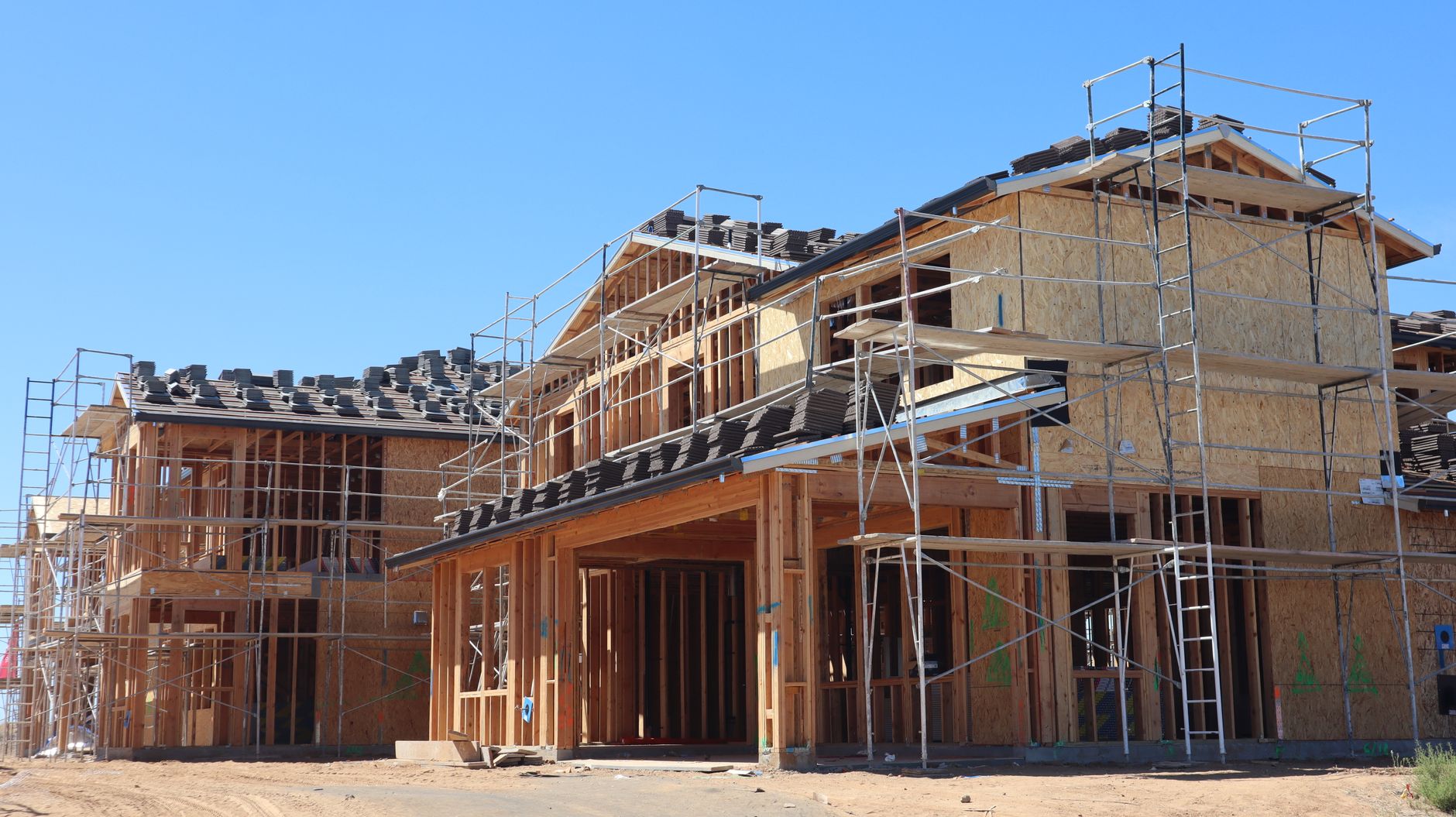
Florida’s sunshine, no state income tax, and strong population growth make it one of the most popular states in the country to plant roots — but building a home here comes with a distinct set of financial realities. Hurricane codes, coastal lot premiums, labor shortages, and county-by-county permitting rules all push your budget in ways that a simple per-square-foot number can’t fully capture.
If you’re weighing whether to build or buy, trying to figure out how much to set aside, or just want to understand where every dollar goes, this guide breaks down the real cost to build a house in Florida — from land and permits to finishes and financing — so you can plan with confidence.
Average Cost to Build a House in Florida
The cost to build a house in Florida is $350,000 to $600,000 on average, not including the cost for the land and site prep. That range reflects a wide spectrum of home types, finish levels, and locations across the state, so your actual number will depend heavily on where you build and what you want.
According to the U.S. Census Bureau, the average cost to build a house in Florida in 2025 is $300,000, with costs varying based on location, home size, and customization preferences. Keep in mind that figure represents a statewide average and may not reflect the full cost once land, permits, and site work are added in.
A 2,000 square foot home usually costs $300,000 to $700,000 across Florida. In South Florida’s coastal markets, the same size often climbs to $800,000–$1 million or more because of impact-rated materials, premium labor rates, and stricter structural codes.
Key Insight: Per-square-foot estimates typically cover base construction — framing, roofing, insulation, and essential systems. They do not include land, permits, site prep, or interior furnishings, which can add tens of thousands of dollars to your total.
With current 2025–2026 material and labor costs, building a house in Florida for $100,000 is not feasible. Even the smallest basic builds typically start closer to $150,000–$180,000, excluding land and permits.
Cost to Build a House Per Square Foot in Florida
New home construction costs in Florida range from $180 to $400 or more per square foot, depending on the location, house size and style, and your design and material choices. Here is how that range breaks down by build type:
| Build Type | Cost Per Square Foot | Notes |
|---|---|---|
| Prefab / Modular | $100–$200 | Standardized manufacturing; transportation and site prep add cost |
| Builder-Grade / Standard | $180–$280 | Limited floor plans, standard finishes |
| Semi-Custom / Mid-Range | $250–$400 | Upgraded finishes, more design flexibility |
| Custom Home | $280–$500+ | Granite countertops, hardwood floors, high-end fixtures |
| Luxury / Coastal Custom | $500–$1,000+ | Imported materials, bespoke architecture, South Florida codes |
The cost to build a house in Florida is $180 to $280 per square foot for a basic, builder-grade home with standard finishes. Builders typically offer these homes in a limited number of styles and floor plans. The average cost to build a custom home in Florida is $280 to $400 per square foot for a house with upgrades like granite countertops and hardwood floors or high-end fixtures and finishes.
Location within the state shifts these numbers significantly. Tampa and Sarasota homes average $170–$200 or more per square foot, while inland Manatee builds still start near $110 per square foot. In hotspots like Cape Coral and Fort Myers, you should realistically budget for $200–$350 per square foot — a premium that comes from higher land prices and the necessity of building to stringent hurricane codes.
Pro Tip: Always add a 10–20% contingency buffer on top of your base construction estimate to account for change orders, material price swings, and unexpected site conditions.
Cost Breakdown: What You’re Actually Paying For in Florida
Understanding where your money goes helps you spot where you can save — and where cutting corners will cost you more in the long run. Construction costs fall into two broad categories: hard costs (physical materials and labor) and soft costs (permits, design fees, and site work).
Materials make up about 50% of the total cost to build a house. Budget between $135,000 and $280,000, or an average of $150,000 for materials when building a new house in Florida, plus up to 20% for overage and wastage. Labor is the second largest cost factor, accounting for about 40% of your total cost — translating to roughly $120,000 in labor for an average $300,000 Florida home.
Here is a phase-by-phase look at what drives those costs:
- Foundation: A concrete slab foundation costs $6 to $14 per square foot, or $12,000 to $40,000 total on average. Coastal and lakefront homes may require a pier foundation to raise the home’s height and protect it from flooding, costing $14,000 to $28,000.
- Framing and Roofing: The average cost to frame a house is $35,000 to $75,000 total, including roof trusses. New roof installation costs $10,000 to $25,000 total, depending on the material. Asphalt shingles, a popular choice in Florida, fall within this price range and last 15 to 30 years.
- Electrical: The average cost to wire a new house is $12,000 to $20,000 total. Costs fall on the higher end if your house has a complex layout or requires a high-capacity electrical service panel.
- Plumbing: Installing new plumbing costs $12,000 to $25,000, depending on the home size and the pipe material used. Rough-in plumbing includes installing pipes, connections, drain lines, water supply lines, and vents.
- HVAC: The HVAC system can range in cost from $7,000 to $16,000 depending on the size of the house.
- Cabinets and Countertops: Cabinets cost $150 to $500 per linear foot, or $4,500 to $15,000 or more total. New countertops cost $50 to $150 per square foot with installation, depending on the material.
- Flooring: Flooring costs $4 to $15 per square foot on average, or $8,000 to $30,000 total.
- Exterior / Siding: Siding for a house costs $12,000 to $35,000 or more with installation. Vinyl and aluminum siding are affordable options. Stucco costs $7 to $17 per square foot and is another popular choice for Florida homes.
Important Note: Florida’s hurricane codes require impact-resistant windows and reinforced structural components in many zones. Windows and doors cost $16,000 to $50,000 with installation — and in coastal areas, impact-rated versions push that figure higher.
Beyond the physical build, building permit fees in Florida typically range from $5,000 to $10,000, covering necessary inspections and regulatory compliance for residential construction. You should also budget at least $20,000 for interior furnishings once construction wraps up. If you’re considering adding a greenhouse or outdoor structure to your property, you can explore how much it costs to build a greenhouse as a separate line item.
Cost of Land in Florida
Land is one of the biggest variables in your total budget — and one that per-square-foot construction estimates almost never include. The average cost of land in Florida is $30,000 to $50,000 or more per acre, depending on the location. Home lots in Florida’s major cities often cost much more, and prices for oceanfront lots can easily exceed $500,000 per acre.
The inland-versus-coastal divide is dramatic. North Central Florida offers some of the state’s most affordable land at $20,000–$50,000 per acre, while Gulf and Atlantic coastal counties often exceed $100,000 per acre.
Once you’ve purchased land, preparation adds another layer of cost. Clearing and grading usually runs $1,500–$3,000, but if your lot needs elevation — especially in flood zones — you may spend $8,000–$20,000 or more on fill and stem walls. A land survey costs $400 to $1,800 on average for new construction. The surveyor will mark property boundaries, utilities, and the proposed foundation borders.
| Florida Region | Typical Land Cost Per Acre | Notes |
|---|---|---|
| North Central Florida | $20,000–$50,000 | Most affordable; simpler permitting |
| Central Florida (Orlando area) | $34,900 avg. | Mid-range; strong demand |
| Southwest Florida (Cape Coral, Fort Myers) | $100,000+ | Hurricane codes; coastal premiums |
| South Florida (Miami, Fort Lauderdale) | $100,000–$500,000+ | Highest costs; strictest codes |
| Oceanfront / Beachfront | $500,000+ | Scarce inventory; flood zone requirements |
If you’re comparing housing costs across Florida cities before committing to a location, it’s worth reviewing what apartments cost in Orlando or what apartments cost in Miami to get a sense of the broader market in each region.
Factors That Affect Building Costs in Florida
Florida’s construction market is shaped by forces you won’t encounter in most other states. Location, lot conditions, hurricane-resistant materials, labor availability, and architectural complexity shape most build budgets. Here is a closer look at the key variables:
Location and Coastal Zoning
Location is a huge factor in the cost to build a house in Florida. Land and construction costs are lower in the state’s more rural areas and highest in beachfront locations or major cities like Miami and Tampa. Waterfront zones in Miami-Dade, Broward, and Palm Beach command higher costs due to stricter codes, elevated foundations, and increased labor demand.
Hurricane Codes and Storm-Resistant Construction
Florida’s building codes are among the most rigorous in the nation. Wood framing is the cheapest upfront but least durable in hurricanes. CMU (concrete block) is a common mid-range option, solid but not highly energy efficient. ICF (Insulated Concrete Forms) costs more upfront but offers superior storm resistance, energy savings, and long-term value.
Home Size and Design Complexity
It is a common misconception that smaller homes are always cheaper. In fact, smaller homes can cost more per square foot, especially if you want custom features in a tighter footprint. Two-story homes add costs for engineering, framing, and sometimes foundation reinforcement. Complex layouts — think multiple rooflines or split-level designs — bump up labor and design fees.
Labor and Material Market Conditions
Florida homebuilding costs have shifted fast, with construction prices still 5–8% higher than the prior winter, driven mostly by labor shortages, concrete demand, and ongoing supply-chain drag in coastal counties. High demand for construction boosts labor wages to $50–$75 per hour.
Architect and Professional Fees
The average cost to hire an architect is $2,200–$12,000. For a fully custom home, architectural fees can run 5–15% of the total construction cost. Engineering, soil testing, and environmental assessments add further to your soft-cost total.
Common Mistake: Many builders quote a per-square-foot price that covers only base construction. Always ask for an itemized bid that separates labor, materials, permits, site prep, and finishes — so you’re comparing apples to apples when evaluating contractors.
Building vs. Buying a House in Florida
The build-versus-buy question in Florida doesn’t have a universal answer — it depends on your timeline, budget, and priorities. Depending on the home size, style, and location, it is usually cheaper to buy a house than build one in Florida. But the long-term picture is more nuanced.
According to the most recent real estate market data, the median sale price for single-family homes in Florida is $430,000. Compare that to the cost of building, and the gap can be smaller than you’d expect — especially once you factor in land and permits on the build side.
| Factor | Building a House | Buying a House |
|---|---|---|
| Typical Cost Range | $350,000–$700,000+ (excl. land) | $270,000–$560,000 (existing homes) |
| Timeline | 9–12 months (standard build) | 1–2 months to close |
| Customization | Full control over design and finishes | Limited to what’s available |
| Condition | Brand new; modern systems and codes | May need updates or repairs |
| Insurance Costs | Lower with storm-rated construction | Varies by age and condition of home |
| Long-Term Value | Higher ROI if built in growth markets | Immediate equity; faster move-in |
Building a house in Florida takes 4 to 12 or more months, depending on the home size, style, and whether you go with an existing model home or a custom design. That timeline means months of rent or carrying costs while you wait — a real financial consideration.
Whether it’s cheaper to buy or build a house in Florida depends on location, home prices, and quality expectations. In many Florida markets, spec homes or homes for sale may cost less upfront than building a custom home. Building is often more cost-effective long-term, especially when land acquisition is affordable and construction loans are structured efficiently.
If you’re renting while you decide, it’s worth comparing what housing costs in other Florida markets. Check out what apartments cost across Florida or look at specific city breakdowns like Orlando apartment costs and Miami apartment costs to benchmark your current housing spend against your build timeline.
How to Save Money When Building a House in Florida
Building in Florida doesn’t have to mean blowing your budget. The builders and buyers who come out ahead are typically those who plan early, make strategic decisions about location and design, and avoid the most common cost traps.
Choose Your Location Strategically
Construction costs are not uniform across the state. Where you build can make a big difference in your budget. Coastal areas and major cities tend to be more expensive, while central and northern Florida are generally more affordable. Building just 30–50 miles inland can save you six figures on land alone.
Simplify Your Design
Choose simpler designs to save on labor and materials. A straightforward rectangular or L-shaped floor plan with a single roofline costs significantly less to engineer and frame than a multi-gabled custom design. Every additional roofline, bay window, and custom angle adds to both labor hours and material waste.
Consider Modular or Prefab Construction
Modular construction is an option gaining ground. While not always cheaper, modular builds offer predictable costs and faster timelines. Standard builds take 9–12 months; modular builds take 5–7 months. That shorter timeline reduces your carrying costs and financing exposure during construction.
Get Multiple Bids and Itemized Quotes
Compare multiple builder bids to find the best value. Ask every contractor for a line-item breakdown that separates materials, labor, permits, and subcontractor costs. Vague lump-sum bids make it nearly impossible to identify where you can trim without sacrificing quality.
Lock In Builder-Grade Finishes Where They Don’t Matter
Choose standard finishes where possible for cost efficiency. Save your upgrade budget for the rooms and features you use most — kitchens, primary bathrooms, and outdoor living spaces — and stick with builder-grade selections in secondary bedrooms, hallways, and utility areas.
Invest in Storm-Resistant Features Upfront
Storm-ready construction features do more than give you peace of mind — they can have a direct, positive impact on your homeowner’s insurance premiums. A well-built, storm-ready home can lead to serious savings year after year. In Florida’s insurance market, this is not a minor consideration.
Start Permits Early and Plan for Delays
Start permitting early and communicate frequently with your builder to minimize surprises. Permit delays are one of the most common causes of construction timeline overruns in Florida, particularly in coastal counties and high-density cities where review queues are long. Common causes of delays include weather interruptions, especially during hurricane season, and labor shortages or contractor scheduling conflicts.
Pro Tip: Add 10–20% contingency for change orders, upgrades, and small overruns. On a $400,000 build, that means keeping $40,000–$80,000 in reserve — money you may never need, but will be very glad to have if the unexpected happens.
Explore Financing Options Early
Construction-to-permanent loans finance the build phase, then convert to a traditional mortgage after completion. Expect higher interest rates during construction. Locking in your financing before breaking ground protects you from rate increases that can significantly alter your monthly payment over the life of the loan.
If you’re researching housing costs in other states or cities as you weigh your options, these guides can help you compare markets: North Carolina apartment costs, Ohio apartment costs, Michigan apartment costs, and Louisiana apartment costs. For those comparing high-cost coastal markets, see San Francisco apartment costs and Manhattan apartment costs.
Building a house in Florida is a significant financial undertaking, but it’s one you can navigate successfully with the right information. The key is going in with realistic numbers, a detailed budget that accounts for land, permits, and soft costs, and a contractor relationship built on transparency. Whether you’re drawn to a modest inland build or a custom coastal home, understanding the full picture of what you’re actually paying for puts you in a far stronger position before the first shovel hits the ground.