Why Are Your Hydrangea Leaves Turning Yellow? Causes and Fixes

August 28, 2026
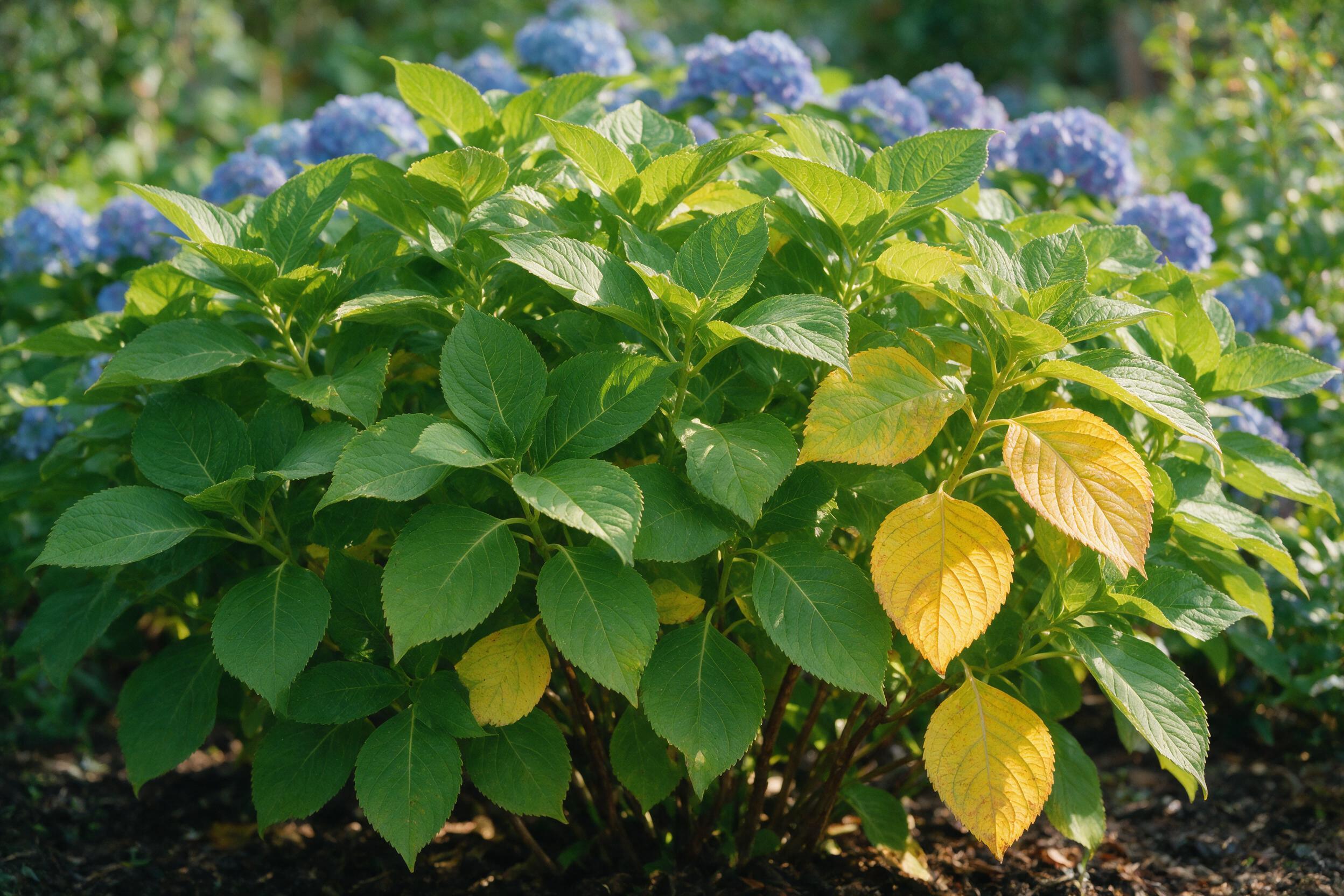
Few things are more frustrating than watching your hydrangea’s lush green leaves fade to yellow, especially when the plant was thriving just weeks before. The good news is that yellow leaves are one of the most common issues home gardeners face with these popular shrubs, and in most cases, the problem is very fixable once you know what you’re looking for.
Whether you’re growing a classic bigleaf variety in a shady border or a panicle type in a sunny backyard bed, the causes of yellowing are largely the same: watering habits, light exposure, soil chemistry, environmental stress, or pests and disease. This guide walks you through every possible reason your hydrangea leaves are turning yellow and gives you clear, actionable steps to bring your plant back to full health.
What Does It Mean When Your Hydrangea Leaves Are Turning Yellow?
Yellowing leaves on hydrangeas can indicate several underlying issues, including environmental stress, nutrient deficiencies, improper watering, or pest infestations. The scientific term for leaf yellowing is chlorosis, which refers to a reduction in the leaf’s chlorophyll — the pigment that keeps foliage green and powers photosynthesis.
When your hydrangea has an iron deficiency, the leaves turn yellow while the leaf veins usually remain green — this is known as chlorosis. Iron is one of the central components in the production of chlorophyll, which is fundamental to photosynthesis. But iron deficiency is just one of many possible triggers.
The key to solving the problem is reading the pattern of yellowing. Are the oldest leaves affected, or the newest? Is yellowing uniform across the whole leaf, or are the veins still green? Does it appear on one side of the plant or throughout? These visual clues point directly to the cause, and the sections below will help you decode them. You can also use a plant identification app to help narrow down what you’re seeing.
Is Yellowing in Hydrangeas Always a Sign of a Problem?
Not always. Sometimes yellow leaves are completely normal, and panicking can lead you to over-treat a plant that doesn’t need intervention.
It is natural for hydrangeas to shed older leaves as part of their growth cycle. These leaves may turn yellow and drop off, especially at the base of the plant. Pruning yellowing leaves if they are unsightly is fine, but this is generally not a cause for concern.
When you see your hydrangea foliage starting to change color and turn yellow — a process called chlorosis — you might think your plant is dying from some plant disease or being mistreated, but in fact, the opposite can be true. It’s common to see panicle hydrangea leaves, particularly the ones on the interior of the shrub, yellowing and dropping off, especially at the very beginning of bloom season — and this is actually a clever survival mechanism of this particular plant.
What your hydrangea is doing when you see these types of yellow leaves is putting energy into the most important task: creating those big, beautiful blooms. So if you notice interior leaves yellowing on an otherwise healthy panicle hydrangea just before it flowers, relax — it’s working as intended.
Pro Tip: Check where the yellow leaves are located first. Yellow leaves at the base or interior of a healthy-looking plant are usually just natural aging. Yellow leaves spread across new growth or the outer canopy almost always signal a real problem worth investigating.
Watering Issues Causing Hydrangea Leaf Yellowing
Watering mistakes — both too much and too little — are among the most common reasons hydrangea leaves turn yellow. The tricky part is that both problems can look similar at first glance, so checking the soil is always your first move.
Overwatering
Hydrangeas thrive in moist, well-drained soil, but too much water can suffocate the roots. When the roots cannot absorb oxygen properly, the plant struggles to take up nutrients, causing the leaves to turn yellow. This is a common issue in heavy soils that retain water or with overzealous watering practices.
If your soil feels consistently soggy or the pot has no drainage holes, overwatering is likely the culprit. Make sure the soil drains well and does not remain soggy. Water only when the top inch of soil feels dry. If the plant is in a pot, use containers with drainage holes to prevent waterlogging.
Underwatering
One of the most common reasons why hydrangea leaves turn yellow is a lack of water. Hydrangeas require consistent moisture to thrive, and if they don’t receive enough water, their leaves may start to turn yellow as a result of dehydration.
On an underwatered plant, the leaves will droop first, before turning yellow. A plant that is allowed to droop over and over again is under a lot of stress and will slowly become unhealthy. Generally, hydrangeas need about 1 inch of water per week, either from rainfall or manual watering.
Water deeply, especially during dry spells. Apply mulch around the base to retain moisture. A 2–3 inch layer of organic mulch like shredded bark or wood chips is ideal for US gardens, especially in hot summer climates across the South and Southwest.
Pro Tip: Push your finger about an inch into the soil near the base of the plant. If it’s bone dry, water immediately. If it’s wet and cold, hold off and check drainage. That one simple test saves most hydrangeas from both overwatering and underwatering.
Light Conditions Behind Hydrangea Leaf Yellowing
Where your hydrangea sits in your yard plays a bigger role in leaf health than many gardeners realize. Both too much direct sun and too little light can cause yellowing, though they show up differently.
To prevent yellowing leaves due to too much direct sunlight, provide your hydrangea with the right amount of sun exposure. In general, hydrangeas prefer partial shade or filtered sunlight, especially in hot climates. If your hydrangeas are in a location that receives too much direct sunlight, try providing them with shade cloth or moving them to a more shaded location.
Leaf scorch on hydrangea is a common physiological problem. Typical symptoms include yellowing leaves or irregular dry, brown blotches. Leaf tips and margins may turn brown as well. Leaf scorch results when the leaves lose water faster than it can be supplied by the roots. Common causes include inadequate watering, exposure to strong light, high temperatures, or dry, windy conditions.
Leaf scorch is most common on leaves farthest from the roots and those most exposed to harsh conditions — often the top of the plant and the sunniest side are most affected. If that pattern matches what you’re seeing, moving the plant or adding afternoon shade is the fix.
The ideal amount of sun for hydrangea is partial sunlight, which provides around six hours of sunlight per day. Morning sun with afternoon shade is the sweet spot for most varieties grown across the United States. For more guidance on pairing your hydrangea with the right garden companions, explore low-light plant options that can fill shaded spots nearby.
Soil, Nutrients, and Root Health Causing Hydrangea Leaf Yellowing
Soil chemistry is one of the most overlooked causes of yellow hydrangea leaves, and it’s especially relevant for US gardeners in regions with naturally alkaline or clay-heavy soils.
Soil pH Problems
If the pH level of the soil is too high or too low, it can cause yellow leaves. Hydrangeas prefer a slightly acidic soil with a pH level between 5.0 and 6.2. Soil pH acts as a gatekeeper for nutrients and has a direct say in which nutrients the roots can pull in — iron is one of the most sensitive to it. In acidic soil, iron remains in a liquid-friendly state, readily available and moving easily into the roots.
When soil becomes too alkaline — which happens gradually in many US garden beds, especially after years of using tap water or lime-based amendments — iron gets chemically locked out even when it’s physically present in the soil. When the soil pH is too high, hydrangeas may not be able to absorb enough iron, which can cause their leaves to turn yellow. This condition is known as iron chlorosis. Iron is an essential micronutrient that plays a critical role in the production of chlorophyll, which is necessary for photosynthesis. When a plant can’t absorb enough iron, it can’t produce enough chlorophyll, which can cause the leaves to yellow.
Nutrient Deficiencies
The pattern of yellowing tells you which nutrient is missing:
- Iron deficiency: The young leaves turn yellow while the thick leaf veins remain green at first.
- Nitrogen deficiency: Nitrogen deficiency starts on the oldest leaves, causing them to turn completely yellow with no green leaf veins.
- Magnesium deficiency: Magnesium deficiency also first appears on the older leaves, but the leaf veins remain green.
Barbara Arnold, senior horticulture designer at Franklin Park Conservatory and Botanical Gardens, says the most likely cause of all-over yellowing is a nitrogen deficiency, usually seen on older leaves. To tackle it, she recommends applying a well-balanced fertilizer (such as one with an NPK of 5-5-5) or compost into the soil.
For iron deficiency specifically, chelated iron is iron that has been wrapped in an organic molecule (a chelate) that acts like a protective coating. This prevents the iron from bonding with the soil and turning into an unusable solid — it essentially delivers the iron directly to the plant roots in a form they can absorb, even if the soil pH is far from perfect.
Key Insight: A common myth holds that burying rusty nails near hydrangeas fixes iron deficiency. According to Gardening Know How , rust releases far too slowly to help a struggling plant, and alkaline soil will lock it up before roots can ever access it. Use chelated iron instead.
Root Health and Drainage
Even the best fertilizer won’t help a plant with compromised roots. Leaf scorch and yellowing can also occur as a result of damaged roots or stems, such as from an injury, compacted soils, or overwatering or overfertilization. If you suspect root rot from chronic overwatering, carefully lift a potted plant and inspect the roots — healthy roots are white and firm, while rotted roots are brown, mushy, and may smell sour.
Amending compacted soil with compost improves both drainage and nutrient availability. To fix soil deficiencies, amend the soil with compost or other organic matter. This is especially helpful in heavy clay soils common across much of the US Midwest and Southeast. For a broader look at plant care fundamentals, the types of plants guide offers helpful context on how different species respond to soil conditions.
Environmental Stress Triggering Hydrangea Leaf Yellowing
Beyond watering and nutrients, the conditions around your hydrangea — temperature swings, wind, and seasonal transitions — can all trigger yellowing that has nothing to do with soil chemistry.
Sudden changes in temperature can cause hydrangea leaves to yellow. Excessive heat or cold snaps may stress the plant, leading to yellowing and wilting of foliage. Hydrangeas are particularly sensitive to frost damage, which affects leaf health.
Sudden temperature changes can also cause hydrangea leaves to turn yellow. Hydrangeas do not like drafts, winds, or cold temperatures. If the plant is in a drafty or windy location, the leaves will turn yellow. This is especially worth noting for container hydrangeas placed near air conditioning vents or heating units, which is common in US homes.
Protect plants from frost with covers during unexpected cold spells. Provide partial shade in hot climates to prevent heat stress. In warm-weather states like Florida, Texas, and California, afternoon shade is not optional — it’s essential for keeping foliage green through summer. You can find regionally adapted plant options in this guide to drought-tolerant plants in Florida.
Transplant shock is another environmental stressor that often gets overlooked. When you move a hydrangea — either from a pot into the ground or from one spot in the yard to another — the root disturbance can temporarily interrupt nutrient uptake, causing leaves to yellow for a few weeks. In most cases, consistent watering and avoiding fertilizer for the first month after transplanting allows the plant to recover on its own.
Pests and Disease Leading to Hydrangea Leaf Yellowing
While pests and disease are less common causes of yellowing than watering or nutrient issues, they do occur — and they tend to get worse quickly if left untreated.
Spider Mites
Spider mites are minuscule spider-like pests notorious for damaging plants by feeding on the sap within the leaves and stems. They thrive in hot, dry conditions and can multiply rapidly, often creating fine webs on infested plants. Affected plants exhibit yellow, stippled leaves from the mites’ feeding, progressing to bronze or reddish discoloration with heavy infestation.
Spider mites are most active during hot, dry weather — which means summer in most of the United States is peak season. Check the undersides of leaves for tiny moving dots and fine webbing. Apply insecticidal soap or neem oil for stubborn cases, ensuring full coverage. Repeat weekly until the infestation is under control.
Aphids and Scale Insects
Pests such as aphids, spider mites, and scale insects can weaken hydrangeas by feeding on their sap. Aphids cluster on new growth and the undersides of leaves, leaving behind a sticky residue called honeydew. Scale insects can be a more difficult challenge because of their hard protective coverings, which guard them from many insecticides. Attaching themselves to hydrangea stems and leaves, they feed on the sap, weakening the plant. Scales may show as little brown, oval-shaped lumps on the surfaces of the plant, with infested plants usually showing yellowing leaves and a general loss of vigor.
Fungal Diseases
Several fungal diseases cause spotting of leaves on hydrangeas. Symptoms may include brown, black, or gray spots or angular blotches, sometimes surrounded by a reddish or purple halo. Spotting may range from mild to severe, and severely affected leaves may turn yellow and drop from the plant.
According to the University of Connecticut Extension , a common leaf spot disease in the northeast is caused by the fungus Cercospora, which forms tan spots with reddish brown borders on the leaves. Powdery mildew is a fungal disease that appears as a white or gray powdery coating on the leaves and stems. It typically occurs in warm, dry environments and is more prevalent when nights are cool and humid. Severely affected leaves can yellow and fall prematurely.
Improve air circulation around your plant, avoid wetting the foliage when watering, and remove infected leaves promptly. Inspect plants regularly for pests and use insecticidal soap if needed. Improve air circulation to prevent fungal infections. For more on managing garden pests that interact with your plants, see this resource on plants that repel wasps and other unwanted visitors.
How to Diagnose Why Your Hydrangea Leaves Are Turning Yellow
Before you treat anything, take five minutes to observe the plant carefully. The pattern of yellowing is your most reliable diagnostic tool.
| Symptom Pattern | Most Likely Cause | Where to Look First |
|---|---|---|
| Oldest/lower leaves turn fully yellow, no green veins | Nitrogen deficiency | Soil nutrients, fertilizer schedule |
| New/young leaves yellow with green veins remaining | Iron deficiency (chlorosis) | Soil pH — likely too alkaline |
| Older leaves yellow with green veins remaining | Magnesium deficiency | Soil test for magnesium levels |
| Yellowing with brown tips or scorched edges | Heat/sun stress or underwatering | Sun exposure, watering frequency |
| Yellow, stippled leaves with fine webbing | Spider mites | Undersides of leaves |
| Yellow leaves with spots, halos, or powdery coating | Fungal disease | Leaf surfaces, air circulation |
| Interior/base leaves yellow, plant otherwise healthy | Natural aging or bloom-season energy shift | No action needed in most cases |
| Widespread yellowing after recent move or planting | Transplant shock | Roots, watering consistency |
After observing the pattern, check the soil. To determine if your soil is the problem, test the pH and nutrient levels in early spring. You can buy a soil test kit so you know exactly what your hydrangea needs. Many US county cooperative extension offices also offer inexpensive soil testing services — a worthwhile investment before adding any amendments.
If you’re unsure what you’re looking at, a plant identification app for Android or an iPhone plant app can help you cross-reference symptoms with known conditions.
How to Fix a Hydrangea That Is Turning Yellow
Once you’ve identified the cause, here’s how to address it effectively. Work through this list based on your diagnosis above.
- Adjust your watering: Ensure the soil drains well and does not remain soggy. Water only when the top inch of soil feels dry. For in-ground plants, deep, infrequent watering is better than light daily watering.
- Fix soil pH: Test the soil’s pH level using a soil test kit. If the soil is too alkaline, add sulfur or acidic mulch. If the soil is too acidic, amend with lime to raise the pH.
- Address iron deficiency: Applications of iron chelate can be used as a short-term solution. For a longer-term fix, lower the soil’s pH, as an iron deficiency can happen when the soil pH is too high.
- Fertilize for nitrogen: Use a balanced, slow-release fertilizer to ensure adequate nitrogen. Apply according to package directions — overfertilizing can burn roots and make yellowing worse. Follow recommended fertilizer guidelines and avoid overapplication. Use a balanced fertilizer to prevent excessive nitrogen buildup. Flush the soil with water if over-fertilization is suspected.
- Treat pests: For spider mites, spray the undersides of leaves with a strong stream of water first, then follow up with neem oil or insecticidal soap. For scale insects, use horticultural oil applied directly to the affected stems.
- Manage fungal disease: Remove and dispose of (do not compost) infected leaves. According to Washington State University Extension , leaf spot diseases on hydrangea are seldom severe enough in the home landscape to warrant chemical control — improved air circulation and dry-foliage watering practices are usually sufficient.
- Relocate if needed: To fix wind or temperature stress, move your hydrangea to a more protected location. A great spot might be near a building or house where it can get protection from the wind.
Important Note: Never apply multiple amendments at once. Change one variable at a time — adjust pH, then wait two weeks before adding fertilizer. Stacking treatments makes it impossible to know what worked and can shock the plant further.
How to Prevent Hydrangea Leaf Yellowing Going Forward
Prevention is far easier than treatment, and most of it comes down to getting the basics right from the start. Here’s what to keep consistent throughout the growing season.
- Choose the right location: A lot of hydrangea success comes from choosing the right location. They don’t like too much sun or too little sun. The ideal amount of sun is partial sunlight, providing around six hours per day.
- Start with the right soil: The best way to prevent iron deficiency chlorosis in hydrangeas is to plant them in suitable acidic soil. When planting in a bed, mix in some peat or ericaceous compost and check the pH value once a year.
- Mulch consistently: Apply an organic mulch over the root zone to help maintain soil moisture. This also moderates soil temperature and gradually acidifies the soil as it breaks down — a double benefit for hydrangeas.
- Fertilize annually: Fertilize your hydrangea every year since the soil’s nutrients can be depleted over time. This keeps the soil healthy and the plant less likely to experience problems.
- Test soil pH yearly: The compost mixture around the plants will influence the pH value of the soil over time and the pH may rise again. To determine the pH value of your soil, do a pH test — you can buy testing kits from a variety of suppliers online or in garden centers and hardware stores.
- Water at the base: Keeping foliage dry when watering dramatically reduces the risk of fungal leaf spot and powdery mildew. Use a soaker hose or drip irrigation when possible.
- Inspect regularly: Check the undersides of leaves every week or two during summer. Catching spider mites or aphids early — before populations explode — makes treatment much simpler.
Healthy hydrangeas are also more resistant to the pests that target stressed plants. If you’re building out a garden bed, consider pairing your hydrangeas with companion plants that naturally deter insects, and explore pest-repelling plant options for the surrounding garden. Understanding the types of leaves your plants produce can also help you spot early signs of stress before they become serious problems.
FAQ
Why are only the new leaves on my hydrangea turning yellow?
If it’s just new leaves turning yellow with the veins remaining green, a lack of iron is likely to blame. This condition is also known as chlorosis. Test your soil pH — if it’s above 6.5, the iron is being chemically locked out. Apply chelated iron as a short-term fix and lower the soil pH for a long-term solution.
Can too much fertilizer cause yellow leaves?
Yes. Over-fertilizing can burn roots and interfere with nutrient uptake, causing leaves to yellow just as effectively as under-fertilizing. Follow recommended fertilizer guidelines and avoid overapplication. Use a balanced fertilizer to prevent excessive nitrogen buildup. Flush the soil with water if over-fertilization is suspected.
My hydrangea leaves are yellow and drooping — what’s wrong?
Drooping before yellowing usually points to underwatering or heat stress. You don’t want your hydrangea to totally dry out. On an underwatered plant, the leaves will droop first, before turning yellow. Water deeply, add mulch, and move the plant to a spot with afternoon shade if temperatures are consistently above 90°F.
Should I remove yellow leaves from my hydrangea?
Prune yellowing leaves if they are unsightly, but for leaves that are yellowing due to natural aging, this is generally not a cause for concern. Monitor the plant to ensure new growth remains healthy. If the yellowing is caused by disease, remove and dispose of affected leaves promptly to prevent spread — do not add them to your compost pile.
Why are my panicle hydrangea leaves turning yellow before it blooms?
When you see your hydrangea foliage starting to change color and turn yellow — a process called chlorosis — you might think your plant is dying, but in fact the opposite can be true. It’s common to see panicle hydrangea leaves, particularly on the interior of the shrub, yellowing and dropping off especially at the beginning of bloom season — this is actually a clever survival mechanism. When you see those yellow leaves, it’s a clue that now is the perfect time to feed your plant because blooms are forming and any energy you give it will go into bloom creation.
How do I know if my hydrangea has root rot?
Root rot typically follows chronic overwatering and shows up as widespread yellowing that doesn’t improve with any treatment. The soil will stay wet even days after watering. For potted plants, remove the plant from its container and inspect the roots — healthy roots are white and firm, while rotted roots are brown, soft, and may smell unpleasant. Trim away any rotted roots with clean scissors, repot in fresh well-draining soil, and reduce watering frequency going forward.