Traditional Yugoslavian Breakfast: 12 Dishes Still Served Across the Balkans

November 22, 2026
Long before the countries of the former Yugoslavia split into Serbia, Croatia, Bosnia and Herzegovina, Montenegro, North Macedonia, and Slovenia, one thing united kitchens across the region: a hearty, dairy-rich morning meal built to carry farmers and factory workers through a long day. A traditional Yugoslavian breakfast rarely looks like cereal or a quick coffee on the run. It usually means warm bread, a spoon of clotted cream, and a pot of coffee that nobody rushes.
These 12 dishes are still served every morning across the successor states, from city apartments in Belgrade to mountain villages in Montenegro. Several share roots with traditional Greek foods and with Albanian food culture, a reminder that Balkan breakfast traditions rarely respect modern borders.
Important Note: Yugoslavia dissolved in the early 1990s, so these dishes are now claimed, cooked, and lovingly argued over by several independent nations. The recipes below reflect shared regional heritage rather than a single country’s cuisine.
| Dish | Main Ingredients | Typical Region |
|---|---|---|
| Burek | Phyllo dough, meat or cheese | Bosnia, Serbia, wider Balkans |
| Gibanica | Phyllo, eggs, cheese | Serbia, Bosnia |
| Kacamak | Cornmeal, potato, kajmak | Serbia, Montenegro |
| Cicvara | Cornmeal, kajmak, cheese | Montenegro, Serbia |
| Proja | Cornmeal, eggs, milk | Serbia |
| Calabrca | Phyllo scraps, kajmak, yogurt | Central Serbia |
| Popara | Stale bread, milk, cheese | Serbia, Bosnia |
| Komplet lepinja | Lepinja bread, kajmak, eggs | Uzice, Zlatibor |
| Kajmak | Boiled milk, cream | Whole Balkans |
| Pogacice | Flour, cheese or bacon | Serbia, Croatia |
| Pasteta | Liver, meat, fat | Whole Balkans |
| Domaca kafa | Finely ground coffee | Whole Balkans |
1. Burek
Burek is the dish most outsiders picture first when they think of a traditional Yugoslavian breakfast. It’s a flaky pastry of thin, buttered phyllo layers rolled or coiled around a filling of minced meat, salty white cheese, or spinach, then baked until the top turns deep gold and the edges crackle. Bakeries open before dawn specifically to have fresh trays ready for the morning rush.
The dish traces back to Ottoman-era pastry traditions, which is why versions of it show up under different names throughout the region, including byrek in Albanian food culture and similar pies across Greece and Turkey. In the Balkans, burek is almost always eaten the same way: in hand, still warm, washed down with a cup of yogurt or kefir rather than juice.
Pro Tip: Ask for burek “sa sirom” (with cheese) or “sa mesom” (with meat) at a bakery counter, since most display cases hold several fillings side by side.
2. Gibanica
Gibanica is a softer, custardier cousin of burek, built from crumpled sheets of phyllo soaked in a mixture of eggs, milk, and crumbled white cheese before baking. Wikipedia’s entry on the dish notes that gibanica is a traditional pastry dish popular all over the Balkans, usually made with cottage cheese and eggs, and recipes range from simple family versions to elaborate layered bakes served on holidays.
Unlike burek’s neat rolls, gibanica is assembled by scrunching individual dough sheets, dipping them into the egg-cheese custard, and packing them loosely into a baking dish, which is what gives the finished pie its ragged, pillowy texture once it puffs in the oven. In Serbia, the dish is eaten as breakfast, dinner, appetizer, and snack, and it’s a near-mandatory presence at Slava celebrations and Orthodox Christmas tables. A warm square of gibanica with a spoon of kajmak on top is considered a proper start to the day in many households.
3. Kacamak
Kacamak is cornmeal porridge cooked low and slow until it turns thick, sticky, and almost elastic, a texture home cooks achieve by beating the pot vigorously as it thickens. Wikipedia describes kačamak as a kind of maize porridge made in parts of Western Asia and Southeastern Europe, with a name derived from the Turkish word kaçamak, meaning “escapade”, and notes that potatoes, milk, or kaymak are sometimes stirred in.
According to Balkan Kitchen , kačamak is the Balkan version of polenta, traditionally served as breakfast and made with homemade pork fat, fresh white mountain cheese, and yogurt. It pairs especially well with smoked meats, which is why many rural households serve it alongside cured sausage rather than sweet toppings. Compare it with the maize porridges found in traditional South African food, where pap plays a similarly central role at the table.
4. Cicvara
Cicvara looks almost identical to kacamak but swaps the potato-and-flour base for pure cornmeal cooked directly with milk, kajmak, and soft cheese until the whole pot turns glossy and spoonable. Adriatic Ways points out that Montenegro claims two national dishes, kačamak and cičvara, which look alike and share ingredients, but kačamak uses wheat flour and potatoes while corn flour goes into cičvara.
L’Academie de Cuisine’s Serbian food guide calls cicvara one of the best options for a proper Serbian-style breakfast, adding that in Serbian households, the smell of cicvara is a signal that the new day has come. Some cooks swap in rye, barley, or oats, since the dish predates corn’s arrival in Europe and originally relied on whatever grain was on hand that season.
5. Proja
Proja is a dense, savory cornbread that sits somewhere between American cornbread and a flatbread, baked in a round pan and cut into wedges for serving. Older recipes called for little more than cornmeal, fat, and water, since wheat flour was historically more expensive and reserved for special occasions.
As one archived recipe on Food.com puts it, Serbian peasants used to make proja daily with a little fat, but no eggs, instead of wheat bread. Modern versions often add eggs, milk, and sometimes feta or bacon folded into the batter, which makes the texture richer and closer to a savory cake. A warm slice of proja with a glass of yogurt remains a common weekday breakfast in both rural and urban homes across the region, echoing the role cornbread plays in traditional Indian foods like makki di roti.
6. Calabrca
Calabrca (also spelled čalabrca) is the breakfast equivalent of using up the odds and ends in the kitchen. Leftover or freshly torn phyllo sheets get broken into rough pieces, then tossed with warm oil or rendered lard and a generous amount of kajmak or yogurt until the dough softens and soaks up the fat.
It’s less a formal recipe than a technique, which explains why portions and ratios vary from one household to the next. The dish is quick enough to throw together before school or work, making it a favorite for busy mornings when there isn’t time for a full burek or gibanica bake. It shares a family resemblance with quick torn-dough breakfasts found in traditional Venezuelan food, where fried dough and fresh cheese also form a fast morning staple.
7. Popara
Popara is the humblest dish on this list, and many Balkan adults remember it as the breakfast of their childhood rather than something they’d order at a restaurant. Stale bread is torn into chunks, covered with hot milk or water, and left to soften before melted cheese, butter, or kajmak gets stirred through.
The dish exists mainly because nothing goes to waste in a traditional Balkan breakfast kitchen; day-old bread that would otherwise be thrown out becomes a warm, filling meal with almost no cooking skill required. It sits in the same comfort-food category as bread-soaking dishes found in traditional Egyptian food, where fatteh follows a similar soaked-bread logic. Grandmothers across Serbia and Bosnia still make popara for grandchildren on cold mornings, often sweetened slightly with a spoon of sugar for kids who complain about the savory version.
8. Komplet Lepinja
Komplet lepinja earns its nickname as the “mother of all breakfasts” for good reason. A soft, round lepinja bread gets sliced open and packed with kajmak, a fried egg, ground pork or beef drippings scraped straight from the roasting pan, and often crispy cracklings on top.
The dish is closely associated with the Uzice and Zlatibor regions of western Serbia, where bakeries built entire reputations around a single, perfected version of it. It’s intentionally heavy and calorie-dense, built for cold mountain mornings rather than a quick grab-and-go meal. In terms of ambition, it plays a similar role to the multi-dish breakfast trays found in traditional Japanese breakfast spreads, where several small components combine into one substantial meal.
9. Kajmak
Kajmak is less a single dish than the ingredient that ties nearly every entry on this list together. It’s a thick, clotted cream skimmed from the top of slowly boiled and cooled milk, with a texture somewhere between butter and soft cheese and a flavor that’s rich, slightly tangy, and faintly nutty.
Food Perestroika describes kajmak as to former Yugoslavia what butter is to France, spread on lepinja for breakfast, melted over grilled meats, and mixed into cornmeal to make cicvara. Farmers’ markets across the region still sell it fresh by the kilo, and most families keep a container in the fridge the way other households keep butter. Without kajmak, half the dishes on this list simply wouldn’t taste the same.
Key Insight: Kajmak quality depends almost entirely on the milk it’s made from. Villages near mountain pastures, particularly in Montenegro and western Serbia, are known for producing the richest, most prized batches.
10. Pogacice
Pogacice are small, round savory rolls, somewhere between a biscuit and a flatbread, often studded with cubes of bacon, crumbled cheese, or both folded directly into the dough. They bake up with a crisp exterior and a soft, slightly flaky interior that makes them easy to eat on the move.
Bakeries sell them by the tray alongside burek and gibanica, and home cooks often make a big batch on weekends to have on hand for weekday mornings. They’re similar in spirit to the small savory breads found across traditional Malaysian food stalls, where quick savory pastries also serve as grab-and-go breakfast options. A plate of pogacice with a side of ajvar or sliced tomato rounds out a simple but satisfying start to the day.
11. Pasteta
Pasteta is a smooth, spreadable pate, traditionally made from liver, pork fat, and seasonings, though commercial versions using chicken or tuna are common on supermarket shelves throughout the region. It’s spread thickly on fresh bread, sometimes layered with a few slices of cucumber or pickled pepper.
The dish occupies the same breakfast niche that pâté holds in parts of traditional French food, though Balkan pasteta tends to be milder and creamier, built for an everyday sandwich rather than a special occasion. Packaged pasteta brands, most notably Argeta out of Slovenia, became a breakfast staple across every former Yugoslav republic, which is part of why the product still outsells most other spreads in regional supermarkets.
12. Domaca Kafa
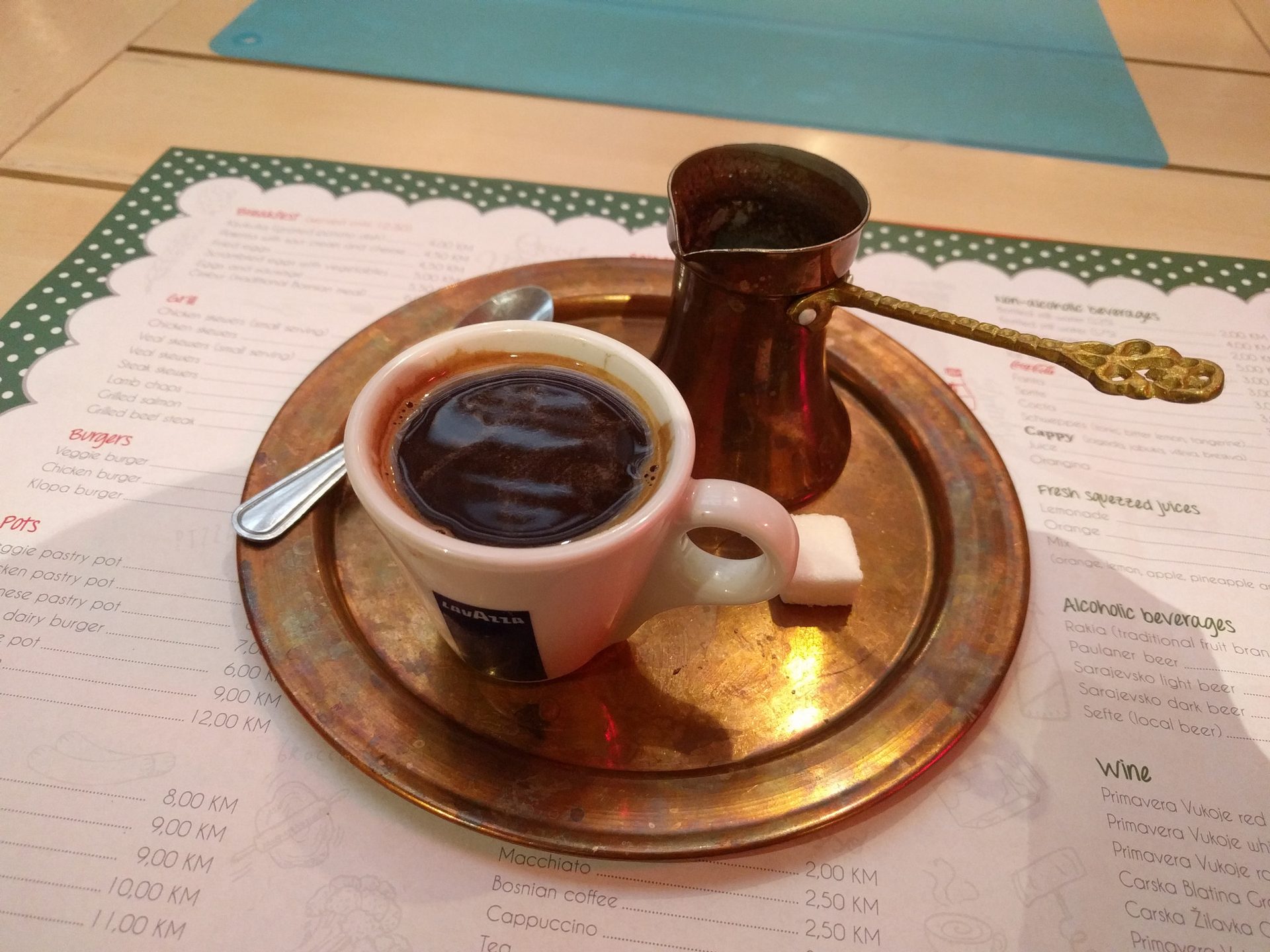
No traditional Yugoslavian breakfast truly starts without domaca kafa, a finely ground, unfiltered coffee brewed directly in the cup or a small copper pot called a džezva. Grounds settle at the bottom as the coffee steeps, producing a strong, slightly gritty brew closer to Turkish coffee than anything made in a drip machine.
Many households drink a cup of domaca kafa before breakfast even begins, treating it as a separate ritual rather than something sipped alongside food. The slow, unhurried pace of making and drinking it mirrors coffee culture found in traditional Egyptian drinks, where similarly strong, unfiltered coffee anchors the morning. Guests are rarely offered breakfast without first being asked if they’d like a cup, and refusing is considered mildly impolite in most Balkan homes.
Common Mistake: Stirring domaca kafa vigorously right before drinking mixes the grounds back into the liquid. Let the cup sit undisturbed for a minute after pouring so the sediment settles at the bottom.
Together, these 12 dishes sketch a picture of what a traditional Balkan breakfast actually looks like once you get past tourist menus and into home kitchens. Heavy on dairy, bread, and cornmeal, light on sugar, and built around the idea that the first meal of the day should hold you until lunch, this is comfort food shaped by generations of farming families and mountain winters. Regional breakfast traditions like these have survived political borders redrawing themselves more than once, which says something about how deeply they’re woven into daily life.
If this kind of hearty, savory morning spread appeals to you, it’s worth exploring how other cultures approach the same challenge of starting the day well; the full collection of breakfast traditions on this site covers everything from delicate multi-course spreads to one-dish wonders, and a special-occasion breakfast is a good next stop for anyone looking to recreate that same sense of ritual at home.