Traditional Lao Clothing for Men: Salong, Pha Biang, Sampot, and Salo Explained

November 17, 2026
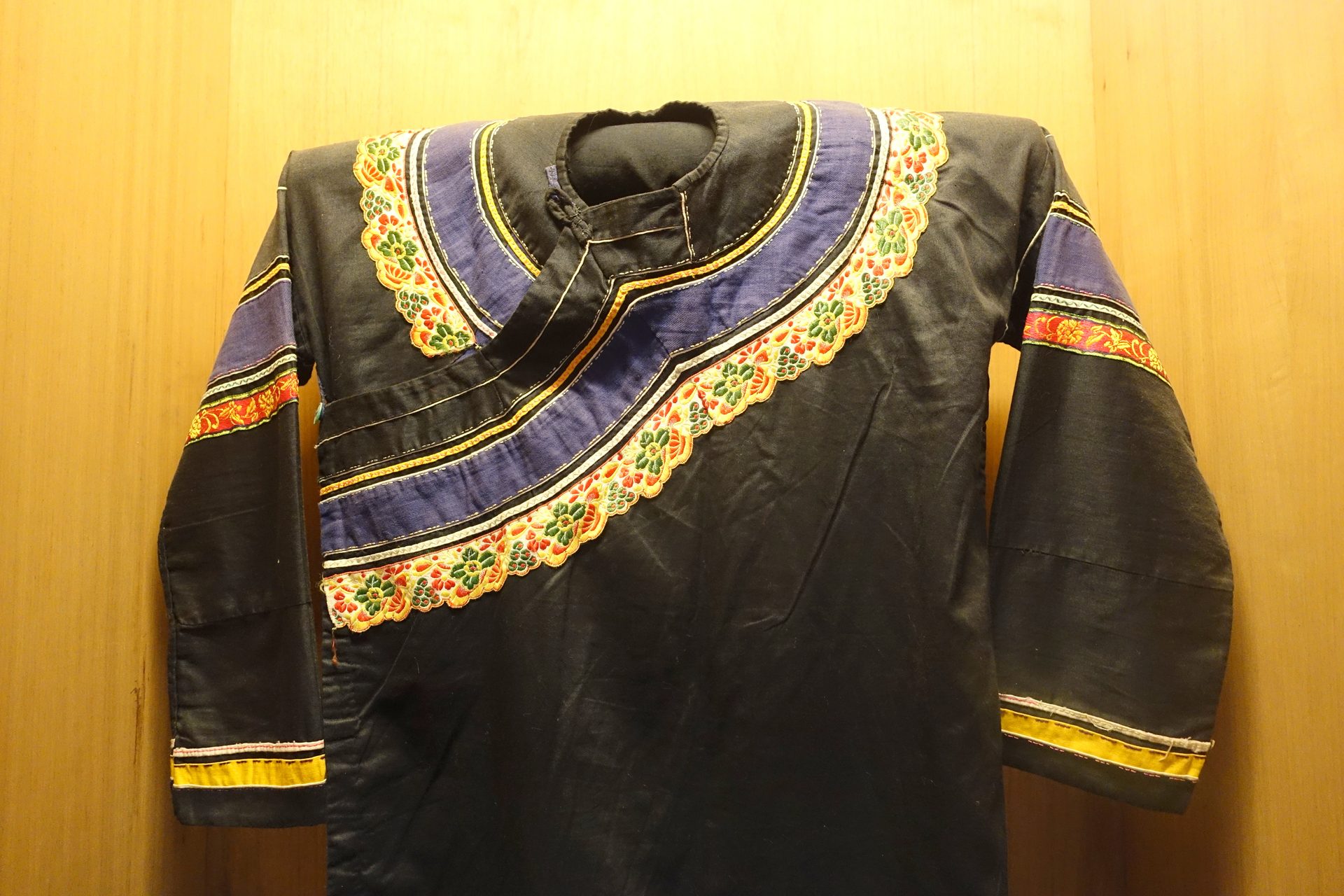
Traditional Lao clothing for men looks almost nothing like the jeans and collared shirts most Laotians wear to the office each morning. While modern Lao men often wear Western-style clothing in daily life, traditional attire is still commonly seen during important ceremonies and festivals. That formal wardrobe follows rules that have barely shifted across generations.
This guide walks through the four pieces that make up a man’s formal outfit: the wide salong trousers, the pha biang sash, a sampot-style wrap tied to the country’s Khmer-influenced south, and the salo shirt worn underneath everything else. Readers curious about how Southeast Asian wardrobes compare more broadly can also browse the full clothing and style collection for context on how neighboring regions dress for formal occasions.
1. Salong
The salong is the piece most people picture when they think of men’s formal dress in Laos. The folk trousers worn by Lao men are called “salong.” This is a festive garment. Lao men dress in the national outfit for various special occasions, like weddings, national celebrations, ceremonies, and contests, and the male costume of Laos looks charming, as colorful and bright as women’s attire, with plenty of decorative elements and accessories.
Despite the name, salong are not trousers in the Western sense. The garment is basically a large piece of fabric artfully draped around the lower body of a man. The salong is a square piece of cloth, about 4-5 meters wide and long, tied around the waist, with the fabric put between the legs and the ends tucked at the lower back. The result is anything but simple: elaborately draped trousers, often with a decorative border at the bottom, with a length that can vary from the knee to the ankles.
Color carries meaning as well. Lao folk trousers called “salong” can be pink, green, blue, red, burgundy, yellow, brown, and other bright shades. A similarly draped wide lower garment shows up elsewhere in the region, including the loose-fitting shalwar seen in traditional Pakistani clothing, though the draping technique and fabric differ considerably.
Pro Tip: If attending a Lao wedding or Boun festival as a guest, ask the host whether a salong can be rented locally rather than bought outright, since the draping technique takes practice to get right.
A complete salong look rarely stands alone. Modern people in Laos dress in Western-style clothes in daily life, but for special occasions they wear Lao traditional costumes, which for men include a colorful shirt or jacket with a stand-up collar, salong trousers, a belt or sash, knee-length white socks, shoes, and an accessory called “pha biang .”
2. Pha Biang
The pha biang is the sash that finishes off a formal Lao outfit for both men and women. Pha biang is a piece of garment that resembles a shawl, and is about a foot wide; it is worn by draping it around the chest, covering one shoulder, and letting its end hang loose on the back. For men specifically, the styling leans toward pattern rather than color.
Men can also optionally wear a pha biang with checkered patterns on their left shoulders. That checkered detail sets the men’s version apart from the plain silk or matching-color sashes typically worn by women. The garment itself is documented on Wikipedia’s entry on the xout lao as one of the standard components of formal Lao dress for men.
Outside of weddings and ceremonies, the sash rarely appears. These days men dress Western style and only don the phaa biang sash on ceremonial occasions. The same shawl-like concept crosses borders under a different name: Thailand’s sabai is built on an almost identical idea of draping fabric diagonally across the chest, a reminder that Mekong-region wardrobes share more than they differ.
Formal draped sashes aren’t unique to mainland Southeast Asia, either. The layered, structured approach to formalwear echoes how garments are built up piece by piece in traditional Japanese clothing, where a single obi sash similarly signals occasion and status.
3. Sampot
Important Note: The sampot is historically a Khmer garment associated with Cambodia rather than an official piece of Lao national dress. Cambodia has an impressive “sam pot,” while Laotian traditional dress is well-known for the unique “Sinh” and “Salong.” Southern Laos, however, carries enough Khmer cultural overlap that a close cousin of the sampot does appear in Lao men’s formalwear.
That Lao cousin goes by a different name. Lao men also wear “yao” or “hang,” a wraparound skirt with two ends twisted together in the front, pulled between the legs, and secured in the back. The silhouette is close enough to the Cambodian sampot that outside observers often use the two terms interchangeably, even though Lao weavers treat the piece as its own tradition.
This garment is not something most households keep on hand. The yao or hang is somewhat of a luxury because it is very hard to make and requires makers to work with heavy plied silk and intricate embroidery patterns for months. That labor-intensive production ties directly to geography: weaving products of the south are famous for complicated patterns of Khmer-influenced designs and intricate beadwork, a legacy of the centuries when the Khmer Empire’s influence extended well into what is now southern Laos.
The Khmer connection shows up again at the most formal end of the dress code. For royal or official ceremonies, men may wear a more structured outfit consisting of a high-collared jacket with intricate embroidery, a style influenced by neighboring Thai and Khmer cultures. Cross-border textile influence like this is common throughout Asia; a comparable blending of regional weaving traditions shaped the silk patterns found in traditional Chinese clothing, where imperial trade routes carried techniques across borders in much the same way.
The wraparound-skirt concept itself isn’t exclusive to the Mekong region. A draped lower garment pulled between the legs and tucked at the waist is also the basic structure behind the dhoti found in traditional Indian clothing, even though the fabric, knotting style, and occasions differ.
4. Salo
Underneath the sash and trousers sits the simplest piece of the outfit. The traditional costume for men includes a “salo,” a type of collarless shirt that is often white. It is meant to be understated, since the salong and pha biang carry most of the visual weight.
Regional naming adds some confusion here, since the same top layer is also documented under a related term. The other main part is the suea pat, a shirt wrapped around the top half of the body, with the decorative element coming from the pha biang, a kind of shawl that ties the panels of the suea pat together. Whether a given source calls it salo or suea pat, the function stays the same: a plain, often white base layer worn beneath the more decorative pieces.
For state occasions, this everyday top gives way to something far more tailored. Men wearing a xout lao for a formal occasion will usually wear a hip-length tailored jacket, known as a Nehru jacket, made of white silk, usually accompanied by a wraparound piece of cloth on the lower body and long white socks. This structured version is what appears in official portraits and government ceremonies, standing in for the looser salo worn at everyday celebrations.
Lao authorities have gone as far as codifying parts of this dress code. Laos has issued a decree outlining the required elements of national dress, specifying that men’s attire should include a shirt in any color paired with trousers and shoes in dark tones. Formal dress regulations tied to national identity aren’t unusual; traditional German clothing has its own regionally codified rules for festival wear, even though the garments themselves look nothing alike.
| Garment | Worn As | Typical Material | Common Occasion |
|---|---|---|---|
| Salong | Draped lower-body trousers | Silk or cotton, brightly dyed | Weddings, festivals, contests |
| Pha biang | Shoulder sash | Silk, often checkered for men | Formal ceremonies |
| Sampot-style wrap (yao/hang) | Wraparound skirt | Heavy plied silk with embroidery | Royal or official events, mainly southern Laos |
| Salo | Collarless base shirt | White cotton or silk | Underneath formal layers; everyday ceremonial wear |
Seen together, these four pieces explain why traditional Lao clothing for men reads as both simple and elaborate at the same time. The base layer stays plain, the trousers and sash carry the color and pattern, and the most structured jacket versions are reserved for the most formal settings. Readers interested in how other nations balance everyday Western dress with codified ceremonial wear may also want to compare notes with traditional American clothing or traditional Australian clothing, both of which show a similar split between daily wear and dress reserved for national occasions.