10 Pieces of Traditional Cuban Clothing and the Stories Behind Them

November 17, 2026
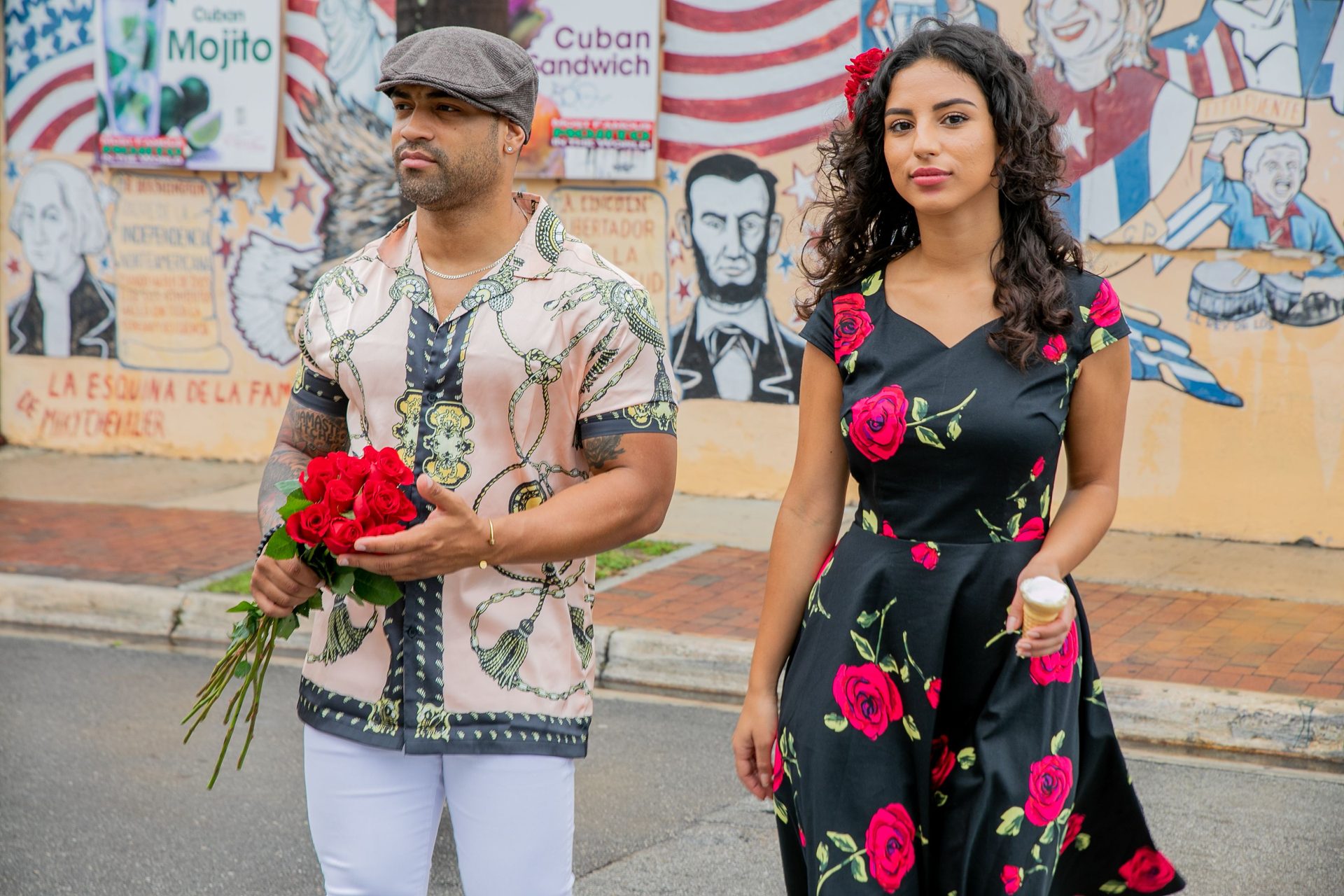
Traditional Cuban clothing rarely gets the attention it deserves outside the island, yet every pleat, ruffle, and hat brim carries three centuries of layered history. A linen shirt invented for farmhands became a presidential dress code. A flamenco-rooted gown picked up African rhythm and Caribbean color until it became something entirely new. Even the hat most visitors associate with Havana was never made in Cuba at all.
These ten garments trace how Spanish colonization, African heritage, and a hot, humid climate combined to shape what Cubans actually wear for work, worship, and celebration. Some pieces survive mostly in folkloric performance; others show up at family parties and government offices to this day. Here is where each one came from and why it still matters.
| Garment | Typically Worn By | Key Material | Common Occasion |
|---|---|---|---|
| Guayabera | Men | Linen or cotton | Daily wear, formal events |
| Bata Cubana | Women | Satin, polyester | Rumba, stage performance |
| Guarachera shirt | Men, musicians | Cotton, gingham | Guaracha and son music |
| Straw hat | Field workers | Yarey palm straw | Agricultural labor |
| Panama hat | Men | Toquilla straw | Formal, leisure wear |
| White linen pants | Men | Linen | Paired with guayabera |
| Espadrilles/sandals | Men and women | Rope, leather | Everyday, rural footwear |
| Head wrap/headscarf | Women | Cotton | Santería, religious ritual |
| Quinceanera dress | Girls (age 15) | Tulle, satin | Coming-of-age celebration |
| Two-toned shoes | Men | Leather | Dance halls, formal wear |
1. Guayabera
The guayabera is the single most recognizable piece of traditional Cuban clothing for men: a lightweight, pleated shirt worn untucked, with four patch pockets and vertical rows of fine stitched pleats called alforzas. Cuban literature first mentions the shirt in 1893 , though documentary evidence of it in Cuba dates back even earlier.
The most popular origin story credits a rural seamstress in the Sancti Spíritus region who sewed oversized pockets onto her husband’s shirt so he could carry guavas (guayabas) home from the fields. Whatever the true origin, historical evidence suggests the garment emerged in Cuba , with Spanish military pay books from the 1890s documenting a similar shirt worn by soldiers stationed on the island.
The guayabera’s cultural weight grew well beyond fashion. Fidel Castro made the guayabera the official shirt of Cuba in 2010 , requiring government officials to wear it, while Cuban exile communities in cities with large diaspora populations turned it into a proud symbol of heritage. If you want to see how another culture built national identity around a single signature garment, Cuba’s story runs parallel to the layered symbolism behind American regional dress traditions.
Pro Tip: A genuine guayabera has two rows of alforzas pleats running down the front and back, not just decorative stitching. Linen and cotton versions breathe far better in humid climates than polyester blends sold to tourists.
2. Bata Cubana (Rumba Dress)
Where the guayabera dresses Cuban men, the bata cubana is the traditional Cuban clothing most associated with women, especially on stage. The Smithsonian’s National Museum of American History holds a bata cubana donated by Celia Cruz in 1997, the Cuban-American singer known worldwide as the Queen of Salsa.
The gown’s roots trace back to 19th-century Spanish flamenco dress, which Cuban designers reworked with African textile influence, French Caribbean styling, and carnival spectacle. Traditionally worn by rumba dancers, the bata cubana combined Spanish and African elements into a single flared, ruffled silhouette with exaggerated sleeves and a tiered skirt that sweeps dramatically during performance.
Modern rumba dresses use wider skirts than everyday batas, giving dancers enough fabric to swirl through the guaguancó and other rumba styles. The garment functions much like ceremonial dress in other cultures, where formal attire signals performance and status rather than daily practicality.
Key Insight: The bata cubana is almost never worn outside performance contexts. It belongs to folkloric dance, carnival, and stage costuming rather than daily Cuban fashion.
3. Guarachera Shirt
The guarachera shirt shares a family tree with the guayabera but serves a more casual, musical purpose. Named for the guaracha, a fast-tempo Cuban song and dance style, this shirt is typically lighter and shorter-sleeved than its formal cousin, often cut from cotton in gingham checks or simple solid colors.
Musicians performing son and guaracha favored the shirt because its loose fit allowed freedom of movement on stage while still looking sharp under hot stage lights. Unlike the guayabera’s four-pocket formality, the guarachera shirt usually skips the elaborate pleating in favor of a simpler, more relaxed cut suited to dancing and playing instruments for hours at a time.
The shirt illustrates a pattern seen across many cultures’ traditional dress: a formal national garment spawning a looser, work-ready cousin. Pakistan’s kurta followed a similar split between formal and everyday versions, a theme explored in Pakistani traditional clothing as well.
4. Straw Hat
Long before tourists associated Cuba with Panama hats, Cuban farmers wore a simpler, rougher straw hat woven from yarey palm fiber. Known locally as a sombrero de yarey or sombrero de guano, this wide-brimmed hat protected guajiros, or rural farm workers, from the tropical sun during long days in sugarcane and tobacco fields.
Unlike the finely woven toquilla straw used in dress hats, the yarey hat is coarser and more durable, built for labor rather than looks. It remains a practical fixture in Cuba’s agricultural provinces, where sun protection matters more than formality.
The straw hat’s function mirrors wide-brimmed sun hats found across other agricultural and outdoor cultures, including the broad-brimmed styles documented in traditional Australian clothing, where sun protection shaped headwear in similar ways.
5. Panama Hat
Despite its name, the Panama hat did not originate in either Panama or Cuba. The hat is woven from toquilla straw in Ecuador, and it earned its misleading name because 19th- and 20th-century traders shipped the hats through the Panama Canal region on their way to international markets, including Havana.
Once it arrived in Cuba, the Panama hat became a fixture of men’s formal and leisure dress, paired with guayaberas and white linen suits for everything from church to political rallies. Its fine, tightly woven brim and lightweight construction made it a natural fit for Cuba’s climate, even though the raw material never touched Cuban soil.
Important Note: The Panama hat’s name is a historical misnomer. The weaving tradition and raw toquilla straw both come from Ecuador, not Panama or Cuba, though the hat became deeply embedded in Cuban formal fashion regardless of its true origin.
Iconic headwear tied to mistaken geography is not unique to Cuba. Similar naming confusion surrounds pieces of traditional Indian clothing, where regional turban styles are often misattributed to the wrong state or community by outsiders.
6. White Linen Pants
White linen pants complete the classic men’s guayabera ensemble, and the pairing is no accident. Linen is a breathable, lightweight natural fiber that resists clinging in humid heat, making it the practical choice for Cuba’s tropical climate long before synthetic moisture-wicking fabrics existed.
The color choice carries its own logic beyond fashion. Light fabrics reflect heat rather than absorb it, and white or cream linen pants paired with an untucked guayabera and straw or Panama hat became the default formal-but-breathable outfit for Cuban men attending weddings, church services, and political functions throughout the 20th century.
This combination still appears at Cuban cultural festivals and diaspora celebrations today, functioning as a recognizable uniform of heritage rather than everyday street clothing.
7. Espadrilles/leather Sandals
Footwear in traditional Cuban dress leans toward function over formality for most of the population. Espadrilles, with their canvas or cotton uppers and flexible rope soles, offered rural and working-class Cubans breathable, inexpensive footwear suited to hot pavement and dirt roads alike.
Simple leather sandals served a similar purpose in rural areas, particularly among farm laborers who needed durable footwear that could withstand fieldwork without trapping heat and moisture. Both styles prioritize ventilation and flexibility, standing in contrast to the stiffer leather dress shoes reserved for formal occasions.
Rope-soled and open sandal styles show up across much of the Caribbean and Mediterranean world for the same climate-driven reasons, a pattern that also shaped lightweight footwear traditions documented in everyday clothing practices worldwide.
8. Head Wrap/headscarf
The head wrap, or pañuelo, carries some of the deepest African roots in traditional Cuban clothing. Enslaved Africans brought head-wrapping traditions to Cuba, and the practice survived abolition to become closely tied to Afro-Cuban religious practice, particularly Santería.
In Santería ritual, color and wrapping style communicate specific meaning. Initiates, known as iyawós, traditionally wear white head wraps for a full year following initiation, signaling their spiritual status to the community. Outside religious contexts, colorful cotton head wraps also appear in folkloric dance performances alongside the bata cubana, reinforcing the garment’s connection to Afro-Cuban heritage and identity.
The head wrap remains one of the clearest visual threads connecting Cuba’s traditional dress to the broader African diaspora, standing apart from the Spanish-influenced silhouettes of the guayabera and linen suit.
9. Quinceanera Dress
The quinceañera dress marks a Cuban girl’s fifteenth birthday with one of the most elaborate garments in her lifetime, rivaled only by a wedding gown. Styled as a full-skirted ball gown, often in pastel tones, tulle layers, and intricate beading, the dress signals a girl’s transition into womanhood in front of family and community.
While the quinceañera tradition spans much of Latin America, Cuban celebrations developed their own flair, particularly within Miami’s large Cuban-American community, where quinceañera parties can rival weddings in scale and budget. The dress itself has evolved from modest, church-appropriate styles toward increasingly dramatic designs influenced by global bridal and prom fashion trends.
Coming-of-age dress traditions exist across many cultures in different forms, from elaborate gowns to ceremonial garments marking similar life transitions, a theme also visible in German festive dress customs tied to specific milestone celebrations.
10. Two-Toned Shoes
Two-toned leather shoes, often called spectator shoes, became a signature accessory of mid-20th-century Cuban men’s fashion, particularly within the island’s vibrant dance and music scenes. Typically combining white leather with brown or black panels, these shoes added visual flair to formal outfits built around the guayabera and linen trousers.
The style gained particular traction among musicians and dancers performing son, mambo, and salsa, where sharp footwear mattered as much as sharp rhythm. The contrast stitching and panel work made the shoes stand out on dance floors and in promotional photography from Cuba’s golden age of music in the 1940s and 1950s.
Today, two-toned shoes persist mainly in formal and nostalgic contexts, worn at cultural festivals, dance competitions, and heritage events that celebrate mid-century Cuban style rather than everyday footwear choices.
Conclusion
Traditional Cuban clothing works as a living record of the island’s layered history, stitching together Spanish tailoring, African ritual, and a climate that rewards breathable fabric over heavy formality. The guayabera and bata cubana remain the most recognizable symbols, but pieces like the head wrap and yarey straw hat reveal just as much about who actually built Cuban culture from the ground up.
None of these garments stayed frozen in one era. The quinceañera dress keeps evolving with global fashion trends, two-toned shoes resurface at heritage festivals, and the guayabera still gets reinterpreted by designers decades after Fidel Castro made it the national shirt. Readers curious about how other nations built similarly distinct wardrobes around climate, colonization, and celebration can explore the parallel story told in traditional Chinese clothing, another tradition shaped by centuries of regional change.