Traditional Muslim Clothing for Men: 20 Garments and Their Cultural Meaning

November 17, 2026
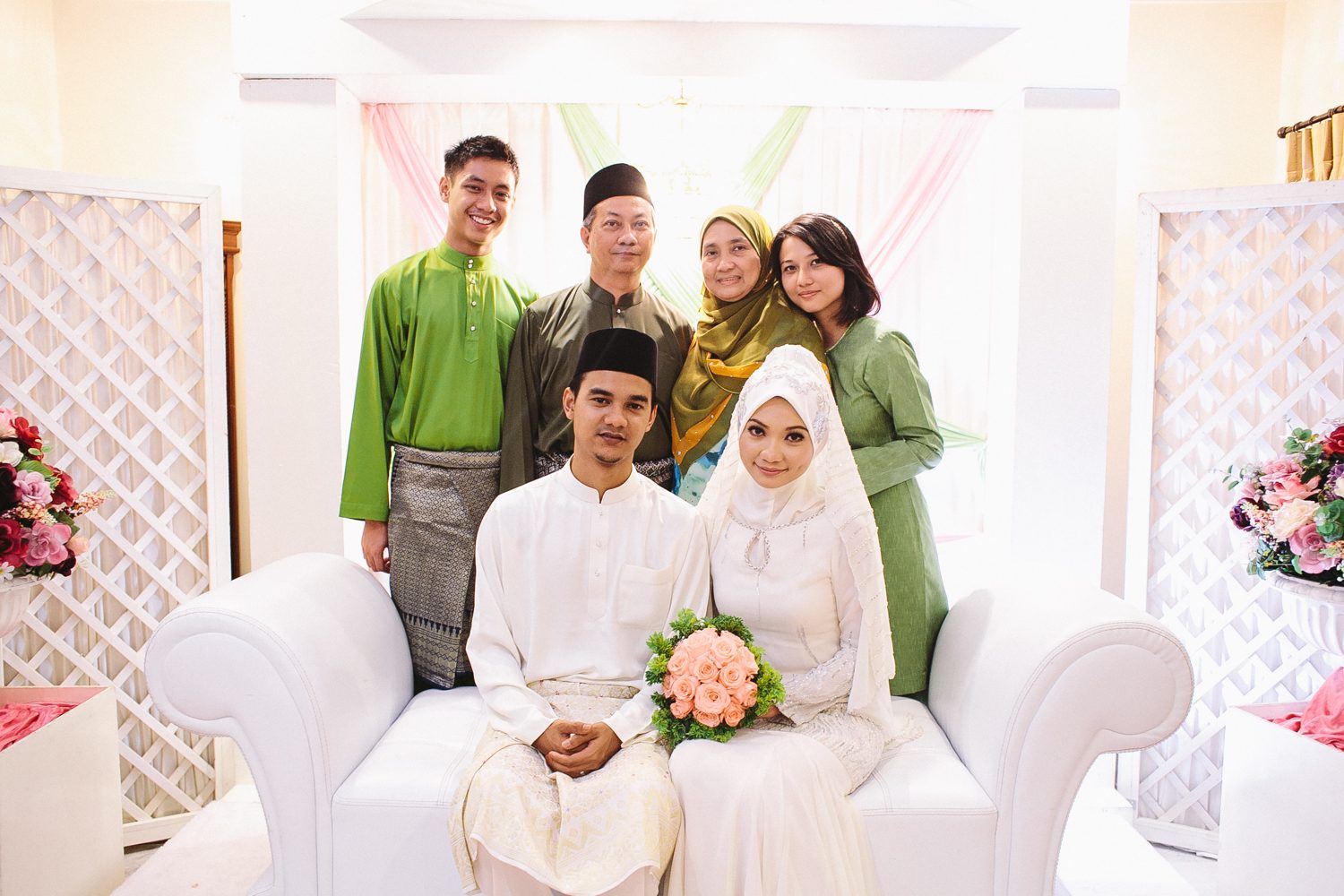
Traditional Muslim clothing for men is not one outfit but dozens, shaped by desert heat, monsoon humidity, Ottoman court fashion, and West African trade routes alike. A man in Riyadh, a man in Zanzibar, and a man in Lahore might all identify as following Islamic dress customs, yet their wardrobes would look almost nothing alike.
This guide walks through twenty garments worn by Muslim men across the Arabian Peninsula, the Levant, East and West Africa, South and Southeast Asia, and Central Asia. Some pieces are robes, some are headwraps, and some are small caps with centuries of meaning stitched into their seams. A few even echo into the Balkans, where Muslim-majority communities such as Albania developed their own regional dress traditions that blend Ottoman inheritance with local craft.
1. Thawb
The thawb is the garment most people picture when they think of traditional Islamic menswear. A thawb, also known as a dishdashah or a kandura in other varieties of Arabic, is a garment traditionally worn by men in the Arab world, and it is a long-sleeved, ankle-length robe that has regional variations in name and style. It can be worn in formal or informal settings, and thawbs are the main formal attire for men in Saudi Arabia.
Cut and detailing shift from country to country. In the UAE and Oman, men’s thawbs have no collar, use frog closures as placket fasteners, and include tassels, with short tassels in Oman and tassels extending to the waist in the UAE. According to the University of Illinois Center for South Asian and Middle Eastern Studies , wearing the thawb expresses equality and it is also perfectly suited to the hot climate. The wearing of thawbs dates back to the Middle Ages, and it has since become the national dress of most Muslim countries.
2. Bisht
The bisht is the cloak layered over a thawb for occasions that call for extra formality. Known in some Arabic dialects as mishlah or abaa, it is a traditional men’s cloak popular across the Arab world, worn for thousands of years. It is usually worn over the thawb for special occasions, including weddings, religious prayers, and national events, and it is traditionally made out of camel hair or wool.
Qatar’s bisht makers are known for exceptional craftsmanship. A bisht can last its wearer up to thirty years, and the craft of bisht-making, performed by the elhayek or bisht maker, is an artistic skill involving the use of various colors such as white, black, red, brown, and off-white. The embroidery utilizes silk threads, gold and silver plated threads, and other embellishments. As the entry on Qatari clothing notes, this attention to detail is part of why the garment remains a mark of status.
Pro Tip: A well-made bisht is judged by the smoothness of its wool and the precision of its gold-thread border, not by how heavy or ornate it looks. Lighter weaves often indicate finer craftsmanship.
3. Jubbah
The jubbah overlaps heavily with the thawb in everyday speech, though it carries its own history. The thobe, also known as a dishdasha, kandora, or jubba, is a traditional garment worn by men in the Arab world, described as a long, loose-fitting robe with long sleeves and a high collar that is typically worn with a head covering. A thawb, thobe, or jubbah is also known as a dishdasha or kandura, and resembles a robe or kaftan.
The term has a strong tie to scholarship and formality. During the Islamic Golden Age, the garment became more ornate and was made from more luxurious materials such as silk, and it was worn by scholars and intellectuals who used the long sleeves and high collar to protect themselves from the sun while they studied and wrote. That link to learning still shapes how a jubbah reads in many communities: a garment of letters as much as climate. In North Africa and Egypt, similar flowing robes often appear at the same family gatherings where guests enjoy dishes covered in this regional food guide.
4. Keffiyeh
The keffiyeh is the patterned headscarf most associated with the Levant, and its black-and-white check is now recognized worldwide. Prior to the 1930s, Arab villagers and peasants wore the white keffiyeh and agal while city residents and the educated elite wore the Ottoman tarbush, but during the 1936–1939 Arab revolt in Palestine, Arab rebel commanders ordered all Arabs to don the keffiyeh.
That shift turned a rural garment into a national symbol almost overnight. During the Arab Revolt of 1936 to 1939, Palestinian fighters and civilians began wearing the keffiyeh to make identification by British mandate authorities more difficult, and the garment spread from rural use into wider Palestinian society, becoming associated with resistance and national identity.
Key Insight: The keffiyeh’s meaning changed through politics, not fashion. A garment once worn mainly by farmers became a marker of identity precisely because it was adopted as a deliberate, collective act of solidarity during a specific historical period.
5. Ghutra
The ghutra is the Gulf counterpart to the keffiyeh, and the two are easy to confuse at a glance. The terms ghutra and keffiyeh are often used interchangeably, but there are nuanced differences, as the ghutra, primarily worn in the Gulf region, is typically a square piece of cotton or cotton-blend fabric.
Where the keffiyeh carries political weight, the ghutra signals formality within a national dress code. The ghutra is plain white and is worn specifically on the head as part of a formal national dress ensemble. It is part of the traditional national dress of Saudi Arabia, the United Arab Emirates, Qatar, Kuwait, and Bahrain, worn daily in professional, religious, and formal settings. Readers researching the full comparison of these three headpieces will find the Gulf’s plain white style is the easiest of the group to identify at a distance.
6. Shemagh
The shemagh sits between the keffiyeh and the ghutra in both pattern and purpose. The shemagh finds its roots across the Arabian Peninsula, Jordan, and Iraq, and Bedouin tribes originally wore it to shield their faces and necks from the extreme heat, wind, and blowing sand of the desert. According to a comparison of the two garments , the shemagh’s modern role leans toward heritage rather than protest.
Its red-and-white checked version carries particular weight in Jordan. The pattern is often considered more practical for daily wear than the plain Gulf ghutra, yet it still signals a distinct regional identity. The table below summarizes how the three headpieces differ at a glance.
| Headwear | Primary Region | Typical Pattern | Main Association |
|---|---|---|---|
| Keffiyeh | Palestine, the Levant | Black-and-white fishnet weave | National identity, resistance |
| Shemagh | Jordan, Arabian Peninsula, Iraq | Red-and-white or black-and-white check | Tribal heritage, desert utility |
| Ghutra | Gulf states | Plain white or lightly patterned | Formal national dress |
Important Note: Sources on these three headpieces do not always agree on sharp boundaries. Many describe the terms as regionally overlapping rather than strictly separate categories, so treat the distinctions above as general tendencies rather than fixed rules.
7. Agal
None of the headscarves above stay in place without the agal. The agal is a thick black cord or loop, often made of wool or silk, worn over the headscarf, and its primary function is to secure the covering to the head, preventing it from falling or shifting due to the wind; it is considered an integral part of official dress and a symbol of manhood and dignity in traditional Arab culture.
The cord’s design has barely changed in generations. This cord, known as the agal, keeps the headscarf in place to stop it blowing in the wind. Some men double the cord for a heavier look on formal occasions, while a single thin band is common for everyday wear, a small styling choice that still signals age and status within a community.
8. Kuma
Moving away from the Arabian Peninsula, the kuma is a close-fitting cap worn by men across parts of the Horn of Africa, including Somali and Ethiopian Muslim communities. It typically sits flat on the crown of the head and is often embroidered with geometric or floral motifs in contrasting thread colors. Unlike the flowing headscarves of the Gulf, the kuma is compact and practical, making it suitable for daily wear as well as Friday prayers.
The cap’s embroidery patterns often vary by clan or family lineage, turning what looks like a simple accessory into a quiet marker of regional belonging. Many versions are hand-stitched, with the finest examples taking considerable time to complete, which is part of why older, well-preserved kuma caps are sometimes passed down within families.
9. Taqiyah
The taqiyah is one of the most widespread pieces of Islamic headwear, recognized across nearly every Muslim-majority region in some form. It is a short, rounded skullcap, typically white or neutral in color, worn during prayer and often throughout the day by observant men. Its simplicity is part of its function: the taqiyah covers the head without adding bulk, allowing it to sit comfortably under a turban, keffiyeh, or ghutra when extra headwear is layered on top.
Because the taqiyah is so plain, variations tend to show up in fabric choice rather than shape. Cotton versions dominate in hot climates, while knitted wool taqiyahs appear in cooler regions of Central and South Asia. Many mosques keep a supply of basic taqiyahs on hand for visitors, which has helped the cap remain one of the most universally recognized pieces of traditional Muslim clothing for men.
10. Kufi
The kufi is closely related to the taqiyah but tends to sit slightly taller and is more strongly associated with West and East African Muslim communities, as well as African American Muslim culture. It is typically cylindrical or slightly tapered, made from woven or knitted fabric, and often decorated with bold geometric patterns, especially in Nigerian and Senegalese styles.
Color and craftsmanship carry social meaning. Brightly patterned kufis are common for celebrations such as Eid, while plainer white or black versions are favored for daily prayer. In many West African households, the kufi is one of the first garments a boy receives as part of his transition into more formal religious dress, making it a quiet rite of passage as much as a fashion item.
11. Tarbush
The tarbush, better known internationally as the fez, has a more political history than most caps on this list. Before the 1930s, city residents and the educated elite in the Levant wore the Ottoman tarbush, while rural villagers favored the white keffiyeh and agal. The cap is a short, brimless, flat-topped felt hat, usually red, sometimes finished with a tassel.
Its reach extended well beyond the Arab world during Ottoman rule, shaping dress codes from North Africa to the Balkans. The fez influenced traditional Albanian costumes and the broader history of Albanian clothing during centuries of Ottoman administration, and traces of that influence still appear in some regional folk dress worn at festivals in the wider Balkan and eastern Mediterranean region today. The tarbush eventually fell out of everyday fashion in much of the Arab world during the twentieth century, surviving mainly in ceremonial or nostalgic contexts.
12. Kofia
The kofia is the flat, cylindrical cap worn by Muslim men along the Swahili coast, particularly in Kenya, Tanzania, and Zanzibar. It is typically white or cream-colored and covered in intricate, often hand-embroidered geometric patterns, sometimes using silk or metallic thread for special-occasion versions. The kofia is a near-constant presence at weddings, religious holidays, and Friday prayers throughout East African Muslim communities.
Skilled embroiderers can spend days on a single ornate kofia, and finished caps are frequently sold at markets in coastal cities such as Mombasa and Zanzibar Town. Simpler, machine-stitched versions have become common for daily wear, while hand-embroidered kofias remain prized gifts for weddings and graduations. For anyone exploring traditional clothing and style traditions more broadly, the kofia is a strong example of how regional climate and trade history shape headwear design.
13. Kanzu
The kanzu moves the discussion from headwear to full-body dress. It is a long, plain white or off-white robe worn by Muslim men across East Africa, especially in Kenya, Tanzania, and Uganda, with roots tied to Omani Arab trade influence along the Swahili coast. The garment is loose, collarless, and ankle-length, often paired with a kofia and sometimes a blazer-style jacket for formal events.
The kanzu’s simplicity makes it versatile: a plain cotton version suits daily errands, while a finely tailored linen kanzu with subtle embroidery around the collar is reserved for weddings, religious holidays, and official functions. In Zanzibar and along the Tanzanian coast, the kanzu remains one of the clearest visual links between East African Muslim identity and centuries of Indian Ocean trade with the Arabian Peninsula.
14. Djellaba
The djellaba belongs to North Africa, where it functions as both everyday wear and a formal garment depending on fabric and finish. It is a long, loose robe with a pointed hood, worn throughout Morocco, Algeria, and Tunisia, typically made from wool for winter and lighter cotton for summer. The hood, called a qob, is practical as well as symbolic, protecting against sun, sand, and cold mountain air depending on the region.
Men’s djellabas tend to favor muted earth tones, stripes, or solid colors, while more decorated versions appear during religious festivals and weddings. In Moroccan cities, tailored djellabas with fine stitching are a common choice for Friday prayers, while rural versions remain heavier and more rugged, reflecting the garment’s origins as practical outerwear for herders and traders crossing the Atlas Mountains.
15. Grand Boubou
The grand boubou is one of the most recognizable garments across West Africa, worn by Muslim men in Senegal, Mali, Niger, and neighboring countries. It is an oversized, flowing robe with wide sleeves, usually worn over a matching tunic and trousers as a three-piece set. The silhouette is intentionally loose, allowing air to circulate in the region’s heat while still presenting a dignified, formal appearance.
Fabric and embroidery signal status more clearly in the grand boubou than almost any other garment on this list. Elaborate hand embroidery around the neckline and chest, sometimes taking tailors weeks to complete, marks a boubou intended for weddings, Eid celebrations, or important community gatherings, while simpler cotton versions serve daily wear. The garment’s size and formality have made it a staple of West African Muslim identity well beyond religious contexts.
16. Shalwar Kameez
The shalwar kameez shifts the geography east, into South and Central Asia. It consists of two pieces: the kameez, a long tunic, and the shalwar, loose-fitting trousers gathered at the ankle. Men across Pakistan, Afghanistan, and parts of northern India wear versions of this outfit daily, with cut, fabric, and collar style varying by region and occasion.
A plain cotton shalwar kameez is standard daily wear, while silk or embroidered versions appear at weddings and Eid prayers. Regional tailoring differences are significant enough that a Punjabi-style kameez looks noticeably different from a Sindhi or Pashtun cut. Readers interested in how this outfit fits into broader regional dress can explore traditional Pakistani clothing and compare it against related traditional Indian clothing styles, since the shalwar kameez crosses both national wardrobes.
17. Doppa
The doppa is a square or four-cornered cap worn by Uyghur Muslim men, primarily in the Xinjiang region. It is typically black or dark-colored with elaborate white or colored embroidery forming floral or geometric patterns across each panel. The doppa’s structured, angular shape sets it apart from the rounder caps common in the Arab world and East Africa.
Styles vary by oasis city, with Kashgar, Hotan, and Turpan each known for distinct embroidery traditions passed down through generations of artisans. The cap is worn for daily life as well as weddings and religious holidays, and it remains one of the clearest visual markers of Uyghur cultural identity within the wider context of Chinese regional dress, alongside other traditional Chinese clothing styles found across the country’s diverse provinces.
18. Sindhi Topi
The Sindhi topi is a distinctive, intricately embroidered cap worn by men in the Sindh province of Pakistan. Unlike the plain taqiyah, the Sindhi topi features dense mirror-work and colorful thread embroidery across its entire surface, often in geometric or floral patterns unique to individual artisans or workshops. The cap is cut with small triangular openings along the sides, giving it a slightly scalloped silhouette.
The Sindhi topi carries strong regional pride and is frequently presented as a gift of honor to guests or dignitaries visiting Sindh. It is commonly paired with the ajrak, a traditional printed shawl, during cultural festivals and weddings. Alongside regional dress, visitors exploring Sindh’s heritage often pair the topic with a look at traditional Pakistani food, since both the cap and the cuisine are strongly tied to provincial identity.
19. Songkok
The songkok is the black, truncated-cone cap worn by Muslim men across Southeast Asia, particularly in Malaysia, Indonesia, and Brunei. Made from felt or velvet, it is typically unadorned for daily wear, though formal versions may include subtle gold or silver stitching along the brim for weddings and religious ceremonies.
The songkok is closely tied to civic as well as religious identity in the region; it is commonly worn by officials, grooms, and students during formal events, not only at prayer. Its simple, structured shape has made it one of the most recognizable pieces of Muslim headwear in maritime Southeast Asia, standing apart from the embroidered caps found further west. The songkok’s popularity at weddings often runs alongside festive spreads inspired by traditional Malaysian food, another strong marker of regional celebration.
20. Koofiyad
The koofiyad is a Somali variation of the small, rounded skullcap family that includes the kufi and taqiyah, worn throughout Somali Muslim communities in the Horn of Africa and its global diaspora. It typically sits close to the head and is often embroidered with fine geometric patterns in white, gold, or muted earth tones, distinguishing it from the brighter West African kufi styles.
The koofiyad is worn for daily prayer as well as more formal occasions such as weddings and religious holidays, and many Somali families consider a well-made koofiyad a meaningful gift between generations. Taken together with the kuma, kufi, taqiyah, and kofia, the koofiyad rounds out a loose family of small Muslim prayer caps that share a basic shape but diverge sharply in material, embroidery style, and regional meaning:
- Taqiyah — plain, universal, worn under other headwear
- Kufi — taller, bold patterns, common in West Africa and the African diaspora
- Kofia — flat, finely embroidered, tied to the East African Swahili coast
- Kuma — compact, clan-linked embroidery, worn in the Horn of Africa
- Koofiyad — Somali variant, muted tones, close-fitting silhouette
Seen as a whole, these twenty garments show that there is no single template for traditional Muslim clothing for men. Climate shaped the loose robes of the Gulf and West Africa, trade routes carried the kanzu and kofia along the Swahili coast, and political history turned a simple headscarf like the keffiyeh into a global symbol. The same pattern holds outside the Muslim-majority Middle East and Africa: just as the traditional clothing of Germany or the traditional dress of Japan reflects centuries of regional craft, so does the Albanian national dress, which blends Ottoman-era tailoring with local Albanian folk attire into something distinct from either influence alone.
Readers curious about how other regions developed their own clothing traditions can continue exploring with guides to traditional Australian clothing and traditional American clothing, both of which show the same mix of climate, migration, and history that shaped every garment covered here.