Why Are My Pothos Leaves Turning Brown? Causes, Fixes, and Prevention

September 7, 2026
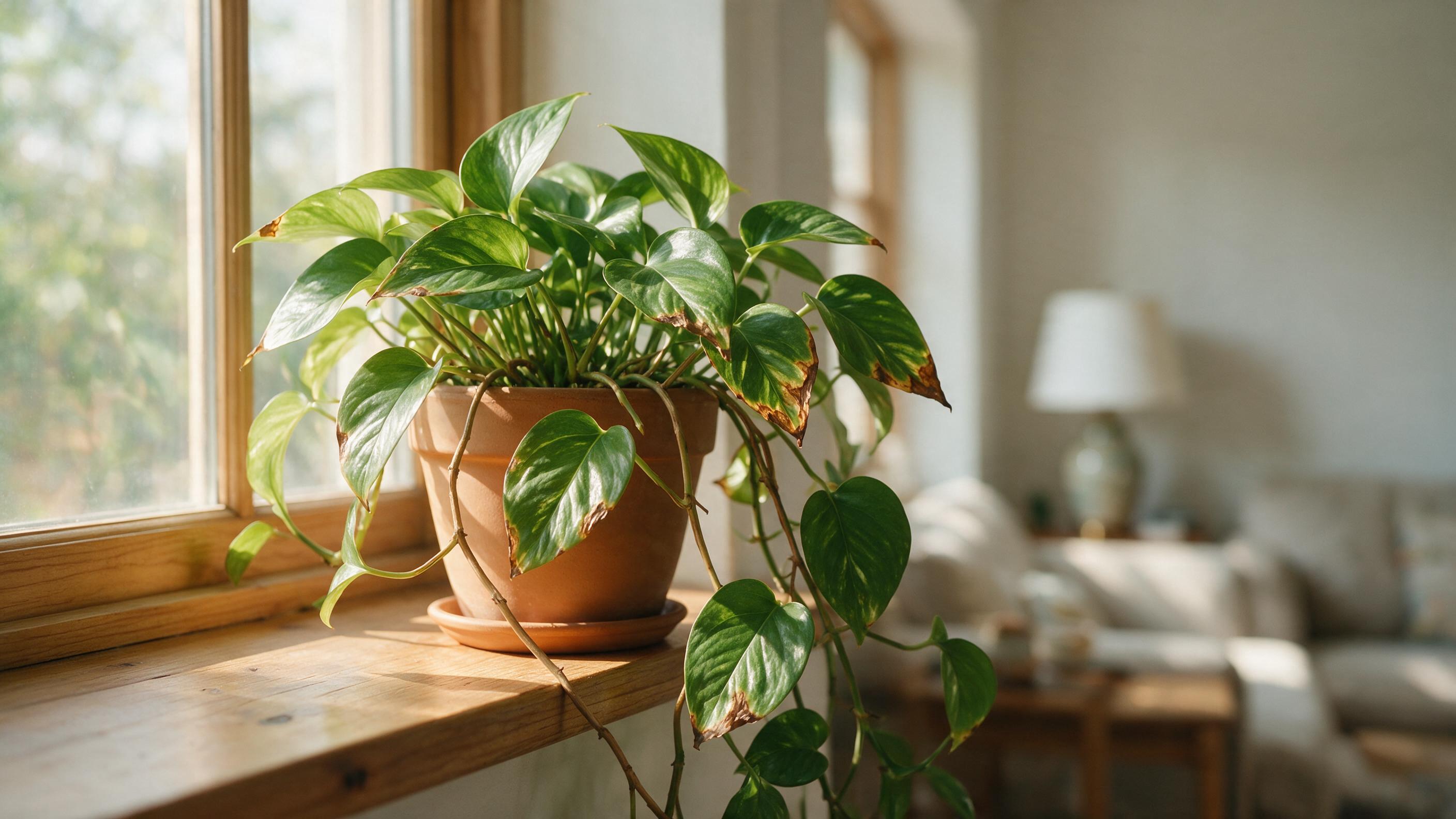
Pothos is one of the most popular houseplants in the United States — and for good reason. It is widely loved for its low-maintenance, beginner-friendly growing requirements, yet it is still possible for these vines to struggle if they are lacking their basic needs. One of the most common distress signals you will notice is brown leaves, and it can feel frustrating when you are not sure why it is happening.
The good news is that brown leaves on a pothos are almost always fixable once you know what to look for. This guide walks you through every possible cause, how to accurately diagnose the problem, and exactly what to do to bring your plant back to health — plus how to prevent it from happening again.
What Does It Mean When Your Pothos Leaves Are Turning Brown?
Originating from the Solomon Islands of the South Pacific, pothos (Epipremnum aureum) is a tropical climbing vine that thrives in heat, medium-to-bright indirect light, humidity, and well-draining soil. When conditions drift too far from those preferences, the plant communicates through its foliage — and brown leaves are one of its clearest signals.
Brown leaves are not all the same, and the appearance of the browning actually tells you a lot about the underlying cause. Crispy, dry brown edges point to a moisture or humidity problem. Soft, mushy brown patches usually indicate overwatering or disease. Random brown spots scattered across the leaf surface often suggest sunburn or a pest issue. Brown leaf tips and edges typically signify fertilizer or mineral burn, while entire leaves turning brown can indicate a severe fungal infection, and brown or black stems may signal the plant is in serious decline.
Pay close attention to where the browning starts and what the texture feels like — those two clues will point you toward the right fix faster than anything else. You can also explore the complete pothos houseplant care guide for a broader overview of what this plant needs to thrive.
Is Brown Discoloration in Pothos Always a Sign of a Problem?
Not always. Even the healthiest pothos will have some leaves that turn brown and die off. Older leaves at the base of the plant naturally yellow and brown as the plant redirects energy toward newer growth — this is completely normal and not a cause for concern.
The key distinction is pattern and frequency. A single older leaf browning every few weeks is natural aging. Multiple leaves browning at once, browning on new growth, or a rapid spread of discoloration across the plant all indicate something is wrong with your care routine or environment.
Pro Tip: Keep an eye on new leaves as your best health indicator. Once a leaf turns brown it will not turn green again, but you can ensure new growth is healthy by addressing the underlying problem. Fresh leaves are your best indicator that the changes you have made are working.
Watering Issues Causing Pothos Brown Leaves
Watering mistakes are the single most common reason pothos leaves turn brown, and the problem can come from either direction — too much or too little.
Overwatering
If your plant is developing brown, mushy leaves, you may be overwatering it. Overwatering is the number one cause of mushy leaves on most indoor houseplants. With overwatering, the leaves may look soft and mushy, typically yellowing first before turning brown. Pothos prefer evenly moist soil, not soggy conditions, and constantly wet roots can lead to root rot, which prevents the plant from absorbing nutrients and water efficiently.
Too much water in the soil cuts off the oxygen supply to the roots, resulting in root rot. As the roots gradually die out, they can no longer supply the leaves and stems with nutrients from the soil.
Underwatering
If your pothos leaves are browning at the tips or edges and feel dry or crispy, underwatering is the likely culprit. Pothos may be drought-tolerant, but prolonged dry soil will stress the plant and cause it to sacrifice leaf tissue. Without moisture in the cells, the leaves feel and look crispy, and the parts of the plant farthest from the roots — typically the leaf edges — lose moisture first.
While pothos is fairly drought-tolerant, it does need watering about once a week. You will want to thoroughly water this tropical vine when the top 2–3 inches of soil are completely dry, which you can measure with your finger or a soil moisture meter.
Inconsistent Watering
Going from bone dry to soaking wet at random intervals can stress your plant and lead to brown leaves. Establishing a consistent schedule — and adjusting it based on season and indoor conditions — makes a significant difference. Water thoroughly until liquid drains from the bottom, then let the soil partially dry before watering again. A consistent watering routine helps prevent crispy leaves and keeps your pothos producing full, healthy foliage.
Pro Tip: Tap water can contain chlorine, fluoride, and other chemicals that cause browning on the edges of pothos leaves. Use filtered or distilled water when possible, or leave tap water to sit out overnight so the chemicals can dissipate.
Light Conditions Behind Pothos Brown Leaves
Pothos can live in low light but do best in bright, indirect light. Bright, direct light can sunburn the leaves and give them white or brown patches, especially if the plant has recently been moved to an exposed sunny spot.
When grown in direct sunlight, the delicate leaves develop crispy, brown spots. You can usually distinguish sunburn from dehydration by the more random dotting of brown spots rather than browning that starts at the edges and curls inward.
Too little light can also cause leaf discoloration in pothos. Though pothos can tolerate low light conditions, the best fix for brown leaf tips is to provide medium to bright indirect light for your houseplant. Some cultivars, such as ‘Neon,’ can lose their vivid color in too much shade. Placing your plant in an east- or west-facing window is generally best for receiving bright, indirect sunlight.
If you are working with a darker room, check out this guide to the best houseplants for low-light areas to understand what different species can realistically tolerate.
Key Insight: If your pothos is growing beside a window, place a sheer curtain to control the amount of sunlight it receives. Alternatively, move it to another spot in the room that still gets the right amount of natural light.
Soil, Nutrients, and Root Health Causing Pothos Brown Leaves
Poor Soil and Root Binding
While pothos is a tropical plant, it does not like soggy roots and needs to grow in well-draining soil. If the soil is too compacted, like clay, it will retain moisture and expose your pothos to root rot. If the soil drains well but you are simply watering too much, the soil will not have time to dry.
Pothos plants grow quickly and their roots can become crowded in the pot. When they get root-bound, they have difficulty absorbing the water and nutrients they need from the soil, which leads to brown leaves. If the roots are tightly packed or even poking out the drainage hole, it is time for a bigger pot. Adding fresh potting soil during the repot will also help.
Fertilizer Burn
Over-fertilizing your pothos can cause brown leaves due to a nutrient imbalance in the soil. This fertilizer burn damages roots, preventing them from absorbing water properly. If you feed your pothos too often or with an overly strong fertilizer, you may notice browning shortly after.
Fertilizing too often or too heavily leads to excess salts in the soil, which burns the roots and impairs their ability to draw in nutrients. The result is brown leaf tips and edges. To fix it, flush the soil by watering it thoroughly several times to allow excess fertilizer salts to drain out. Going forward, feed your plant only once every four to six weeks during the growing season with a diluted, balanced fertilizer — pothos do not need heavy feeding to thrive indoors.
For a broader look at how different leaf types respond to nutrient stress, that resource offers helpful context on what healthy foliage looks like across species.
Root Rot
The main symptoms of root rot are drooping and yellowing leaves, mushy or decaying roots, and sometimes brown foliage. As the roots gradually die, the supply of nutrients from the soil to the leaves and stems is impaired, causing the pothos leaves to turn brown and die. Remove your plant from its pot and look at the roots — they should be firm and light-colored. If they look dark and mushy or overcrowded, repot the plant in fresh soil in a pot that is a little larger.
Environmental Stress Triggering Pothos Brown Leaves
Even when your watering and light are dialed in, the environment around your plant can still cause browning. American homes — with their central air conditioning, forced-air heating, and seasonal temperature swings — create conditions that pothos finds stressful.
Low Humidity
Pothos are native to tropical regions and naturally thrive in humid conditions. In dry indoor environments, especially during winter with heaters running, leaf edges may dry out and turn brown. If you notice crispy tips despite proper watering, low humidity could be the problem.
You can raise humidity by grouping plants together, placing a humidity tray with pebbles and water under the pot, or using a humidifier. Regular misting helps temporarily but is not as effective as consistent humidity. Keeping your pothos in a bathroom or kitchen can also provide a naturally more humid environment.
Temperature Extremes
Temperatures below 45°F will lead to black edges on pothos. Temperatures exceeding 80°F will also cause dry brown marks and curling leaves. If the temperature drops below 50°F (10°C), the plant’s growth slows and the leaves start turning brown. Sudden temperature changes can also cause browning, or sometimes even reddish discoloration.
It is important to keep your golden pothos away from vents or any area of your home with a draft, as temperature fluctuations are particularly hard on the plant’s variegated leaves.
Transplant and Relocation Stress
When pothos plants are repotted or moved to a new spot, they can get stressed, and this sometimes causes the leaves to turn brown. The solution is to give your pothos time to adjust. After moving or repotting, allow a few weeks for it to settle into its new environment, and help the transition go smoothly by keeping the light and temperature as consistent as possible.
Dusty Leaves
When dust builds up on the leaves, it can block sunlight and affect how well the plant photosynthesizes, which in turn can cause brown or yellow leaves. The best way to address this is to clean the leaves regularly — wipe them with a cloth or rinse them under lukewarm water to remove dust.
Pests and Disease Leading to Pothos Brown Leaves
Common Pests
Pests such as spider mites, mealybugs, and scale insects can damage pothos leaves, leaving behind brown patches or spots. These insects suck sap from the plant, weakening it and causing discolored or drying foliage. Brown spots due to pests can look similar to other causes, so take a close look at the discolored areas for any webbing, sticky substances, or tiny moving dots. Spider mites and mealybugs in particular love pothos and cause brown spots as they feed on the leaves.
If you have cats who like to chew on your houseplants and may be introducing stress or pest hitchhikers, this guide on how to keep cats out of houseplants is worth reading. You can also use a plant identification app to help confirm pest or disease issues with a quick photo scan.
Fungal and Bacterial Diseases
Disease is another common reason pothos leaves turn brown, and fungal infections are a major concern. Fungal spores land on the leaves and start growing — initially hard to spot, but soon the leaf gets covered with brown spots and may turn partially or fully yellow.
Bacterial leaf spot (caused by Pseudomonas cichorii) can also lead to yellow-brown spots or halos on pothos leaves. This disease is mainly caused by extreme humidity and overhead watering. Soft, brown, mushy spots on a leaf are a hallmark of bacterial leaf spot — they develop from water sitting on the leaves and rotting them. Remove all affected leaves and avoid getting the leaves wet when watering.
To treat fungal issues, apply a fungicide to the plant. Ensure good air circulation and maintain humidity between 50–60%. Use well-drained soil and make sure the pot has drainage holes.
How to Diagnose Why Your Pothos Leaves Are Turning Brown
Before you start changing your care routine, take a few minutes to properly diagnose the problem. Changing multiple things at once makes it harder to know what actually worked.
Work through this checklist systematically:
- Check the soil moisture. Ask yourself whether the soil is dry or wet, and how deep the moisture or lack of moisture goes into the soil. Soggy soil points to overwatering; bone-dry soil points to underwatering.
- Examine the texture of the brown areas. Crispy and dry = underwatering, low humidity, or sunburn. Soft and mushy = overwatering or disease.
- Look at the location of the browning. Brown leaf tips and edges typically signify fertilizer or mineral burn, while entire leaves turning brown may indicate a severe fungal infection.
- Inspect for pests. Check for any tiny insects or mildewy spots on the plant. Use a magnifying glass to check the undersides of leaves for mites or mealybugs.
- Evaluate the light. Is the plant sitting in direct sun, especially afternoon sun from a south- or west-facing window? Or is it in a very dark corner?
- Review your fertilizing history. If your pothos has brown tips and yellow edges, it could be fertilizer burn. The soil itself is also worth examining.
- Check the roots. It is possible your pothos has become root-bound — meaning the roots are too big for the pot. Pull the plant out and inspect.
Key Insight: If you are struggling to identify the issue, a plant identification app for Android can analyze photos of your plant and suggest possible problems based on the visual symptoms.
How to Fix a Pothos That Is Turning Brown
Once you have identified the cause, here is how to address each one:
| Cause | What You Will See | Fix |
|---|---|---|
| Overwatering | Soft, mushy brown; yellowing first | Let soil dry out; repot if root rot is present; ensure drainage holes |
| Underwatering | Crispy, dry brown edges and tips | Water thoroughly from the bottom; establish a consistent schedule |
| Direct sunlight | Random brown or bleached patches | Move to bright, indirect light; use a sheer curtain |
| Low light | General browning and pale color | Move to an east- or west-facing window |
| Fertilizer burn | Brown tips and edges with yellow borders | Flush soil with water; reduce feeding to every 4–6 weeks |
| Low humidity | Crispy tips despite good watering | Pebble tray, humidifier, or move to bathroom/kitchen |
| Root rot | Drooping, mushy brown; dark roots | Remove plant, trim rotted roots, repot in fresh well-draining soil |
| Pests | Brown spots with webbing or stickiness | Wipe with neem oil or insecticidal soap; isolate the plant |
| Bacterial/fungal disease | Yellow-brown spots or halos; mushy patches | Remove affected leaves; apply fungicide; improve air circulation |
| Root-bound | Wilting, browning despite good care | Repot into a pot 1–2 inches larger with fresh soil |
Trimming away leaves that have turned brown or yellow is an important step in getting your plant healthy again. If the leaves are left on, the plant will still send nutrients to the dead tissue and work harder to support growth. Removing brown leaves allows your pothos to direct energy toward new growth.
Use a clean, sharp pair of scissors or shears to prune your pothos. If more than a third of the leaf is brown or yellow, cut the leaf off close to the node where it meets the stem. If only the tip of the leaf is brown, you can simply snip off the dead part.
For more detail on the full range of browning and other discoloration issues, the pothos turning brown guide and the pothos turning yellow guide cover additional scenarios in depth.
How to Prevent Pothos Brown Leaves Going Forward
Prevention comes down to maintaining consistent conditions and catching problems early. Here are the habits that make the biggest difference:
- Water correctly. Ensure you are only watering once a week when the top 2–3 inches of soil are completely dry. Adjust frequency in winter when growth slows.
- Choose the right pot. A self-watering pot with drainage holes can help prevent overwatering by providing a steady supply of water to the roots, but it is important to choose one with a good drainage system.
- Use the right soil. A well-draining potting mix prevents waterlogging. Starting with the right soil is an essential foundation. When repotting, try to match the new soil mixture to the consistency of the old one to prevent stress.
- Maintain humidity. Ensure good air circulation and maintain humidity between 50–60% to discourage both dryness and fungal issues.
- Keep away from vents and drafts. Dry air being blasted directly onto your pothos can make it too dry. Moving it away from a vent or heater will make a significant difference.
- Fertilize lightly. Only give your plant a light feeding in spring and summer. Skip fertilizing entirely in fall and winter.
- Repot regularly. Think about the last time you repotted your pothos. If it has been in the same pot for years, the soil could be compacted and depleted of nutrients. A refresh every 1–2 years keeps roots and soil healthy.
- Clean the leaves. Wipe leaves with a damp cloth every few weeks to remove dust and check for early signs of pests at the same time.
- Use quality water. Check for white mineral deposits on the surface of the soil or around the edges of the pot — this is a sign of hard water buildup. If you find it, rinse through the soil with fresh water.
If you enjoy growing other trailing or vining houseplants alongside your pothos, exploring types of ivy plants or different types of pothos plants can help you find varieties that suit your space and light conditions. You might also find that some of the same care principles apply to rubber plants and aloe vera plants, which share similar sensitivities to overwatering.
FAQ
Why are only the tips of my pothos leaves turning brown?
Brown leaf tips and edges on pothos most commonly signify fertilizer or mineral burn. Low humidity and underwatering are also frequent causes of tip browning specifically. Check your fertilizing schedule first, then evaluate your home’s humidity levels.
Can brown pothos leaves turn green again?
Once a leaf turns brown, it will not turn green again. However, you can ensure that new growth is healthy by addressing whatever the underlying problem is. Prune off the brown leaves to redirect the plant’s energy toward producing fresh, healthy foliage.
Should I cut off brown pothos leaves?
Yes. Trimming away leaves that have turned brown is an important step in recovery because the plant will still send nutrients to dead tissue if it remains attached. Removing brown leaves allows your pothos to direct energy toward new growth. Always use clean, sharp scissors to avoid spreading disease.
How do I tell the difference between overwatering and underwatering browning?
If your pothos leaves are turning crispy brown, that indicates the plant needs more water or humidity. If they are mushy brown, that indicates overwatering and potentially root rot. Checking the soil moisture is always the fastest way to confirm which issue you are dealing with.
Why are my pothos leaves turning brown after repotting?
When pothos plants are repotted or moved to a new spot, they can get stressed, and this sometimes causes the leaves to turn brown. The solution is simple — give your pothos time to adjust to its new home. Avoid changing its light conditions or watering schedule dramatically right after repotting.
Is my pothos dying if the leaves are turning brown?
Most likely, no. There are many reasons your pothos has browning leaves, but most of the causes, like overwatering or too much sun, are easy to resolve. Most causes are fixable — you just need to identify them early so you can treat them properly. With a few adjustments, you can make your plant healthy again and prevent future problems.
What type of pothos is most prone to brown leaves?
The white and cream-colored spots on Manjula and Marble Queen Pothos are particularly susceptible to turning brown due to root rot. In variegated varieties like Golden Pothos and Manjula, brown sunburn marks typically appear on the white, yellow, or cream areas of the leaf. If you grow variegated types, pay extra attention to light and watering consistency. You can browse the full range of different types of pothos plants to understand which varieties you have and their specific sensitivities.