Why Is My Basil Turning Brown? Causes, Fixes, and Prevention Tips

September 14, 2026
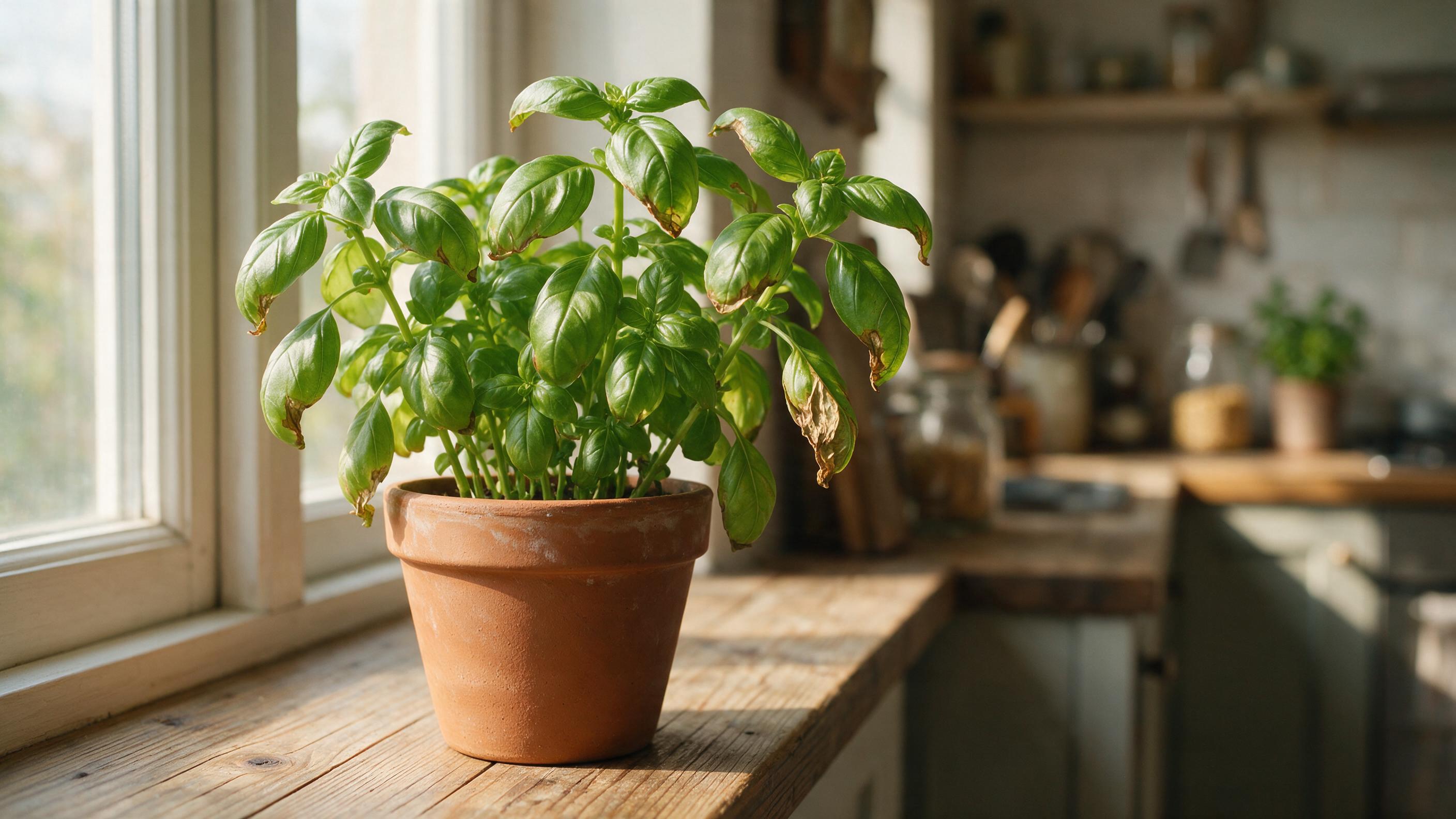
You step outside to snip a few leaves for dinner, and instead of that glossy, deep green you were expecting, your basil looks stressed — tips browning, leaves darkening, maybe even whole stems looking sad. It’s a frustrating sight, especially when basil is one of the most satisfying herbs to grow at home.
The good news is that browning basil is almost always a fixable problem. If your potted or garden basil plant is turning brown — on the edges, tips, or entire leaves — most cases are reversible once you identify the cause. The key is reading the clues your plant is giving you and acting before the damage becomes permanent.
This guide walks you through every reason basil turns brown, how to diagnose the specific cause in your plant, and exactly what to do to bring it back. Whether you’re growing sweet basil on a windowsill in Chicago or in a raised bed in Georgia, the answers are here.
What Does It Mean When Your Basil Is Turning Brown?
Basil is a warm-weather annual with thin, moisture-rich leaves that evolved for tropical conditions. Basil (Ocimum basilicum) is a tender annual herb native to tropical regions of Asia and Africa, and its thin, succulent leaves evolved for rapid transpiration and photosynthesis in warm, humid conditions — not for drought tolerance or cold resilience.
When something disrupts those ideal conditions, the leaves show it quickly. When basil leaves turn brown, it is almost always a visible symptom of physiological stress — not disease — and the most common culprits are overwatering, underwatering, temperature shock, or nutrient imbalance.
Browning can appear in several distinct patterns, and each pattern points to a different cause:
- Brown tips only — often underwatering, low humidity, or salt buildup
- Brown edges with inward curl — salt burn or heat stress
- Brown spots in the center of leaves — sunburn or bacterial infection
- Yellowing that progresses to brown — overwatering, root rot, or fungal disease
- Brown lower leaves dropping off — normal aging in mature plants
- Brown streaks on stems — fusarium wilt or bacterial leaf spot
Different browning patterns point to different problems. Before you reach for a watering can or a spray bottle, take a moment to look closely at where the brown is appearing and what the rest of the plant looks like. That observation will save you time and prevent you from accidentally making the situation worse.
Is Browning in Basil Always a Sign of a Problem?
Not always. Some browning on basil is completely normal and no cause for alarm. Knowing the difference between natural aging and a genuine problem saves you unnecessary worry — and prevents you from overreacting with treatments that could stress the plant further.
After basil flowers produce seeds, the stems turn brown and woody. This is a normal part of the annual lifecycle and is not an indication of a disease or problem. However, to avoid basil bolting, many gardeners prune the flowers as soon as they form, which prompts the plant to keep growing leaves and producing more basil.
Lower leaves turning brown and falling off is normal in mature basil. As the plant puts energy into new growth at the top, older lower foliage naturally senesces. A few brown leaves at the base of an otherwise healthy plant are nothing to worry about.
Similarly, the stems of basil turn brown and woody as the plant ages, and this is the normal progression — the plant will still produce fresh leaves for some time if cared for.
Pro Tip: If only one or two lower leaves are browning on an otherwise vigorous plant, pinch them off and move on. If browning is spreading upward, appearing on young leaves, or affecting multiple stems, that is when you need to investigate further.
Browning that signals a real problem tends to spread, appear on younger growth, or come with other symptoms like wilting, spots, or an unpleasant smell from the soil. Natural aging browning stays confined to older, lower leaves and does not progress.
Watering Issues Causing Basil Browning
Watering problems are the single most common reason basil turns brown in American home gardens, and they work in both directions — too much and too little each cause damage that looks surprisingly similar at first glance.
Underwatering
Underwatering is the most common reason basil tips turn brown, and the mechanism is straightforward. When the plant cannot pull enough water from the soil, leaf cells at the tips and edges — the farthest points from the roots — begin to dry out and die first. Underwatered basil also droops and turns brown.
Inadequate watering causes basil leaves to dry out and turn brown, affecting the overall well-being of the plant. Dry soil can cause wilting and a change in leaf color, indicating the need for sufficient watering to prevent browning.
Overwatering
When you notice that the leaves are turning yellow (often starting with the lower leaves) and the leaves are drooping and wilting after regular watering, you have probably overwatered your basil plant. The constant watering has clogged the soil around the roots, and as a result the roots have started to rot.
If the plants are consistently given too much water, or there has been a long stretch of wet weather, the roots may rot. The first sign is wilting and yellowing of the foliage, but soon the plants turn brown to black and die.
The Right Watering Approach
Basil grows best in fertile, well-draining soil. It should be kept lightly moist but not too wet or too dry. The simplest test: push your finger about an inch into the soil. If the soil beneath your basil feels dry, go ahead and water your plant. If it is damp or wet, skip that day and try again tomorrow.
Salt burn is one of the most commonly misdiagnosed causes of basil tip browning — it looks like drought, but watering more makes it worse. The difference is in the pattern: salt burn creates a uniform brown margin that runs evenly across multiple leaves at the same height, often with a slight inward curl of the leaf edge. If you suspect salt buildup from tap water or fertilizer, flush the pot thoroughly with plain water until it drains freely from the bottom.
Pro Tip: Potted basil dries out much faster than in-ground plants, especially in summer heat. During hot US summers, a container on a sunny patio may need water every day. Always check the soil first rather than following a fixed schedule.
Light Conditions Behind Basil Browning
Basil is a sun-loving herb, but light problems in both directions — too little and too much — can cause browning. Getting this balance right depends on where you are growing your plant and the season.
Too Little Light
Basil plants need 6–7 hours of sunlight each day. Without enough light, they may start to wilt or show signs of discoloring leaves (yellow or brown). Indoor basil is especially prone to this, particularly in winter or in north-facing rooms. If placed indoors, potted basil should be placed in a south-facing windowsill or placed under an artificial UV light for 12 hours.
Too Much Direct Sun
Sunburn is one of the common causes of black or brown basil leaves. Though the plant does best in full sunlight, the leaves may burn and turn a bit black if it is exposed for long hours in the harsh afternoon sun in the summer. Basil leaves will also become papery and lose moisture when this happens.
Even though it is a sun-loving herb, basil plants can be prone to sunburn. This occurs when the seedlings are not hardened off properly. If you move a grocery-store basil plant or a seedling directly from indoors to a blazing outdoor spot, give it a few days of partial shade first to acclimate.
For outdoor plants in states like Texas, Arizona, or Florida where summer afternoon sun is intense, if the sun is too harsh, move the plant to a place where it can receive shade in the afternoon. A spot that gets morning sun and afternoon shade is often ideal in these climates. If you enjoy growing a variety of herbs and edibles together, check out companion planting ideas that can help create natural shade and microclimates in your garden beds.
Soil, Nutrients, and Root Health Causing Basil Browning
Even when watering and light are dialed in, problems beneath the soil surface can show up as brown leaves above ground. Soil quality, pot size, and nutrient balance all play a role.
Root Rot
Root rot occurs in warm, humid conditions and overly wet situations. Pythium or Rhizoctonia affects both in-ground and potted basil. The pathogens impact the feeder roots and prevent them from absorbing water and nutrients. The plant then shows drought-like symptoms even when the soil is wet — a confusing combination that leads many gardeners to water even more, worsening the problem.
When you inspect the roots, you will likely see brown lesions or brown, mushy decay. To address root rot, remove the plant from its pot, trim away any soft brown or black roots with clean scissors, and repot into fresh, well-draining mix. When growing basil, be sure to plant it in sterile, well-draining soil. If container gardening, the pot should have holes for proper drainage and air circulation.
Being Rootbound
Basil needs a certain amount of space to spread its roots and grow healthily for a long time. If you leave it in the same seedling tray it was started in, it will not have enough space to grow. When the pot is not large enough, your basil plant could end up being “rootbound,” which means the roots grow in circles and end up suffocating each other.
If you notice your basil roots starting to grow out of drainage holes or the soil is drying out very quickly after being watered, this is likely the cause. Get a new, larger pot and transplant your basil plant into it — use a pot that is at least 8–10 inches deep.
Nutrient Deficiencies and Overfertilizing
Magnesium or potassium deficiency can cause interveinal browning or edge necrosis. Low nitrogen in the growing medium can also cause the leaves to get pale or brown and hampers the growth of lush foliage. Use a layer of compost or fertilizer high in nitrogen to solve the issue.
On the flip side, too much fertilizer burns basil just as badly. Overfeeding the herb can cause the edges of the foliage to burn while turning them brown. A balanced, diluted liquid fertilizer applied every two to three weeks during the growing season is enough for most basil plants. Avoid high-ammonium fertilizers — high ammonium-nitrogen levels in the soil tend to increase the prevalence of fusarium wilt.
Pro Tip: If you grow basil in a pot indoors, salts from tap water and synthetic fertilizers accumulate over time. Flush the pot with plain water once a month by running water through until it drains freely. This prevents the uniform brown-margined leaf burn that salt buildup causes.
Environmental Stress Triggering Basil Browning
Basil is more sensitive to its environment than most common herbs. Temperature swings, humidity levels, and air circulation all affect leaf color — and American homes and gardens can create some surprisingly hostile microclimates for this tropical plant.
Cold Temperatures
Basil is genuinely cold-intolerant. Basil thrives at 70–85°F (21–29°C) and browning increases sharply when night temps dip below 55°F or humidity falls below 40%. Basil prefers temperatures between 50 and 70 degrees Fahrenheit, and the stems can turn brown and woody when temperatures are cooler. This is common in the fall months for outdoor crops and is a defense mechanism against cold conditions.
In most of the continental US, basil should not be left outdoors once nighttime temperatures fall below 50°F. Even a brief cold snap can cause rapid blackening and collapse of the leaves. Monitoring temperature fluctuations and protecting the plants during cold spells can help maintain healthy, green basil leaves. Consider covering the plants or bringing them indoors during frosty nights to shield them from the cold.
Indoor Air Conditions
Dry air and irregular watering can cause basil leaves to turn brown, especially along the edges. Central air conditioning — common across the American South and Midwest — pulls moisture from indoor air and can drop humidity well below what basil needs. Avoid placing basil directly above or beside a heat vent or radiator, even if the room generally feels humid.
As water evaporates, it raises humidity immediately around the plant. Grouping several plants together creates the same microclimate effect. A small room humidifier is the most reliable solution. You can also set the pot on a tray filled with pebbles and water — just make sure the pot base sits above the waterline, not in it.
Poor Air Circulation
Poor air circulation can lead to black or brown leaves by creating a perfect environment for several diseases to thrive. Keep the herb where it gets proper air circulation. Avoid grouping the plants too closely. The ideal distance between each outdoor basil plant is 12 to 24 inches. Indoors, a gentle fan or an open window on mild days helps keep air moving around the foliage.
Pests and Disease Leading to Basil Browning
Once you have ruled out watering, light, and environmental causes, fungal disease, bacterial infection, and insect pests round out the remaining possibilities. These tend to produce more distinctive spot patterns than the diffuse browning caused by cultural problems.
Fungal Diseases
Downy Mildew is the most well-known basil-specific disease. The pathogen Peronospora belbahrii first presents as slight yellowing between leaf veins. Older leaves turn yellow and brown. On leaf undersides, dark, fuzzy fungal spores appear. Basil downy mildew is most likely to occur in high humidity and damp situations. Prolonged rains, warm weather, and water splashing on leaves promote the fungus. It is especially common in the Northeast region of the US.
The single most useful diagnostic step is flipping a leaf over. Every non-disease cause produces a clean underside. Downy mildew is the one exception: it deposits a distinctive gray-purple fuzzy coating exclusively on the leaf’s underside.
Fusarium Wilt is a soil-borne disease. This fungal infection is caused by Fusarium oxysporum f. sp. basilici and is often introduced via infected seeds. Typically the first sign of fusarium wilt is drooping foliage, followed by yellowing leaves that eventually turn brown to black and brown streaks on the stems. There is no cure for fusarium wilt and similar fungal infections. If you suspect fungi, destroy all affected plants as the spores can travel quickly, infecting other plants. Pathogens can live in the soil for several years.
Bacterial Leaf Spot
Bacterial leaf spot (Pseudomonas cichorii) results in dark brown spots and black spots on basil leaves. It is one of the most common causes of black spots on basil. An excess amount of humidity or moisture that stays sitting on the leaves can cause a variety of different diseases from fungal or bacterial pathogens. If the leaves appear to have water-soaked brown and black areas on the leaves and stems, you probably have an infection of bacterial leaf spot.
Insect Pests
Basil is beloved by gardeners for its spicy-sweet flavor, but it is also a favorite of pests like aphids, thrips, and spider mites, which can be the cause of black spots or browning of the leaf tissue. These tiny insects feed on the sap of basil plants, leading to discoloration, yellow spots, and overall damage to the leaves. If left unchecked, pest infestations can quickly spread throughout the plant and neighboring ones.
Flea beetles also leave tiny black spots on the leaves as feces, which makes the foliage look like it has developed deep brown spots. Japanese beetles feed on leaves, causing them to turn yellow and drop. They may also skeletonize them completely.
For pest identification and treatment tools, plant identification apps for iPhone and plant identification apps for Android can help you confirm what you are dealing with before treating.
Pro Tip: Avoid neem oil on basil leaves — neem oil can burn the delicate leaves of basil plants. For pest control, insecticidal soap or a strong stream of water is a safer choice for this herb.
How to Diagnose Why Your Basil Is Turning Brown
Working through a quick visual checklist is the fastest way to pin down the cause. Follow these steps in order — start with the most common culprits before moving to disease.
- Check the soil moisture first. Push your finger one inch into the soil. Bone dry means underwatering; soggy and waterlogged means overwatering or poor drainage. This single step rules out the most common cause immediately.
- Look at where the browning starts. Tips and edges point to water stress, salt, or low humidity. Spots in the center of leaves suggest sunburn or disease. Browning that starts at the bottom of the plant and moves up is a red flag for root rot or fusarium wilt.
- Flip the leaves over. The single most useful diagnostic step is flipping a leaf over. Every non-disease cause produces a clean underside. Downy mildew deposits a distinctive gray-purple fuzzy coating exclusively on the leaf’s underside.
- Check the stems. Check for brown streaks and spots along the stems. Brown streaks running up the stem indicate fusarium wilt. Brown-black spots on stems alongside spotted leaves suggest bacterial leaf spot.
- Look for pests. If you suspect a pest infestation, take a close look at the tops and bottoms of the leaves. Use a magnifying glass if needed — spider mites are tiny. Look for webbing, sticky residue, or small moving dots.
- Inspect the roots. If you have ruled out everything above, gently remove the plant from its pot. You can recognize rotting roots when you remove the plant from the pot and see the roots are brown or black and feel soft and moist. Healthy roots are white or tan and firm.
- Consider temperature and location. Has the plant been near an AC vent, a cold window, or outside during a cool night? Basil plants prefer to be in an environment that is between 77 and 85 degrees F. If your basil plant is left in a place that is under 60–65 degrees F, after a few days the basil leaves will start to discolor.
Keeping a basic plant care journal — just noting when you water and any changes in location — makes this kind of diagnosis much faster. You can also explore different types of plants and their care profiles to understand how basil compares to other herbs in your collection.
How to Fix a Basil Plant That Is Turning Brown
Once you have identified the cause, the fix is usually straightforward. Here is what to do for each scenario.
Fixing Underwatered Basil
Water the plant deeply and slowly until water runs freely from the drainage holes. Slowly pour room-temperature water until it runs freely from drainage holes — this takes 2–3 minutes for a 6-inch pot. Repeat only when the top 1 inch feels dry. Trim off the brown tips with clean scissors; the rest of the leaf is still healthy and usable.
Fixing Overwatered Basil
Stop watering immediately and preferably put the plant into the sun or good lighting conditions so the soil can dry as quickly as possible. If the roots are already rotting, remove the plant from its pot, trim the damaged roots, and repot into fresh, dry, well-draining potting mix. To prevent further root rot, provide well-draining soils — compost helps improve aeration and drainage in heavier compositions like clay.
Fixing Sun-Scorched Basil
Move the plant to a spot with morning sun and afternoon shade, or filter intense direct sun with a light shade cloth. If your plants are outside and getting too much sun and heat, try using a 20–40% shade cloth to help keep some of the heat off. Trim burned leaves — they will not recover, but new growth will come in healthy once the plant is in better conditions.
Fixing Cold-Damaged Basil
Move the plant indoors or to a warmer spot immediately. Trim the blackened or brown leaves. Trim the affected parts, keep the plant warm (above 50°F), and avoid misting at night. If the damage is severe, take healthy stem cuttings and root them in water to start fresh plants.
Fixing Disease-Affected Basil
For downy mildew in its early stages, remove affected leaves immediately and improve air circulation. The primary treatment method is an organic fungicide like neem oil or a hydrogen peroxide spray (¾ cup of 3% peroxide per gallon of water applied for 3–5 consecutive mornings). For fusarium wilt and advanced bacterial infections, this fungal disease is incurable, so your best hope is to spot it early and remove the infected plants to prevent it from spreading. Do not compost diseased basil — bag it and discard it.
Fixing Pest Damage
Use an insecticidal soap or knock the insects off the plant with a jet of water from your hose nozzle. For indoor plants, insecticidal soap spray is the most practical option. Repeat applications every 3–5 days for two weeks to break the pest lifecycle. One natural and effective method to eliminate aphids is by introducing ladybugs to the basil garden. Ladybugs are natural predators of aphids and can help keep their population in check.
Can You Eat Basil with Brown Leaves?
Yes — trim the browned portion and use the green leaf normally. The brown tissue is dead but the rest of the leaf is edible. The one exception is downy mildew: while the spores are not known to be toxic, most people prefer to discard leaves with visible gray-purple fuzz on the underside.
How to Prevent Basil Browning Going Forward
Prevention is easier than recovery. These habits, applied consistently, will keep your basil green and productive through the entire growing season.
- Choose disease-resistant varieties. Boost your basil success by growing disease-resistant varieties like Prospera Compact DMR, Amazel, Rutgers Devotion DMR, and Rutgers Obsession DMR. Disease-resistant basil seeds are available through seed companies and many nurseries stock these robust varieties as seedlings in spring.
- Water at the base, not overhead. Always water at the base of the plant, avoiding the leaves to keep them dry and less inviting to fungal guests. Wet foliage is the leading trigger for downy mildew and bacterial leaf spot.
- Space plants properly. Allow adequate spacing between your basil plants for better air circulation. The ideal distance between each plant is 12 to 24 inches.
- Practice crop rotation. If you have had a history of basil problems, look for disease-resistant varieties and practice crop rotation. Grow the herb in different garden areas each season, or opt for pots, containers, and window boxes.
- Keep tools clean. Always clean your garden tools before and after use to prevent accidental transfers of pathogens and spores of fungal diseases.
- Monitor temperature year-round. Bring potted basil indoors before nighttime temperatures drop below 50°F. Keep indoor plants away from cold drafts, air conditioning vents, and heating units alike.
- Fertilize lightly and consistently. A diluted balanced liquid fertilizer every two to three weeks is sufficient. Proper fertilization with a balanced mix of nutrients can help prevent browning and maintain healthy green basil leaves.
- Mist only in the morning. Misting the leaves works in the short term but should always be done in the morning — wet foliage at night creates conditions for fungal problems.
- Pinch flowers regularly. To avoid basil bolting, many gardeners prune the flowers as soon as they form. This prompts the plant to keep growing leaves and producing more delicious basil.
If you enjoy growing a variety of herbs and houseplants, understanding how different species respond to their environments helps you care for all of them more effectively. Browse this guide to types of plants or explore the best houseplants for low-light areas if your indoor growing space is limited.
Key Insight: The single most effective prevention strategy for US home gardeners is starting with a disease-resistant basil variety. Downy mildew and fusarium wilt are widespread across the country, and no amount of cultural care fully protects a susceptible variety once spores are present in your soil or neighborhood.
FAQ
Why Are My Basil Leaves Turning Brown at the Tips?
Underwatering is the most common reason basil tips turn brown. Low humidity and salt buildup from tap water or fertilizer are the next most likely causes. Check the soil moisture first — if it is dry an inch down, water thoroughly. If the soil is moist, consider flushing the pot to clear salt deposits and moving the plant away from any heating or cooling vents.
Why Are My Basil Leaves Turning Brown After Repotting?
Transplant shock is normal after repotting. The roots need time to re-establish in the new soil, and the plant may temporarily droop or show some browning. Keep it out of intense direct sun for a few days, water lightly, and avoid fertilizing for at least two weeks. Most plants recover within one to two weeks once the roots settle in.
Can Cold Water Cause Basil Leaves to Brown?
Yes. Basil is sensitive to cold, and watering with very cold water — especially straight from the tap in winter — can cause cold shock to the roots and contribute to browning. Use room-temperature water when possible, particularly for indoor plants.
Why Does My Grocery Store Basil Turn Brown So Quickly?
Grocery store basil is typically grown in very dense clusters under controlled greenhouse conditions, then sold as a short-term product. Browning is a common issue, and most cases are reversible once you identify the cause. When you bring it home, separate the crowded stems into individual plants, repot each one in well-draining soil, and place it in a sunny window. This dramatically extends its life compared to keeping it in the original plastic pot.
Should I Remove Brown Leaves from My Basil?
Yes — dead tissue will not recover and can attract disease. Pinch or snip off brown leaves as soon as you notice them using clean scissors or your fingers. This keeps the plant tidy, improves airflow, and removes potential entry points for pathogens.
My Basil Turns Brown Every Summer — What Am I Doing Wrong?
Recurring summer browning in US gardens is most often caused by one of three things: afternoon sun scorch (especially in USDA zones 7–10), downy mildew triggered by summer humidity, or inconsistent watering during hot spells. Try switching to a downy mildew-resistant variety, moving the plant to a spot with afternoon shade, and using a moisture meter to take the guesswork out of watering. After checking watering issues, sun exposure, and temperature, common fungal diseases are next to explore. If you have had a history of basil problems, look for disease-resistant varieties and practice crop rotation.