Why Is My Kale Turning Yellow? Causes, Fixes, and Prevention

September 8, 2026
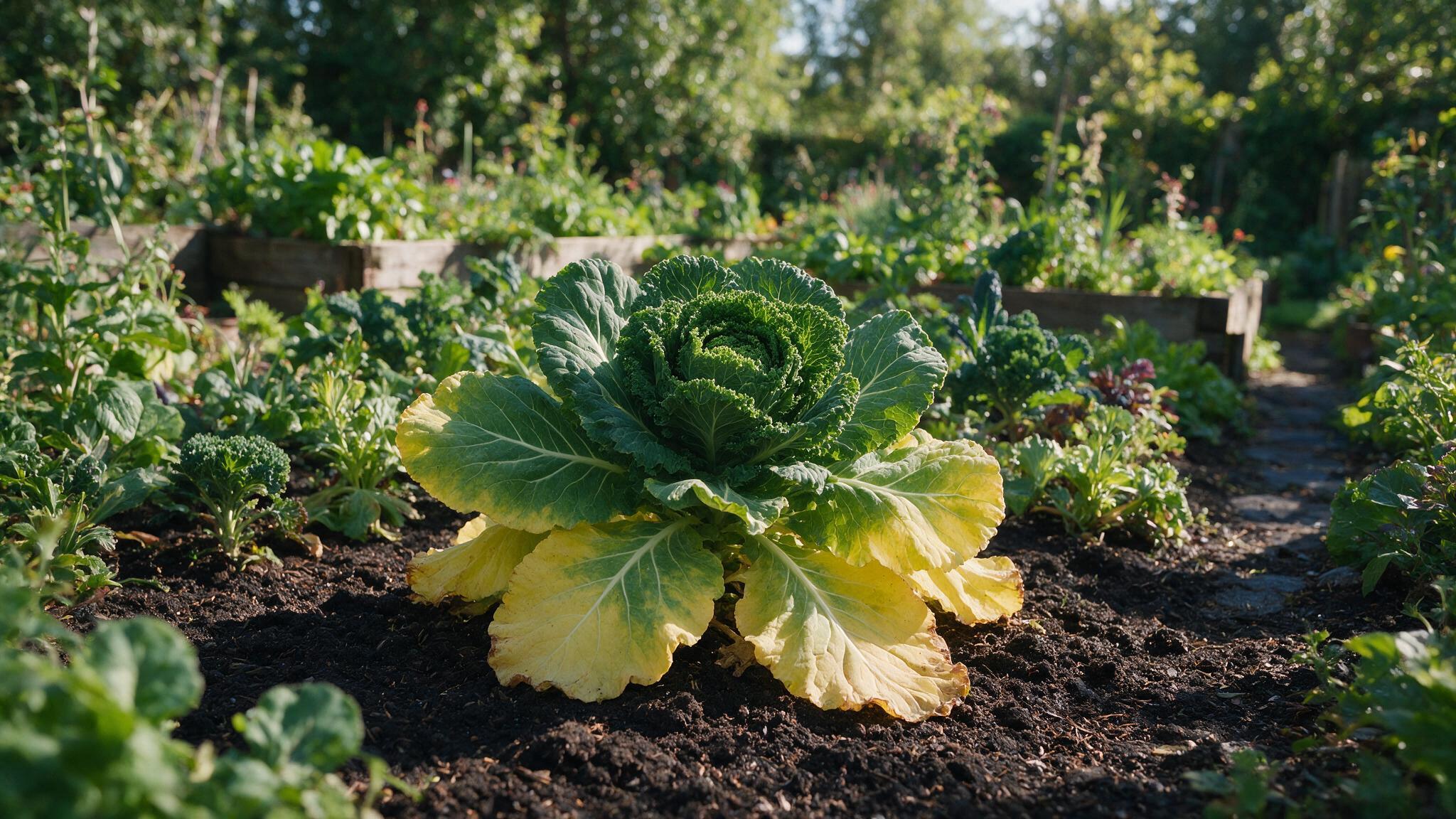
You step outside to check on your kale, and instead of those deep, rich green leaves you were expecting, you see yellow. It is frustrating — especially when you have been putting in the effort to water, weed, and tend your garden. The good news is that yellow kale leaves are almost always diagnosable, and most causes are fixable once you know what you are looking at.
Kale is a nutrient-hungry vegetable, and when it cannot get what it needs, the leaves show it fast. Whether you are growing it in a raised bed in the Pacific Northwest, a container on a Texas patio, or a backyard plot in the Midwest, the same core causes apply. This guide walks you through every reason your kale might be turning yellow — and exactly what to do about it.
What Does It Mean When Your Kale Is Turning Yellow?
Yellow leaves on kale are the plant’s way of communicating that something is off. Yellowing leaves are the plant’s equivalent of a distress flare, and nutrient deficiencies or overwatering are often the culprits behind pale or yellow leaves. That said, not every yellow leaf signals a crisis.
Pay attention to patterns — uniform yellowing could be a natural farewell to old leaves, while specific spots or edges suggest more targeted trouble. The location of the yellowing, whether it starts at the leaf edges, between the veins, or uniformly across the whole leaf, tells you a great deal about the underlying cause.
Kale belongs to the brassica family. A popular member of the cabbage family, kale (Brassica oleracea var. acephala) is a cruciferous vegetable, like broccoli, cauliflower, and Brussels sprouts, and is available in a variety of types including lacinato, curly, Red Russian, and Chinese kale. Each variety can experience yellowing, and the diagnosis process is the same across all of them.
Is Yellowing in Kale Always a Sign of a Problem?
Not always. Some yellowing is completely normal and nothing to worry about. It is not uncommon for the bottom leaves on plants to turn yellow. As the plant matures and puts energy into new growth, older lower leaves naturally senesce and fade — this is part of the plant’s life cycle, not a distress signal.
If you are growing kale from seed, the very first leaves (called cotyledons) will also yellow and drop as true leaves take over. If it is just the cotyledons turning yellow but the rest of your kale seedling looks healthy and green, do not panic — only if your true leaves are turning yellow is it a sign that something might need fixing.
The situation becomes a concern when yellowing spreads to healthy mid-canopy or upper leaves, appears alongside wilting or spots, or progresses rapidly over several days. At that point, it is worth investigating the causes below.
Pro Tip: Before assuming the worst, remove any naturally senescing bottom leaves. If the yellowing stops there, your plant is likely fine. If new leaves continue to yellow, dig deeper into the causes outlined in this guide.
Watering Issues Causing Kale Yellowing
Watering problems — both too much and too little — are among the most common reasons kale turns yellow in American home gardens. Overwatering can cause kale leaves to droop and yellow, because kale likes consistent moisture but waterlogged roots quickly lead to yellowing leaves and a limp plant — check that your soil drains well and avoid allowing the plant to sit in soggy conditions.
Overwatering fills the air pore space between soil particles with water instead of air, and air is just as important as water. When roots cannot breathe, they cannot take up nutrients, and the leaves go yellow even if your soil is nutrient-rich. If you press your finger two inches into the soil and it feels soggy rather than moist, you are likely overwatering.
Underwatering causes its own form of stress. A kale plant gasping for water is a sad sight — leaves will appear dry and wrinkled, and the soil will be bone-dry to the touch. In this case, the yellowing tends to be accompanied by dry, crispy leaf edges rather than soft, limp foliage.
Aim for one inch of water per week, and in sandy soil it may be best to water more than once a week. Always water at the base of the plant rather than overhead, and do it early in the morning so the soil surface can dry before evening — this reduces fungal disease risk. If you are growing in containers, ensure pots have drainage holes, and if kale’s roots are still sitting in moisture, mix in some perlite to improve drainage.
Light Conditions Behind Kale Yellowing
Light plays a bigger role in kale health than many gardeners realize. Kale requires full sun to partial shade, with at least six hours of sunlight for full growth, and in hot climates you should protect kale from intense afternoon sun to prevent wilting and flavor loss — balancing sunlight exposure is key to maintaining healthy kale leaves.
Too little light causes the plant to lose the ability to photosynthesize efficiently, which leads to pale, yellowing foliage and leggy growth. Old leaves on the bottom of the plant can turn yellow if they are shaded by taller plants, structures, or even dense upper foliage. If your kale is in a spot that gets fewer than four to six hours of direct sun daily, consider relocating it or thinning surrounding plants.
On the other end, too much intense afternoon sun in summer — especially in hot states like Texas, Arizona, or Georgia — can scorch leaves and cause bleaching or yellowing along the edges. If your kale’s leaves look like they have had a rough day at the beach, crispy edges and a bleached complexion are signs they are getting too much sun. A shade cloth rated at 30 to 40 percent can help during the hottest months. For more on plants that thrive in low-light conditions, that resource can help you plan a more balanced garden setup.
Soil, Nutrients, and Root Health Causing Kale Yellowing
Nutrient problems are one of the top reasons kale turns yellow, and reading the pattern of yellowing helps you identify exactly which nutrient is missing.
Nitrogen deficiency is the most common. Uniform yellowing (chlorosis) begins on older, lower leaves while growth slows and new leaves stay relatively green — this happens because nitrogen is mobile in the plant and is translocated to new growth, leaving older leaves deficient. Kale craves nitrogen for producing lush, dark leaves, so if your plants are fading to pale green or yellow from the bottom up, they may need a nitrogen-rich boost such as composted manure or fish emulsion.
Magnesium deficiency shows up differently. Yellowing appears between the veins while the veins themselves stay green — this is called interveinal chlorosis. Dolomitic lime or Epsom salts can address magnesium deficiency where appropriate.
Iron deficiency also causes interveinal chlorosis, but it tends to appear on younger, newer leaves rather than older ones. If your kale’s young leaves are pale, iron might be the missing piece. pH extremes reduce iron and micronutrient availability, so test your soil — the optimal pH for kale is 6.0 to 7.0 — and correct it with sulfur to lower or lime to raise.
Potassium deficiency shows as yellowing along the leaf edges. Yellow leaf edges are a sign the plant is crying out for potassium. A balanced vegetable fertilizer or wood ash worked lightly into the soil can help.
Pro Tip: Soil testing is an essential step in diagnosing yellow leaves — test your soil at least once a year, focusing on both pH and nutrient levels, as this information is vital for determining the health of your kale and ensuring it receives the nutrients it needs to thrive.
Root health matters just as much as soil chemistry. Compacted soil, poor drainage, or root rot from overwatering all prevent the plant from absorbing nutrients even when they are present. If you suspect root rot, remove the plant, trim the dark, mushy roots, and repot in fresh, well-draining soil. You can also explore companion planting strategies that help improve overall soil health in your garden beds.
Environmental Stress Triggering Kale Yellowing
Kale is a cool-season crop, and temperature extremes — in either direction — are a major source of stress-related yellowing for American gardeners, particularly those in warmer states.
Kale is a cool-season vegetable, and although it likes the sun, the heat of summer can stress kale, affecting its flavor and growth — kale grows best at 75 degrees Fahrenheit or cooler. When temperatures push above that threshold for extended periods, the plant struggles to move nutrients through its vascular system, and leaves begin to yellow and droop. When grown during the hottest part of the season, kale often struggles with stress, resulting in yellow, droopy leaves.
Cold stress is also a factor, though kale handles light frost well. Kale thrives in cool weather, but there is a limit — if the mercury dips below 20°F, your kale might start to look like it is feeling the winter blues, and while frost can sweeten the leaves, a deep freeze is a no-go.
Transplant shock is another environmental trigger that catches many gardeners off guard. When seedlings are moved outdoors too quickly or without proper hardening off, they can yellow in response to the sudden change in temperature, wind, and light intensity. If growing kale from seed inside, four to six weeks is generally enough time before transplanting outdoors — ideally in a cool period of early spring or very late summer — to give them the cool temperatures and space they need to thrive.
Wind stress and poor air circulation also play a role. Crowded plants with limited airflow retain humidity around their leaves, which sets the stage for fungal problems that cause yellowing. Tight spacing reduces airflow, increases humidity, and encourages fungal diseases like Alternaria leaf spot and powdery mildew.
Pests and Disease Leading to Kale Yellowing
Pest and disease pressure is a real concern for kale growers across the United States, and both can cause significant yellowing if left unchecked.
Aphids are among the most common offenders. Their activity can contribute to the yellowing you see in kale leaves. Look for clusters of gray-green aphids sucking the life out of your kale — they tend to congregate on the undersides of leaves and along stems. Insecticidal soap helps control aphids — apply it in the morning or late afternoon so it dries slowly and maintains maximum contact with the pest. Neem oil also has an impact and is safe for beneficial organisms like birds and butterflies.
Other pests including whiteflies, cabbage loopers, and flea beetles, as well as diseases like downy mildew and bacterial or fungal infections, can all cause yellowing with additional signs such as sticky honeydew, visible insects, holes, fuzzy growth, or necrotic spots. Sap-sucking insects remove nutrients directly from the plant, while pathogens damage tissue and vascular function.
Bacterial diseases deserve special attention. While factors such as nutritional deficiencies and fungal infections can produce yellowing, bacterial diseases can be serious — they spread quickly and damage leaves, and once your kale plants are infected, it may not be possible to stop the disease if conditions are favorable, making prevention your best bet for control. Remove any infected plant immediately to try and prevent the bacteria from spreading to the rest of your crop.
Using floating row covers as soon as seedlings go in the ground is one of the most effective preventive measures available to home gardeners. These lightweight fabrics block adult pests from laying eggs on your plants while still allowing sunlight and rain to pass through. You can also use pest-repelling companion plants strategically around your kale to reduce insect pressure naturally.
How to Diagnose Why Your Kale Is Turning Yellow
A systematic approach saves time and prevents you from applying the wrong fix. Work through these steps in order before reaching for any fertilizer, pesticide, or amendment.
- Identify where the yellowing starts. Identifying the pattern of yellowing — older vs. new leaves, spots vs. uniform, edge vs. veins — points to the cause and the appropriate fix. Lower, older leaves yellowing evenly = likely nitrogen. Yellow between green veins = magnesium or iron. Yellow edges = potassium. Spotty or blotchy = pests or disease.
- Check soil moisture. Push your finger two inches into the soil. Soggy soil points to overwatering or drainage issues. Bone-dry soil points to underwatering. Use a moisture meter or simply stick your finger into the soil to gauge its dampness.
- Inspect the leaves closely. Flip them over and look at the undersides. Flip over a few leaves and inspect for movement, eggs, or sticky residue that signals pest activity.
- Check the temperature and recent weather. Recent weather changes or variations in your care practices can provide vital clues to the underlying cause of the yellowing. Heat waves, cold snaps, and heavy rain events are all worth noting.
- Test your soil. A home soil test kit from a garden center or an extension service test can confirm pH and nutrient levels. A simple soil test can confirm deficiencies and guide your next steps. Your local cooperative extension office — part of the USDA’s land-grant university network — often provides low-cost testing with region-specific recommendations. You can also use plant identification apps or Android plant apps to help cross-reference symptoms.
Key Insight: Once a leaf turns yellow, it will not turn green again. Once leaves are yellow, they cannot be changed back — remove them and dispose of them. Your goal is to stop the progression and protect healthy growth, not to reverse already-yellowed leaves.
How to Fix a Kale Plant That Is Turning Yellow
Once you have identified the cause, apply the appropriate fix. Here is a clear breakdown by cause:
| Cause | Symptoms | Fix |
|---|---|---|
| Nitrogen deficiency | Lower leaves yellow first, uniform fading | Apply fish emulsion, blood meal, or composted manure; expect improvement in 7–14 days |
| Magnesium deficiency | Interveinal yellowing on older leaves | Apply Epsom salts (1 tbsp per gallon of water) as a foliar spray or soil drench |
| Iron deficiency | Interveinal yellowing on new leaves | Lower soil pH if above 7.0; apply chelated iron |
| Potassium deficiency | Yellow leaf edges | Use a balanced vegetable fertilizer or wood ash |
| Overwatering | Yellow + limp leaves, soggy soil | Stop watering; improve drainage; trim mushy roots if present |
| Underwatering | Yellow + dry, crispy edges | Water slowly, allowing moisture to reach the roots; establish a consistent schedule |
| Heat stress | Yellowing + wilting in summer | Add mulch, use shade cloth, water deeply in the morning |
| Aphids / pests | Yellowing + visible insects or honeydew | Blast with water, apply neem oil or insecticidal soap |
| Bacterial disease | Yellow with spots or lesions | Remove infected leaves or entire plant; do not compost |
For nitrogen specifically, side-dressing with compost or applying a diluted fish emulsion gives the crop the nutrient boost it needs. For overwatering, cease watering immediately and let the soil dry out — if root rot has set in, remove the plant, trim the dark, mushy roots, and repot in fresh, well-draining soil.
If you are dealing with a confirmed bacterial infection, you may be able to save your plants by spraying them with liquid copper every 7 to 10 days, more often if it rains. However, if black rot is present, removal of the affected plant is usually the only reliable option to protect the rest of your garden. Explore the full range of plant types you can grow alongside kale to help build a more resilient, diverse garden bed.
How to Prevent Kale Yellowing Going Forward
Prevention is far easier than treatment, and a few consistent habits will keep your kale producing deep green leaves through the whole growing season.
- Plant at the right time. Keeping your kale healthy starts with planting at the right time — kale prefers cool weather, even a touch of frost on the leaves, which means it is best grown in early spring or late summer for a fall harvest. In warmer US states, a fall planting is often more successful than a spring one.
- Mulch consistently. A layer of mulch around the base helps regulate soil moisture and keeps the roots cool. Straw, shredded leaves, or wood chips work well. Aim for two to three inches.
- Water at the base, early in the day. Water the base of the plant early in the day to reduce the risk of fungal disease. Avoid overhead watering whenever possible.
- Feed regularly. Dress your soil with compost every 6 to 8 weeks, and a seaweed emulsion or organic fish and seaweed food can help boost growth when used lightly throughout the entire season.
- Space plants properly. Good airflow between plants prevents the humidity buildup that encourages fungal disease. Follow spacing recommendations for your specific kale variety — typically 18 to 24 inches apart.
- Rotate your crops. Avoid planting kale or any brassica vegetables in the same spot more than once every four years — rotating vegetable garden crops helps prevent diseases and disrupts pest life cycles that linger in the soil.
- Use row covers proactively. Consider using floating row covers as soon as your seedlings go in the ground to guard against insects like flea beetles and cabbage moths.
- Avoid late-season overfeeding. Too much nitrogen late in the season promotes tender, pest-attracting growth and delays maturity. Ease off heavy nitrogen applications as your plants approach harvest.
If you grow kale in containers, pay extra attention to drainage and feeding frequency, as potted plants deplete nutrients faster than in-ground beds. Pairing kale with drought-tolerant companion plants in warmer climates can also help reduce the overall water management burden in your garden. For gardeners dealing with wildlife pressure, check out tips on deer-tolerant plants that can protect your edible garden from browsing damage.
Important Note: Kale yellowing caused by bacterial disease can look very similar to nutrient deficiency in early stages. It can be tough to diagnose a bacterial infection with 100% certainty without sending samples to a lab for analysis, but you can test and regulate the nutrients you provide to your plants, as well as the quality and quantity of water and available light. When in doubt, contact your local cooperative extension service for a professional assessment.
FAQ
Can you eat kale that has turned yellow?
Whether kale that has turned yellow is safe to eat depends on why it turned yellow in the first place — if harvested leaves turn yellow due to being stored too long or improperly in the fridge, they are likely safe as long as they do not show signs of rotting or smell funky, though they will probably be less flavorful and may be unpleasantly bitter. If they turned yellow due to an infection or show signs of rotting, throw them away, as spoiled greens have the potential to make you sick.
Why are my kale seedlings turning yellow?
Kale seedlings turning yellow could be caused by overwatering, temperatures that are too high, or a lack of nitrogen — there is also the possibility that bacterial disease is involved, though this is less likely to be pronounced on seedlings compared to more established plants. Check soil moisture first, then consider whether indoor temperatures have been too warm before transplanting outdoors.
How do I know if my kale has nitrogen deficiency vs. a disease?
Nitrogen deficiency produces uniform, even yellowing that starts on the oldest, lowest leaves and moves upward gradually. Disease typically produces irregular spotting, lesions, or yellowing with distinct edges, often accompanied by wilting or tissue death. Check whether the leaves are yellow uniformly throughout, or suffering chlorosis with veins that remain green. Uniform yellowing without spots usually points to a nutrient issue; spotty or blotchy yellowing with dark edges typically points to a pathogen.
How often should I water kale to prevent yellowing?
Kale grows best in evenly moist soil but not in soggy conditions — use mulch to hold moisture and regulate soil temperature, especially during warm spells. As a general rule, aim for about one inch of water per week, adjusted for your local rainfall and soil type. In hot, dry US climates, you may need to water two to three times per week during summer.
Does kale yellow in winter?
Kale can handle light frost and actually sweetens after a freeze. Kale thrives in cooler temperatures and can sweeten with a touch of frost, but extreme heat can turn kale bitter and heavy frost or snow may cause collapse. Some winter yellowing of outer leaves is normal, especially after prolonged cold snaps. Protect plants with row covers when temperatures are expected to drop below 20°F. For gardeners interested in expanding their plant knowledge, exploring wind-tolerant plants can help you build a more resilient garden that handles seasonal extremes better overall.