Why Is My Prayer Plant Turning Yellow? Causes, Fixes, and Prevention Tips

September 17, 2026
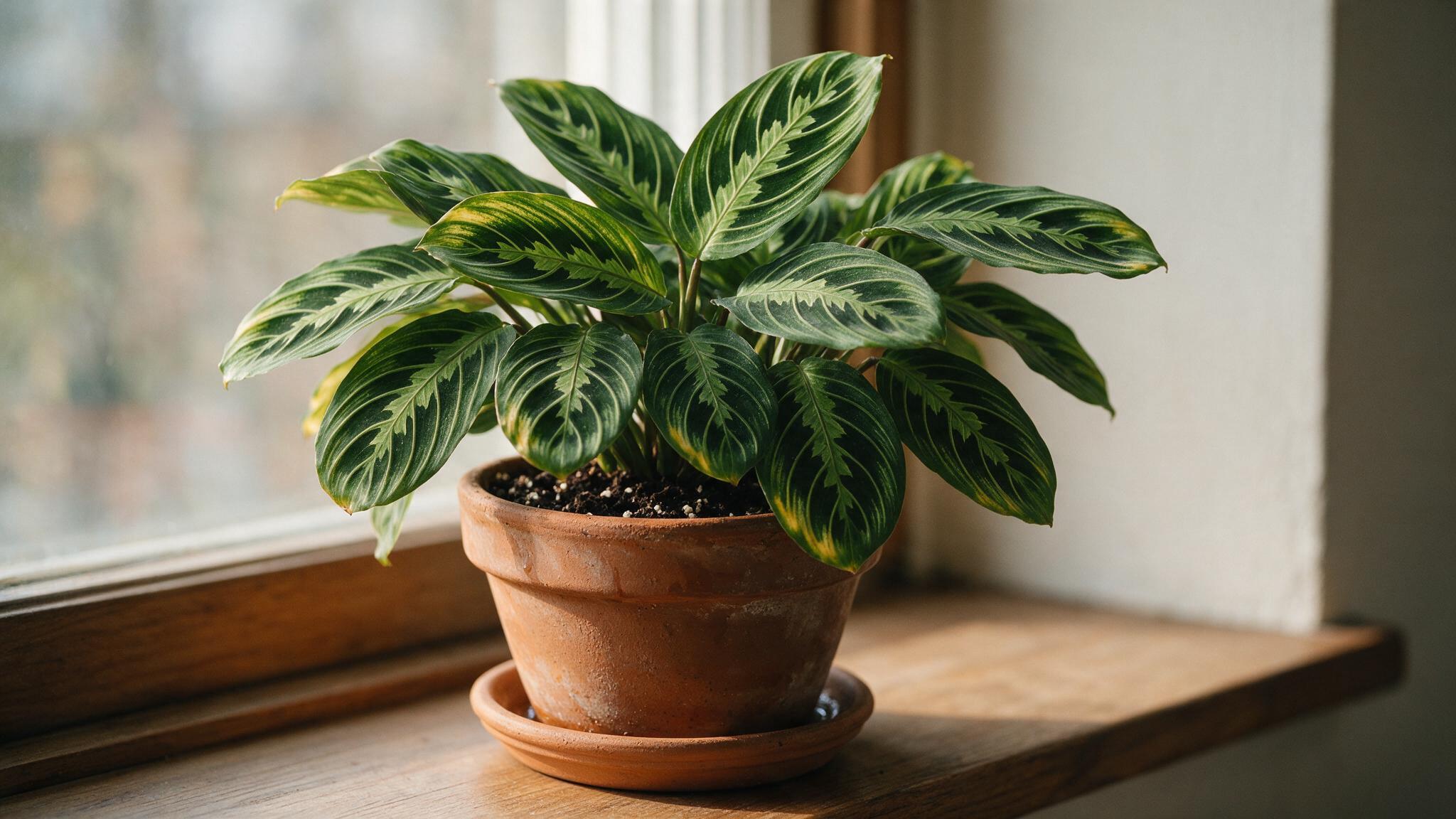
Few things are more disheartening than watching your prayer plant’s gorgeous, patterned leaves fade from deep green to a sickly yellow. The prayer plant is a visually stunning houseplant that captivates with its unique foliage — leaves that fold together at night, resembling hands in prayer. When that striking display starts to yellow, it’s a signal your plant is trying to tell you something.
The good news is that yellowing leaves are rarely a death sentence. Yellowing prayer plant leaves do not mean your plant is done for — by understanding the causes, such as overwatering, insufficient light, pests, or other factors, you can diagnose the problem early and take corrective action. This guide walks you through every likely cause and gives you a clear path to fixing it.
What Does It Mean When Your Prayer Plant Is Turning Yellow?
Yellow foliage is often the earliest sign that something is wrong with your houseplant. This discoloration is most commonly caused by environmental damage, including incorrect watering practices, humidity or temperature issues, poor soil conditions, and nutrient deficiencies. Think of yellow leaves as your plant’s way of waving a flag before bigger problems set in.
Your prayer plant’s yellow leaves might be caused by various factors, most of which are related to its surroundings. There is no magic-bullet solution. Instead, you need to look a little deeper into the specific needs of this plant to identify and treat the discoloration.
Native to the tropical rainforests of Brazil, the prayer plant thrives in warm, humid environments under the canopy of trees where light is filtered and the air is moist. It belongs to the arrowroot family, Marantaceae. When your home conditions stray too far from that tropical baseline, the leaves are usually the first thing to show it.
Pro Tip: Pay attention to which leaves are yellowing — older, lower leaves yellowing on their own often signal natural aging, while yellowing that spreads to new growth points to a care or environmental problem that needs attention.
Is Yellowing in Prayer Plants Always a Sign of a Problem?
Not always. Plants, like all living beings, have a life cycle. It’s natural for older leaves to yellow, wither, and fall off, making way for fresh, new growth. It’s important to differentiate between natural aging and other plant care issues. Old leaves usually gradually turn a pale yellow color before finishing with brown.
A mature leaf of a prayer plant goes brown and yellow and dies off after it has photosynthesized and produced new energy for the plant to produce new leaves. If you notice one or two older leaves at the base of the plant yellowing while the rest of the plant looks healthy and is putting out new growth, you can relax — that’s normal.
Accelerated leaf shedding may suggest a plant is stressed, but it would not be unexpected for a Maranta to lose a few old leaves over the course of a growing season if it’s been producing new growth normally. The concern begins when multiple leaves across different parts of the plant yellow at the same time, or when new growth comes in yellow.
Watering Issues Causing Prayer Plant Yellowing
Watering problems are the single most common reason prayer plants turn yellow, and both overwatering and underwatering can cause the symptom — just in slightly different ways.
Overwatering and Root Rot
The most common cause of yellow leaves on prayer plants is overwatering. Too much water can lead to waterlogged soil and root rot, which causes a whole range of issues — yellow leaves being one of the first signs. Too much water prevents the roots from getting the air circulation they need and leads to root rot. When overwatered, the excess moisture suffocates the roots and promotes fungal growth, leading the leaves to turn yellow and eventually drop.
Rotting and mushy roots mean that the plant is unable to take up nutrients, and the leaves will turn yellow, mushy, and fall off the plant. Check the soil immediately if you suspect overwatering. Waterlogged soil also gives off quite a damp and musty smell, so get up close to your prayer plant and check for any odors.
One common cause of waterlogged soil is watering your plant while its pot sits in a saucer. If water is left to stand in the saucer, the excess liquid won’t drain from the soil — instead, the soil will wick up more moisture from the saucer. This creates waterlogged conditions and can lead to root rot, a potentially fatal condition.
Underwatering
When prayer plants don’t get sufficient water, they are unable to take up the nutrients they need. Underwatered prayer plants start to wilt and crisp up. The lower leaves turn yellow first, then fall off over time. If the soil is bone dry and pulling away from the sides of the pot, underwatering is the likely culprit.
Only water your prayer plant when the top one to two inches of soil are completely dry. Depending on the pot size, soil mix, plant size, season, and current humidity and temperatures, your plant may need water once per week or even less frequently in cold conditions.
Water Quality
Maranta plants are sensitive to water quality, including municipal tap water additives like fluoride, or any water source high in minerals (“hard” water) or sodium salt, such as the small amounts in some bottled water or household water softeners. Tap water is often rich in minerals, salts, and chemicals like chlorine — elements that can be harsh for sensitive plants like prayer plants, leading to yellowing or leaf burn.
Switching to filtered, distilled, or collected rainwater makes a real difference for these sensitive plants. If you choose to use tap water, allow it to stand for at least 12 hours before application. Maranta tend to be quite sensitive to temperature change, so pouring cold tap water immediately into the pot will not only add chlorine into the soil but could even result in a weakened plant due to the sudden low temperatures.
Pro Tip: Empty your plant’s saucer within 30 minutes after watering. Make sure the pot isn’t sitting on a saucer that has drained water in it, since you don’t want water soaking back into the drain hole and keeping roots soggy. After watering a plant sitting on a saucer, empty the saucer promptly so it doesn’t puddle water under the pot.
Light Conditions Behind Prayer Plant Yellowing
Prayer plants prefer bright, indirect light. Direct sunlight can scorch the leaves, while too little light can cause the leaves to lose their vibrant patterns. A spot near an east or north-facing window is ideal, providing the plant with gentle morning sunlight and shade for the rest of the day.
Too Much Direct Sun
Excessive light exposure can scorch prayer plant leaves. If your plant is receiving too much light, the leaves will first turn pale, then progress to yellow before eventually becoming brown and crispy if the light stress continues. Bright lighting or excessive phosphate or fluoride can cause leaf tips and margins to burn, leaving a band of yellow tissue between the healthy and dead tissues.
Too Little Light
In low-light conditions, the leaves will also gradually lose their green pigment and turn pale yellow, especially on new growth. Insufficient sunlight starves the prayer plant of the light it needs to photosynthesize and keep its color vibrant. If your plant is sitting in a dim corner and the newer leaves are coming in washed-out or pale, moving it closer to a bright window is the first step.
If natural window light is limited in your home — common in many apartments and offices across the US — you can supplement with artificial lighting like grow lights or full-spectrum bulbs for 12 to 14 hours per day if sunlight from windows isn’t enough. For more options on the best houseplants for low-light areas, it helps to understand which plants tolerate dim conditions without yellowing.
Soil, Nutrients, and Root Health Causing Prayer Plant Yellowing
Prayer plants grow best in well-draining, organically rich soils, giving them the nutrients they need and preventing waterlogging. Regular potting soil is too dense. Dense, compacted soil holds too much moisture around the roots and starves them of oxygen — a double blow that shows up quickly as yellow leaves.
Use well-draining soil containing peat, perlite, and orchid bark. Adding perlite or orchid bark mix to dense potting soil can improve drainage. This mix mimics the loose, fast-draining forest floor soil that prayer plants evolved in.
Nutrient Deficiency and Chlorosis
Nutrient deficiencies slowly rob your prayer plant of its health. Over time, the plant depletes the nutrients in the soil, leading to yellow or off-color leaves. Iron deficiency, also known as chlorosis, is a common culprit. Chlorosis causes yellow prayer plant foliage, especially on younger leaves.
Over time, an iron deficiency (chlorosis) will start to turn older leaves yellow too. Check your soil pH to make sure it is around 5.5–6.0. If it is out of range, amend the soil so your plant has the chance to better absorb the nutrients already in the soil. Having the correct soil pH will also mean your fertilizer will be fully accessible to the plant, and new growth will be green and healthy.
Prayer plants benefit from regular fertilization during their active growing season (spring and summer). Use a balanced, water-soluble fertilizer diluted to half strength every 2–4 weeks. A 10-10-10 or 5-5-5 NPK ratio works well. A dose of liquid iron fertilizer mixed per package directions can help correct chlorosis, provided the pH of your medium is around 6.0.
Over-Fertilization
If plants are over-fertilized, this can contribute to salts that build up in the soil over time, which can stress or damage roots. Signs of over-fertilization include brown leaf tips or edges, wilting despite adequate watering, a white crust on the soil surface, and stunted growth. If you see a white mineral crust forming on the soil, flush the pot thoroughly with plain water to clear accumulated salts.
Pro Tip: If your Maranta is kept somewhere dim, you don’t need to fertilize if you’ve already started with a quality soil mix. The lack of light means the plant can’t process water and soil nutrients as quickly, and adding extra fertilizer will just make your soil saturated and may even burn the plant’s roots.
Environmental Stress Triggering Prayer Plant Yellowing
Prayer plants are tropical natives, and the typical US home environment — especially during winter — can stress them in ways that show up as yellow leaves.
Low Humidity
In arid locations or during the winter months, when indoor air is very dry, your plant can suffer from a lack of humidity, and you may notice the leaf tips or edges turn yellow or even brown. These tropical natives are particularly sensitive to humidity levels and thrive when the relative humidity is in a range of 40–60 percent. Some sources suggest prayer plants need relatively high humidity of around 60 to 80 percent to mimic their native rainforest environment.
You can raise humidity by placing the pot on a pebble tray filled with water (keeping the pot above the waterline), running a humidifier nearby, or grouping your prayer plant with other houseplants. If lighting in your bathroom is sufficient, this may be a good home for your plant due to the higher humidity levels.
Temperature Extremes and Cold Drafts
Prayer plants are not cold hardy and will perish if temperatures drop below freezing. But temperatures don’t have to fall to freezing for your prayer plant to suffer — they are also sensitive to cool temperatures. These tropical natives should be kept in a location that remains above 55°F at all times. If exposed to temperatures colder than this, yellowing leaves are likely.
Rapid temperature shifts, either from cold drafts or direct heat sources, can stress prayer plants and affect their overall health, resulting in yellowing leaves. Keep your plant away from air conditioning vents, drafty windows, and exterior doors — all common culprits in American homes during summer and winter alike.
If the leaves touch the window itself, cooler nights might cause the leaf to yellow where it was in contact with the glass, or moisture condensation on the glass from a cool evening could allow an opportunistic leaf infection to set in.
Pests and Disease Leading to Prayer Plant Yellowing
Pests like spider mites, aphids, mealybugs, and scale can all attack prayer plants and cause leaf yellowing. Pests pierce plant tissues and suck out moisture and nutrients. This feeding damage causes stippling, discoloration, wilting, and ultimately leaf loss.
Spider Mites
The prayer plant (Maranta leuconeura) is particularly prone to spider mite infestations, especially when the air is dry. Spider mites can be identified by the fine webs they weave on the plant and cause yellowing or speckled leaves. Spider mites are small, near-transparent critters that slowly suck out the chlorophyll from the leaves. Check under the leaves, most notably along the midrib, for small webs and gritty yellow bumps.
Mealybugs
Mealybugs are white, cottony pests that tend to cluster in leaf axils and under leaves, sucking sap and weakening the plant. Remove them with alcohol-dipped cotton swabs or apply neem oil. Check the undersides of leaves and the joints where leaves meet the stem — those are their favorite hiding spots.
Fungal Disease
Helminthosporium leaf spot is a fungal disease that causes small, water-soaked spots to appear on prayer plant leaves. These spots soon yellow and spread, eventually becoming tan areas with yellow halos. This fungus takes hold when plants are chronically over-irrigated and leaves frequently are covered in standing water.
Correct the irrigation problem to eliminate future risk of disease and water only at the base of the plant in the morning, so that water evaporates from splashed surfaces quickly. An application of neem oil or the fungicide chlorothalonil can kill active disease, but prevention of future outbreaks is vital.
If you’re also dealing with unwanted visitors around your houseplants, you might find it helpful to explore how to keep cats out of houseplants, since curious pets can spread pests between plants or damage foliage.
How to Diagnose Why Your Prayer Plant Is Turning Yellow
Diagnosing unusual yellow leaves on a prayer plant requires looking at the plant’s environment and maintenance up to this point. If you’re lucky, the root cause may be as simple as a poorly chosen location or a non-draining container. The more symptoms you can identify, the easier it is to narrow down the true source of yellowing leaves.
Work through this checklist systematically:
- Check the soil moisture. Push your finger two inches into the soil. Soggy or waterlogged soil points to overwatering or poor drainage. Bone-dry soil points to underwatering.
- Smell the soil. Waterlogged soil gives off a damp and musty smell — a strong sign of root rot in progress.
- Inspect the roots. If root rot is suspected, inspect the roots for mushiness and a foul odor. Healthy roots are white or tan and firm; rotted roots are brown, black, or mushy.
- Look at which leaves are affected. Yellowing only on the oldest, lowest leaves is likely natural aging. Yellowing on new growth or across the whole plant suggests a systemic problem.
- Assess the light. Is the plant in direct sun? Has it recently been moved to a darker spot? Both extremes cause yellowing.
- Check for pests. Inspect plants regularly for early signs of infestation and look for webbing, honeydew, and visible insects. Flip the leaves and examine the undersides and stem joints closely.
- Consider the season. Winter heating systems drop indoor humidity sharply, and reduced light in northern states can starve the plant of energy.
If you want help identifying what’s wrong more quickly, the best iPhone apps for identifying plants can also help you cross-reference symptoms and get a second opinion on what you’re seeing.
Pro Tip: Yellowing sometimes has more than one reason behind it. The best approach is to eliminate every potential cause and work through all issues systematically. Don’t stop investigating after you find one problem — there may be two happening at once.
How to Fix a Prayer Plant That Is Turning Yellow
Once you’ve identified the cause, here’s how to address it directly:
Fixing Overwatering and Root Rot
If the soil is very soggy, replace it immediately rather than waiting for it to dry out naturally. Overwatering is the primary cause of root rot, leading to brown, mushy roots and yellowing leaves. Reduce watering, improve drainage, and repot the plant into fresh, well-draining soil. Severely affected roots should be trimmed before repotting.
Remove any affected roots and repot the plant in fresh, well-draining soil. Use a pot with drainage holes and resist the urge to water again until the top two inches of soil feel dry.
Fixing Light Problems
Move the plant away from direct sun to a spot with bright, filtered light. An east- or north-facing window works well in most US homes. Move your plant to a location with indirect light and begin watering with purified water. If the issue was too little light, move it closer to a window or add a grow light on a timer.
Fixing Nutrient Deficiency
A dose of liquid iron fertilizer mixed per package directions can help correct chlorosis, provided the pH of your medium is around 6.0. A soil test may be in order, or it could be time to repot. Consider repotting every one to two years with fresh soil mix to prevent soil compaction and refresh nutrients.
Fixing Pest Infestations
Increase humidity around the plant and wash it with a strong stream of water to address spider mites. For severe infestations, use insecticidal soap or neem oil. For heavy infestations, prune affected parts and spray neem oil and/or insecticidal soap solution regularly on leaves.
Fixing Environmental Stress
Relocate the plant away from vents, drafty windows, and exterior doors. If humidity is the problem, place the pot on a pebble tray or run a small humidifier nearby. Mist prayer plants regularly (up to once a day), use a humidifier, or sit them on a pebble tray with water to help increase humidity.
For a broader look at how different types of plants handle environmental stress differently, it can help to understand what sets tropical houseplants apart from hardier varieties.
How to Prevent Prayer Plant Yellowing Going Forward
Prevention is far easier than recovery. Once your plant is back on track, these habits will keep yellow leaves from returning:
- Water consistently, not on a rigid schedule. Soggy soil is the number one nemesis of prayer plants and can cause root rot. Grow your plants in well-draining pots, feel the soil before watering, and only water when the top 1 inch of potting mix feels dry.
- Use quality water. If your tap water contains salts or additives, consider using distilled or rainwater to prevent brown leaf edges.
- Repot on a regular schedule. Prayer plants grow slowly, so they don’t need frequent repotting — every two to three years is usually enough, unless you spot roots creeping out of the drainage holes or notice the soil drying out unusually fast. Spring is ideal, when the plant is actively growing.
- Fertilize lightly during the growing season. Prayer plants benefit from regular fertilization during their active growing season (spring and summer). Use a balanced, water-soluble fertilizer diluted to half strength every two to four weeks. Cut back or stop entirely in fall and winter.
- Maintain humidity above 40%. Too low humidity can cause browning tips with yellow halos on juvenile leaves. Mist or rinse the foliage from time to time and create a humidity tray while heaters are active to create a stable environment.
- Quarantine new plants. Spider mites and mealybugs sometimes affect prayer plants, especially when bringing new plants into your home or placing houseplants outdoors in the summer. Quarantining new arrivals for a week or two is the best way to prevent infestations.
- Keep away from temperature extremes. These tropical natives should be kept in a location that remains above 55°F at all times. In most US homes, that means staying clear of exterior walls in winter and AC vents in summer.
If you enjoy growing other tropical or low-maintenance houseplants alongside your prayer plant, exploring different types of rubber plants or types of spider plants can help you build a collection with compatible care needs. You might also find the best Android apps for identifying plants useful for monitoring your whole collection for early signs of stress.
Frequently Asked Questions
Should I Remove Yellow Leaves from My Prayer Plant?
Yes. You can trim yellow leaves off your prayer plant to improve its appearance and redirect energy to healthier parts of the plant. Use clean, sharp scissors and cut the stem close to the base. Removing damaged foliage also reduces the risk of fungal disease spreading to healthy leaves.
Can a Prayer Plant Recover from Root Rot?
It can, if caught early enough. If you suspect root rot, carefully remove the plant from its pot, inspect the roots for any signs of rot, and repot it in fresh, well-draining soil. Trim away all brown or mushy roots with sterilized scissors, let the roots air-dry briefly, then repot in a clean pot with fresh, well-draining mix.
Why Are Only the Leaf Tips Turning Yellow?
Brown or yellow tips on the leaves of a prayer plant can be caused by sensitivity to chemicals in water or over-fertilizing. Low humidity is another frequent cause of tip yellowing in US homes, particularly during winter when central heating dries out the air significantly.
How Often Should I Water My Prayer Plant?
Stick to a consistent one- to two-week watering frequency, depending on conditions. Always check the soil first — the top inch or two should feel dry before you water again. In summer, your plant may need water more frequently; in winter, much less.
Why Is My Prayer Plant Turning Yellow After Repotting?
Some temporary yellowing after repotting is normal — it’s transplant shock. Repot every three years in spring using a houseplant or Calathea and Maranta labeled potting mix and the next sized pot with adequate drainage. Hydrate the plant 24 hours before tinkering with the roots to prevent the risk of transplant shock. Give the plant a few weeks in stable conditions before worrying further.
Is a Yellow Prayer Plant Toxic to Pets?
One of the best things about prayer plants is that they are entirely nontoxic for pets, making them a safe choice for homes with curious cats, dogs, or other furry friends. You can enjoy the beauty of these vibrant, patterned leaves without worrying about nibbling paws or accidental ingestion. If you want to explore other pet-safe options, check out our guide on plants that repel cats to help keep curious felines away from your collection altogether.