
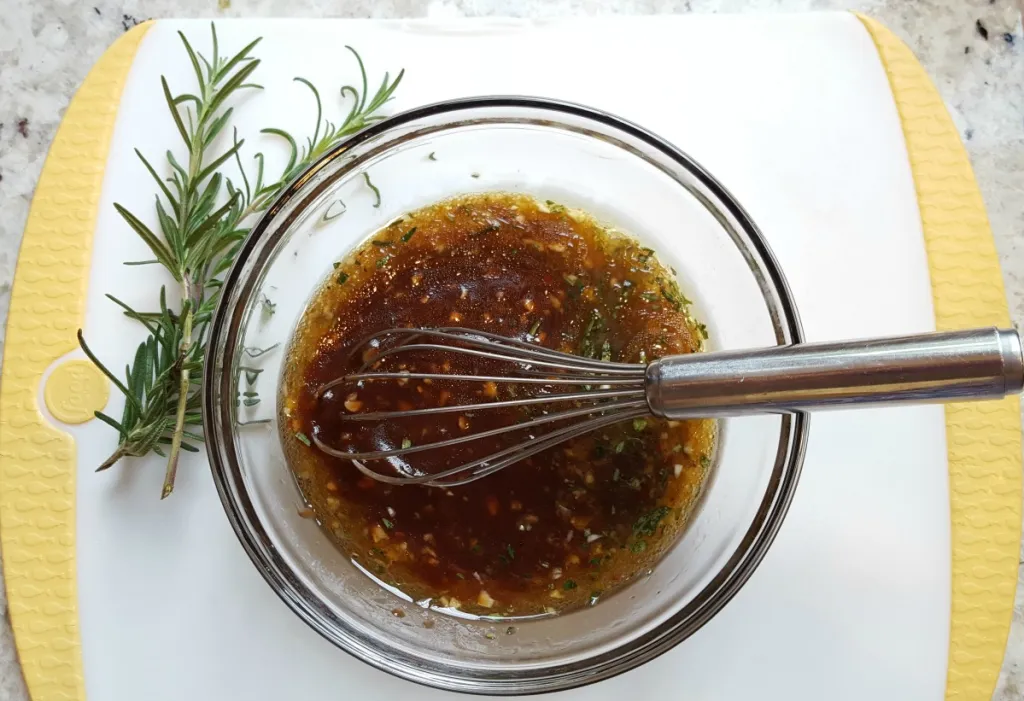
Olive oil marinade is one of the most versatile tools in an American home kitchen — a quick mix of oil, acid, herbs, and garlic can transform chicken thighs, steak, shrimp, or vegetables in just a few hours. But what happens when you make too much, or you want to get ahead on meal prep?
The short answer is yes, you can freeze olive oil marinade, both on its own and with protein already in it. Knowing the right way to do it — and what to expect when you thaw it — will save you time, reduce food waste, and keep your meals tasting great. This guide covers everything from proper freezing technique to the signs that something has gone wrong.
Can You Freeze Olive Oil Marinade?
You can absolutely freeze olive oil, and it’s one of the best ways to preserve it if you don’t use it often or want to store it long-term. The same holds true when olive oil is part of a marinade. By placing chicken, beef, pork, or fish in a marinade and then freezing it for later, you get to skip this time-consuming process when mealtime approaches.
You can freeze meat or seafood that has been marinated in olive oil, but you should follow safe freezing practices to prevent the growth of bacteria. Always label and date the frozen products and use them within a few months. If you want to freeze the marinade on its own — without any protein — that works just as well and gives you a ready-made flavor base whenever you need it.
Premixing and freezing marinades is a no-mess solution to all your scheduling problems. Just mix your ingredients in a sealable, zip-top bag, squish to mix, label, then pop in the freezer so they’ll be ready when you need them.
Pro Tip: Freeze your olive oil marinade in individual portions sized for one meal. That way, you never have to thaw more than you need, and you avoid repeated temperature changes that can degrade quality.
Does Freezing Change the Texture or Taste of Olive Oil Marinade?
Freezing does cause some visible changes to olive oil, though most are cosmetic. When olive oil is frozen or chilled, it solidifies and turns cloudy and thickens. This change in appearance is normal and does not mean the oil has spoiled. Once the marinade thaws back to room temperature, it returns to its usual liquid state.
The idea of freezing olive oil might seem like it could mess with the texture or flavor, but it really doesn’t. Olive oil is mostly fat, and since fat usually freezes slowly and uniformly, it tends to stay stable without separating too much or getting weird when it thaws. It comes back to life just fine, and you likely won’t notice a change in the way it cooks or tastes.
There is one nuance worth noting for high-end extra virgin olive oil. If you’re working with extra-virgin olive oil, freezing could cause some of its delicate flavors to fade. For a marinade destined for the grill or oven, this difference is minor. For a finishing oil you’d drizzle over a salad, pantry storage is a better choice.
Olive oil-based marinades can stand up to the freezer’s cold temperatures. Pairing your olive oil marinade with fresh rosemary, sage, and thyme gives you three herbs that also freeze and reheat well. On the flip side, mayonnaise, which can be used to marinate salmon or chicken to make them juicy, turns rubbery when frozen, resulting in an undesirable texture when reheated — so stick with olive oil as your fat base when you plan to freeze.
How to Freeze Olive Oil Marinade the Right Way
Whether you’re freezing the marinade alone or with protein already added, the technique is straightforward. Follow these steps for the best results:
- Choose the right container. Choose food-grade glass, BPA-free plastic, or stainless steel containers. Avoid thin plastic bottles — they can crack or leach chemicals when frozen. Resealable heavy-duty freezer bags also work well and lie flat to save freezer space.
- Leave headspace. Always leave headspace of one inch or more for expansion. Olive oil expands slightly as it solidifies, and a marinade with citrus or vinegar can do the same.
- Portion it out. Even if freezing in bulk, it’s better to store in 1-cup to 1-quart containers instead of one large batch. Smaller portions are easier to thaw and use without repeated temperature changes.
- Remove as much air as possible. If using a zip-top freezer bag, press out the air before sealing. Air exposure is one of the main causes of freezer burn and rancidity.
- Label everything. Include the freezing date and type of oil — for example, EVOO or infused. If the marinade contains protein, note the cut of meat as well.
- Freeze flat. Lay bags flat on a baking sheet until frozen solid, then stack them upright to save space.
Pro Tip: For standalone olive oil marinade without meat, an ice cube tray is ideal. Try freezing in smaller portions in an ice cube tray. This way, you can pop out a cube whenever you need it without defrosting the whole stash.
How Long Can You Freeze Olive Oil Marinade?
Freezer life depends on whether the marinade is frozen alone or with protein. The two situations have different timelines.
| What You’re Freezing | Recommended Freezer Time | Notes |
|---|---|---|
| Olive oil marinade (no protein) | Up to 12–18 months | Best flavor within 12 months; olive oil can last up to 2 years frozen, but it’s best to rotate stock within 12–18 months for flavor. |
| Chicken in olive oil marinade | Up to 9 months (safety); 2–3 months (best quality) | Quality declines with freezer burn after 3 months |
| Beef or pork in olive oil marinade | Up to 4–6 months | Thicker cuts hold up longer than thin ones |
| Fish/seafood in olive oil marinade | Up to 3 months | Oil and acidity in marinades can change texture faster with fish. |
The amount of time you can keep meat frozen safely is “indefinitely,” per the USDA, as long as it’s been properly frozen the whole time. How long you should freeze it for quality reasons is a different question, and the answer is probably two to three months. Meat frozen for longer than that is far more likely to be susceptible to freezer burn, which will damage both the taste and texture.
Also keep in mind that acidic marinades with lemon juice or vinegar can alter texture over extended marinating time, so avoid extremely long marination before freezing for delicate proteins. If your olive oil marinade is heavily acidic, freeze the protein sooner rather than letting it sit in the marinade for hours before going into the freezer.
How to Thaw Frozen Olive Oil Marinade
Thawing correctly matters just as much as freezing correctly, especially when protein is involved.
For marinade without protein: To thaw your oil, simply allow it to return to room temperature. Set the container on the counter for 30 to 60 minutes. Thawed olive oil may look cloudy or have a grainy texture — don’t panic. It’s just the natural separation of waxes in the oil, and it’ll go back to normal as it warms up.
For meat frozen in marinade: You always want to freeze food quickly and thaw it slowly, and marinated meat is no exception. Thaw the meat in the fridge rather than on the counter, letting it unfreeze naturally over time. This also has a bonus effect: even if you prefer to thaw your meat before baking, the meat will sit in the marinade as it defrosts, giving it even more flavor with minimal effort.
Once thawed, make sure you use the marinated meat within 24 hours. Do not leave it in the refrigerator for multiple days after thawing — treat it the same as fresh marinated protein from that point forward.
Important Note: Never thaw marinated meat on the kitchen counter at room temperature. Bacteria multiply rapidly between 40°F and 140°F. Always thaw in the refrigerator, under cold running water in a sealed bag, or directly in the microwave if you plan to cook immediately.
Can You Refreeze Olive Oil Marinade After Thawing?
For marinade frozen without protein, refreezing is generally safe if the marinade was thawed in the refrigerator and has not been sitting at room temperature for more than two hours. That said, each freeze-thaw cycle stresses the oil’s delicate polyphenols and aromatic compounds, reducing both flavor and nutritional value over time. Polyphenols are the bioactive compounds that give high-quality extra virgin olive oil its health benefits — and they are among the first things to decline under repeated thermal stress. If you find yourself refreezing olive oil marinade repeatedly, it’s worth making smaller batches instead.
For marinade that has been in contact with raw meat or seafood, the rules are stricter. It’s not recommended to reuse a marinade, as this can contaminate new meat or seafood with bacteria from the previous batch. Always discard the marinade after use and prepare a fresh batch. If the protein was thawed in the refrigerator and never reached room temperature, you can refreeze the meat itself — but plan to use it sooner rather than later, as texture will suffer with each cycle.
How to Use Frozen Olive Oil Marinade (Best Uses After Freezing)
Frozen olive oil marinade is remarkably versatile once thawed. Here are the best ways to put it to work in your kitchen:
- Weeknight protein prep: Drop a frozen marinade cube or bag into a zip-top bag with chicken breasts, pork chops, or shrimp the night before. By dinner, the protein is fully thawed and marinated with zero extra effort.
- Grilling and sheet pan meals: You can toss your favorite protein straight into the oven for an effortless, flavorful dish. Olive oil marinades with garlic, lemon, and herbs work especially well for roasting vegetables alongside the protein on the same pan.
- Pasta and grain bases: You can freeze olive oil in ice cube trays either alone or with herbs to use as a base for soups, stews, or other cooked dishes. Drop a cube directly into a hot pan to start a quick pasta sauce or grain bowl.
- Salad dressings: A thawed olive oil marinade with vinegar, lemon, or Dijon already mixed in doubles as a vinaigrette. Shake it well after thawing to recombine any separated ingredients.
- Dipping sauce: Thawed herb-and-garlic olive oil marinade is excellent as a bread dipping sauce, especially alongside dishes from traditional Greek cuisine where olive oil is a central flavor.
If you enjoy cooking with globally inspired flavors, olive oil marinades pair naturally with traditional Egyptian dishes and classic German recipes that rely on herb-forward, oil-based preparations.
Signs That Frozen Olive Oil Marinade Has Gone Bad
Freezing pauses spoilage but doesn’t prevent it indefinitely. Here’s what to look for before you use a thawed olive oil marinade:
- Rancid smell: Rancid olive oil smells like old crayons, stale nuts, or cardboard. If your thawed marinade has this smell, discard it.
- Off taste: The flavor gets bitter or sour, the smell is strong and off-putting, and it definitely doesn’t add that smooth, rich note you want from a robust olive oil.
- Unusual color: Looking darker than usual can occur, but appearance alone isn’t a reliable test. Always smell and taste a small amount if you’re unsure.
- Separation that won’t recombine: Some separation is normal after thawing and will resolve with stirring or shaking. If the marinade looks broken, oily, and watery with no emulsification even after mixing, it has likely degraded.
- Signs of spoilage in the protein: Look for a sour or off smell beyond the marinade scent, slimy texture on the meat, grayish or greenish discoloration, or a bloated container. Any of these means the protein should be discarded.
- Freezer burn: White, dry patches on the surface of frozen meat indicate freezer burn. The protein is safe to eat but will have a dry, tough texture in those spots after cooking.
Olive oil is rich in healthy fats and antioxidants, which is one reason it’s a staple in heart-healthy eating patterns and diets focused on protective nutrients. Keeping it fresh — whether frozen or pantry-stored — helps you hold onto those benefits.
Key Insight: Cold temperature alone does not cause rancidity — oxidation does. If your thawed marinade smells fresh and grassy, it is fine. Cloudiness or slight graininess after thawing is cosmetic, not a safety issue.
Frequently Asked Questions
Can you freeze olive oil marinade with garlic in it?
Yes, but use caution with fresh garlic submerged in oil. Fresh garlic or herbs submerged in oil and stored improperly can harbor bacteria, creating a food safety risk. Always freeze garlic-olive oil mixtures promptly and never leave them at room temperature for extended periods. Roasted garlic or dried garlic powder are safer alternatives for make-ahead marinades.
Can you freeze olive oil marinade with lemon juice or vinegar?
Yes. Acid-based marinades freeze well. Just be aware that acidic marinades with lemon juice, vinegar, wine, or yogurt begin breaking down surface proteins after 12–24 hours, making the texture mushy. Oil-based and herb-based marinades are more forgiving. If your marinade is heavily acidic, freeze it separately from the protein and combine them only when you’re ready to thaw and cook.
How long can marinated chicken stay in the fridge before you need to freeze it?
Marinated chicken can safely stay in the refrigerator for 1 to 2 days before cooking, according to the USDA. If you’re not planning to cook within that window, move it to the freezer right away.
Can you cook marinated meat straight from frozen?
Always defrost your frozen marinated chicken in the refrigerator rather than at room temperature. If you’re short on time and need to cook straight from frozen, which some recipes allow, be sure to adjust cooking times accordingly. Use a meat thermometer to confirm safe internal temperatures regardless of the cooking method.
Does olive oil marinade freeze the same as other marinades?
Olive oil-based marinades are actually among the most freezer-friendly. Olive oil-based marinades can stand up to the freezer’s cold temperatures, while dairy- or mayo-based marinades tend to separate and turn grainy. If you’re building a freezer meal prep routine, olive oil is the best fat to build your marinades around.
Is it safe to freeze olive oil marinade in a glass jar?
Yes, as long as you leave adequate headspace. You can freeze larger amounts in a small jar or freezer-safe container as long as you leave some space at the top, since the oil will expand as it freezes. Avoid filling the jar to the brim, and make sure the jar is rated for freezer use to prevent cracking.
Olive oil’s role in cooking goes well beyond marinades. If you’re interested in how it fits into a broader healthy diet, explore the connection between anti-inflammatory foods and hormonal health, or learn more about whole plant-based foods that complement an olive oil-rich kitchen. For more on how your food choices support long-term wellness, the guides on foods that support liver function and foods that promote healthy skin are worth a read.