Why Are My Cucumbers Bitter? The Real Reason and What to Do About It

September 25, 2026
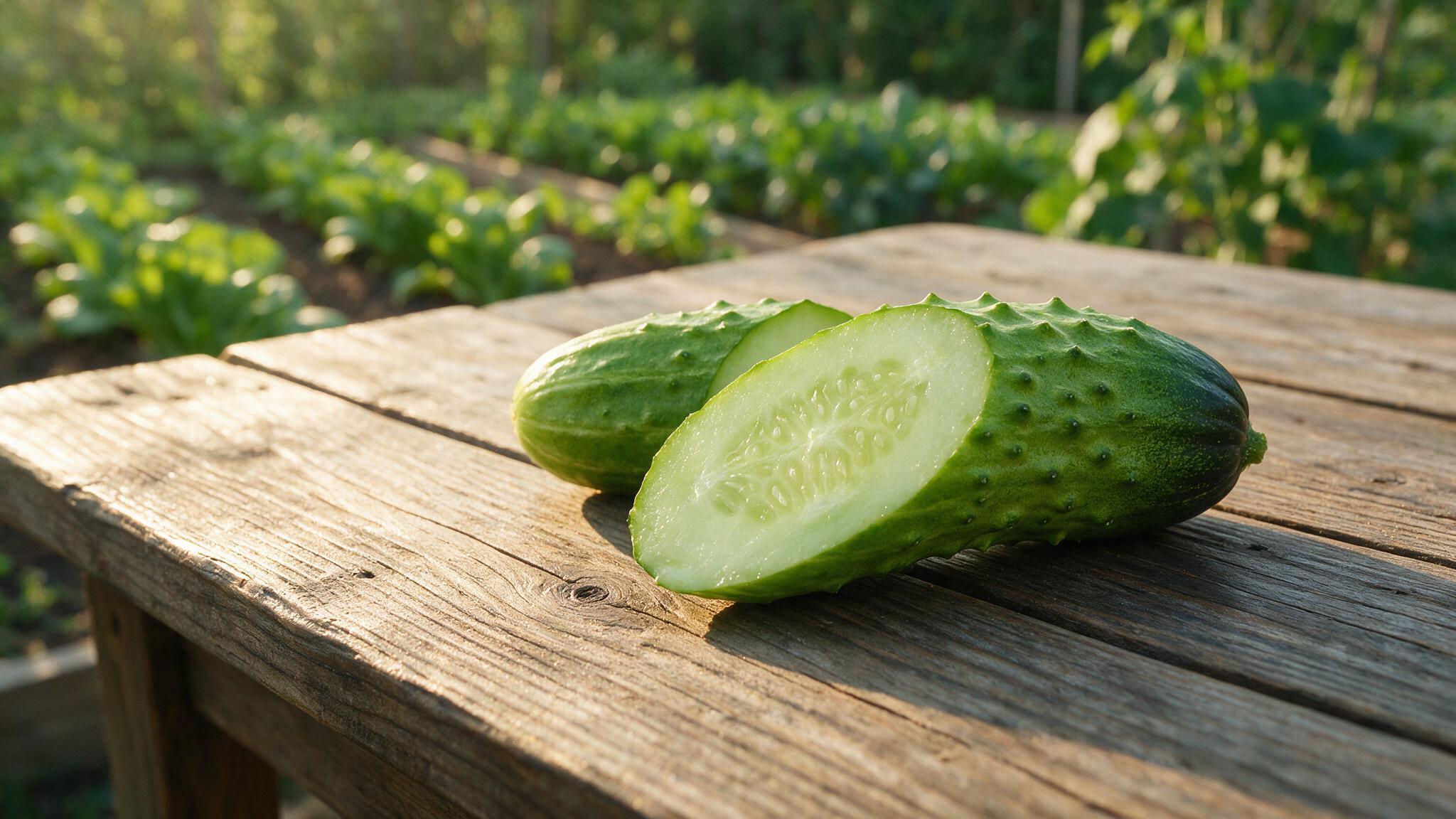
You waited all season, walked out to the garden on a warm July morning, and bit into a freshly picked cucumber — only to be hit with a sharp, unpleasant bitterness. It’s one of the most discouraging moments a home gardener can have. The good news is that bitter cucumbers are not a mystery, and they are not a sign that you’ve failed as a gardener.
The bitterness almost always traces back to a single, well-understood cause: a natural plant compound that your cucumber produced under stress. Once you know what triggered it, you can make smart adjustments and look forward to a sweeter harvest. This guide walks you through exactly what’s happening inside your plant, what made it worse, and how to prevent it from happening again.
What’s Actually Happening to Your Cucumbers Right Now
Bitter cucumbers are caused by a compound called cucurbitacin, which is naturally present in all cucumbers but typically stays concentrated in the leaves, stems, and skin. Cucumbers (Cucumis sativus) belong to the Cucurbitaceae family — the same plant family as squash, melons, and gourds — and every member of this family produces cucurbitacins as part of its biology.
All cucumbers — both wild and cultivated — contain cucurbitacin B and cucurbitacin C. These compounds are designed to make leaves and stems taste bitter in an effort to discourage animals from munching on them. Under normal growing conditions, you never taste them because they stay in the parts of the plant you don’t eat.
However, when plants experience environmental stress, cucurbitacins can spread into the fruit, causing the unpleasant taste of a bitter cucumber. Bitterness is typically concentrated at the stem end (opposite the blossom end) and the area immediately under the skin. That’s why the first bite of a cucumber — often taken from the stem end — tends to be the most bitter.
Pro Tip: Before you slice your next cucumber, cut off the top inch at the stem end and peel from the blossom end downward. According to the Oregon State University Extension Service , peeling from the blossom end toward the stem — and stopping about an inch before the stem — helps prevent bitterness from spreading across the flesh as you peel.
Is This Normal, or a Sign Something’s Wrong?
In most cases, a bitter cucumber is not dangerous; however, the bitterness can be a sign that the fruit contains higher levels of natural compounds called cucurbitacins, which are influenced by plant variety and growing conditions. So if your cucumber tastes unpleasant, it doesn’t mean it’s diseased or unsafe — it means your plant went through some kind of stress during the growing season.
Bitterness seems to vary with the type of cucumber grown. But you can expect some degree of bitterness from time to time in most any variety of cucumber commonly grown, according to Oregon State University vegetable breeder Jim Myers. In other words, even experienced gardeners with healthy gardens encounter this occasionally.
In some plants, there is a recessive gene that can cause a plant to produce bitter fruit right from the start — even if you’ve done a perfect job in preventing stress. So you could plant multiple seeds from the same packet, treat them all the same, and then discover that one plant produces bitter cukes. If only one or two plants in your garden are affected while the rest taste fine, genetics is likely the explanation rather than a watering or temperature problem.
The situation becomes more of a concern if the bitterness is extreme and runs all the way through the flesh, not just near the skin or stem end. In that case, it’s best to skip eating it rather than trying to salvage it. For most home gardeners, though, mild to moderate bitterness is a normal seasonal frustration — not a warning sign of something seriously wrong with your garden.
The Real Trigger Behind Bitter Cucumbers
When it comes down to it, bitter cucumbers are almost always a case of a stressed-out plant. The question is what kind of stress your plant experienced. Stressful growing conditions like inconsistent watering, high temperatures, or poor soil can trigger the production of cucurbitacin in the fruit, leading to bitterness.
Heat is the most common culprit in most of the United States. The cucurbitacins spread from the vegetative parts of the plant into the cucumber fruit when plants are under stress. Hot, dry weather is usually responsible for bitterness in cucumbers. This is especially true in Southern and Southwestern states where summer temperatures regularly push past 90°F for weeks at a time.
Watering inconsistency runs a close second. If you let the soil dry out too much in between waterings — or even forget to water sometimes — you’ll cause the plant a considerable amount of stress. This can lead to several potential problems, including the development of bitter fruit. Cucumbers have a very high water content, and their roots are sensitive to both drought and waterlogging.
Misshapen fruits are more likely to be bitter than are the well-shaped fruits. If you notice your cucumbers are coming out curved, knobby, or unevenly sized, that’s often a sign of uneven watering — and those same fruits are the ones most likely to taste bitter. Getting your irrigation routine dialed in solves both problems at once.
Key Insight: Cucurbitacin levels are set during fruit development — they don’t change after harvest. A cucumber that’s bitter when you pick it will still be bitter a week later in your refrigerator. The fix has to happen in the garden, not the kitchen.
Other Factors That Can Speed It Up or Make It Worse
Beyond heat and watering, several other stressors can push cucurbitacin levels higher. Poor soil conditions, including nutrient-deficient soil or imbalanced pH levels, can stress cucumber plants enough to trigger bitterness. Cucumbers do best in soil with a pH between 6.0 and 7.0, and they need a steady supply of balanced nutrients throughout the season.
Avoid overdoing nitrogen — too much makes the plant grow fast but weak. A plant that’s pushing out lots of leafy growth at the expense of root development is more vulnerable to heat and drought stress, which circles right back to bitterness. Organic fertilizers that focus on potassium and magnesium tend to support better fruit quality than high-nitrogen formulas. You can learn more about companion planting strategies that also support healthy vegetable gardens.
More complaints come about bitter cucumbers grown during cool periods than during warm times. Fertilizers, plant spacing, and irrigation frequency may also affect bitterness. Overcrowded plants compete for water and nutrients, which adds stress even when you’re doing everything else right.
Overcast areas — like the Pacific Northwest — have reported bitter cucumbers as a result of the plants not getting enough direct light during the day. So while most gardeners deal with too much heat, gardeners in cooler, cloudier climates can face the opposite problem. Cucumbers need full sun to develop properly, and low-light conditions are a form of stress just like heat is.
Pest pressure and disease also play a role. Misting will help to control spider mites, which can cause plant stress and bitter fruit. Cucumber beetles, powdery mildew, and other common garden problems weaken the plant and make it more susceptible to producing cucurbitacin. Keeping your vines healthy overall is one of the best defenses against bitterness.
| Stress Factor | How It Triggers Bitterness | Most Affected US Regions |
|---|---|---|
| Excessive heat (90°F+) | Pushes cucurbitacin into fruit | South, Southwest, Midwest summers |
| Inconsistent watering | Drought stress and misshapen fruit | Nationwide |
| Poor or imbalanced soil | Nutrient stress weakens plant defenses | Nationwide |
| Overcrowding | Competition for water and nutrients | Small-space and raised-bed gardens |
| Insufficient sunlight | Low-light stress during fruit development | Pacific Northwest, overcast regions |
| Pest and disease pressure | Plant stress from infestation or infection | Nationwide |
Can You Reverse It?
Here’s the honest answer: once a cucumber is bitter, you cannot reverse the bitterness that’s already in the fruit. The cucurbitacin is part of the flesh. What you can do is reduce how much of it you taste — and that’s worth knowing, because most of the time, the entire fruit isn’t a loss. Bitterness is typically concentrated at the stem end and the area immediately under the skin. You can simply cut off the stem end of the fruit, peel the cucumber, and enjoy.
If the flesh underneath the skin still tastes bitter, a few kitchen techniques can help. Soaking the cucumbers in salted water can draw out some of the compound that causes bitterness. Adding vinegar or lemon — with their acidic properties — can help to counteract the bitterness. Soaking sliced cucumbers in salted water or vinegar for 30 minutes can also help neutralize bitterness. Cooking, pickling, or using them in recipes like stir-fries can further reduce the bitter taste.
You may also have heard of “milking” a cucumber — rubbing the cut end of the cucumber against the sliced-off piece in a circular motion until it foams. Rubbing pieces of cucumber together is said to pull some of the cucurbitacin to the surface. Many longtime gardeners swear by this method, and while the science behind it is limited, it’s harmless to try.
What you cannot do is save a cucumber that’s bitter all the way through its flesh. If it’s bitter through the flesh or has a chemical taste, don’t risk it. Toss it in the compost and focus your energy on preventing the same thing from happening to the next batch. The plant itself is not ruined — future cucumbers on the same vine can still come out sweet if conditions improve.
Important Note: Bitterness that runs uniformly through the entire fruit, rather than concentrating near the stem end or skin, may indicate a genetic issue with that specific plant. If one vine consistently produces fully bitter fruit while others don’t, consider removing it and replacing it next season with a low-bitterness variety.
How to Prevent It Next Season
Prevention is where you have the most control, and the good news is that the changes you need to make are straightforward. Start with water. As a general rule of thumb, plan to give your plant about 1 to 2 inches of water every week. Drip irrigation or soaker hoses are ideal because they deliver water slowly and directly to the root zone, keeping moisture levels steady without wetting the foliage.
Mulching helps maintain even soil moisture. A 2- to 3-inch layer of straw or wood chips around the base of your plants goes a long way in keeping the soil from drying out between waterings — especially during the hot, dry stretches that hit most of the country in July and August.
Managing heat is the next big lever. Once daytime temperatures consistently hit 90°F or above, bitterness risk shoots up. Hang shade cloth over your trellis or hoops during the hottest part of the day. Plant cucumbers where they get morning sun and afternoon shade — east-facing fences work great. Tall companions like corn, sunflowers, or pole beans can also provide natural afternoon cover without blocking morning light.
A soil test can provide guidance on the fertilizer and amendments your soil needs. Most US land-grant university extension programs offer low-cost soil testing — your county’s cooperative extension office is a good starting point. Proper plant spacing will also go a long way in preventing nutritional stress. Companion planting is often an excellent way of growing more in a small space, but pay attention to a plant’s needs. With plenty of room to grow and available nutrients, well-spaced cucumbers tend to avoid bitterness. You can explore plants that grow well alongside vegetables to help plan a healthier garden layout.
Variety selection might be the single most reliable prevention strategy. Varieties labeled as “burpless” or “bitter-free,” like ‘Tasty Green’ or ‘Suyo Long,’ have lower levels of cucurbitacins, making them a safer bet for a consistently sweet flavor. Marketmore 76, developed at Cornell University, is another widely recommended low-bitterness option. Armenian cucumbers are especially well-suited to hot-climate growers and are known for their mild flavor and lack of bitterness.
Finally, harvest on time. Cucumbers go from perfect to overripe fast. Once they do, bitterness is much more likely to creep in — especially at the ends. Check your vines every day or two during peak season and pick cucumbers while they’re still firm, evenly colored, and sized appropriately for the variety. Leaving them on the vine too long stresses the plant and makes the fruit more bitter.
- Water consistently — aim for 1 to 2 inches per week, delivered slowly and deeply
- Mulch around the base of plants to hold soil moisture between waterings
- Use shade cloth or natural windbreaks when temperatures exceed 90°F
- Test your soil before planting and amend with compost and balanced fertilizer
- Space plants properly to reduce competition for water and nutrients
- Choose low-bitterness varieties like ‘Diva,’ ‘Marketmore 76,’ or ‘Tasty Green’
- Harvest frequently — don’t let cucumbers linger on the vine past peak ripeness
- Monitor for pests like cucumber beetles and spider mites that add plant stress
If you’re growing in containers or shallow raised beds, pay extra attention to watering frequency. You’re more likely to deal with bitterness in containers or shallow raised beds because the soil dries out fast and heat radiates up from the sides. Use deep containers (at least 12 inches) with compost-rich potting mix. Mulch the top and shade the sides of your pots in July and August. Water slow and deep — don’t just sprinkle the top.
For more ideas on building a thriving garden, take a look at the different types of plants that can work together to create a healthier growing environment. Understanding how plants interact — and what each one needs — makes every crop easier to manage.
Frequently Asked Questions
Are bitter cucumbers safe to eat?
Most bitter cucumbers are safe to eat, especially when the bitterness is mild. The unpleasant taste is usually caused by natural compounds called cucurbitacins, which can increase when the plant is stressed or due to normal genetic variation. If the bitterness is extreme and runs through the entire flesh, it’s best to discard that fruit.
Why is only the stem end bitter?
Bitterness varies in the different parts of a cucumber. The stem end, the peel, and the light green area just under the peel have higher concentrations of the bitter compound than the interior flesh. Cutting off the stem end and peeling from the blossom end usually resolves the problem for mildly bitter cucumbers.
Can the same vine produce both bitter and sweet cucumbers?
Yes, absolutely. Cucurbitacin levels in individual fruits depend on the stress the plant experienced during that specific fruit’s development. A heat wave or dry spell during one week can make cucumbers bitter while those that developed under better conditions on the same vine taste fine. Improving conditions mid-season can result in sweeter cucumbers from the same plant going forward.
Do store-bought cucumbers get bitter?
Rarely. Starting with cucumbers that are bred to be non-bitter is one way to end up with a sweeter cucumber. Commercial growers select varieties specifically for low cucurbitacin levels and maintain highly controlled irrigation and growing conditions. Home gardens are simply more exposed to the weather swings and soil variability that trigger bitterness.
Does overripe cucumber cause bitterness?
Cucumbers go from perfect to overripe fast. Once they do, bitterness is much more likely to creep in — especially at the ends. Harvesting on time is one of the easiest and most overlooked ways to keep your cucumbers tasting sweet throughout the season.
Will my plant recover and produce better cucumbers?
In most cases, yes. The plant itself is not permanently damaged by the stress that caused bitterness. Once temperatures moderate, watering becomes more consistent, or other stressors are removed, new cucumbers forming on the vine can develop with lower cucurbitacin levels. Give the plant what it needs going forward and keep harvesting regularly to encourage continued fruit production.