Why Are My Impatiens Wilting? Causes, Fixes, and Prevention Tips

September 18, 2026
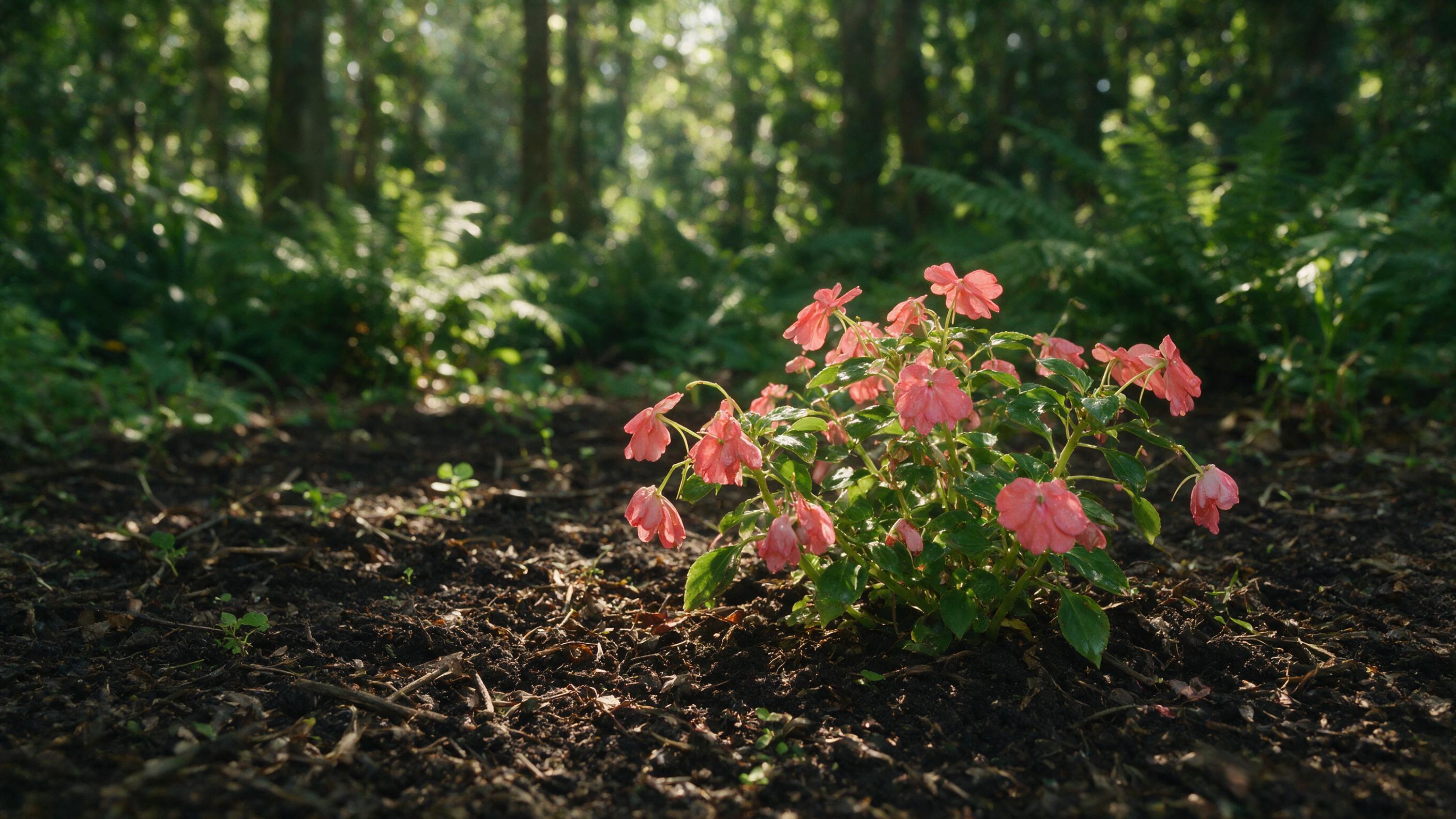
Few things are more frustrating than watching your impatiens — those cheerful, shade-loving annuals — suddenly droop and look defeated. Wilting is one of the most common problems with impatiens flowers, and it is usually due to moisture stress. But water is only one piece of the puzzle.
Impatiens (Impatiens walleriana) are popular across the United States for their ability to bring bold color to shady beds, containers, and window boxes all summer long. When they start drooping, the cause can range from a simple watering mistake to a pest infestation or a soil-borne fungal disease. The good news is that most cases are fixable once you know what you are looking at.
This guide walks you through every reason your impatiens might be wilting, how to figure out which problem you have, and exactly what to do about it — whether your plants are in a garden bed in Georgia or a patio pot in the Pacific Northwest.
What Does It Mean When Your Impatiens Are Wilting?
Wilting is your impatiens telling you that something in its environment is off. The leaves and stems lose their rigidity and droop because the plant cannot maintain enough water pressure in its cells — a state called turgor loss. That can happen for a surprisingly wide range of reasons.
There are many reasons why impatiens plants may start to wilt. Some of the main reasons include under- or overwatering, a pest infestation, a disease attacking the plant, and keeping the plant in the wrong temperature range. Understanding the underlying cause is the only way to choose the right fix.
The drooping you see is a symptom, not a diagnosis. Two plants sitting side by side can wilt for completely different reasons — one might be thirsty while the other is drowning. That is why working through a logical checklist matters more than guessing and applying a random treatment.
Is Wilting in Impatiens Always a Sign of a Problem?
Not always. Impatiens will often wilt and stop blooming in the heat of summer, especially if they are in too much sun. Keep watering and they will begin to bloom again when the weather cools. This kind of temporary afternoon wilt is common during July and August heat waves across much of the US and does not necessarily mean your plant is in danger.
Newly transplanted impatiens also go through a brief wilt period as they adjust to their new home. If you just moved plants from a nursery tray into the ground or a container, give them two to three days of consistent watering before worrying. They are simply adjusting to the change in root environment.
Pro Tip: Check your impatiens in the morning rather than mid-afternoon. If they look perky at 8 a.m. but droop by 2 p.m. on a hot day, that is likely normal heat stress — not a disease or watering problem.
True wilting that persists through the morning, worsens over several days, or comes with other symptoms like yellowing, spots, or mushy stems is a sign that something needs your attention.
Watering Issues Causing Impatiens Wilting
One of the most common culprits behind wilting impatiens is improper watering. Finding the right balance can be a bit tricky, but it is essential for the health of your plants. Both overwatering and underwatering can lead to wilting.
Underwatering
Underwatering causes wilting or drooping of leaves as the plant conserves water. Leaf edges and tips become dry and crispy as dehydration worsens, and growth slows as the plant enters survival mode. This is the easiest problem to spot: stick your finger an inch into the soil and if it feels bone dry, your plant needs water right away.
Check daily and water when the top inch of soil feels dry. Water at the base to avoid wetting foliage, which can lead to disease. During peak summer heat in southern states like Texas, Florida, and Arizona, you may need to water container impatiens every single day.
Overwatering
Overwatering your impatiens will cause the plant to wilt, but it will also cause the leaves to become mushy, and overwatering can lead to diseases like root rot developing. This can easily kill your plant and needs to be treated immediately.
When a plant is overwatered, the water gets trapped inside the soil, depriving the roots of oxygen. Fungi can take advantage of these humid and oxygen-deprived conditions to infect the roots. The tricky part is that overwatered impatiens look almost identical to underwatered ones — both droop. Always check the soil before adding more water.
Pro Tip: Keep to a watering schedule and water your impatiens when the first 2 inches of soil are dry. A moisture meter (available at most US garden centers for under $15) removes the guesswork entirely.
Light Conditions Behind Impatiens Wilting
Impatiens have a reputation as shade plants, but light problems go in both directions. Too much sun scorches them; too little leaves them struggling.
Too Much Direct Sun
Wilting can be a result of heat stress, especially if the plants are in too much sun. If feasible, they should be moved or grown in a shadier location. In most US climates, impatiens do best with morning sun and afternoon shade. A spot that gets dappled light under a tree canopy is ideal.
In summers, if impatiens are exposed to too much sun, they will wilt and die almost instantly. If your plants are in a south- or west-facing bed with no shade protection, relocating them is the most effective long-term solution.
Too Little Light
While impatiens can tolerate low light, they still need some indirect light to thrive. If your plants are wilting and the leaves are turning yellow or dropping, they might not be getting enough light. Move them to a brighter spot, but avoid direct sunlight.
A common scenario in the US: impatiens planted under a dense evergreen hedge or on a north-facing porch with almost no ambient light. They will survive but stay weak, leggy, and prone to drooping. Aim for at least two to three hours of bright, indirect light each day. If you are growing impatiens indoors, check out our guide to best houseplants for low-light areas for context on what true low-light tolerance looks like.
Soil, Nutrients, and Root Health Causing Impatiens Wilting
What is happening underground often explains what you see above it. Poor soil structure, pH imbalances, and nutrient problems all affect how well your impatiens can take up water and stay upright.
Soil Drainage and pH
Extreme pH levels will disrupt microbial activity and make impatiens wilt over time. Test the pH of your garden soil using a reliable soil testing kit or by sending a soil sample to a local extension office or laboratory. Determine whether the soil pH falls within the optimal range to support growth. Impatiens prefer a slightly acidic pH of around 6.0 to 6.5.
If soil pH is too acidic, apply ground limestone to raise pH levels gradually over time. For alkaline soils, incorporate elemental sulfur or acidic organic amendments such as pine needles or compost to lower pH levels. Many US cooperative extension services offer free or low-cost soil testing — a worthwhile step if your plants wilt repeatedly despite good watering habits.
Fertilizer Problems
Other impatiens problems are due to fertilization. Although they require little in the way of fertilizer each spring, not enough may lead to mottled-looking foliage. On the other hand, too much nitrogen can cause excessive growth and little to no blooms.
Impatiens rarely need much fertilizer. An overdose of liquid fertilizer, which is quick-acting, will give them too much nitrogen all at once. They are stimulated to produce abundant foliage, so they have little energy left to produce flowers. Stick to a balanced, slow-release granular fertilizer applied once in spring and you will rarely run into nutrient-related wilting.
Root Rot
Root rot, often caused by overwatering, results in brown, mushy roots and wilted, yellowing leaves. To combat root rot, allow the soil to dry out between waterings and improve drainage by adding perlite or sand to your potting mix. For many types of plants, root rot is the single most preventable cause of death — and impatiens are no exception.
Environmental Stress Triggering Impatiens Wilting
Beyond water and light, the broader environment your impatiens live in plays a big role in whether they stay upright or droop.
Temperature Extremes
Impatiens like temperatures between 65 and 70 degrees Fahrenheit (18 to 21 degrees Celsius). Temperatures highly above or below this range can cause the plants to die. In practice, this means impatiens are vulnerable at both ends of the US gardening calendar — cold snaps in spring and heat spikes in July and August.
Impatiens are sensitive to temperature fluctuations, and both extreme heat and cold can cause them to wilt. During the hot summer months, impatiens can suffer from heat stress, especially if they are not getting enough water. Signs of heat stress include wilting, leaf scorch, and poor flowering.
High temperatures above 85°F (29°C) can put impatiens under stress. Gardeners in the Deep South, the Desert Southwest, and the Central Plains should plan for afternoon shade and extra watering during heat waves. Drought-tolerant plants are a better fit for the hottest, driest US microclimates.
Plant Competition and Spacing
Competition from neighboring plants for essential resources like water, nutrients, and sunlight can cause impatiens to wilt. While impatiens can coexist with other garden plants, excessive competition can cause wilting. Competing plants may outcompete impatiens for water, nutrients, and sunlight.
Give impatiens at least 8 to 12 inches of space between plants. Overcrowding also limits airflow, which raises disease risk — a two-for-one problem you want to avoid. If you are pairing them with vegetables, our article on plants to grow with tomatoes has useful companion-planting spacing principles that apply broadly.
Key Insight: Organic mulch cools the soil and keeps the blooms coming longer. A 2-inch layer of shredded bark or compost around your impatiens is one of the simplest things you can do to buffer both heat stress and moisture loss simultaneously.
Pests and Disease Leading to Impatiens Wilting
When environmental fixes do not stop the wilting, pests or disease are likely involved. Impatiens are susceptible to a specific set of insects and pathogens that every US gardener should know.
Common Pests
Impatiens are easy targets for a variety of pests such as spider mites, mealybugs, thrips, aphids, and nematodes. Thrips usually attack the flowers of fresh growth in impatiens. They can transmit other viruses that can cause the plant to wilt, have stunted growth, and an irregular flower shape.
Aphids are tiny, soft-bodied insects that can be green, black, or brown. They cluster on the undersides of leaves and new growth. To get rid of aphids, try spraying your plants with a strong stream of water or apply insecticidal soap or neem oil.
Spider mites are hard to see with the naked eye, but you might notice fine webbing on the leaves. Spider mites thrive in hot, dry conditions, so increasing humidity or using a miticide can help control them.
Cutworms are another threat worth knowing. When plants become wilted, begin dying, and appear to be cut at the stems, it is likely due to cutworms. Check the soil surface at night — cutworms feed after dark and hide during the day.
Root-knot nematodes are small worms that live in the soil and eat away at plant roots. They thrive in muddy soil and are not easy to control. The only way to confirm nematode presence is to take out the plants and inspect their roots. If the roots look unusual, like a string of beads, you can be sure of nematode presence. These tiny worms create swellings on the roots as they consume them, and the plant above will start to wilt because the roots are damaged. Root-knot nematodes are especially common in the sandy soils of the southeastern US.
Fungal and Bacterial Diseases
There are several impatiens diseases, including fungal blights and rots, viruses, and bacterial wilt. Most fungal issues are a result of wet foliage or overcrowding.
Impatiens are particularly susceptible to a fungal disease called downy mildew. This fungal disease is rather easy to identify, but there is not much you can do to treat it. You might encounter fuzzy pale-brown, grayish-brown, or purple spots on the lower leaf surface. Once downy mildew takes hold, remove and destroy affected plants to prevent spread.
Verticillium wilt is a soil-based fungal infection. This disease will cause the plant’s leaves to wilt and turn yellow. To identify this disease, check whether the plant’s new growth is being affected, as this disease will only affect the old growth of the plant.
Bacterial wilt is recognized by sudden wilting and collapse of plants, as well as oozing of stems when cut. Plants will eventually rot to the soil line and must be removed and discarded. According to the Connecticut Agricultural Experiment Station , vascular wilt is particularly troublesome in beds that have grown impatiens for many consecutive years.
Necrotic Spot Virus (NSV) and Tomato Spotted Wilt Virus (TSWV) are the two most common viruses to affect impatiens. Both of these diseases are transmitted by a pest and are therefore considered secondary infections. Sap-sucking pests such as aphids, thrips, and mites are typical virus vectors.
How to Diagnose Why Your Impatiens Are Wilting
Working through a quick checklist is the fastest way to pinpoint your problem. Start with the most likely culprits and rule them out one by one.
- Check the soil moisture first. Start by checking the top inch of the soil. If it feels dry, your impatiens may be underwatered. Conversely, if the soil is soggy, overwatering could be the culprit.
- Note the time of day. Wilting that recovers overnight points to heat or light stress. Wilting that persists all day suggests a watering, root, or disease problem.
- Look at the leaves closely. Inspect for yellowing leaves, fuzzy growth, or any root issues. Yellowing leaves can indicate disease or nutrient deficiencies.
- Check the undersides of leaves. Aphids, spider mites, and whiteflies hide there. Look for sticky residue on leaves, visible insects, or webbing as signs of pest infestations.
- Examine the stems at soil level. Soft, dark, or foul-smelling stems near the base signal bacterial wilt or stem rot. Stems that look cleanly cut point to cutworms.
- Pull the plant gently and inspect roots. Root rot is usually easy to diagnose by exploring the root system. If the soil appears soggy and the roots are mushy and soft, that is root rot. Bead-like swellings indicate nematodes.
- Consider your location and season. Root-knot nematodes and lesion nematodes sometimes attack impatiens, especially in the South. Downy mildew tends to appear in cool, wet springs in the Northeast and Pacific Northwest.
If you want help identifying what you are seeing, a plant identification app can help you match symptoms to known diseases and pests quickly. There are also good Android apps for identifying plants that include disease diagnosis features.
How to Fix a Wilting Impatiens
The right fix depends entirely on the cause you identified above. Here is a straightforward breakdown by problem type.
Fixing Underwatering
When your impatiens show signs of underwatering, the solution is straightforward. Water thoroughly until excess drains from the bottom, ensuring the roots get the hydration they need. To prevent future underwatering, implement a consistent watering schedule. This routine will help maintain optimal soil moisture levels. For container plants that have dried out completely, set the pot in a shallow tray of water for 20 to 30 minutes to let it rehydrate from the bottom up.
Fixing Overwatering and Root Rot
To treat overwatering, repot your plant and place it in well-draining soil. Do not water for a few days to allow it to dry out a bit. If your plant has root rot, trim the affected roots off when you repot. Improve drainage by adding perlite or sand to your potting mix.
Fixing Heat and Sun Stress
If your impatiens are wilting due to heat stress, consider relocating them to a shadier spot during peak sun hours. For in-ground plants that cannot be moved, add a 2-inch layer of organic mulch around the base and water in the early morning so roots stay cool through the hottest part of the day. Water in the morning to prepare plants for the heat of the day and consider providing some temporary shade during peak sun hours.
Fixing Pest Infestations
Neem oil is a safe and effective treatment for the majority of pest problems. For aphids and spider mites, start with a strong spray of water to knock them off, then follow up with insecticidal soap or neem oil every five to seven days for two weeks. If you notice tiny white insects flying around your impatiens, you might have a whitefly infestation. These pests can be controlled with yellow sticky traps, insecticidal soap, or neem oil.
For nematode infestations, insecticides are not effective on nematodes, so the best way to deal with them is to not plant anything in a nematode-infested area for one summer. This will deprive them of roots to eat, and they will hopefully be eliminated.
Fixing Fungal Disease
Powdery mildew appears as a white powdery coating on leaves and stems, leading to wilting. Control powdery mildew by pruning affected areas, improving air circulation, and applying a fungicide if necessary. For downy mildew and verticillium wilt, there is no chemical cure — remove and dispose of affected plants in the trash (not the compost pile) to stop the spread. Learn more about disease and pest dynamics from Gardening Know How’s impatiens problem guide .
Important Note: Downy mildew on impatiens (Plasmopara obducens) spread widely across the eastern US beginning in the early 2010s and devastated many garden plantings. If you are in an area with a history of the disease, consider growing New Guinea impatiens (Impatiens hawkeri), which are resistant to the pathogen, or look for the “Beacon” series of Impatiens walleriana, bred specifically for downy mildew resistance.
How to Prevent Impatiens Wilting Going Forward
Most wilting problems are preventable with a few consistent habits. These practices work for both in-ground beds and container plantings across US climate zones.
- Water at the base, not overhead. Water at the base to avoid wetting foliage, which can lead to disease. Drip irrigation or a soaker hose is ideal for bed plantings.
- Space plants properly. Adequate spacing between plants promotes good air circulation and reduces the humidity that fungi need to spread.
- Mulch your beds. Mulching helps prevent splash-borne infection in outdoor plantings. It also keeps roots cooler and reduces how often you need to water.
- Rotate planting locations. Do not grow impatiens continuously in the same location every year. Rotating beds breaks the cycle of soil-borne pathogens like verticillium wilt and nematodes.
- Use slow-release fertilizer sparingly. Use a slow-acting, granular product sparingly, in the spring. Over-fertilizing with nitrogen invites aphids and weakens the plant’s natural defenses.
- Inspect plants regularly. Regularly checking your plants for signs of distress can save you from bigger problems down the line. Look for any unusual changes in leaves, stems, or overall growth.
- Choose resistant varieties. If downy mildew has been a problem in your area, select resistant cultivars from your local nursery rather than fighting the same battle every season.
- Sterilize tools. Remove and discard severely infected plants and garden debris. Disinfect any tools by dipping them in a solution of hot water and household bleach or spritz them with household disinfectant spray.
If you enjoy experimenting with different plant types in your garden, check out our roundup of deer-tolerant plants and wind-tolerant plants for companion options that hold up well to the same tough conditions that stress impatiens. You might also find it helpful to explore types of ivy plants as low-maintenance ground cover alternatives for shady spots where impatiens struggle.
FAQ
Why Are My Impatiens Wilting Even Though the Soil Is Wet?
If your plant wilts despite adequate watering, root rot may be the cause. Overwatering and poor drainage are the primary causes of root problems. Check whether the roots are brown and mushy. If they are, reduce watering immediately, improve drainage, and trim away rotted roots before repotting in fresh, well-draining soil.
Why Do My Impatiens Wilt in the Afternoon but Recover at Night?
This is almost always heat stress or excessive sun exposure. Heat stress is a common culprit behind wilting. Symptoms include curling leaves and browning edges, especially during hot weather. Excessive sunlight exposure is a major factor, as impatiens thrive in shaded areas. Move your plants to a spot with afternoon shade or add temporary shade cloth during peak summer heat.
Can Impatiens Recover from Wilting?
Yes, in most cases. Plants wilting from underwatering, overwatering, or heat stress typically bounce back within 24 to 48 hours once the problem is corrected. If your impatiens continue to wilt despite your best care efforts, persistent wilting can indicate underlying issues that need professional attention. Disease-related wilting from bacterial wilt or downy mildew is not reversible, and affected plants should be removed.
Should I Cut Back Wilting Impatiens?
Light pruning can help a stressed plant redirect energy. Remove any dead, discolored, or diseased stems and leaves. If the plant is severely leggy or damaged by disease, cutting it back by one-third can encourage fresh, healthy growth — provided the root system is still intact and the underlying cause has been addressed.
What Is the White Fuzzy Growth on My Wilting Impatiens?
Downy mildew causes yellowing leaves, white fuzz on the undersides of leaves, and wilting. To manage downy mildew, remove and destroy infected plants, avoid overhead watering, and ensure good air circulation around your plants. There is no effective fungicide treatment for downy mildew on impatiens, so removal is the best course of action to protect neighboring plants. You can find additional disease management information at Plant Addicts’ impatiens disease guide .
Are Wilting Impatiens Dangerous to Other Plants?
Wilting caused by watering or light issues poses no risk to neighboring plants. However, bacterial wilt, downy mildew, and virus-carrying pests like thrips can spread quickly. To prevent pests and disease in impatiens, ensure proper plant spacing for air circulation, avoid overhead watering that can leave foliage wet, and practice crop rotation. Remove diseased plants promptly and bag them for trash pickup rather than composting them.