Can You Freeze Fat Free Milk? Everything You Need to Know

November 11, 2026
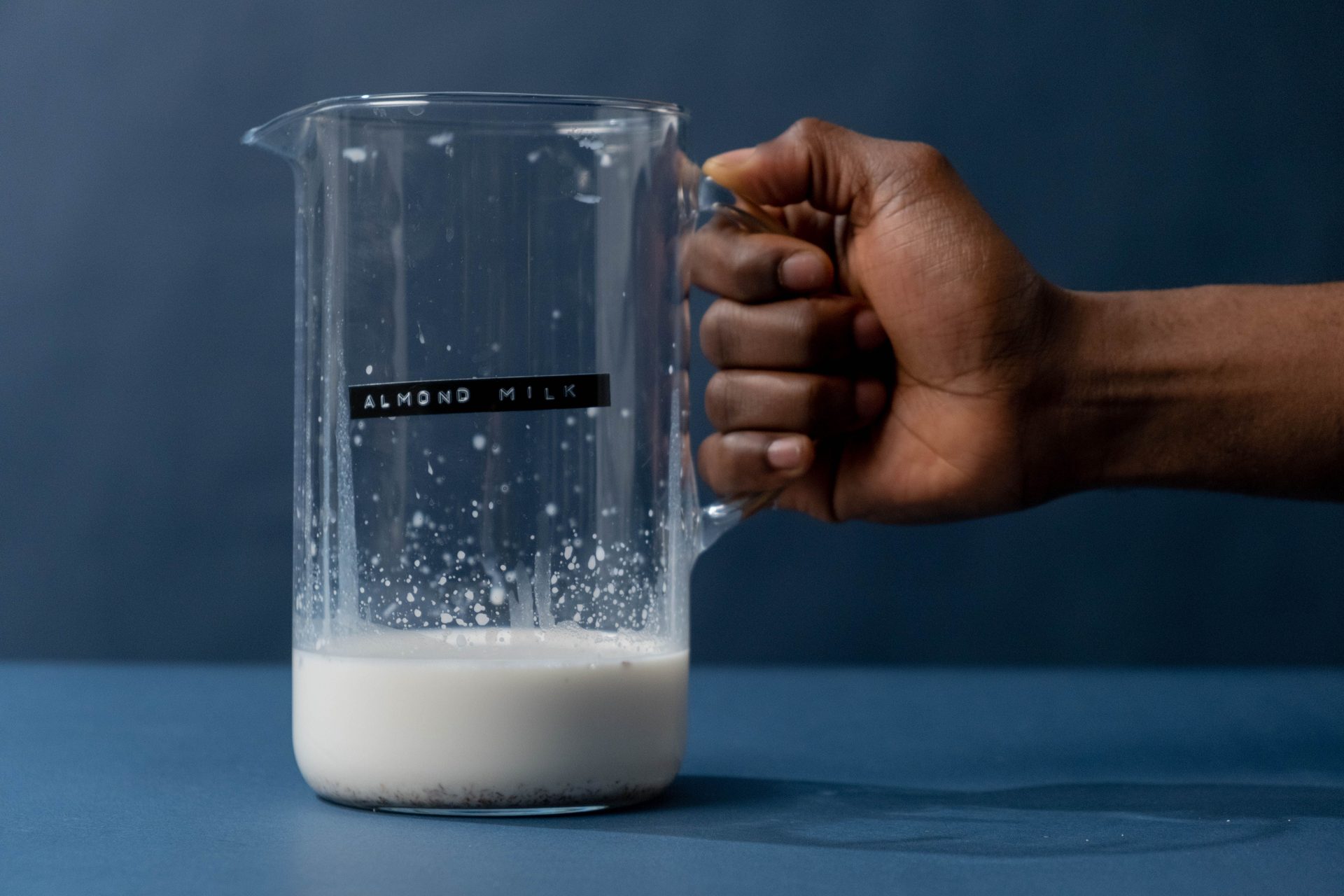
Fat free milk is one of the most freezer-friendly dairy products in your kitchen. Because it contains virtually no fat, it sidesteps the biggest problem that plagues frozen milk: separation. While whole milk often thaws into a grainy, clumpy mess, fat free milk comes out of the freezer looking and tasting much closer to fresh.
Whether you bought too much before a vacation, caught a sale at your local grocery store, or just want a backup supply on hand, freezing fat free milk is a practical way to cut waste and save money. This guide walks you through every step — from freezing and thawing to spotting signs of spoilage — so you get the best results every time.
Can You Freeze Fat Free Milk?
Yes, you can absolutely freeze fat free milk. Skim milk is more freezer-friendly than full-fat milk. Skim and 1% milk are the gold standards for freezing because they have very little fat, meaning there is almost no separation. After thawing, fat-free milk looks and tastes nearly identical to fresh milk.
You can safely store frozen milk in your freezer for up to 6 months, but it’s best if you can use it within 1 month of freezing. The sooner you use it after thawing, the better the quality. Freezing fat free milk on or before its best-before date gives you the best outcome — freezing does not reset the clock on older milk.
Freezing halts bacterial growth but does not sterilize. Milk frozen before its expiration date will remain microbiologically stable while frozen; bacteria present before freezing will not multiply during storage but may survive. That’s why starting with fresh milk matters.
Pro Tip: If you regularly buy fat free milk in bulk at warehouse stores like Costco or Sam’s Club, freeze the extra gallons right away — before they get close to the sell-by date — for the best quality after thawing.
Freezing is also a smart move if you’re heading out of town. Some people use nothing but non-fat milk and simply stick the carton in the freezer when they go on vacation, then take it out and use it as soon as they return. Just make sure to transfer it to a proper freezer-safe container first (more on that below).
Does Freezing Change the Texture or Taste of Fat Free Milk?
With fat free milk, the changes are minimal compared to higher-fat varieties. The extent of texture and taste changes depends on the type of milk. Milk with a higher fat content, such as whole milk, tends to experience more pronounced changes compared to skim milk.
These changes happen because water in the milk forms ice crystals that push fats and proteins out of their normal arrangement. Slow freezing tends to make this worse, producing larger ice crystals that cause more separation. Because fat free milk has almost no fat to displace, this process affects it far less than whole or 2% milk.
Fat separates from the liquid, which is why thawed milk can look lumpy, grainy, or slightly yellow. The taste stays mostly intact — it’s the texture that changes. For fat free milk specifically, any graininess is usually minor and resolves with a quick shake or stir.
The nutritional value of milk remains largely intact after freezing. Freezing has minimal impact on the nutritional value of milk. The calcium, protein, and fat content remain essentially unchanged. So even if the texture shifts slightly, you’re not losing the nutritional benefits that make fat free milk a staple in many American households.
Key Insight: A quick 30-second blend after thawing restores fat free milk to a smooth, drinkable consistency. This is rarely needed with fat free milk but works well if you notice any graininess.
How to Freeze Fat Free Milk the Right Way
The process is straightforward, but a few key steps protect quality and prevent freezer disasters. Follow these steps for best results:
- Choose the right container. Milk can be frozen in the original container, as long as it’s not glass, according to Nicole Martin, PhD, assistant research professor in dairy foods microbiology at Cornell University. The best container to freeze milk in is an airtight, freezer-safe plastic container.
- Leave room for expansion. Milk is roughly 87% to 90% water, and water expands by approximately 9% when it turns to ice. If you don’t leave enough space, the pressure will cause plastic jugs to split or glass jars to shatter. Leave at least an inch of headspace at the top of any container.
- Use ice cube trays for small portions. The best way to freeze milk is to use ice cube trays. Pour milk into clean ice cube trays and freeze them. When they’re frozen, transfer the cubes to heavy-duty resealable plastic bags or freezer containers. Two cubes in the average ice cube tray equals about 1/4 cup of milk. This method saves freezer space and lets you thaw the exact amount you need.
- Try flat-freezing for larger amounts. If you are short on space, heavy-duty freezer bags are a great option. Lay them flat on a baking sheet to freeze, then stack them like books. This flat-freezing method also allows the milk to thaw much faster than a solid block in a jug.
- Seal out odors. Milk is highly susceptible to picking up odors from other foods in the freezer. This can change the milk’s flavor once thawed. An airtight container will help keep out unwanted smells.
- Label and date every container. Label and date the milk so you know how long it has been in the freezer. A simple piece of masking tape and a marker does the job.
If you enjoy other frozen beverages and dairy-based drinks, you might also find it useful to read about whether you can freeze coffee creamer — the process shares some similarities with freezing fat free milk.
How Long Can You Freeze Fat Free Milk?
Skim and nonfat milk can retain quality slightly longer than whole milk — about 3 months — because they lack fat that separates. That said, you can push it further if needed.
| Storage Window | Quality Level | Best Use |
|---|---|---|
| Up to 1 month | Excellent — nearly identical to fresh | Drinking, cereal, coffee |
| 1–3 months | Good — minor texture change possible | Cooking, baking, smoothies |
| 3–6 months | Acceptable — some flavor decline | Baking, soups, sauces only |
| Beyond 6 months | Poor — freezer burn risk increases | Discard or use with caution |
According to USDA guidelines for safe food handling, milk kept at a constant 0°F (-18°C) is technically safe to consume indefinitely. However, “safe to eat” and “good to eat” are two different things. Over time, the proteins begin to break down and the fats can take on an “off” flavor.
Milk will last for several months in the freezer, but for the best quality, use it within the first month. After that point, milk will begin to separate and turn grainy. You also don’t want to risk freezer burn. For fat free milk, separation is less of a concern, but freezer burn remains a real risk after the three-month mark.
How to Thaw Frozen Fat Free Milk
How you thaw fat free milk matters just as much as how you freeze it. The wrong method can invite bacterial growth and ruin an otherwise perfectly good container of milk.
Always thaw milk in the refrigerator, advises Nicole Martin, PhD, of Cornell University. She notes this could make the thawing process take up to two days if the container is large — but it will ensure the milk is safe to consume. Allow 24–36 hours for milk to thaw in the fridge.
If you need it faster, there’s a safe shortcut. Submerge your frozen milk (in an airtight container) in a bowl of cold water placed in the fridge. It will take about an hour to defrost. Just make sure to change the water after 30 minutes or so.
Don’t set frozen milk out on the counter. Since bacteria multiplies between 40–140°F, defrosting frozen milk on the counter puts the milk in a bacteria “danger zone” which can make it unsafe to ingest, according to the USDA.
Once thawed, give the container a good shake before using. Shake the milk before opening it. If the solids and liquid remain separate, use a blender or electric mixer to recombine them. With fat free milk, a simple shake usually does the trick.
Important Note: Use thawed fat free milk within 3–5 days of thawing and keep it refrigerated throughout. Never leave it at room temperature for more than two hours.
Can You Refreeze Fat Free Milk After Thawing?
No — you should not refreeze fat free milk once it has fully thawed. Do not refreeze thawed milk. Each freeze-thaw cycle degrades the protein structure further and increases the risk of bacterial growth, even in fat free milk.
If the milk is about to expire, freezing won’t “reset” it. You’ll still only have a few days after thawing. The same logic applies to refreezing: you can’t extend the clock by running it through the freezer a second time.
The best way to avoid this situation is to freeze fat free milk in small, single-use portions from the start. Ice cube trays and 1-cup freezer bags let you thaw only what you need for a recipe, so nothing goes to waste and you’re never tempted to refreeze a partially used container. If you enjoy freezing foods in convenient portions, check out this guide on freezing fresh watermelon chunks for another practical example of portion-first freezing.
How to Use Frozen Fat Free Milk (Best Uses After Freezing)
Thawed fat free milk works well in a wide range of recipes, especially anything where it’s blended with other ingredients. Frozen and defrosted milk is best suited for cooking, baking, or making smoothies. It may undergo some changes in texture that make it less pleasant to use as a beverage, including being slushy, grainy, or having some fat separation. However, it’s safe to drink if it was stored and defrosted properly.
Thawed milk works beautifully in anything where texture isn’t the star. Baking is ideal: muffins, pancakes, bread, and casseroles all turn out the same whether you use fresh or previously frozen milk. Smoothies are another natural fit, since the blender eliminates any remaining graininess. Cream soups, mac and cheese, mashed potatoes, oatmeal, and scrambled eggs are all perfectly fine with thawed milk.
- Baking: Pancakes, muffins, quick breads, biscuits, and cakes all work perfectly with thawed fat free milk.
- Smoothies: Drop a few frozen milk cubes directly into the blender — no thawing required.
- Savory cooking: Use it in cream soups, mashed potatoes, mac and cheese, white sauces, and casseroles.
- Coffee and hot drinks: Add thawed milk to coffee or tea. While the texture might be slightly different, the overall impact is minimal, especially when mixed with other flavors.
- Oatmeal and cereal: If the milk thawed with minimal graininess (common with fat free), it works fine poured over cereal or stirred into oatmeal.
Where thawed milk is less ideal is anywhere you’d notice the texture directly: a plain glass of milk, a latte where the milk needs to steam and froth properly, or a delicate custard where smoothness matters. For those uses, fresh milk is the better choice.
If you’re building out your food storage habits, you might also find it helpful to explore how to freeze applesauce or learn about freezing jam without pectin — both are practical ways to reduce food waste in the kitchen.
Signs That Frozen Fat Free Milk Has Gone Bad
Most visual changes in thawed fat free milk — slight graininess, minor color shifts — are normal and harmless. But some signs point to genuine spoilage. Here’s what to look for before using thawed fat free milk:
- Sour or rancid smell: Sour, rancid, or off odors indicate spoilage. Fresh fat free milk has a clean, neutral smell. Anything sharp, sour, or unpleasant means it’s time to discard it.
- Chunky texture that won’t blend: Curdling, chunky texture, or visible separation that does not re-homogenize when shaken suggests the milk is spoiled. Note that some separation after freezing can be normal and may re-blend. If vigorous shaking or blending doesn’t smooth it out, discard it.
- Off taste: If it tastes noticeably sour or off, discard it. A quick small taste test after the smell and appearance checks is a reliable final step.
- Unusual color: Throw away milk that has a slightly yellowish or greenish tint. Keep in mind that spoiled milk can also appear white, so color shouldn’t be your only test. A faint yellow tint from riboflavin is normal; a greenish or deeply yellow tint is not.
- Freezer burn: Beyond 90 days, you can start to see significant freezer burn around the edges, and the milk may develop a yellow tint. Heavily freezer-burned milk is technically safe but tastes noticeably off.
- Stored too long: How long you can use thawed milk depends on how fresh it was when frozen. To be safe, use milk as soon as possible after thawing it. If you can’t remember when you froze it and the label is missing, err on the side of caution.
Common Mistake: Don’t confuse normal post-freeze graininess with spoilage. Fat free milk that shakes smooth, smells clean, and tastes neutral is safe to use even if it looked slightly separated right out of the freezer.
According to UPMC HealthBeat , spoiled milk can cause nausea, vomiting, and diarrhea — so when in doubt, throw it out. The cost of a half-gallon of fat free milk is far less than a day of feeling sick.
For more food storage know-how, see our guides on freezing cashew nuts and freezing shredded lettuce to keep more of your groceries fresh for longer.
Frequently Asked Questions
Does fat free milk freeze better than whole milk?
Yes. Milk with a higher fat content separates more readily when thawed. Fat free milk has virtually no fat to separate, so it thaws with minimal textural change — making it the best type of cow’s milk to freeze.
Can you freeze fat free milk in the original carton?
Milk can be frozen in the original container, as long as it’s not glass. However, most cardboard cartons are not designed for freezer storage and may warp or leak. For best results, transfer fat free milk to an airtight, freezer-safe plastic container or heavy-duty freezer bags before freezing, and leave headspace for expansion.
How long does thawed fat free milk last in the fridge?
Use thawed milk within 3 to 7 days and don’t refreeze it. The fresher the milk was when you froze it, the longer it will stay good after thawing. Always keep thawed milk refrigerated and check for signs of spoilage before using.
Can you drink thawed fat free milk straight?
Yes, especially with fat free milk. Because fat free milk has very little fat, there is almost no separation. After thawing, it looks and tastes nearly identical to fresh milk. Give it a good shake before pouring, and it should be perfectly drinkable.
Is it safe to freeze fat free milk past its expiration date?
No. Freeze milk on or before the best-before date. Freezing milk that has already expired does not make it safe — it only preserves whatever state it was in when frozen. Always freeze fat free milk while it’s still fresh for the best and safest results after thawing.
Can you freeze fat free milk for use in coffee?
Yes. Frozen fat free milk cubes work great in coffee. If you plan to use milk in smoothies or drinks, you can freeze it in ice cube trays. This makes it easy to simply pop one frozen cube into the blender or your cup with your other ingredients. Drop a cube or two directly into a hot cup of coffee and it will melt and blend in within seconds — no thawing needed.
Looking for more smart food storage tips? Explore our guides on freezing store-bought applesauce, whether nacho chips can be frozen, and freezing Dunkin’ Donuts donuts for more practical ways to make your groceries go further. You can also learn more about freezing dairy safely from the U.S. Dairy Association, or review Healthline’s breakdown of freezing different milk types for a broader perspective.