Can You Freeze Live Crawfish? What You Need to Know Before You Try

November 11, 2026
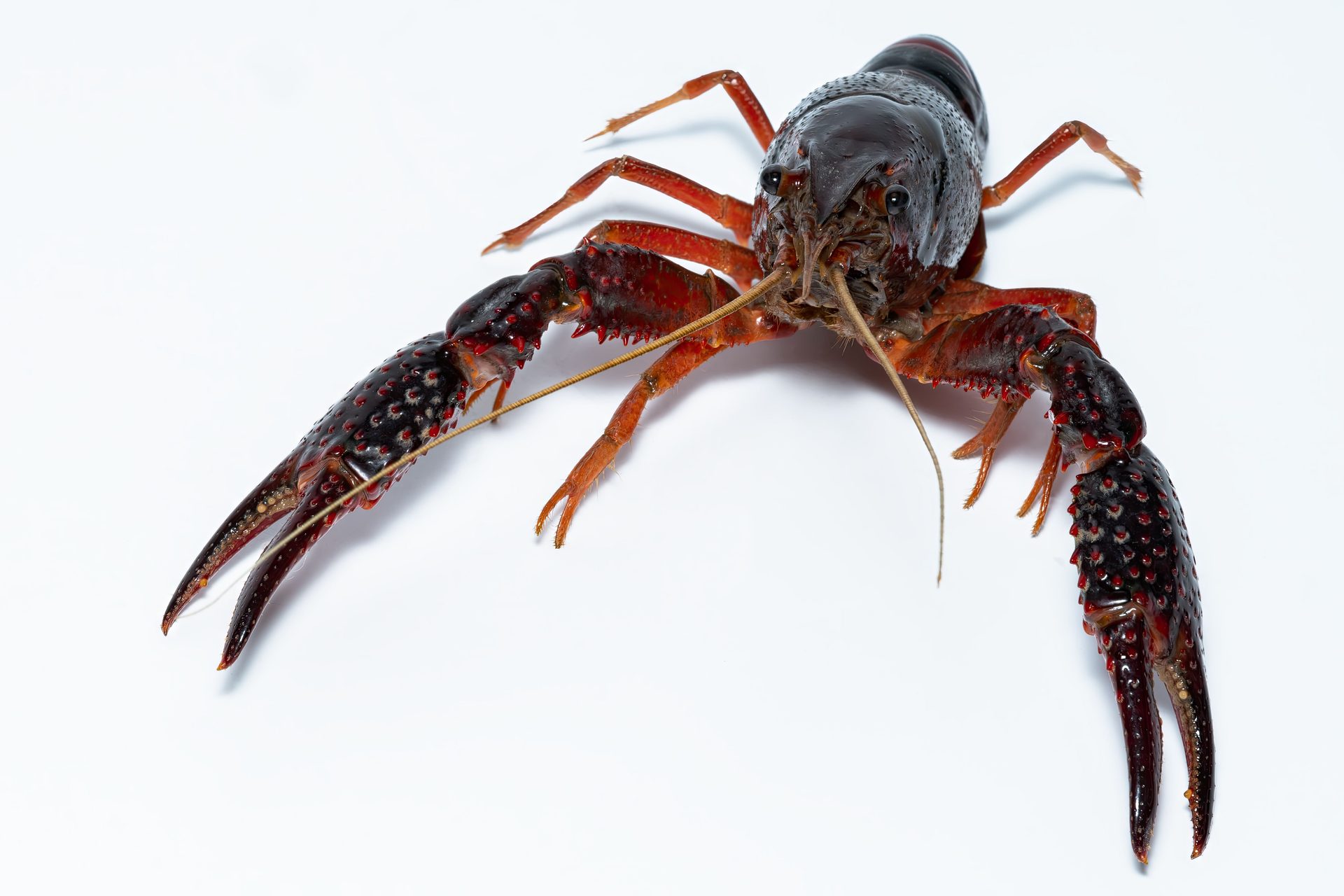
Crawfish season is one of the highlights of Southern cooking — but what happens when you end up with more mudbugs than you can eat in one sitting? If you’ve ever stared down a pile of leftover crawfish after a boil, you’ve probably wondered whether the freezer is a viable option.
The short answer is yes, you can freeze crawfish — but there are important rules about which crawfish to freeze and how to do it. Freezing live crawfish is a different story than freezing cooked ones, and getting the details right is the difference between a delicious meal months later and a disappointing, rubbery mess. This guide walks you through everything you need to know.
Can You Freeze Live Crawfish?
This is where most people get tripped up. You have to keep live crawfish above freezing — if you freeze them, they will die. Keeping them cool and wet at around 40 degrees Fahrenheit is ideal for live storage. So no, you should not put live crawfish directly into your freezer with the intention of keeping them alive.
Freezing live crawfish can cause toxins to spread to the meat and compromise its safety. Beyond the safety concern, freezing live crawfish is not recommended because their delicate shells can burst in the freezing process, making them unappetizing.
The right approach is to cook them first. Despite what you may have heard, crawfish freeze perfectly fine in the freezer — whether you’re freezing them whole or just the tail meat. While it’s not quite the same as fresh crawfish, if handled correctly, it can taste almost as good. If you have live crawfish on hand, boil or steam them before they go into the freezer.
Pro Tip: If you can’t cook your live crawfish right away, store them in a large cooler with damp burlap or towels, keep the lid slightly cracked for airflow, and cook them within 1–2 days for the best quality.
Does Freezing Change the Texture or Taste of Crawfish?
Honest answer: yes, a little. Frozen crawfish typically have a milder taste and softer texture. The freezing process can cause some moisture loss, potentially affecting the meat’s firmness. That said, the difference is manageable if you freeze them correctly and use them in the right dishes.
Fresh crawfish excel in boils and simple preparations. Frozen crawfish work well in dishes with strong flavors like étouffée or gumbo. So while frozen crawfish may not be ideal for a standalone boil where the delicate sweetness of the meat is front and center, they perform beautifully when folded into a rich sauce or seasoned dish.
Fresh and frozen crawfish offer similar nutritional profiles. Both are excellent sources of lean protein, vitamins, and minerals. Freezing may cause minimal nutrient loss, primarily affecting water-soluble vitamins — a difference that is generally negligible in a balanced diet. If you enjoy the nutritional benefits of eating seafood, frozen crawfish still deliver on that front.
Key Insight: The yellow fat (crawfish “fat” or hepatopancreas) can turn rancid in the freezer. Remove it before freezing tail meat for longer-lasting quality.
How to Freeze Crawfish the Right Way
Whether you’re freezing whole cooked crawfish or just the tail meat, the process matters. Here’s how to do it properly for each option.
Freezing Whole Cooked Crawfish
Freezing whole crawfish is simple. Just take your leftover whole crawfish, place them into freezer bags, and seal them up as airtight as possible. Then freeze them as quickly as you can — cooked crawfish are highly perishable, so the longer it takes for them to freeze, the more likely they are to spoil.
For best results, flash-freeze them first. Put the crawfish in a single layer on a cookie sheet and try not to let them touch — you want each one to freeze individually. Put the sheet in the freezer, then transfer to a plastic freezer bag once they are frozen through. This way, you can grab exactly what you need without defrosting an entire bag.
Freezing Crawfish Tail Meat
Freezing just the tails gives you the most flexibility and the best quality. Freezing the entire crawfish, including the shells and other body parts, may negatively affect texture and flavor. To maintain the best quality, it is recommended to freeze only the tails — the tail meat freezes well and retains its taste and texture when thawed.
- Boil or steam your crawfish and let them cool completely before handling.
- Peel the tails and remove the digestive tract (devein).
- Remove the yellow fat, as it can become rancid after a few months.
- Place the tail meat in zip-close bags. Remove as much air as possible from the bags before sealing them tightly — the absence of air and proper sealing will protect the crawfish from freezer burn, preserving their taste and texture.
- Label each bag with the date and portion size before placing in the freezer.
If you want them to last even longer, store crawfish in a vacuum-seal bag. Vacuum sealing removes all excess air from the bag — the less air in the bag, the lower the chance of freezer burn. By storing them in a vacuum-sealed bag, the crustaceans can gain an extra 4 to 5 months in the freezer.
How Long Can You Freeze Crawfish?
Storage time depends on whether you froze them whole or as tail meat, and how well they were sealed. Here’s a quick reference:
| Type | Storage Method | Freezer Life |
|---|---|---|
| Cooked whole crawfish | Airtight freezer bag | Up to 3 months |
| Cooked tail meat | Airtight freezer bag | 2–6 months |
| Cooked tail meat | Vacuum-sealed bag | Up to 12 months |
| Raw (uncooked) crawfish | Airtight freezer bag | 2–3 weeks |
Cooked crawfish will stay fresh for up to 3 months in the freezer. After that, they’ll still be safe to eat, but the quality will start to deteriorate — the longer they stay in the freezer, the more the flavor will become bland.
Uncooked raw crawfish have a shorter shelf life in the freezer and can only last for up to two weeks before they may develop freezer burn, compromising their taste and texture. This is why cooking before freezing is always the better option. You can also explore how other regional seafood traditions approach preservation for additional inspiration.
How to Thaw Frozen Crawfish
Thawing crawfish properly is just as important as freezing them correctly. The refrigerator method is your best option in almost every situation.
Always defrost frozen crawfish in the refrigerator. This will usually take about 24 hours. Place the sealed bag in a bowl or on a plate to catch any liquid that may seep out as the crawfish thaw.
If you’re short on time, a cold water bath works as a backup. While it might seem tempting to dunk the crawfish in warm or hot water, this can negatively affect the texture and even promote the growth of harmful bacteria. A cold water bath can be used if time is of the essence, but the refrigerator method is always the best bet.
Crawfish is best used right away once thawed, so only thaw the amount you plan on cooking and do so the night before you plan to prepare them. Once you defrost your frozen crawfish, you should ideally use it within 3 to 4 days for the best flavor and texture.
Pro Tip: After thawing, drain or pat the tail meat dry if it seems watery before adding it to a recipe. Excess moisture can thin out sauces and affect the final dish.
Can You Refreeze Crawfish After Thawing?
No — and this is a firm rule. Never refreeze crawfish that you’ve already thawed. Once crawfish thaw, the cellular structure that was damaged during freezing begins to break down further. Refreezing accelerates that process and creates a serious food safety risk by allowing bacteria to multiply during each thaw cycle.
This is exactly why portioning before you freeze matters so much. Pack your crawfish in meal-sized portions — a pound at a time works well for most recipes — so you only thaw what you need. Keep thawed crawfish in the fridge for up to two days and do not refreeze them.
Planning ahead also helps you make the most of your crawfish stash. If you enjoy food culture across the South, you know crawfish is a seasonal treasure worth protecting through smart storage habits.
How to Use Frozen Crawfish (Best Uses After Freezing)
Frozen crawfish tail meat is one of the most versatile ingredients in Southern cooking. Because the texture softens slightly after freezing, these tails shine brightest in cooked applications where they absorb seasoning and sauce.
Best Dishes for Frozen Crawfish Tails
- Crawfish étouffée — Crawfish étouffée helped cement crawfish as a star ingredient in Cajun and Creole cooking. Its rich sauce and layered seasoning make it a natural fit for leftover crawfish tails, especially ones with a little boil seasoning already clinging to them.
- Seafood gumbo — Frozen crawfish work well in dishes with strong flavors like gumbo, where the bold base of roux, the holy trinity, and spices carries the dish.
- Crawfish pasta — You can toss the crawfish tails in an omelet for breakfast, a creamy pasta, crawfish boil soup, or étouffée.
- Fried crawfish tails — Fried crawfish tails make a delicious snack or appetizer.
- Crawfish po’boys — A fried crawfish po’boy is a classic New Orleans sandwich stuffed with crispy fried crawfish tails. Serve it on flaky French bread and top with mayo, shredded lettuce, sliced tomatoes, and pickles for an authentic dressed po’boy.
For best results, use crawfish leftover from your boil — however, frozen works fine too. You will probably need more seasoning if you’re using the frozen kind, since some of the natural flavor concentrates during the boil and can mellow slightly in the freezer.
Looking for more ways to work nutritious proteins into your meals? Check out these heart-healthy foods and whole plant-based foods that pair well with a seafood-forward diet.
Reheating Whole Frozen Crawfish
If you froze whole cooked crawfish, reheating is straightforward. One of the most reliable ways to reheat frozen cooked crawfish is by briefly dipping them in boiling, seasoned water. Bring a pot of water to a rolling boil, add your preferred spices, then immerse the thawed crawfish for 2–3 minutes. Avoid overheating — to avoid rubbery tails, reheat quickly and avoid overcooking.
Signs That Frozen Crawfish Has Gone Bad
Even with proper storage, crawfish can go bad in the freezer. Knowing what to look for before you cook protects you and your family from foodborne illness.
Smell: This is your most reliable indicator. Fresh crawfish — even frozen — should smell clean and mildly briny. A sour, ammonia-like, or “off” smell after thawing is a clear sign the crawfish has spoiled and should be discarded.
Color: Cooked crawfish should be a bright red-orange. If you notice gray, brown, or black discoloration on the meat (not just the shell), that’s a sign of spoilage or severe freezer burn.
Texture: The quality of crawfish may deteriorate over time, resulting in loss of texture and flavor. It is ideal to consume frozen crawfish within the recommended timeframe to ensure the best taste and enjoyment. Meat that is mushy, slimy, or falls apart before cooking has broken down too far to use safely.
Freezer burn: The absence of air and proper sealing protects the crawfish from freezer burn, which can have a negative impact on the quality of the crawfish. Heavy white or gray patches of ice crystals on the surface of the meat indicate significant freezer burn. Mild freezer burn affects flavor but is generally safe; severe freezer burn makes the meat dry and unpleasant even after cooking.
Important Note: When in doubt, throw it out. Crawfish is shellfish, and the risks of eating spoiled shellfish — including nausea, vomiting, and more serious foodborne illness — are not worth it.
Cooked crawfish should not sit out for more than two hours. Leaving them out longer can lead to bacterial growth, which can make you sick. The same two-hour rule applies before you freeze them — get them into the freezer quickly after your meal.
Frequently Asked Questions
Can You Freeze Live Crawfish Without Cooking Them First?
It is not recommended. Freezing live crawfish can cause toxins to spread to the meat and compromise its safety. Always cook crawfish before freezing for the safest and best-quality result.
How Long Do Live Crawfish Last in the Fridge Before Cooking?
Live crawfish last about 1–2 days in the refrigerator, but the sooner you can cook them, the better the quality. Keep them damp but not submerged, and remove any dead ones promptly.
Can You Freeze Crawfish Tails With the Fat Still On?
When freezing crawfish tails from a crawfish boil, be sure to peel, devein the digestive tract, and remove the yellow fat, as it can become rancid after a few months. For short-term freezing (under two months), leaving the fat is acceptable, but removing it extends shelf life significantly.
How Do You Know if Frozen Crawfish Is Still Good?
Check for a clean, mild ocean smell after thawing. Discard any crawfish that smell sour or ammonia-like, show slimy or mushy texture, or have severe discoloration on the meat itself.
Can You Use Frozen Crawfish Directly in Recipes Without Thawing?
You can use frozen crawfish without thawing — just add another minute to the cooking time. That said, thawing first generally gives you better, more even results, especially in sauces and stews.
Is Frozen Crawfish as Nutritious as Fresh?
Fresh and frozen crawfish offer similar nutritional profiles — both are excellent sources of lean protein, vitamins, and minerals. Freezing may cause minimal nutrient loss, primarily affecting water-soluble vitamins, a difference that is generally negligible in a balanced diet. For more on how seafood fits into a healthy lifestyle, see our guide on the pros and cons of eating seafood and foods that promote healthy skin.