Can You Freeze Tortilla Wraps? Everything You Need to Know

November 11, 2026
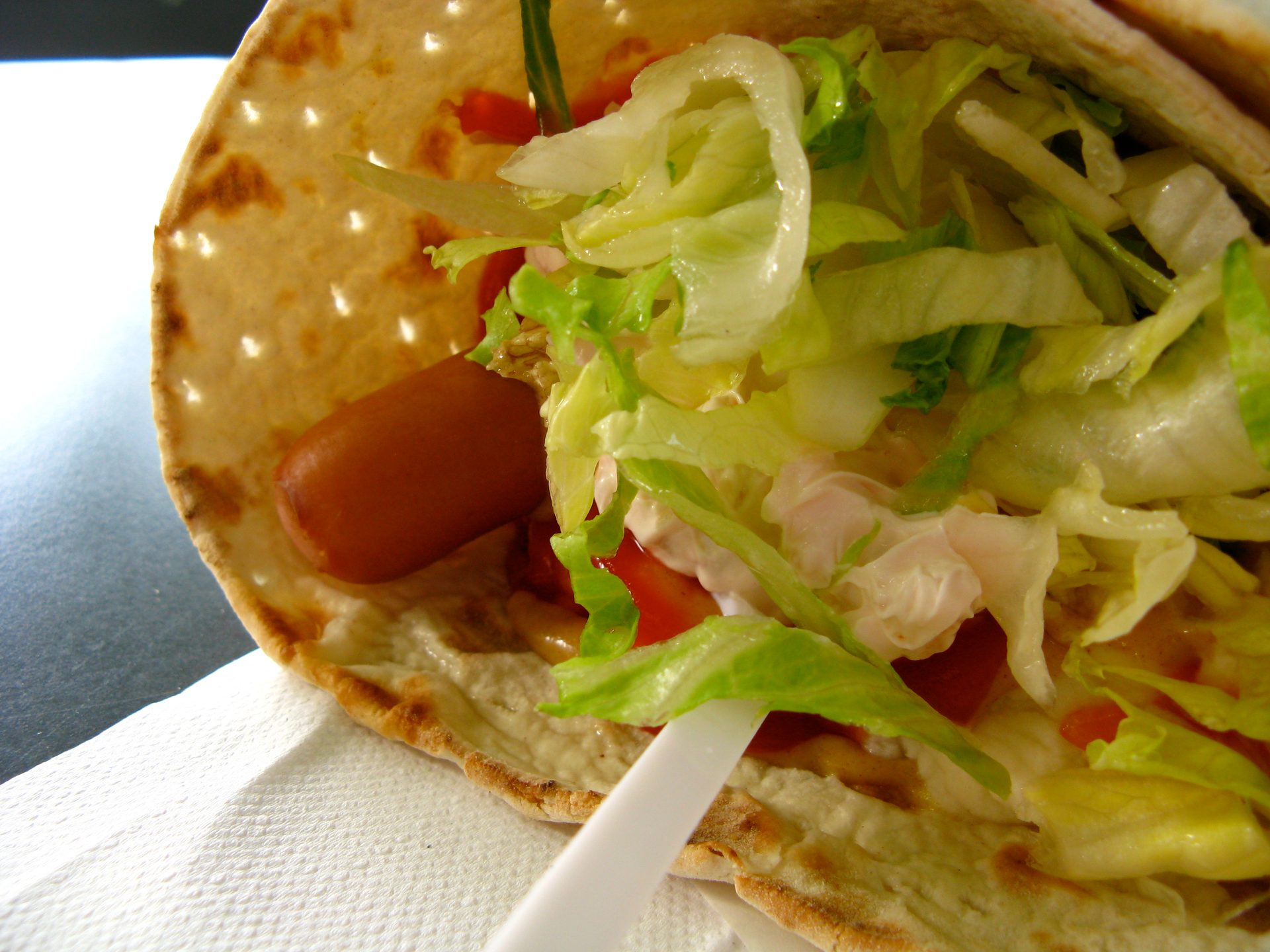
Tortilla wraps are one of those pantry staples that disappear fast — until suddenly you have a stack left over with no plan. Whether you bought a bulk pack at Costco or made a big homemade batch on Sunday, the good news is that freezing tortilla wraps is not only possible, it’s one of the smartest moves you can make in the kitchen.
Flour and corn tortillas are among the most freezer-friendly foods you can store. With the right technique, they come out soft, pliable, and ready to use — whether you’re building a weeknight burrito bowl or packing a quick lunch wrap. This guide walks you through everything: how to freeze them properly, how long they last, how to thaw them, and what to watch for when they’ve gone bad.
Can You Freeze Tortilla Wraps?
Tortillas are one of the most freezer-friendly baked goods out there — as long as they’re properly wrapped, they’ll maintain their flavor and texture excellently for up to 6 months. That applies to store-bought flour wraps, corn tortillas, and even homemade versions.
Flour tortillas are soft, pliable, and buttery — basically built for freezing. Just stack, wrap, and store. Once thawed, they bounce back to that perfectly foldable texture you want. Corn tortillas take a little more care, but they freeze well too when you use the right method.
Freezing tortillas means you can buy your favorite brands in larger, more economical packages — or make a big batch of your own — and you’ll always be one step closer to a great tortilla meal. It’s also one of the easiest ways to cut down on food waste, especially when you’re cooking for one or two people who can’t get through a full pack before they go stale.
Pro Tip: Freeze tortillas as soon as you know you won’t use the full pack. The fresher they go in, the better they come out.
Does Freezing Change the Texture or Taste of Tortilla Wraps?
Freezing does cause some changes in the texture, flexibility, and overall quality of flour tortillas. These changes depend largely on how the tortillas were prepared before freezing and how they are stored. For most people, the difference is minimal — especially with store-bought flour wraps.
Flour tortillas contain gluten, which gives them their characteristic soft yet elastic texture. Freezing can slightly alter this by making them a bit more rigid. However, proper thawing techniques can help restore their flexibility. A quick warm-up in a dry skillet or microwave usually brings them back to life.
If stored properly, frozen tortillas retain most of their original flavor. However, air exposure can cause stale or off-flavors over time. Using a vacuum-sealed bag or tightly wrapped packaging helps prevent flavor degradation.
Corn tortillas are a little more delicate. They’re thinner, can dry out faster, and need a little extra care. If you’re freezing them, place parchment or wax paper between each tortilla to prevent sticking and cracking. Specialty wraps — like spinach or tomato-flavored flour wraps — behave similarly to plain flour tortillas in the freezer, though some may contain higher moisture levels, especially if they are infused with vegetables or herbs. Pat them dry before freezing to avoid ice crystals.
How to Freeze Tortilla Wraps the Right Way
The method you use depends on whether you want to thaw the whole pack at once or pull out individual wraps as needed. Both approaches work well — it just comes down to how you cook.
Method 1: Freeze the Whole Unopened Pack
If your tortillas are still in a sealed, unopened pack, you can freeze them directly in their original packaging. Lay the package flat in the freezer to prevent the tortillas from bending or warping. This method works best if the pack fits easily without being crushed by other items.
Method 2: Freeze Individually (Best for Pulling Out One at a Time)
This is the better option if you regularly grab one or two wraps at a time. Take the tortillas out of the packaging and slip a piece of parchment paper in between each tortilla. Then transfer the whole stack to a freezer bag, pressing as much of the air out as you can.
- Let warm or homemade tortillas cool completely before freezing — letting them cool completely before freezing prevents moisture buildup, which can lead to freezer burn.
- Place a square of parchment or wax paper between each tortilla.
- Wrap individual or a small stack of tortillas in plastic wrap. This layer of protection helps prevent freezer burn and keeps them fresh.
- Once wrapped, place the tortillas in a freezer-safe bag. Squeeze out as much air as possible before sealing the bag to prevent freezer burn.
- Label the package with the date and number of tortillas.
- Store flat in the freezer so that the tortillas aren’t bunched up or folded over onto themselves.
Pro Tip: Freeze tortillas in small groups of 5–6 for easy portioning. It makes weekday meals simpler — grab what you need, thaw, and go.
How Long Can You Freeze Tortilla Wraps?
Both corn and flour tortillas generally keep a week on the counter, several weeks in the fridge, and up to 6 months frozen. The same goes for most types of wraps. Some sources report an even longer window with proper storage.
| Tortilla Type | Counter | Refrigerator | Freezer |
|---|---|---|---|
| Store-bought flour wraps | Up to 1 week | Several weeks | Up to 6–8 months |
| Store-bought corn tortillas | Up to 1 week | Several weeks | Up to 6 months |
| Homemade tortillas | A few days | 4–5 days | 2–3 months (best quality) |
| Specialty/flavored wraps | Per package | Per package | Up to 6 months |
Tortillas can be frozen for up to six months, but they are best used within the first two to three months for optimal freshness. Homemade tortillas are best used sooner since they lack the preservatives found in commercial brands. Homemade tortillas keep refrigerated only for 4 to 5 days, so freezing them should be your go-to if you can’t get around to using them all up.
The flavor and texture of tortillas will begin to degrade slightly after 6 months, so it’s worth labeling your bags clearly and using the oldest ones first. Staying within that window means you’ll rarely notice a difference from fresh.
How to Thaw Frozen Tortilla Wraps
The good news is that tortilla wraps thaw quickly — faster than most frozen foods. You have a few options depending on how much time you have.
Thaw in the Refrigerator (Best for Texture)
Thawing slowly in the fridge helps preserve more moisture and flavor than quicker methods. Simply transfer the number of tortilla wraps you’ll need from the freezer to the fridge, and by morning, they’ll be good to go. The tortilla wraps should be consumed within 24–48 hours after thawing for the best experience.
Thaw at Room Temperature (Quick and Easy)
To thaw an entire package of flour tortillas, simply remove it from the freezer and let it sit on the countertop for one hour at room temperature. After one hour the tortillas were ready to use. Individual tortillas thaw even faster — after separating the tortillas, letting them sit on the counter for 5 minutes while you organize other ingredients is often enough. Within 5 minutes they were completely defrosted.
Microwave (Fastest Option)
For a quick thaw, wrap the tortillas in a damp paper towel and microwave them for 30 seconds to 1 minute, depending on the number of tortillas. This method also softens them slightly, which is helpful if they came out of the freezer a bit stiff.
Heat Directly from Frozen
You don’t always have to thaw first. Tortillas don’t have to be totally thawed for you to toast them — once you can pull them apart easily, you can finish heating them in a hot pan. Preheat the oven to 350°F, wrap the tortillas in foil, and heat for about 10–15 minutes. On the stovetop, place them in a dry skillet over medium heat for a minute or two on each side.
Pro Tip: Keep a few extra tortillas in the freezer beyond what you think you need. The thawing process can leave one or two tortillas slightly dried out and more likely to tear or crack. Your best bet is to defrost a few more than you’ll need and set any that break aside for recipes that call for ripping them up anyway, like migas or chilaquiles.
Can You Refreeze Tortilla Wraps After Thawing?
You can refreeze flour tortillas, but there are a few important factors to consider. While refreezing is possible, it can affect the texture, moisture content, and overall quality of the tortillas.
Starch retrogradation — a process where starch molecules realign after temperature changes — can alter the taste, making tortillas slightly stale or cardboard-like. Each time tortillas are refrozen, they are exposed to moisture loss, making them more susceptible to freezer burn. This occurs when ice crystals evaporate, leaving behind dry, leathery patches.
If tortillas have already been warmed up — especially if they were heated with oil or butter — refreezing them is not recommended. Heating changes the texture and structure of the tortilla, making it more susceptible to breaking apart when frozen again.
The cleanest solution is to freeze tortillas in small, meal-sized portions from the start. That way, you only thaw what you need and refreezing never becomes necessary. If you realize you don’t need all the tortillas you thawed, refreeze them immediately. The longer they sit at room temperature, the greater the risk of bacterial growth and quality deterioration.
How to Use Frozen Tortilla Wraps (Best Uses After Freezing)
Thawed tortilla wraps work just as well as fresh ones in most recipes. Let them thaw out in the refrigerator for a few hours; since they’re so thin, it shouldn’t take long at all. Then, after they’re thawed, use them as you would any fresh tortilla.
Here are some of the best ways to use thawed wraps:
- Burritos and wraps — Fill with rice, beans, grilled chicken, or leftover roasted vegetables for a fast meal.
- Quesadillas — A hot skillet brings thawed tortillas back to life instantly. Pair with cheese, peppers, and salsa.
- Tacos — Corn tortillas straight from the freezer heat up perfectly in a dry pan for street-style tacos.
- Breakfast roll-ups — Scrambled eggs, cheese, and salsa wrapped in a thawed flour tortilla make for a quick morning meal.
- Tortilla chips — Cut thawed or slightly stale tortillas into triangles, brush with oil, and bake at 375°F until crisp.
- Migas or chilaquiles — Any tortillas that crack or tear during thawing are perfect for these classic dishes that call for torn pieces.
- Pizza-style flatbreads — Use a thawed flour wrap as a thin-crust base with sauce, cheese, and your favorite toppings.
If you’re interested in building more nutritious wraps and meals, check out these whole plant-based foods that pair well with tortillas, or explore superfoods for a healthy heart to add more nutrition to your fillings. For inspiration on what to wrap, traditional Greek foods and traditional Pakistani food both offer flavor-packed filling ideas worth trying.
Signs That Frozen Tortilla Wraps Have Gone Bad
Even in the freezer, tortillas can eventually go past their prime. Knowing what to look for saves you from an unpleasant meal.
There are several signs that your tortillas are past their prime. The most conspicuous is patches of mold, but they might also feel slimy and smell rancid from sitting in excess moisture. If they show any of these signs, you should toss the batch.
Store-bought flour tortillas can still go bad over time — becoming brittle if left to dry out, limp and soggy if exposed to moisture, or developing spots of mold. Watch for these specific signs:
- Visible mold — Any fuzzy spots, green patches, or discoloration mean the tortillas should be discarded immediately.
- Off smell — A sour, rancid, or musty odor is a clear sign they’ve turned.
- Severe freezer burn — Freezer-burned tortillas often have a tough, unpleasant texture and may develop an off taste, which can negatively impact the final dish. Small dry spots can sometimes be worked around, but widespread freezer burn means it’s time to toss them.
- Slimy texture — If a tortilla feels wet or slimy after thawing, discard it.
- Stale taste — A good corn tortilla should have a distinctive fresh corn flavor, while a flour tortilla should be mild and lightly nutty. If yours tastes flat or cardboard-like, they’re past their best.
Important Note: Always label your freezer bags with the date you froze the tortillas. This simple habit makes it easy to rotate your stock and use the oldest wraps first, well within the 6-month window.
Frequently Asked Questions
Can You Freeze Store-Bought Tortilla Wraps in Their Original Packaging?
If the tortillas are unopened in a sealed plastic bag, you can place the whole pack right in the freezer. This is the easiest method and works well if you plan to thaw and use the whole pack at once. Just make sure the package lays flat so the tortillas don’t warp.
Can You Freeze Homemade Tortillas?
Yes. Let them cool completely before freezing to prevent moisture buildup, which can lead to freezer burn. Use parchment paper between each one and store in a freezer bag with the air pressed out. For the best texture, use within two to three months.
Do Corn Tortillas Freeze as Well as Flour Tortillas?
Corn tortillas are more prone to breaking when frozen and thawed. To prevent this, consider placing a piece of wax paper or parchment paper between each tortilla before wrapping and freezing. Handle the frozen stack gently, as they become brittle when fully frozen.
Can You Freeze Flavored or Specialty Wraps?
Specialty wraps behave similarly to flour tortillas in the freezer. However, some may contain higher moisture levels, especially if they are infused with vegetables or herbs. Pat them dry before freezing to avoid ice crystals.
How Do You Keep Frozen Tortillas from Sticking Together?
The key is parchment or wax paper. Layer each tortilla with parchment or wax paper between them — it’s the little step that stops them from sticking. This makes it easy to pull out exactly the number you need without having to thaw the whole stack.
Can You Freeze Already-Filled Wraps?
It depends on the filling. Wraps filled with ingredients like grilled chicken, rice, and beans can be frozen successfully. However, wraps with fresh lettuce, tomatoes, avocado, or creamy sauces do not freeze well — those fillings break down and turn watery when thawed. For best results, freeze the tortillas separately and add fresh fillings after thawing. If you’re looking for filling ideas that hold up well, explore foods for healthy skin or fibroid healing foods for nutritious options that work great as wrap fillings.
How Long Do Tortillas Last After Thawing?
Tortilla wraps should be consumed within 24–48 hours after thawing for the best experience. If you thawed them in the refrigerator and haven’t opened the bag, they may last a day or two longer — but the sooner you use them, the better the texture.