
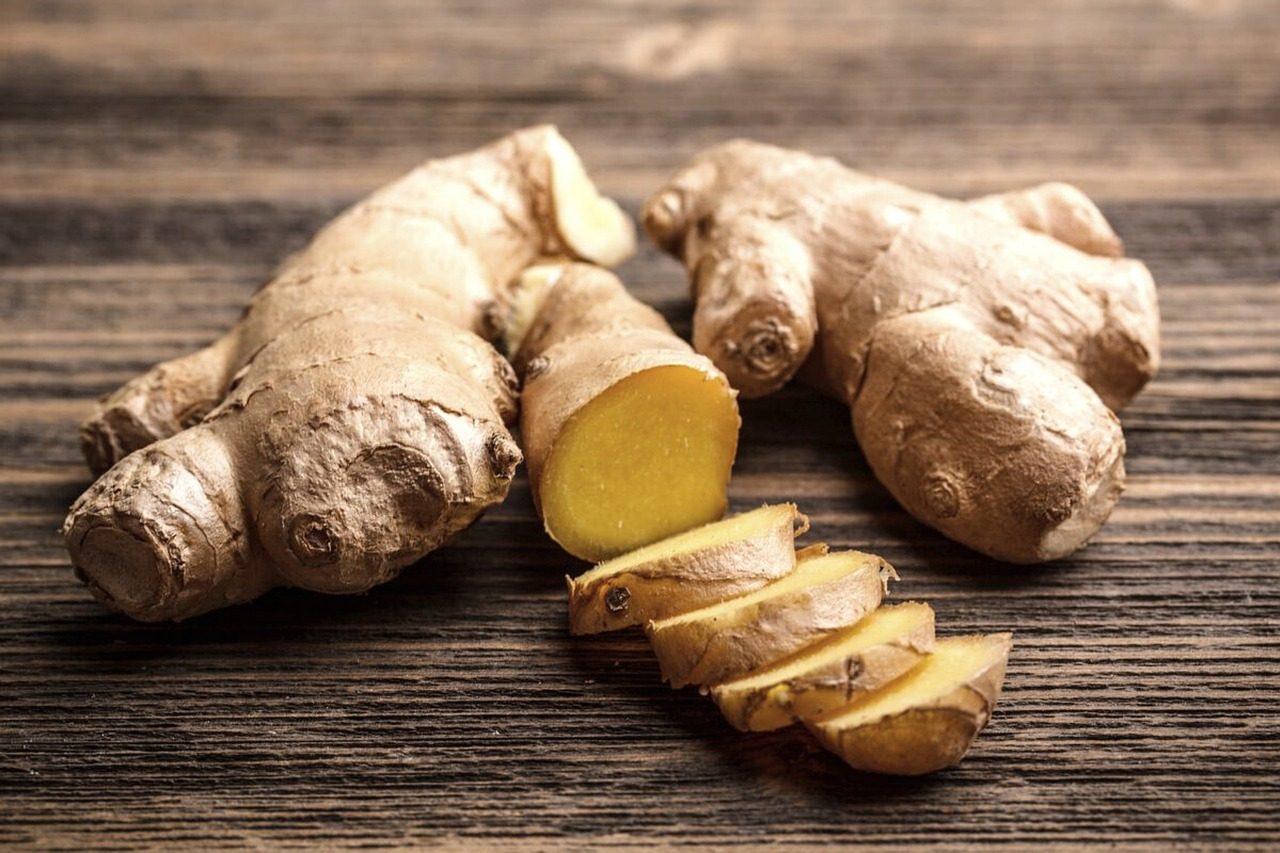
Fresh ginger is one of those ingredients you buy for a single recipe, use a tablespoon of, and then watch slowly shrivel in the back of your fridge. If that sounds familiar, the freezer is your answer. Yes, you can freeze ginger successfully — fresh ginger freezes remarkably well for 3 to 6 months, maintaining its spicy punch and health benefits throughout storage.
Ginger (Zingiber officinale) has been used in kitchens and home remedies across the United States for generations, prized for its bold flavor and wide range of health benefits. Freezing it is one of the smartest things you can do to cut food waste and keep your pantry stocked. This guide walks you through every step — from prep to thawing to spotting spoilage — so you never throw out another knob of ginger again.
Can You Freeze Ginger?
Can you freeze ginger? Yes, and it’s easier than most people think. Ginger stays fresh for months after being frozen. Whether you have a whole root, leftover slices, or grated bits from last night’s stir-fry, the freezer handles all of it well.
You can freeze it whole with the peel still on, or prepare it ahead by slicing or grating. Each method has its advantages depending on how you cook, and you’ll find the right fit for your kitchen below.
Freezing ginger means you always have a supply ready to use, which can not only save on the time spent prepping fresh ginger each time you need it, but also save on the time spent shopping. For anyone who cooks Asian, Indian, or Caribbean food regularly, that convenience adds up fast.
Pro Tip: Always start with firm, plump, fresh ginger. Inspect roots before freezing and discard any with soft spots or mold, as freezing won’t reverse spoilage.
Does Freezing Change the Texture or Taste of Ginger?
The texture does change slightly once thawed since freezing ruptures some cell walls, making the ginger a bit softer. But for most cooking applications, this doesn’t matter at all. You’ll notice the difference only if you’re planning to use it raw as a garnish or in a fresh salad.
Ginger that has been frozen keeps its taste and smell well. But ginger slices that have been thawed feel softer than fresh ginger slices. Because of this, they are better for grating than for garnish.
On the flavor side, the news is good. The flavor compounds, especially gingerol (the stuff that gives ginger its kick and health benefits), stay remarkably stable during freezing. Most bioactive compounds like gingerol and shogaol stay the same when you freeze them. However, over time, some vitamin C and phenolic content may go down. When kept in the freezer the right way, the anti-inflammatory compounds, essential oils, and antioxidants stay mostly the same.
One unexpected perk: frozen ginger is actually easier to work with than fresh. The firm texture makes it simple to grate without getting tangled in those annoying fibers. You also avoid the mess of peeling since you can grate it skin and all right into your dish.
| Quality Factor | Fresh Ginger | Frozen Ginger |
|---|---|---|
| Flavor / Aroma | Strong and sharp | Well preserved; minimal loss |
| Texture | Firm and fibrous | Slightly softer after thawing |
| Ease of Grating | Fibrous; can be tricky | Easier — grates into fine, fluffy pile |
| Shelf Life | 2–4 weeks in fridge | 3–6 months (up to 12 whole) |
| Best For | Raw garnishes, sushi, salads | Cooked dishes, teas, smoothies |
How to Freeze Ginger the Right Way
There are four reliable methods for freezing ginger, and the best one depends on how you typically use it in the kitchen. No matter which approach you choose, the prep steps are the same: wash the root under cold water, pat it completely dry, and use only firm, unblemished pieces.
Pro Tip: Wet ginger leads to freezer burn. Always pat it bone-dry before freezing.
Method 1: Freeze It Whole
The easiest thing to do is to freeze whole ginger. Just wrap it up tightly in plastic wrap, put it in a freezer-safe bag, and write the date on it. This works well if you use ginger infrequently and prefer to grate or slice off what you need as you go.
If you’re pressed for time or simply prefer whole pieces, wash and dry the ginger root. Place it in an airtight bag or container and freeze. You can cut pieces off from the frozen piece later or even grate it while it’s still frozen.
Method 2: Flash-Freeze Slices or Chunks
This is the most versatile method for everyday cooks. The best way to freeze ginger is to cut it into usable pieces before freezing. Start by cutting your ginger root into pieces about 1–2 inches in length. Line a small baking sheet with parchment paper or a silicone baking mat. Place the ginger pieces on the sheet in a single layer. Freeze overnight, or until completely solid. Once frozen, transfer the ginger pieces to a freezer-safe bag or airtight container.
One important safety note: always cut the ginger before freezing. Never try to cut frozen ginger with a knife — it’s extremely hard and can be unsafe.
Method 3: Freeze Grated or Minced Ginger in Cubes
You can press the minced ginger into small ice cube trays, freeze for 3–4 hours, then remove the cubes and store in a freezer-safe bag or freezer-safe container. There’s an extra step involved, but some people prefer it this way. A silicone ice cube tray would be a great way to ensure the frozen portions are easy to pop out.
Freezing in one-teaspoon increments is a good idea because they’ll thaw quicker and it makes the ginger more versatile in recipes later. Label the bag clearly — garlic and ginger look very similar when they are chopped and frozen, and you don’t want to confuse the two.
Method 4: Freeze Ginger as a Paste or Juice
Ginger can be processed in a food processor into a paste that can be put into ice cube trays in small amounts. Blend ginger with or without water in a food processor until smooth. Divide the mixture into ice cube trays. When the cubes are frozen, put them in a bag that can go in the freezer.
If you have large pieces of ginger you won’t use right away, juicing is another option. Frozen ginger juice can be used as ice cubes in drinks, as a base for fresh ginger tea, or for adding a little spice to a meal.
How Long Can You Freeze Ginger?
Storage time depends on how you prepared the ginger before freezing. Whole, unpeeled roots last the longest because less surface area is exposed to air.
- Whole unpeeled root: 3–6 months for whole ginger that hasn’t been peeled and is stored in a freezer-safe bag. Some sources report up to 12 months when vacuum-sealed.
- Peeled or sliced pieces: 3–4 months for ginger that has been peeled or cut into pieces.
- Ginger paste or puree: Best within 3–4 months in airtight containers.
Ginger can last 3 to 6 months at peak quality, and technically stays safe indefinitely at 0°F (-18°C). That said, quality does decline over time. Ginger frozen beyond 6 months develops off-flavors as gingerol degrades. Aim to use it within the quality window for the best results in your cooking.
Compared to refrigerator storage, the freezer is a clear winner. Peeled ginger stays fresh for two to three weeks in the fridge, while unpeeled ginger stays fresh for up to a month. The freezer extends that significantly, making it the smarter choice if you buy ginger in bulk at a warehouse store or farmers market.
How to Thaw Frozen Ginger
Here’s a tip that surprises a lot of home cooks: for most recipes, you don’t need to thaw frozen ginger at all. If you’re cooking, you can use the ginger directly from the freezer. Simply grate or slice the frozen ginger as needed. This method is convenient and saves time.
Frozen ginger grates into a fine, fluffy pile with no stringy fibers — which is actually better than what you get with fresh. A microplane grater or the fine holes of a box grater work best straight from the freezer.
If you do need to thaw it for slicing or chopping, here are your options:
- Refrigerator overnight: Set it on a plate in the refrigerator overnight. This is the gentlest method and best preserves flavor.
- Room temperature: Simply take it out of the freezer and let it thaw at room temperature for 10–15 minutes. Aim to use room temperature-thawed ginger within an hour to avoid bacterial growth.
- Warm water: You can soak it in warm water for a few minutes. This works when you need it quickly.
Important Note: Don’t bother with the microwave since uneven heating can affect the flavor. Stick to the fridge or room-temperature methods for best results.
Smaller pieces thaw quickly, often within minutes. Larger pieces may take a bit longer depending on size and room temperature. This is another reason the ice-cube method is so practical — you only thaw exactly what a recipe calls for.
Can You Refreeze Ginger After Thawing?
Refreezing thawed ginger is not a good idea. When ginger thaws, ice crystals that formed during freezing melt and damage the cell walls. If you refreeze it, new ice crystals form and cause even more structural damage. What you end up with is mushy, flavorless ginger that’s lost most of its appeal.
There’s also a food safety angle. Once ginger thaws, especially if it sits at room temperature for more than an hour or two, bacteria can start multiplying. Refreezing doesn’t kill those bacteria, it just puts them on pause.
The practical fix is simple: freeze ginger in small, usable amounts to avoid the need for refreezing. The ice-cube method is perfect for this. If you’ve already thawed more ginger than you need, use it within 24 hours and keep it refrigerated in the meantime.
How to Use Frozen Ginger (Best Uses After Freezing)
Frozen ginger is a direct substitute for fresh in virtually every cooked application. Use frozen ginger in place of fresh ginger in any recipe that calls for it. Many recipes call for ginger in units of inches. For every 1 inch of ginger a recipe calls for, use 1 tablespoon of minced ginger.
Here are the best ways to put frozen ginger to work in your kitchen:
- Stir-fries and curries: Minced ginger is best for cooking, like stir-fry recipes or non-blended soups and dressings. Grate it directly from frozen into the pan.
- Soups and broths: Drop a frozen slice or cube directly into simmering liquid. It dissolves quickly and adds depth to everything from chicken soup to ramen broth.
- Teas and drinks: Sliced ginger is great for infused waters and teas, or anything that will eventually be blended or pureed, like smoothies or sauces. You can also explore ginger and lemon tea as a daily wellness habit.
- Marinades and dressings: Frozen ginger is easier to grate compared to fresh ginger, which can be fibrous. This makes it perfect for recipes that require a fine texture, like sauces, marinades, and dressings.
- Smoothies and juices: You can use frozen ginger in lemon ginger shots and fresh pineapple ginger juice. Drop a cube straight into the blender.
- Baked goods: Grate frozen ginger into gingerbread, muffins, or spice cookies. The fine texture from frozen ginger blends evenly into batters.
Ginger’s health-supporting properties — including its role as one of the superfoods for heart health and its use among fibroid-healing foods — are largely preserved through freezing, making it just as useful medicinally as it is culinarily. Ginger also appears frequently in lists of nutrients and foods that fight cancer and foods that support liver function, so keeping a steady frozen supply makes good sense.
Pro Tip: Cover grated ginger with water in ice cube trays and freeze the cubes — then drop them directly into hot tea or a bowl of soup. It’s one of the most convenient ways to get a daily dose of ginger.
Signs That Frozen Ginger Has Gone Bad
Frozen ginger doesn’t usually spoil quickly when kept continuously frozen, but it can lose quality — and in some cases, it does go bad. Knowing the difference between a quality issue and a safety issue helps you make the right call.
Freezer burn and spoilage are often confused. Freezer burn usually comes from air exposure and moisture loss. It can make ginger dry, pale, icy, or weak in flavor. If the ginger has only mild freezer burn and has stayed continuously frozen, it may still be usable in cooked dishes where ginger is not the main flavor.
Spoilage is more serious and usually involves sour odor, mold, slime, leakage, or unsafe handling. Here’s what to check before using frozen ginger:
- Smell: Good frozen ginger should still smell spicy, fresh, and ginger-like. If it smells sour, fermented, rotten, moldy, or strongly like other freezer foods, do not use it in a clean-flavor recipe.
- Color: If the ginger turns dark brown or black, it indicates spoilage. Gray discoloration can also signal oxidation from air exposure.
- Texture after thawing: Spoiled ginger may become too soft or mushy. Sliminess is a stronger sign of spoilage.
- Packaging: A broken package, leaking pouch, heavy frost inside the bag, or repeated ice formation can indicate poor packaging or temperature fluctuation. This does not always mean the ginger is unsafe, but quality should be checked carefully.
Discard frozen ginger if it has mold, sour smell, fermented odor, slimy texture after thawing, leaking package, or clear signs of thawing abuse. When in doubt, throw it out — fresh ginger is inexpensive enough that it’s not worth the risk.
Frequently Asked Questions
Do You Need to Peel Ginger Before Freezing It?
There is no need to peel the ginger before freezing. In fact, frozen ginger is often easier to peel than fresh ginger. The peel loosens once frozen, making it easier to remove if needed — and if you’re grating it, the peel is so thin it’s barely noticeable. That said, many cooks prefer to peel before freezing for convenience. Either approach works fine.
Can You Freeze Ground or Powdered Ginger?
Ground ginger powder is already shelf-stable and doesn’t need to be frozen. It keeps well in a sealed spice jar in a cool, dark pantry for up to two to three years. Freezing powder can cause moisture issues and clumping, so stick to freezing fresh ginger root only.
Can You Freeze Ginger Paste from a Jar or Tube?
Store-bought ginger paste can be frozen, but check the label first — many brands include preservatives that allow refrigerator storage for several weeks after opening. If you want to freeze it, portion it into ice cube trays and transfer the frozen cubes to a freezer bag. Ginger paste can lose quality faster than whole ginger if poorly packed because it has more exposed surface area and more moisture.
Is Frozen Ginger as Healthy as Fresh?
Gingerol provides several health advantages and is mostly unaffected by freezing. Ginger’s fiber content doesn’t significantly change when frozen. Potassium, magnesium, and other minerals are largely retained in frozen pieces. Ginger remains a source of antioxidants despite a slight reduction. While freezing ginger may reduce certain nutrients, it preserves most of its nutritional characteristics and anti-inflammatory properties.
How Do You Substitute Frozen Ginger for Fresh in a Recipe?
Many recipes call for ginger in units of inches. For every 1 inch of ginger a recipe calls for, use 1 tablespoon of minced ginger. If using a frozen cube from an ice tray, one standard cube (roughly 1 teaspoon) equals about one-third of a tablespoon. Adjust to taste based on the strength of your ginger and the dish.
Can You Freeze Ginger Beer or Ginger Syrup?
Yes. Ginger syrup freezes well in small portions — ice cube trays work perfectly. Use the cubes in cocktails, lemonade, or as a sweetener for ginger tea. Ginger beer is carbonated and should not be frozen in a sealed container, as the expanding liquid can cause the container to burst.
What Is the Best Container for Freezing Ginger?
Make sure you squeeze all air out of the resealable freezer bag before freezing. This will help prevent freezer burn. Heavy-duty freezer bags, rigid airtight containers, and vacuum-sealed bags all work well. When looking for silicone ice cube trays, note the capacity of each indent (aim for 1–2 teaspoons), and a fitting lid is ideal to let you stack the trays in the freezer and keep any smells contained.